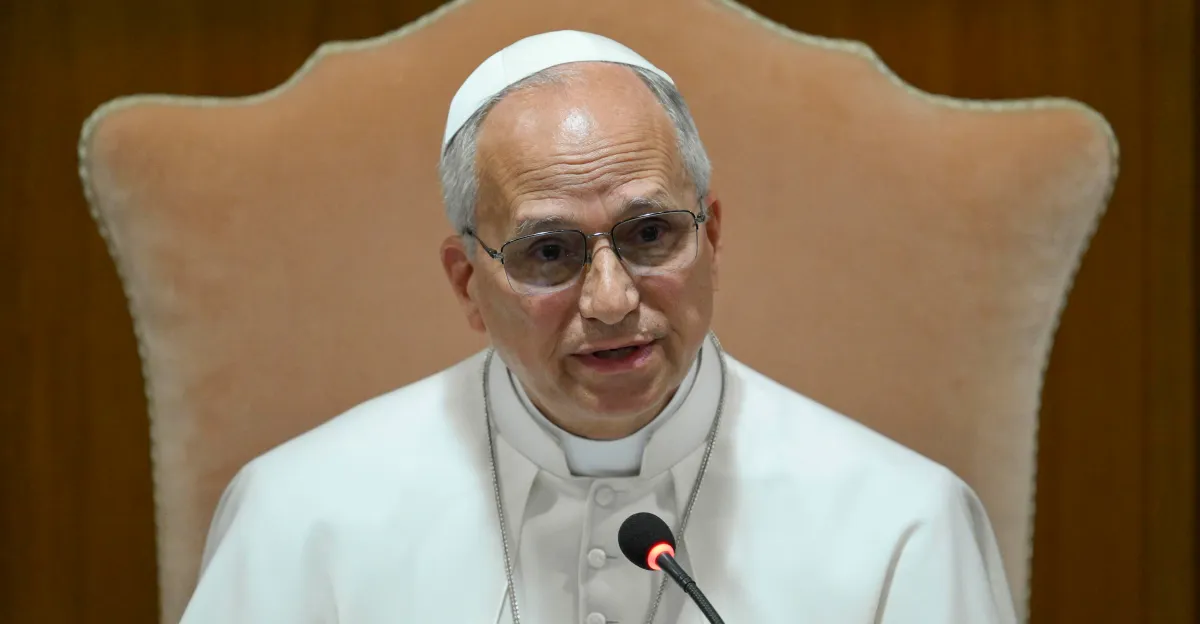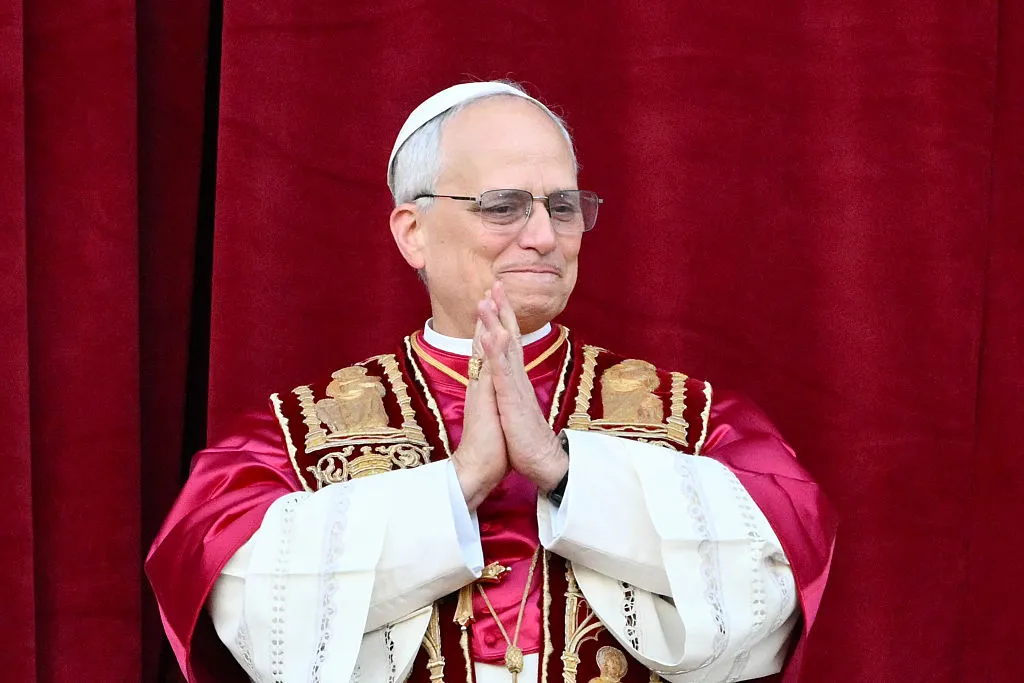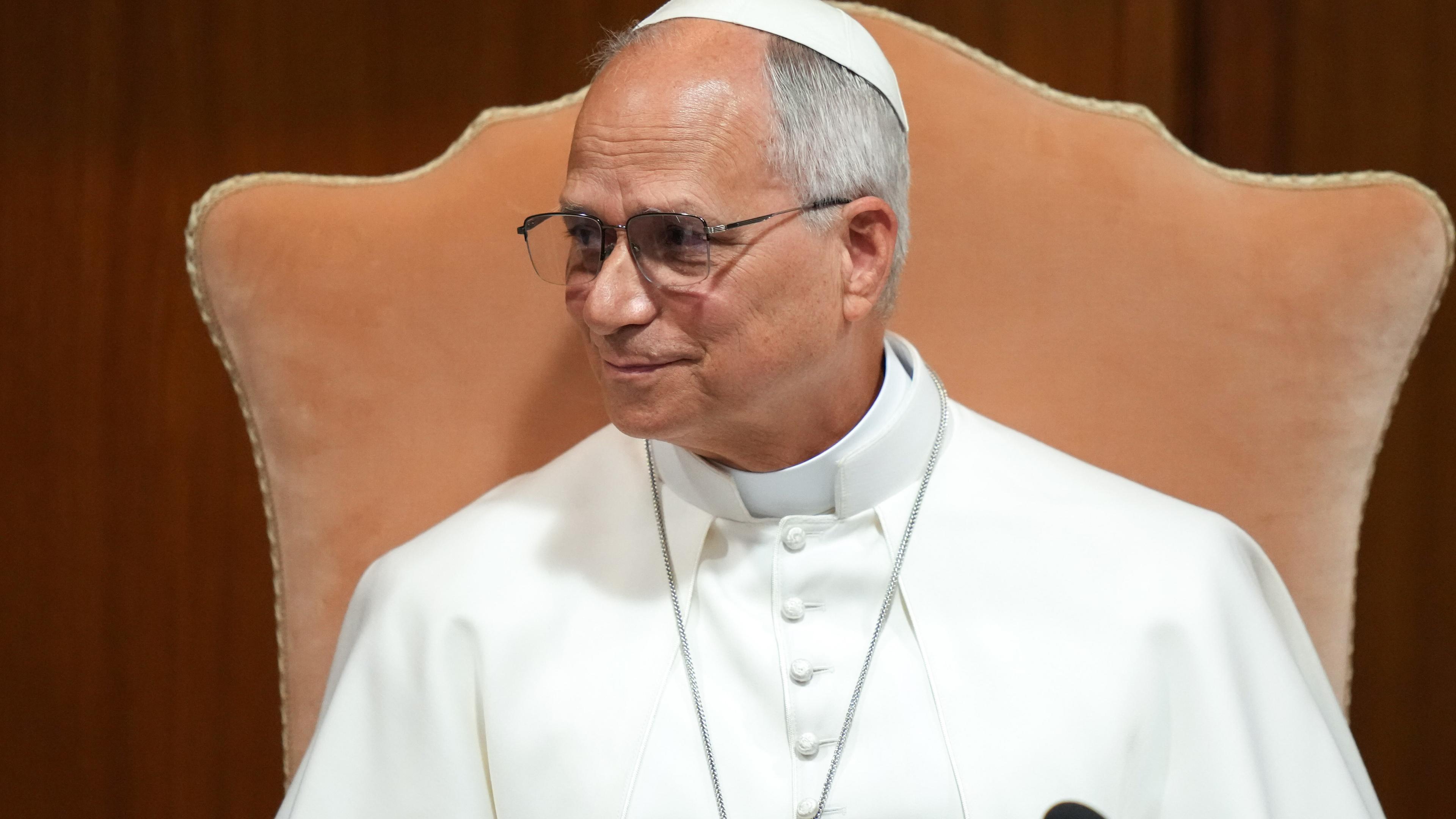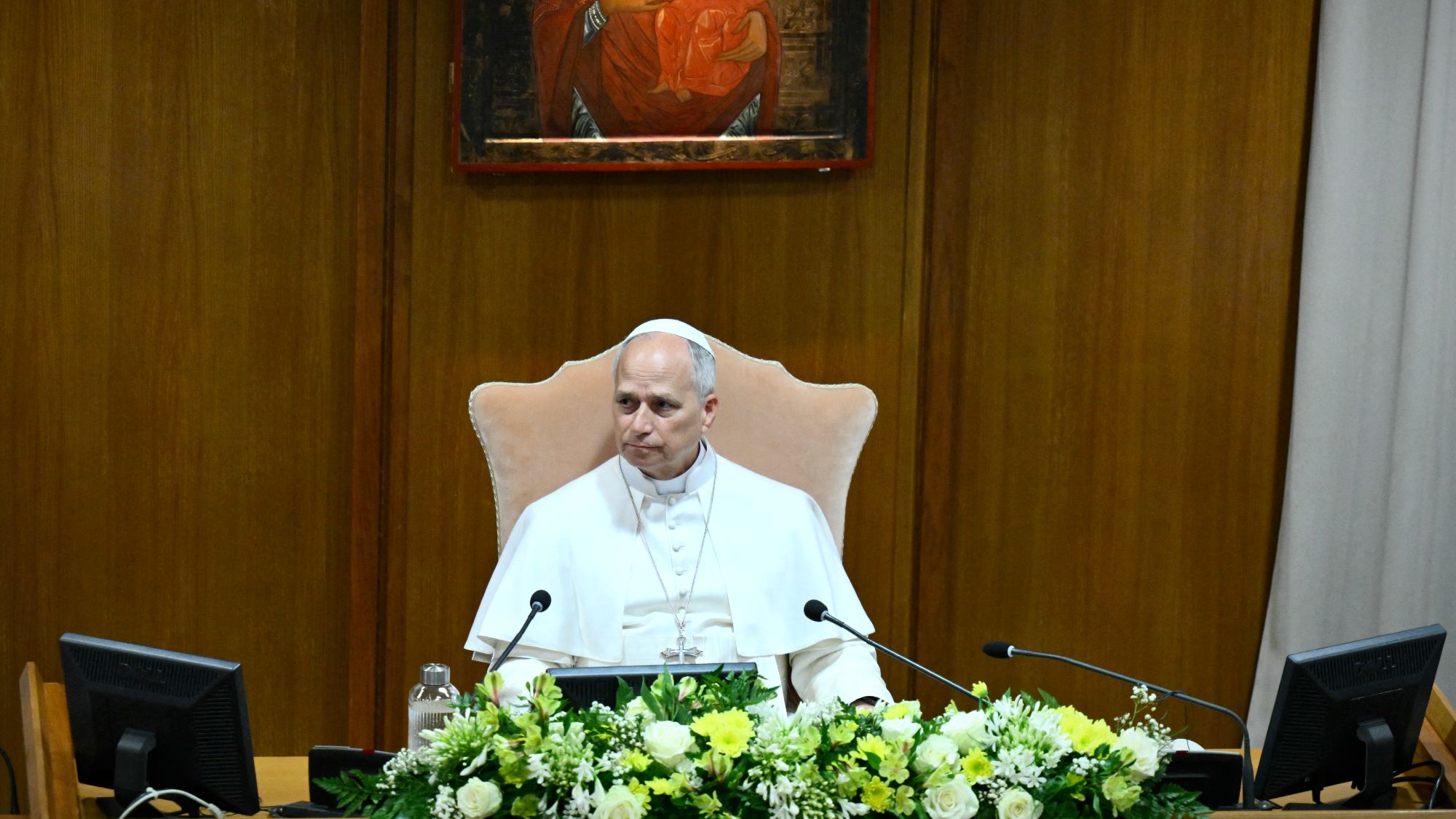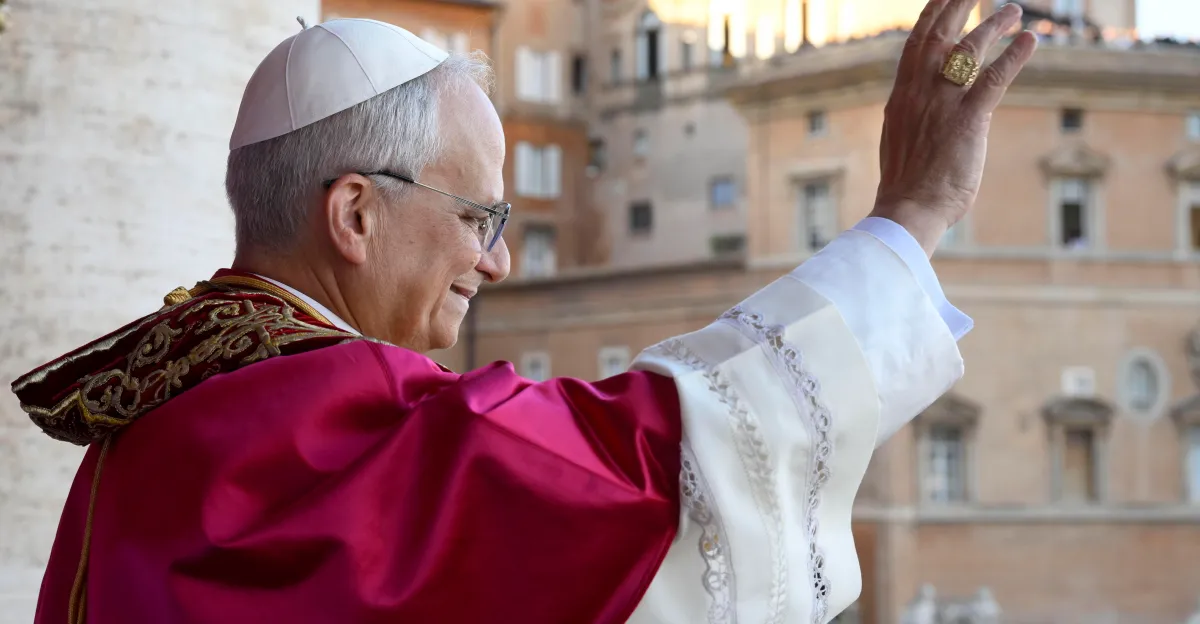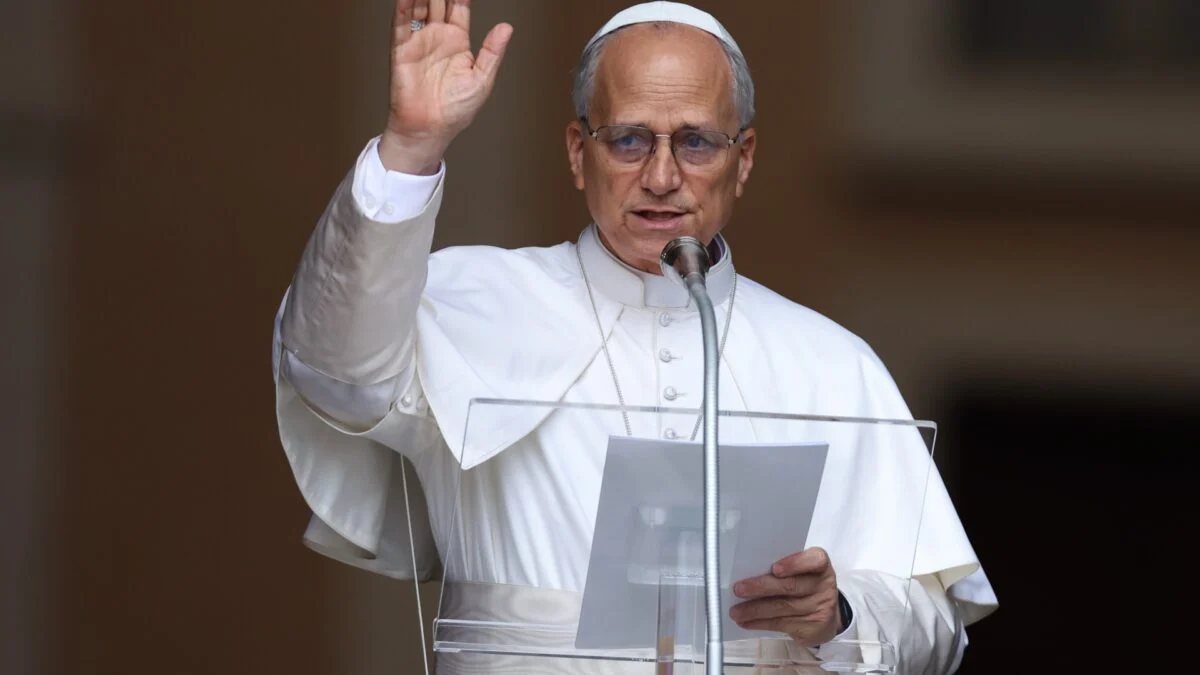
When Pope Leo XIV issued Magnifica Humanitas, his 43,000-word encyclical calling for people to maintain and protect human dignity in the face of artificial intelligence, some in the AI world started to allege that the head of the Catholic Church used AI to write the document, accusing him of hypocrisy. While the Vatican never really acknowledged the allegations, it has since gone out of its way to discredit them. According to The Guardian, Magnifica Humanitas has been officially certified as human-authored. A lot of this whole controversy just comes down to who you feel like you can trust. In one corner are the AI evangelists, who have decided to put their trust in AI detection systems (which are themselves AI-powered). Pangram Labs has become the biggest name in this space, in part because of its on-call status on X, where any user can tag the company on a post and get an analysis as to whether it is AI-generated or not. Panagram Labs flagged a number of posts made to the official X account of Pope Leo XIV as likely being written by AI. An analysis of the full encyclical by the company suggested that while the majority of it seems to be human-authored, some paragraphs may contain AI-generated text. Linch Zhang, an AI researcher, also wrote an in-depth look at the document and concluded that some of the text is likely to be AI-authored—though was careful to suggest that it’s more likely Vatican officials used AI assistance for portions of the paper than Pope Leo himself.
Vatican Uses AI-Detector to Show AI Bros Pope's Anti-AI Encyclical Isn’t AI-Generated
The word of God or the word of AI?
516 words~2 min read