view more
Image source link: https://openverse.org/image/7dd5b698-7be7-4dc2-b338-a0719a211320
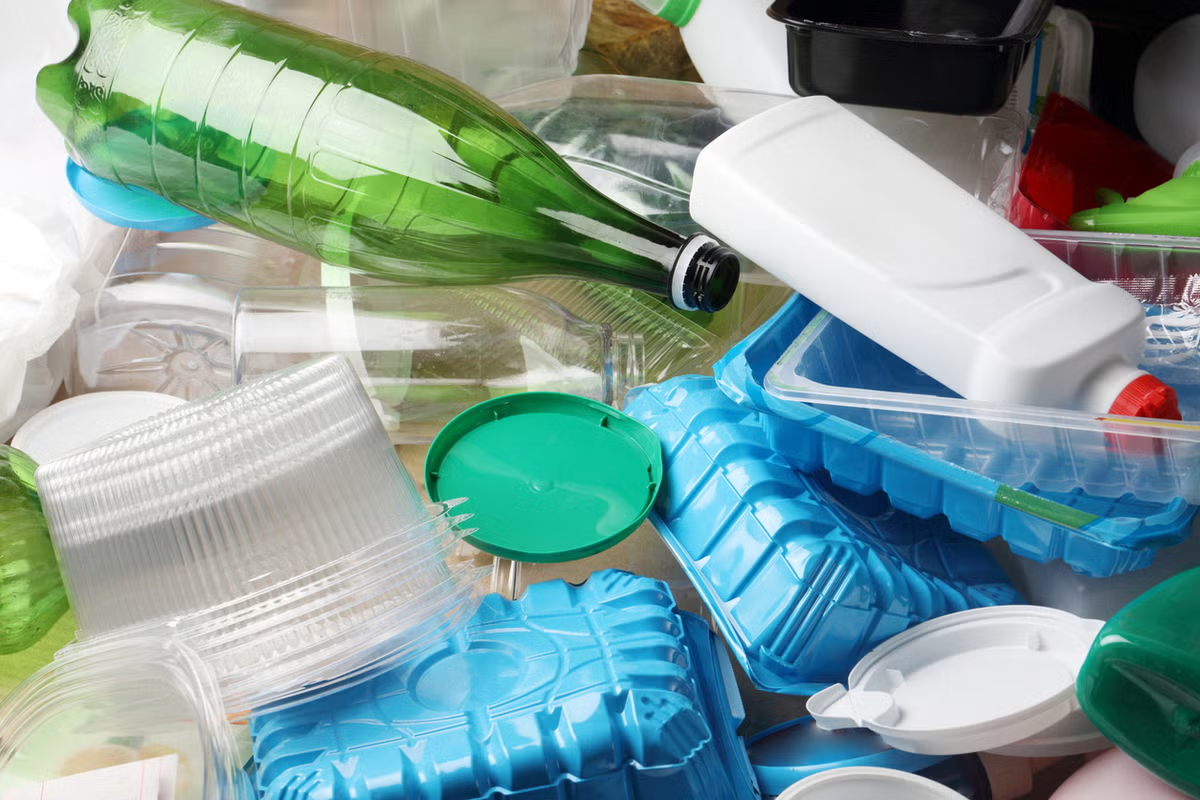
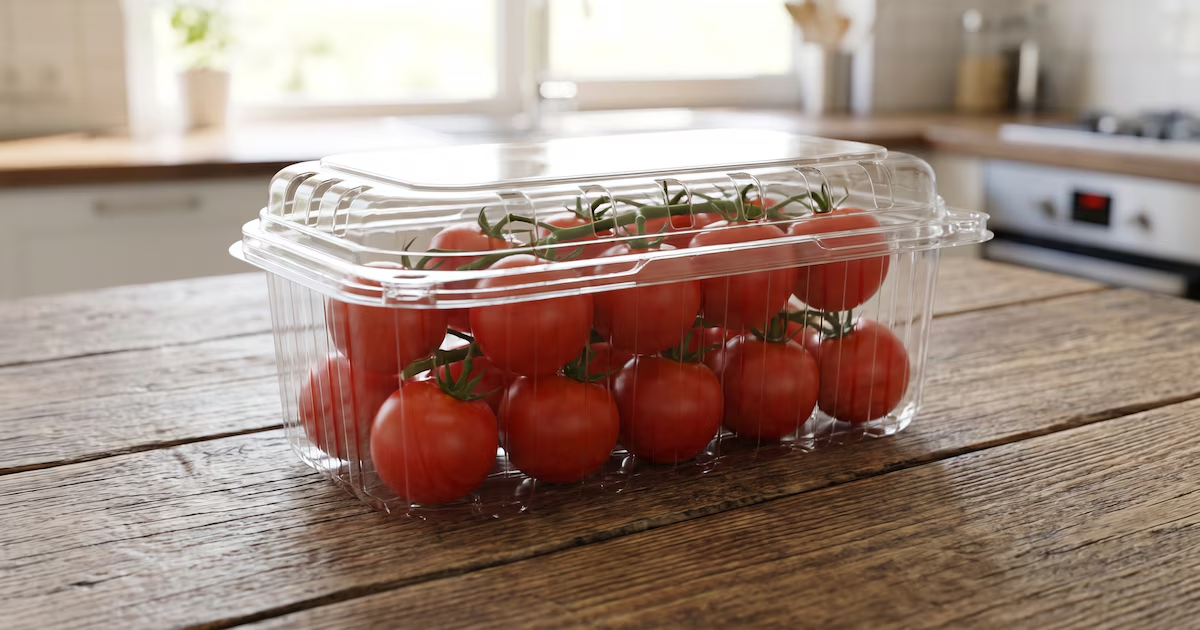
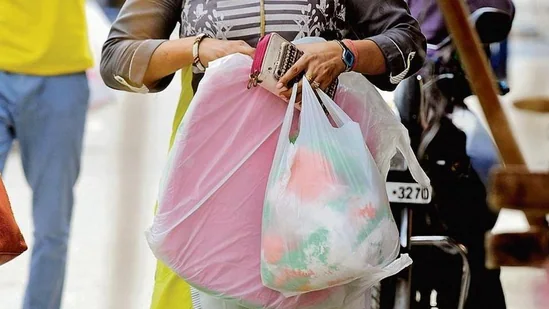
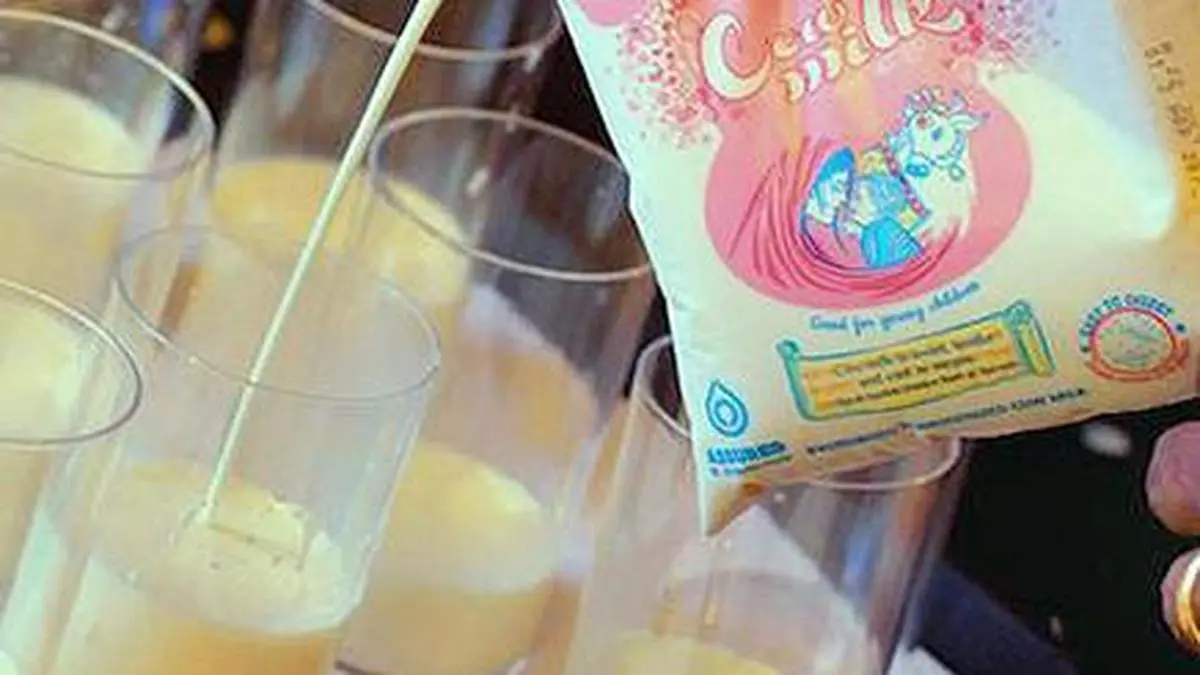
From ensuring that food remains fresh for a longer time to extending its shelf life for future consumption – the role of food packaging in modern society is indispensable. Conventional food packaging plastics are sturdy and highly effective at keeping oxygen out, one of the main drivers of food spoilage. Unfortunately, however, widely used materials, such as those used in everyday wrappers and containers, can persist in the environment for decades after disposal. As concerns over plastic waste continue to grow in the world today, scientists are seeking safe and eco-friendly alternatives that can preserve food effectively while also offering improved biodegradability after use.
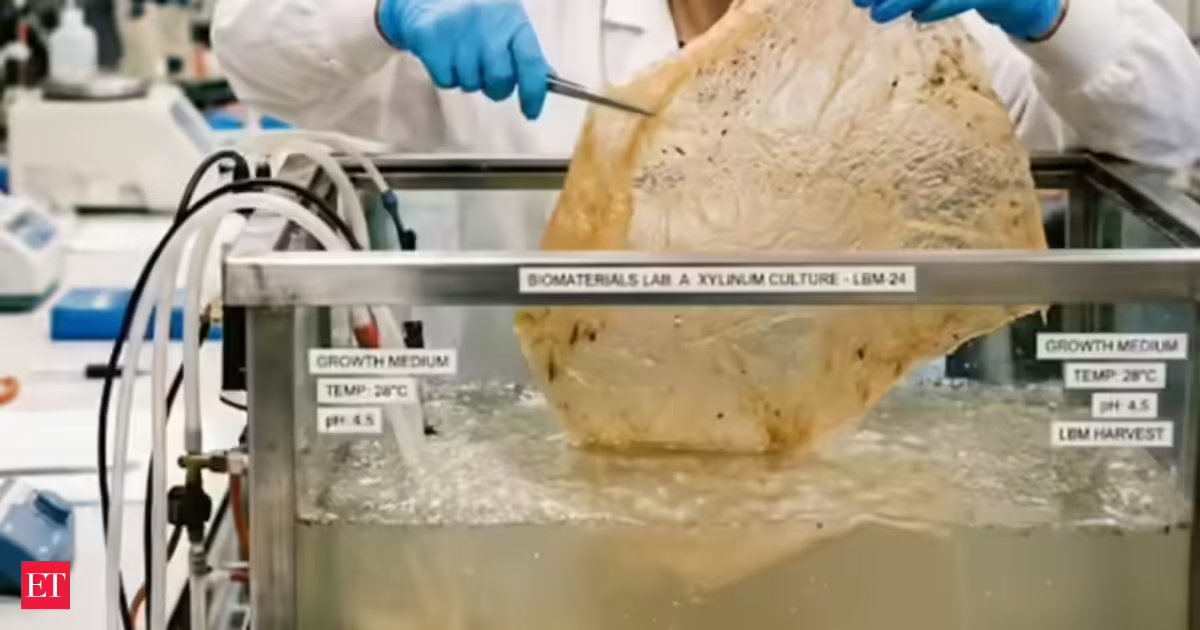
Plant-based biodegradable plastics, such as polylactic acid (PLA), are a promising alternative, but fall short of conventional plastics; they typically do not block oxygen as well, nor do they hold up mechanically. Researchers have tried introducing additives to improve their strength or make them actively scavenge oxygen. However, these two enhancements are rarely combined and tested together. The real challenge lies in building a biodegradable plastic that actively manages oxygen while maintaining the strength and functionality required for food packaging.