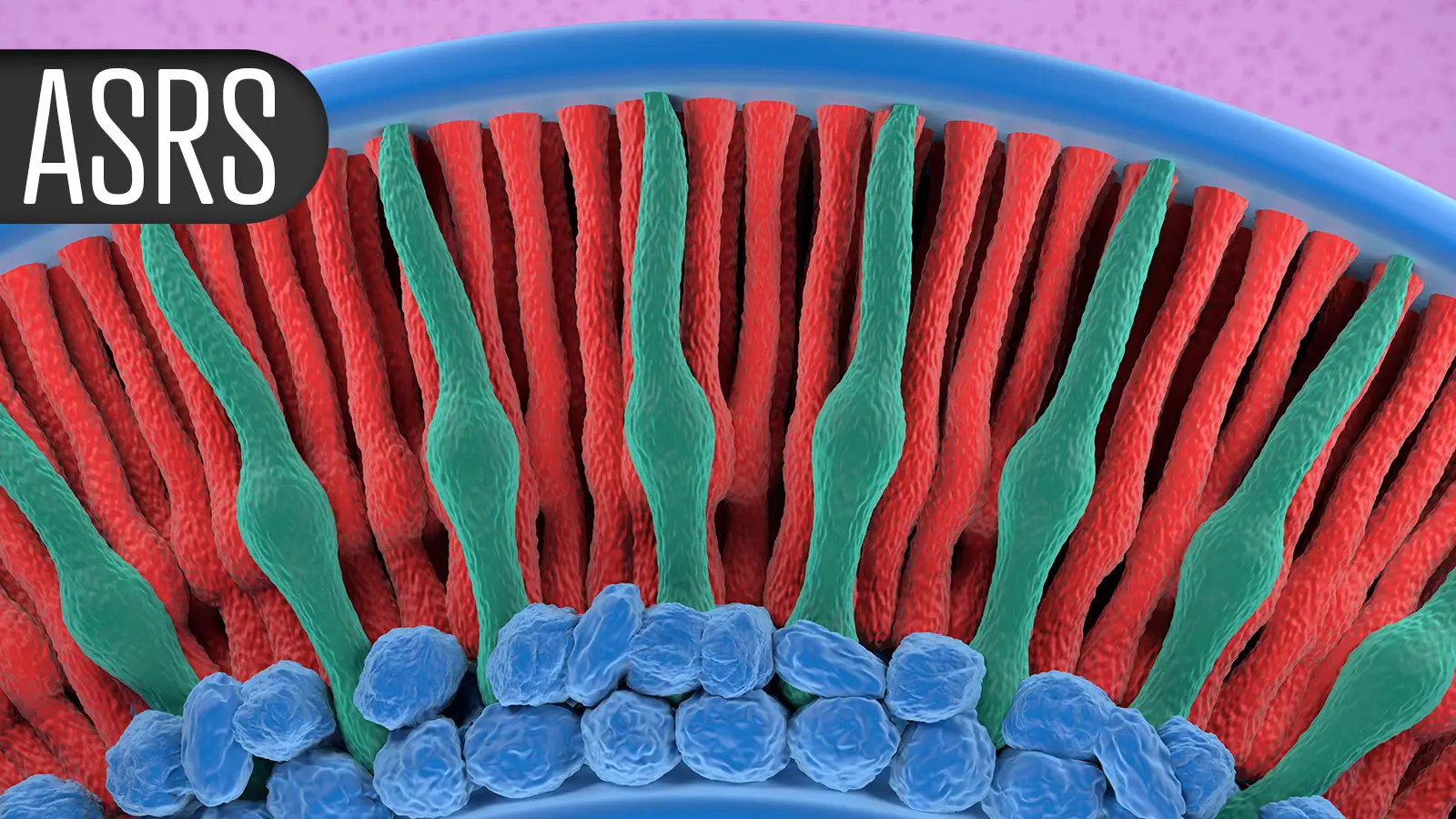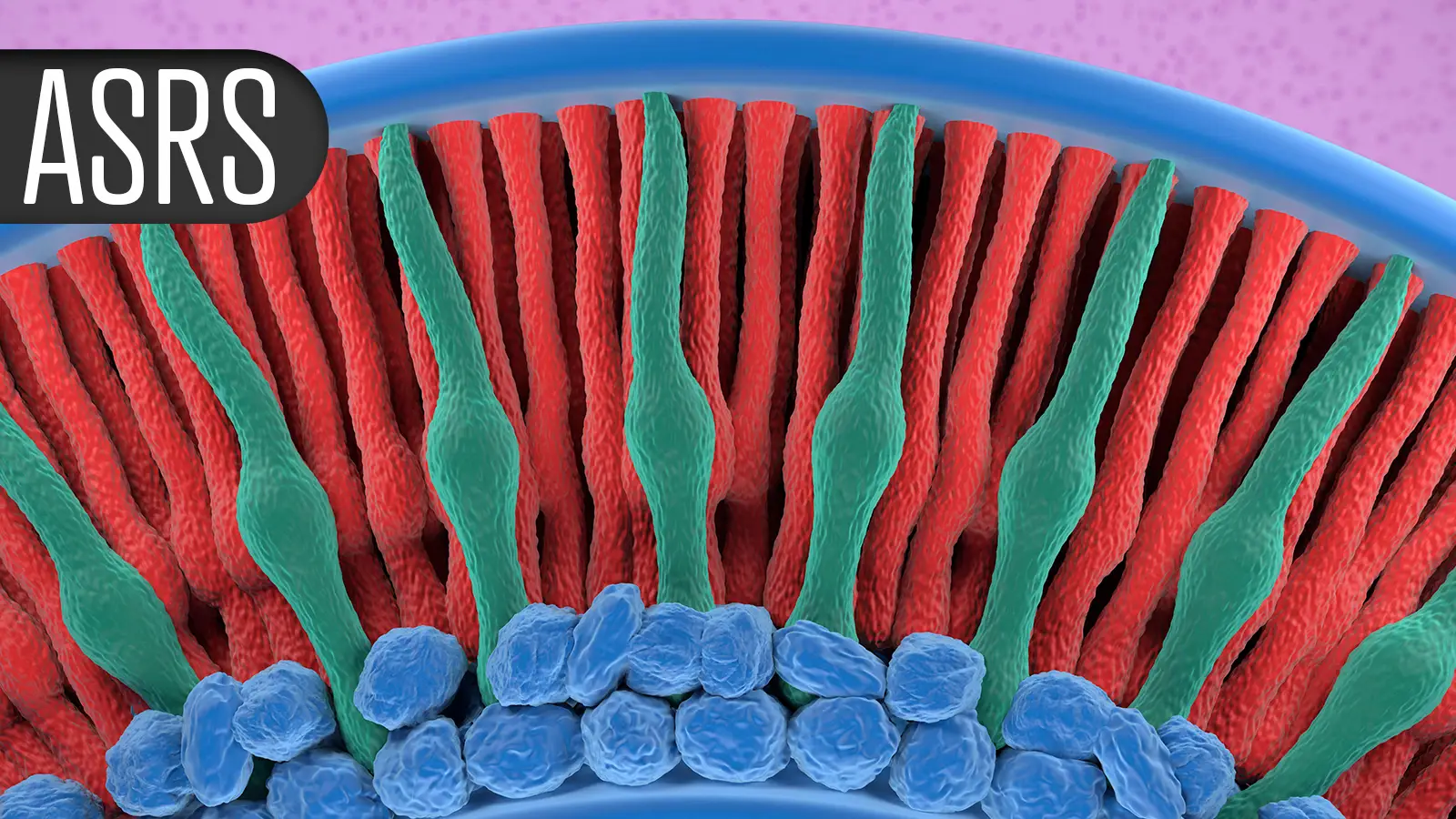
MONTREAL -- A stem cell-derived therapy for advanced geographic atrophy (GA) showed preliminary evidence of vision improvement and retina preservation, according to a small study reported here.
Best corrected visual acuity (BCVA) improved from baseline to 52 weeks with all three dose levels of ASP7317, with the largest improvement with the mid-level dose (9.08 letters). BCVA declined in the fellow eyes of two dosing cohorts and improved in the third but less so than patients who received ASP7317. BCVA had improved at 26 weeks in all three groups, and improvement was maintained during an additional 26 weeks of follow-up, although mean improvement decreased in the low-dose group.
GA area size remained stable, and optical coherence tomography (OCT) detected signs of retinal preservation, including increased retinal pigment epithelium-Bruch's membrane (RPE-BM) thickness, reported Vivienne S. Hau, MD, PhD, of Kaiser Permanente Bernard J. Tyson School of Medicine in Pasadena, California, at the American Society of Retina Specialists meeting.
"Most retinal treatments aim to slow down the progression of the disease," Hau said in her introduction to the findings. "What I'm about to talk about is one of the first instances where we can actually repair what has been lost, through human stem cell-derived retinal pigment epithelium therapy."