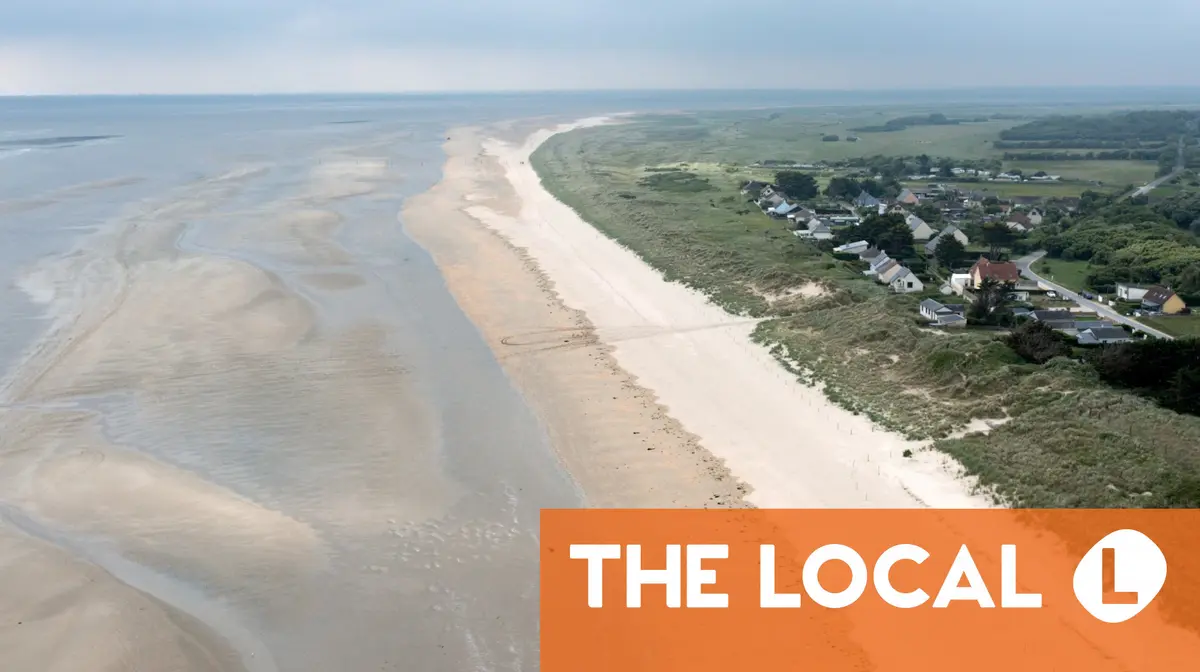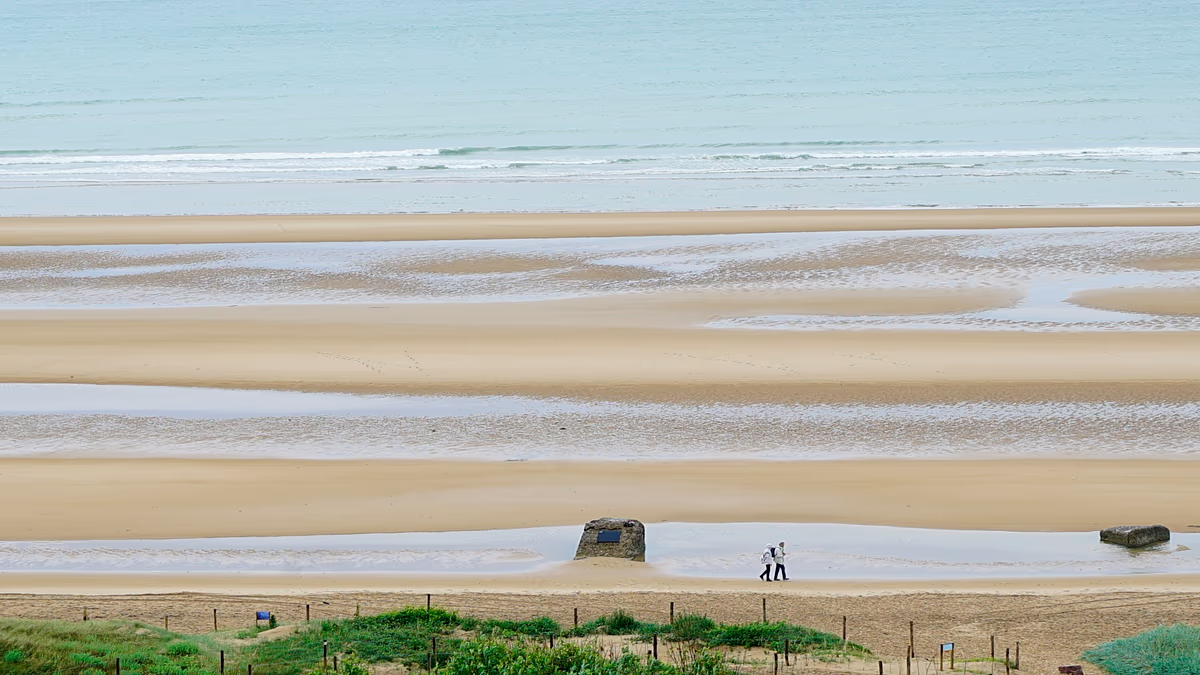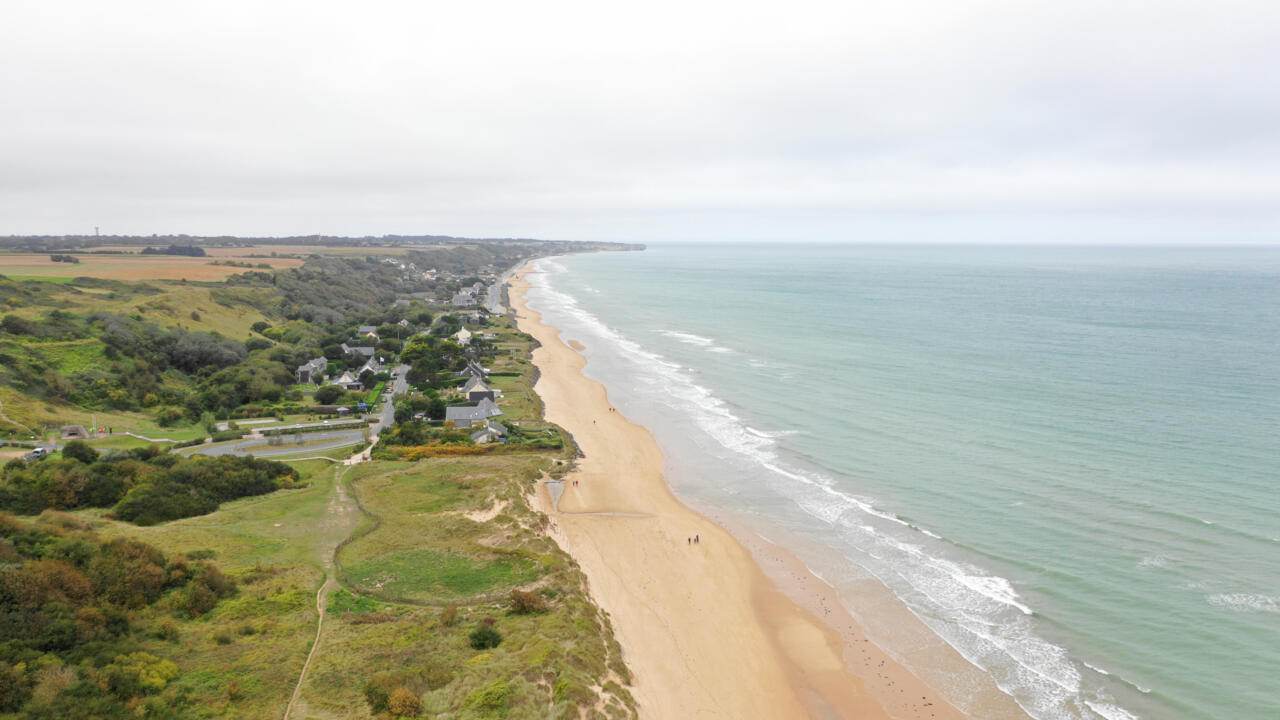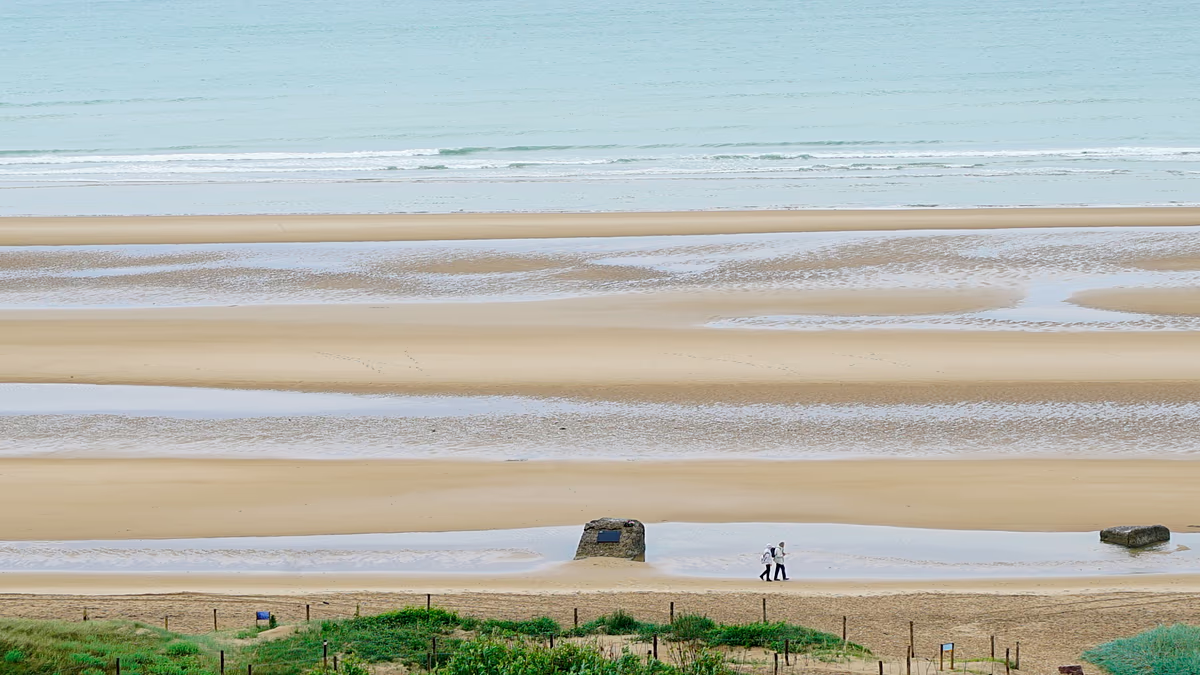
Nearly twenty years after the project was launched, Normandy is on the verge of seeing its bid for UNESCO World Heritage status come to fruition. The United Nations body is due to announce its decision between 24 and 27 July, at the 48th session of the World Heritage Committee in Busan, South Korea.
If the application is approved, the D-Day landing beaches will join the 54 French sites already inscribed on the UNESCO World Heritage List, alongside Mont-Saint-Michel, the Palace of Versailles and Chartres Cathedral. The designation is reserved for sites considered to have ‘outstanding universal value’ and requires states to ensure their protection.
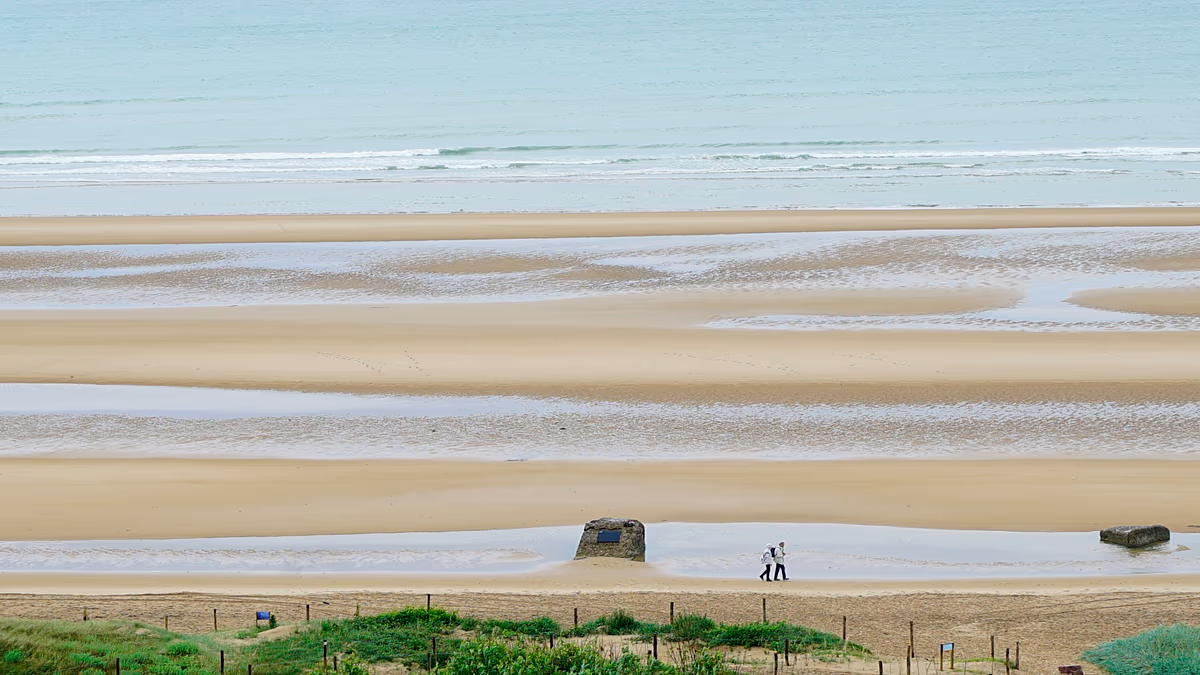
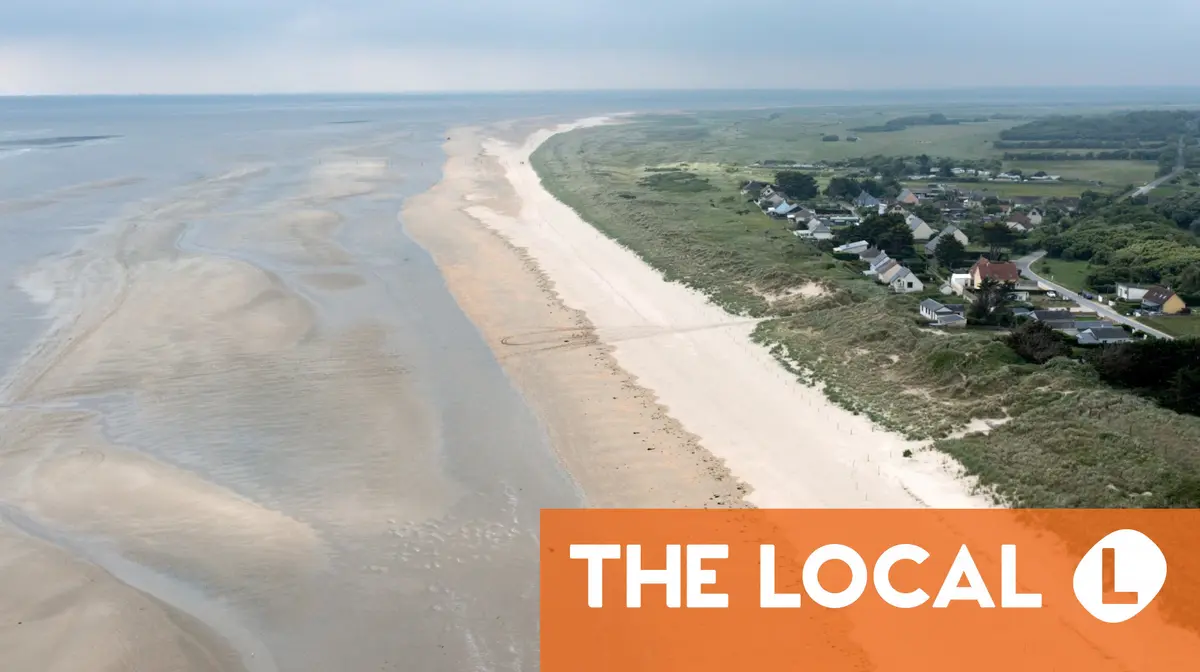
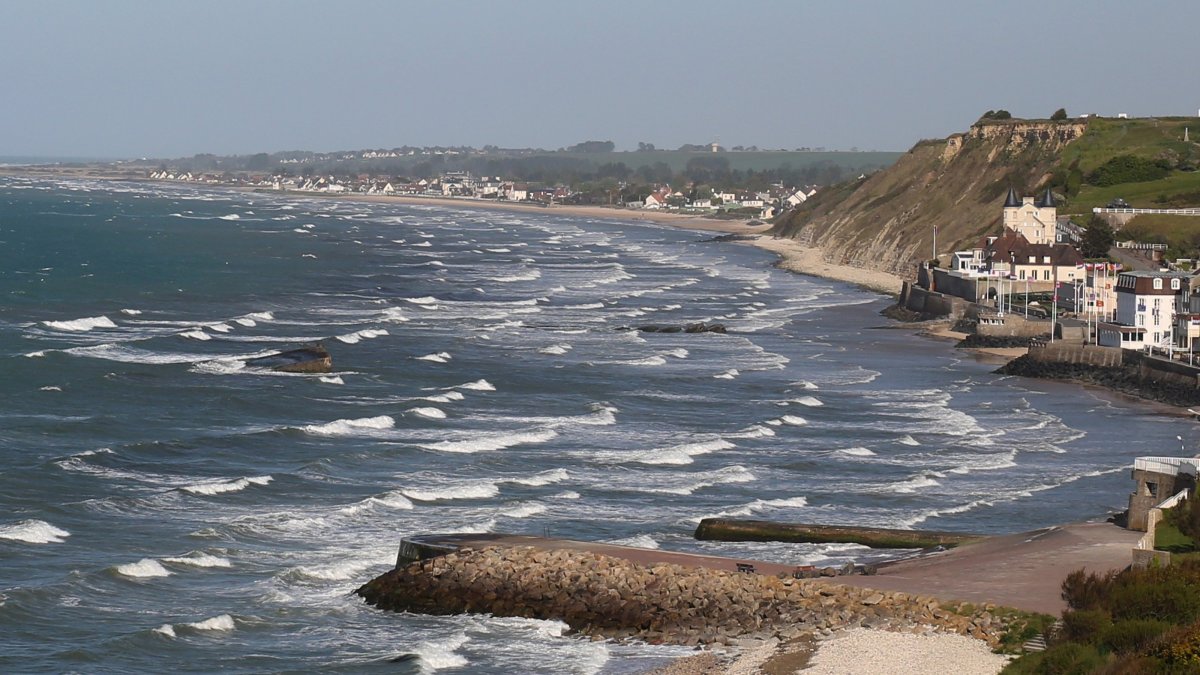
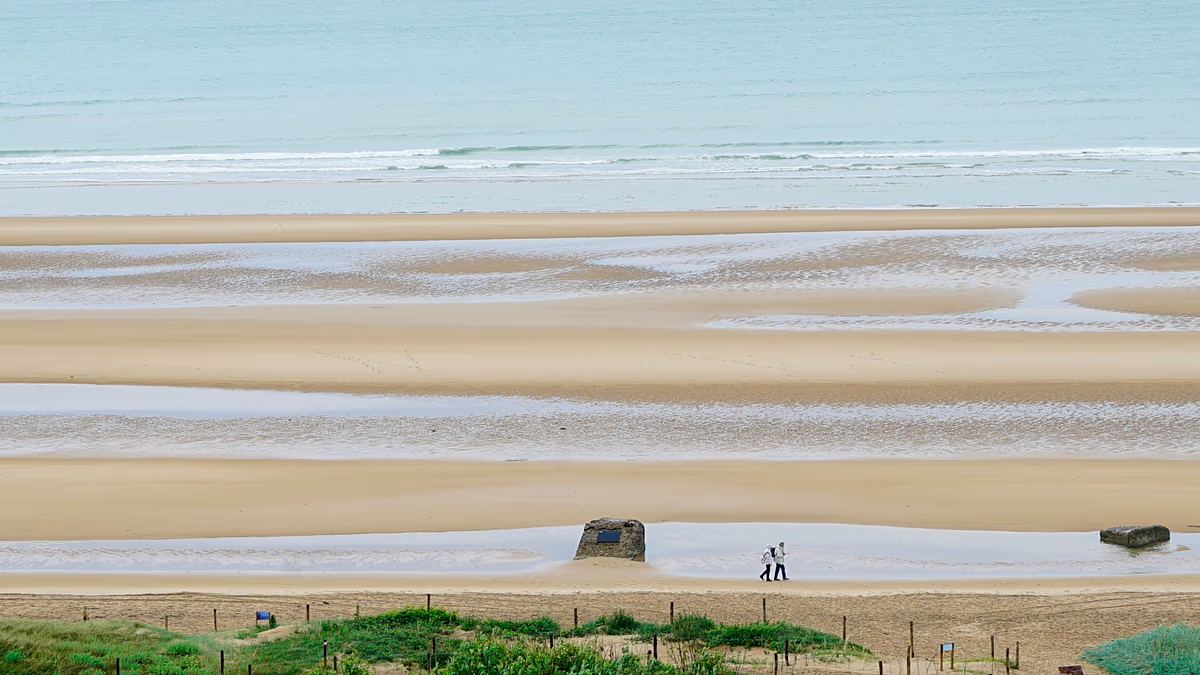
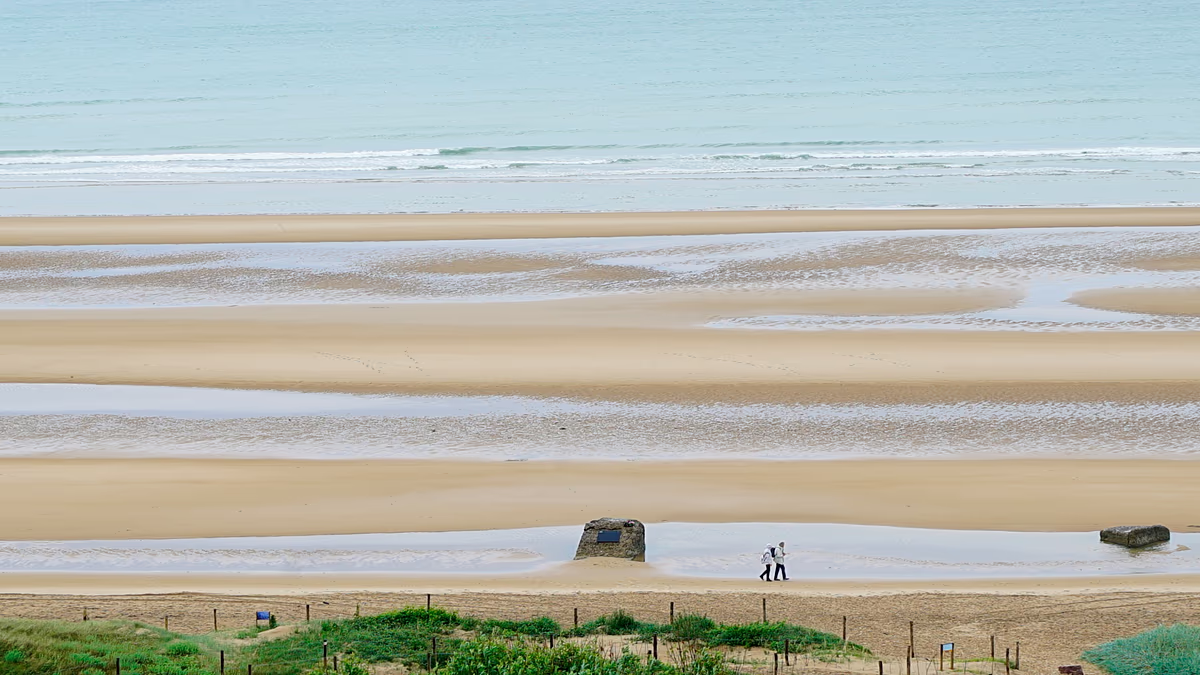
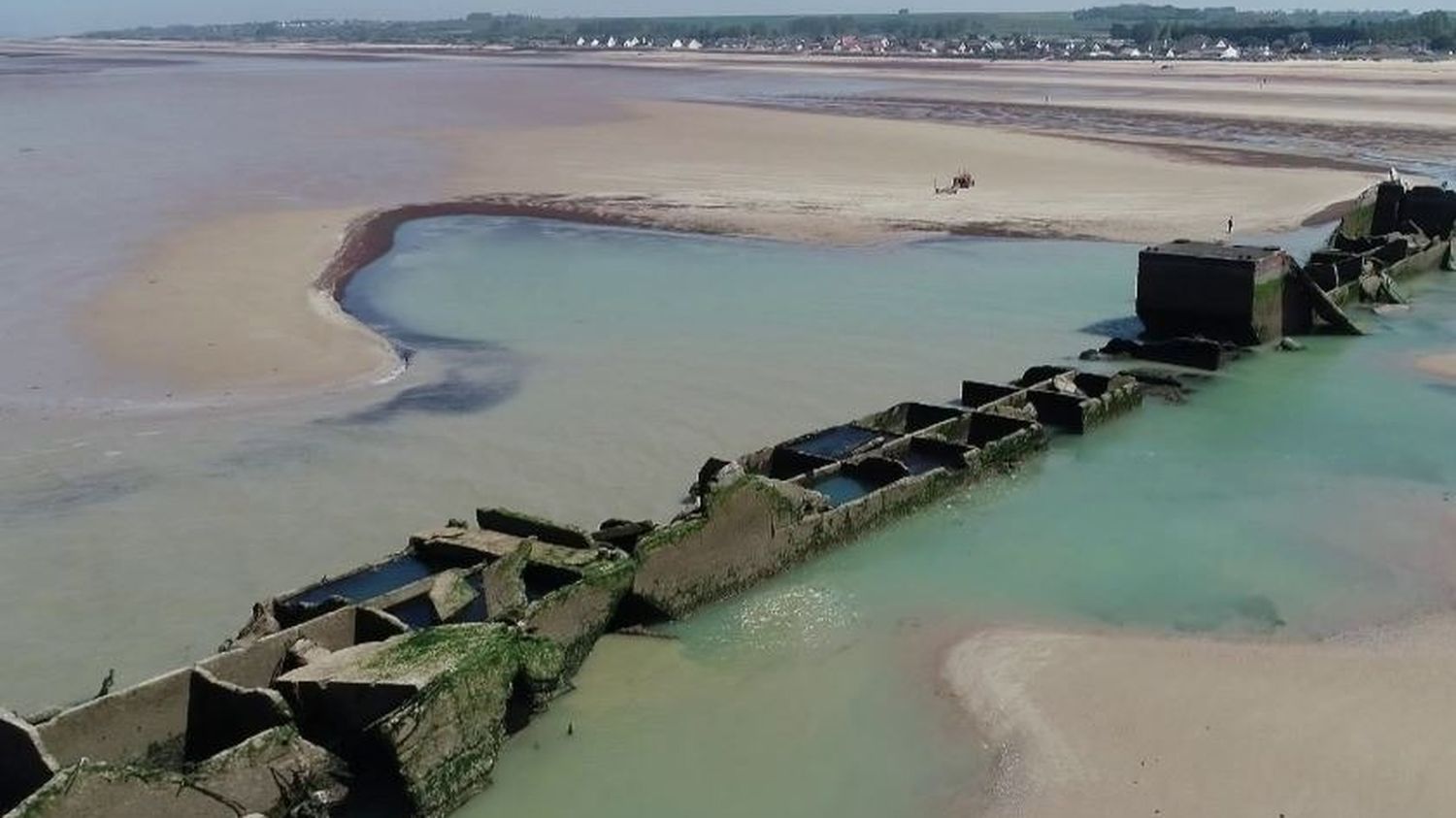
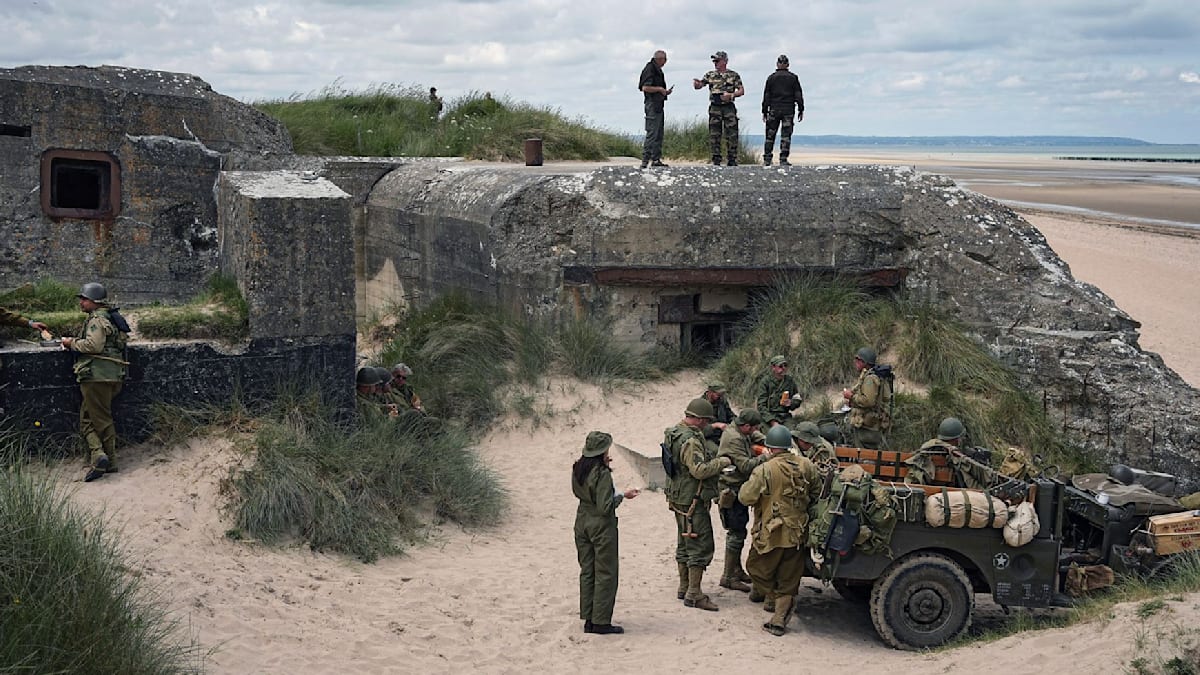
The listing would cover the five historic Allied landing beaches of 6 June 1944, Utah, Omaha, Gold, Juno and Sword, as well as several emblematic sites such as Pointe du Hoc, the German battery at Longues-sur-Mer, the artificial harbour at Arromanches, and numerous military cemeteries and memorials.
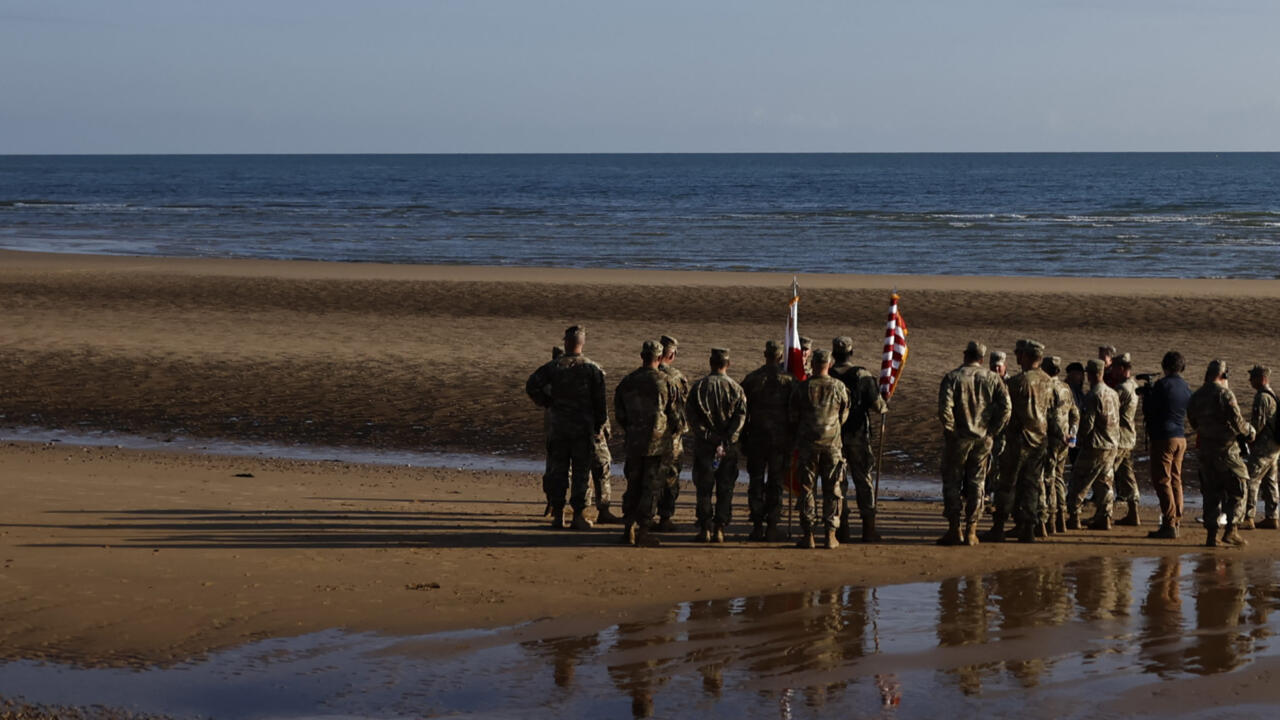
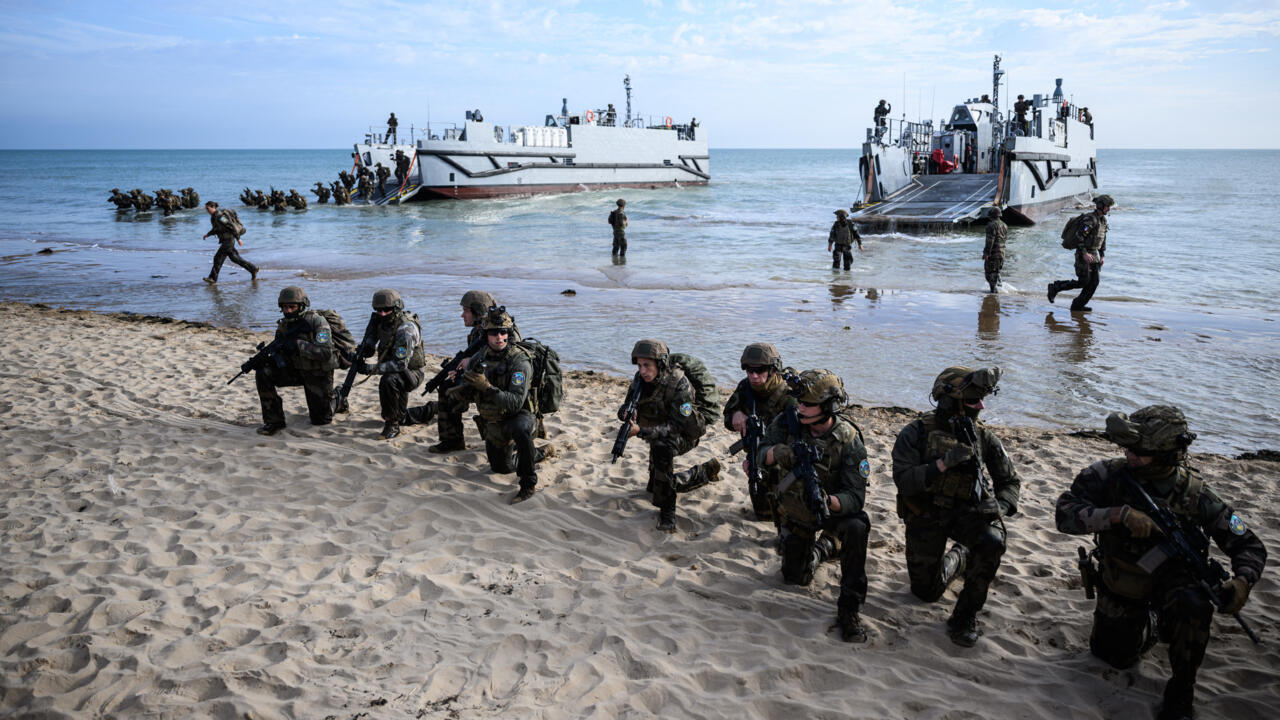
On 6 June 1944, more than 150,000 Allied soldiers, mainly Americans, Britons and Canadians, landed on the Normandy coast in the largest amphibious operation in history. Over 4,000 of them lost their lives on that single day, which proved decisive in the liberation of Europe from Nazi occupation.