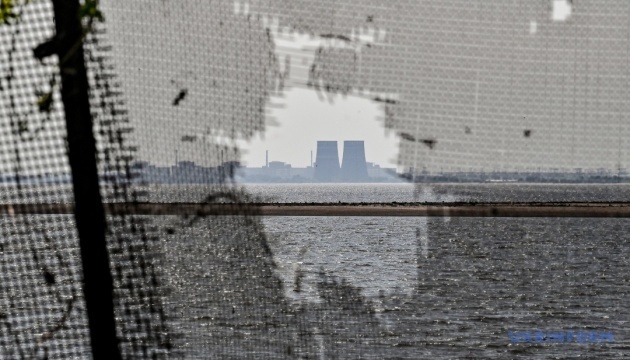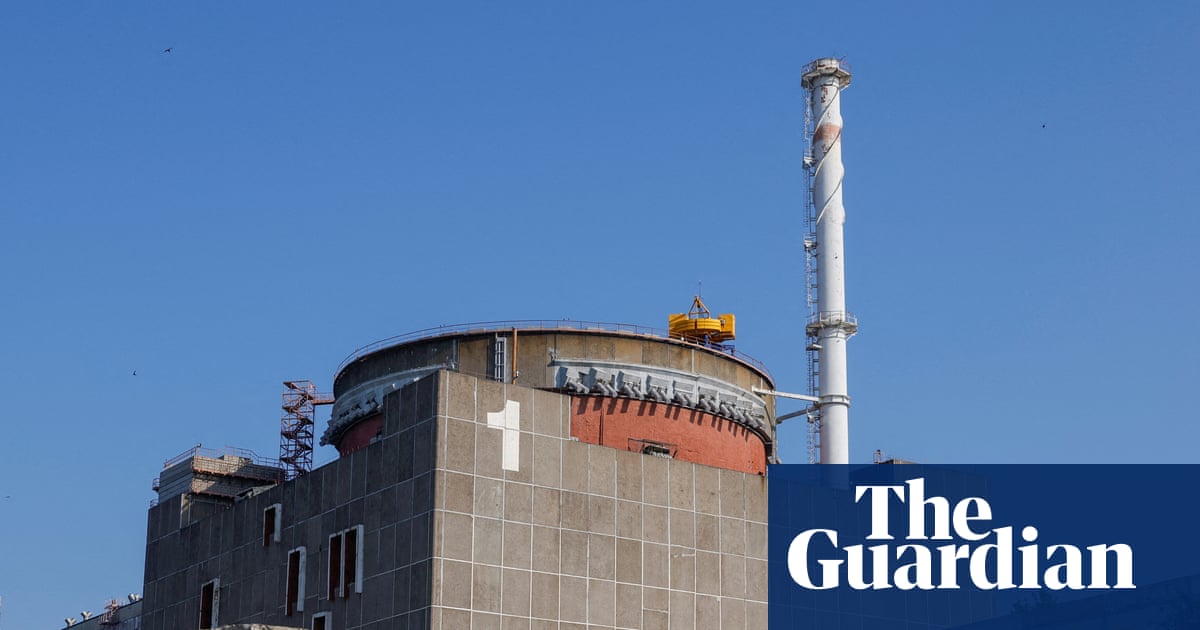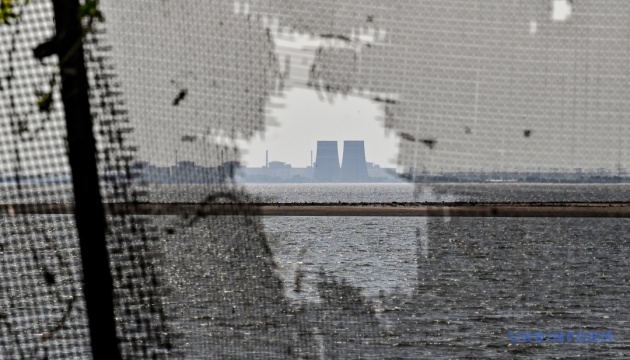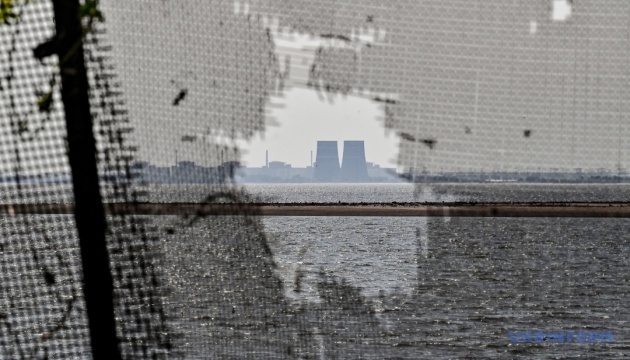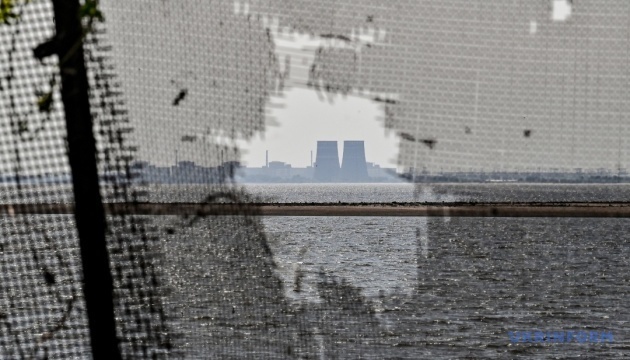
Satellite imagery has revealed another Russian attempt to connect the occupied Zaporizhzhia Nuclear Power Plant (ZNPP) to the power grid of the temporarily occupied territories and Russia's energy system. According to Greenpeace Ukraine, the plan was disrupted by Ukrainian drone strikes.
The international environmental organization Greenpeace Ukraine stated this on its website, according to Ukrinform.
"Satellite imagery has revealed Russia's construction of a new electricity transmission line along the M18 'Highway of Death,' linking Mariupol to Henichesk. The new infrastructure forms a critical part of Moscow's plan to connect the temporarily occupied Zaporizhzhia Nuclear Power Plant (ZNPP) to the temporarily occupied territories, including Crimea, and the Russian power grid. The project highlights the Kremlin's plans to permanently integrate the occupied plant into Russia's energy system. Greenpeace Ukraine's analysis, however, is that the overall Russian project is increasingly unlikely to succeed and must be stopped to reduce nuclear risks," the statement said.
According to the report, Greenpeace Ukraine's new analysis is based on high-resolution satellite images obtained between January and July 2026. It documents the construction of a new high-voltage power line along the M18 highway between the temporarily occupied city of Melitopol in Zaporizhzhia region and Henichesk in the temporarily occupied part of Kherson region. Construction of this line, which was intended to be part of Russia's efforts to reconnect the occupied Zaporizhzhia NPP to the Russian energy system, was nearly completed in May, but was disrupted by repeated Ukrainian drone strikes, including an attack on a substation in Henichesk in early July.