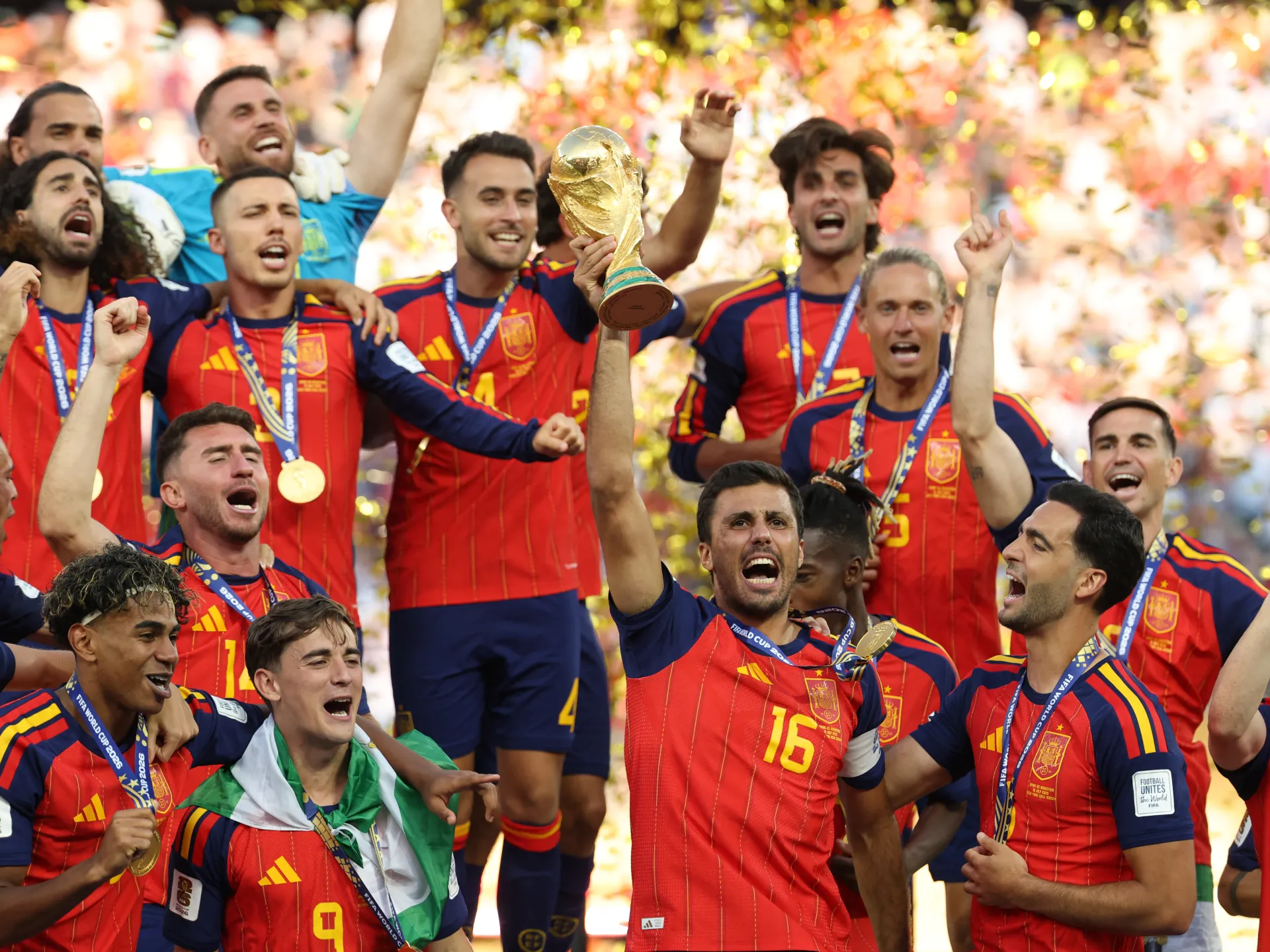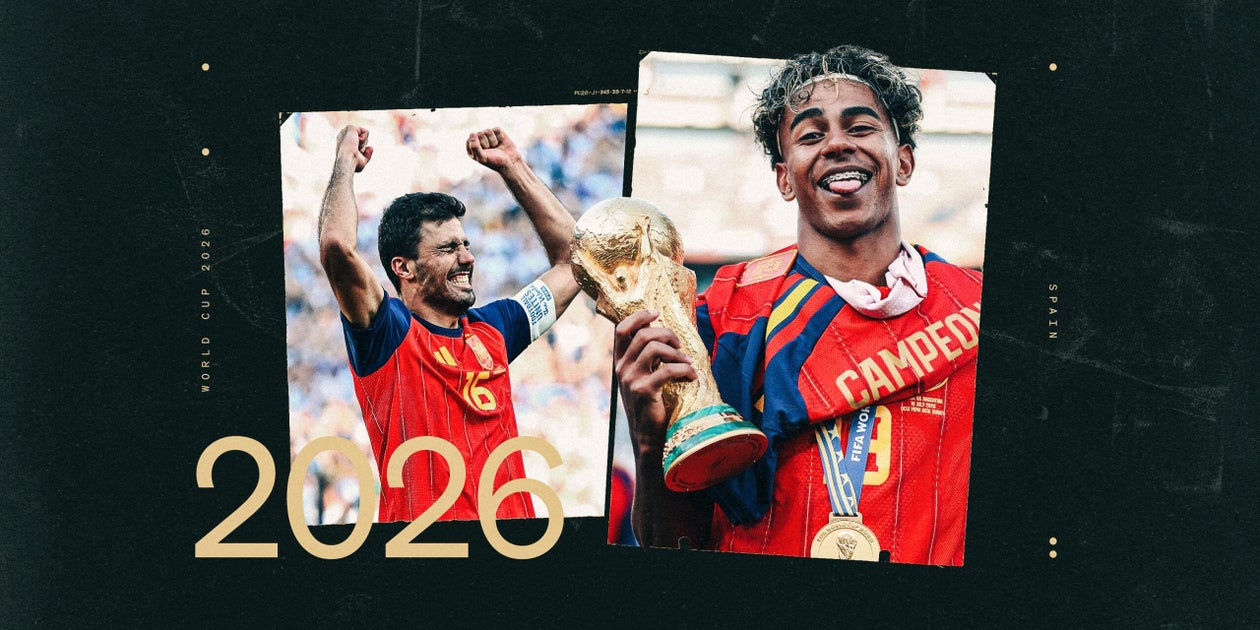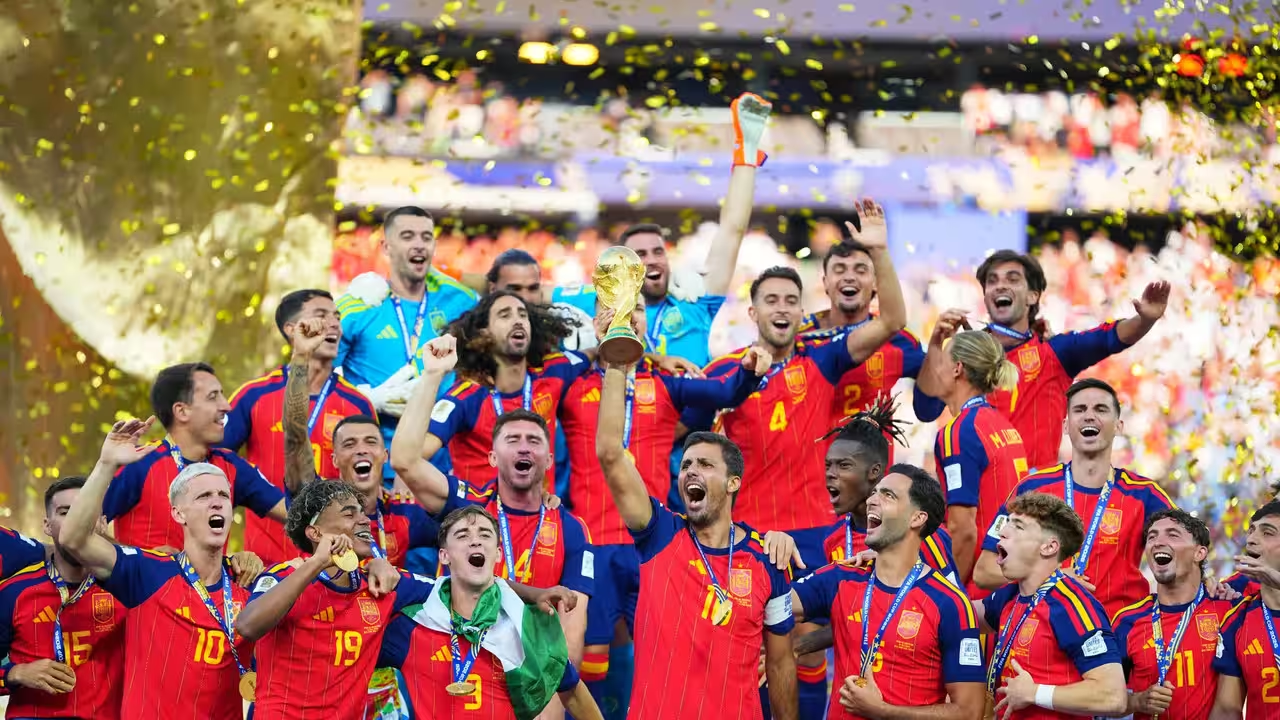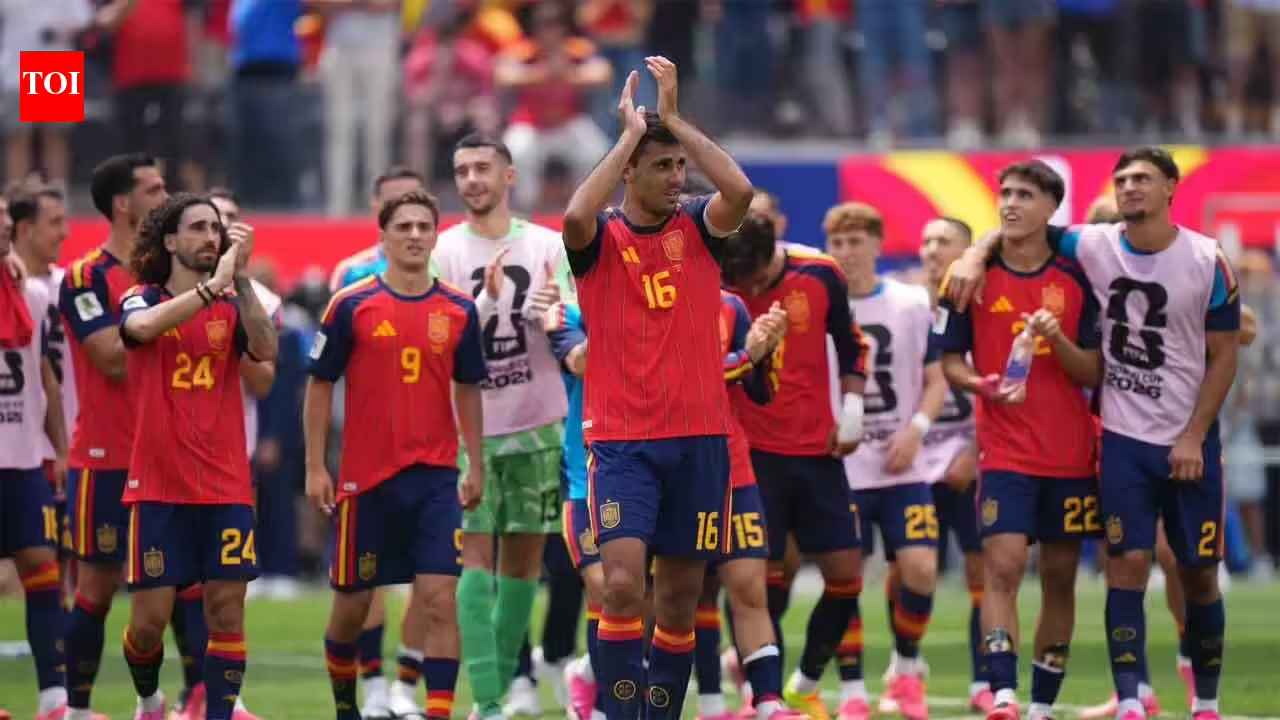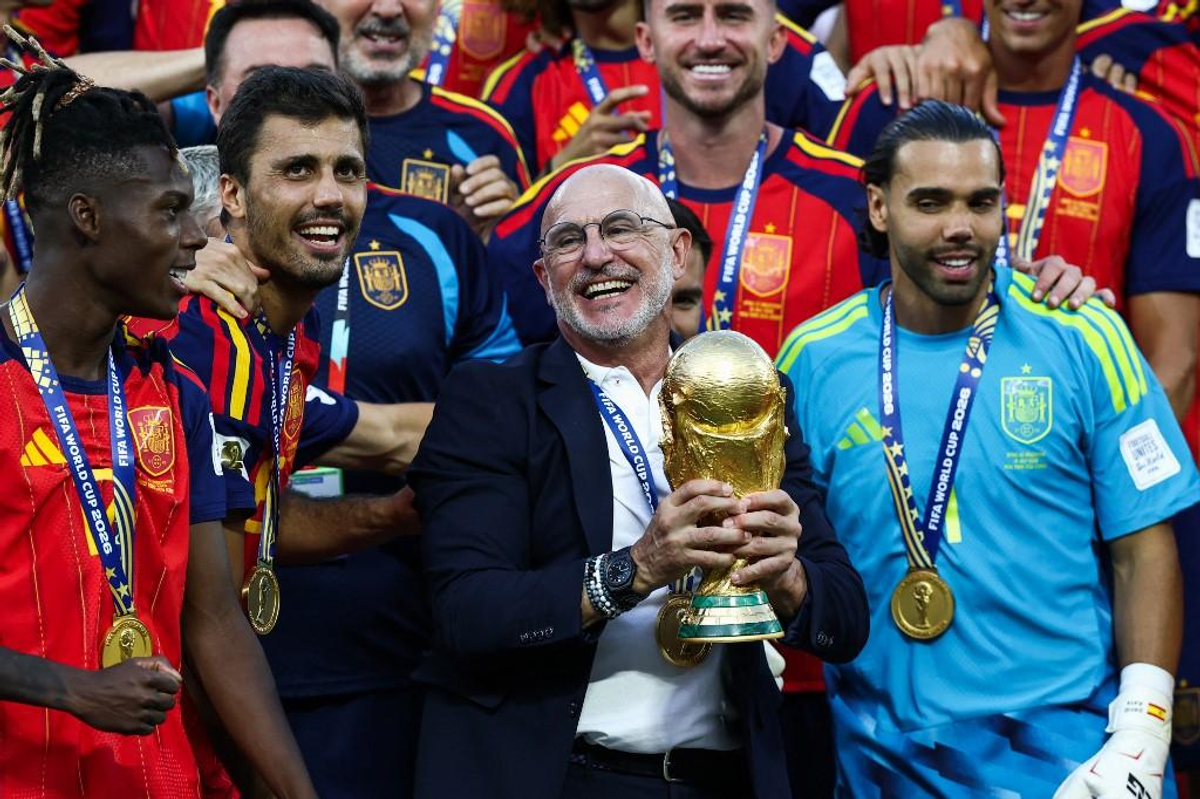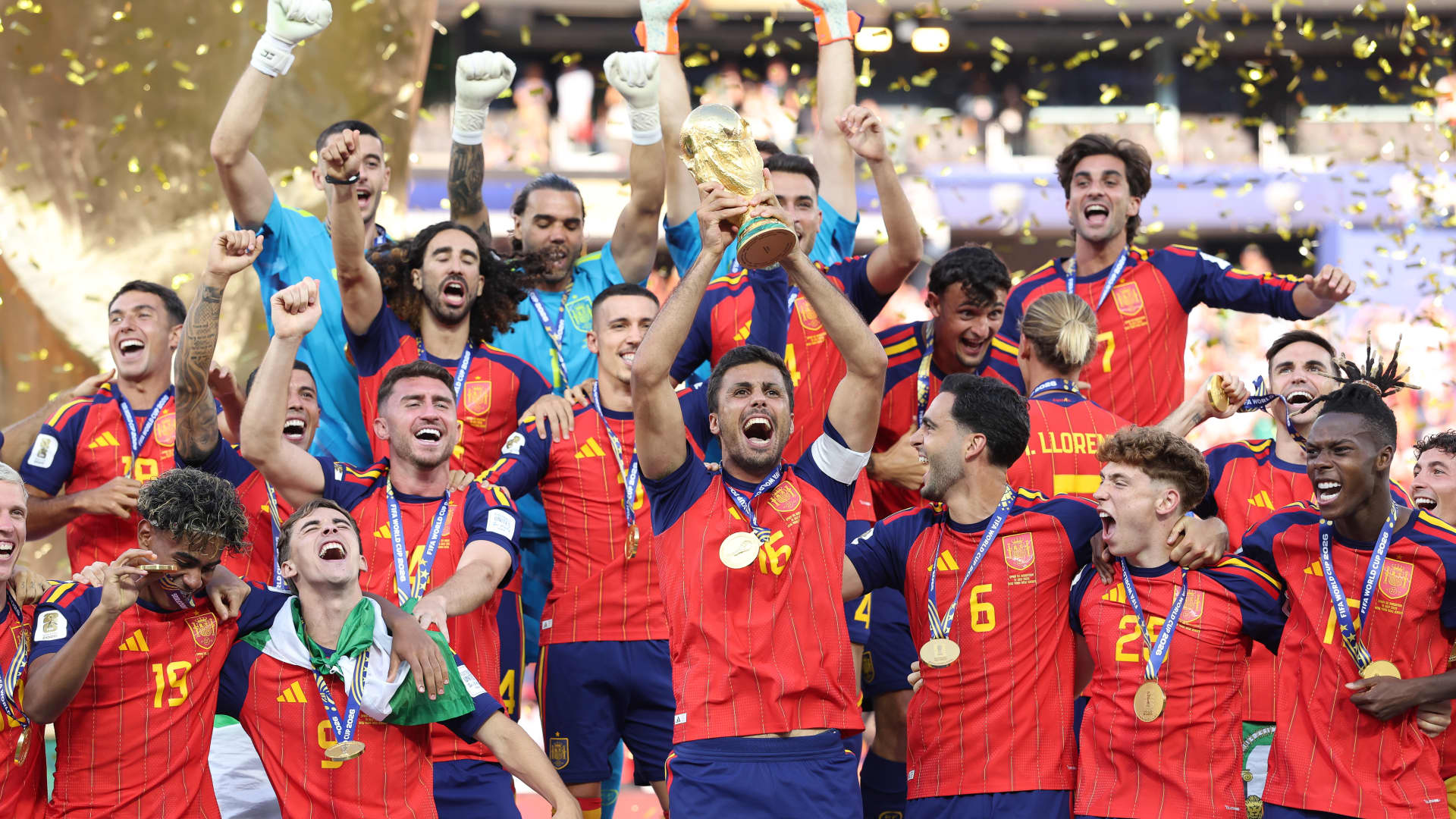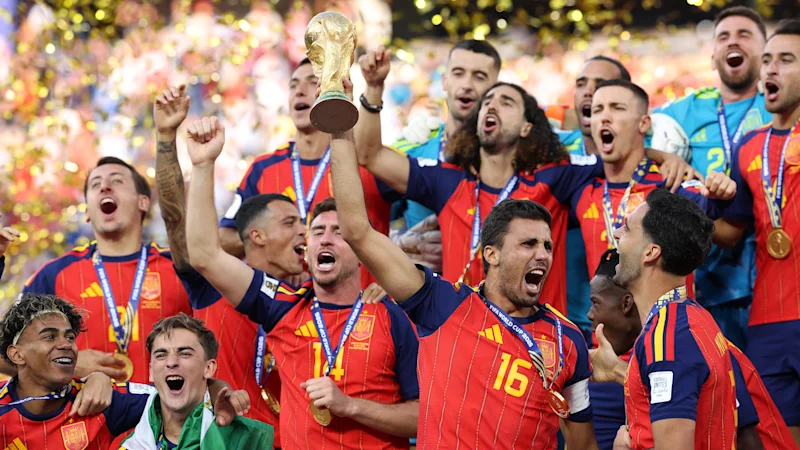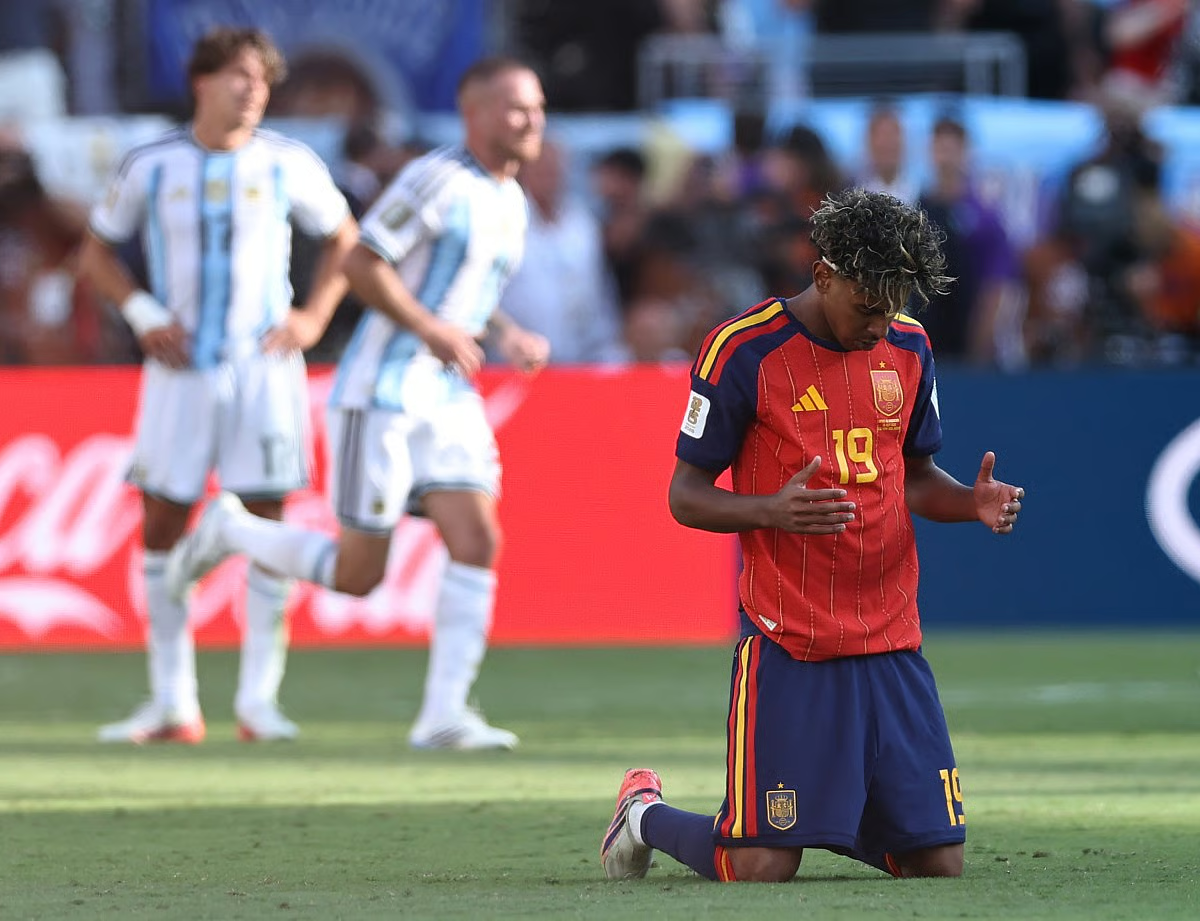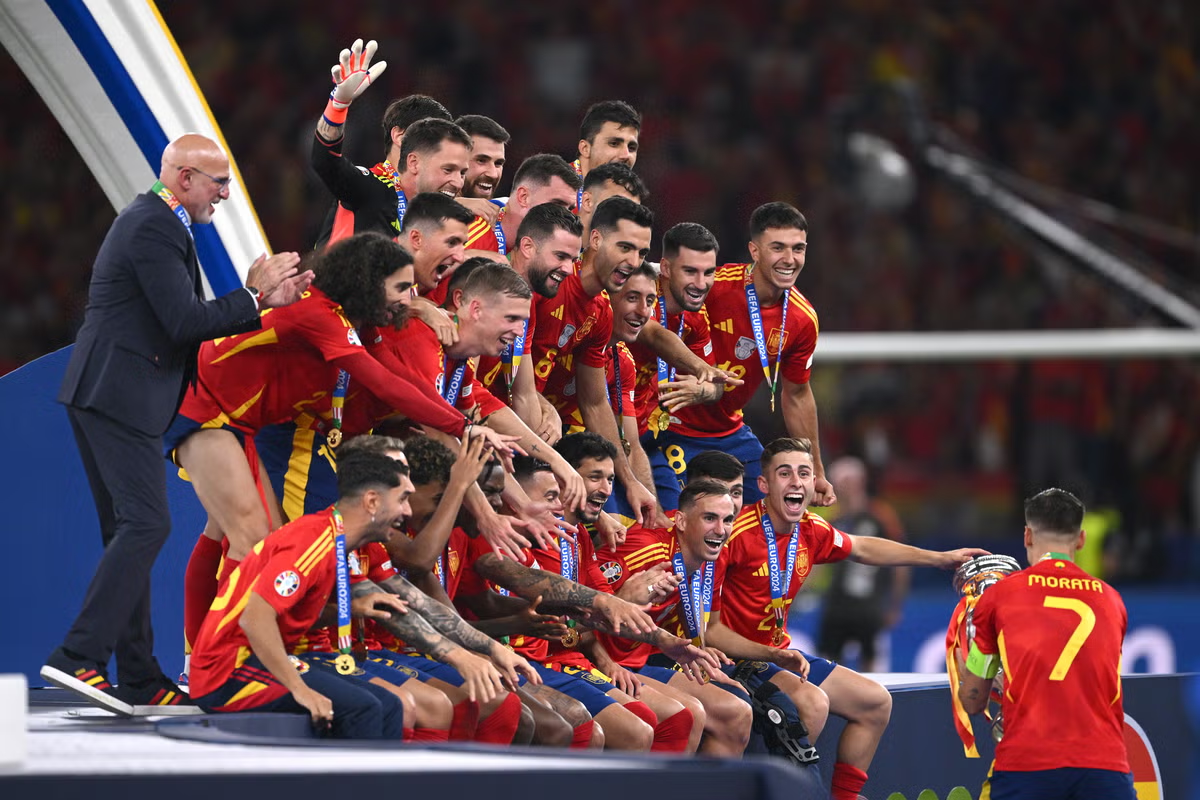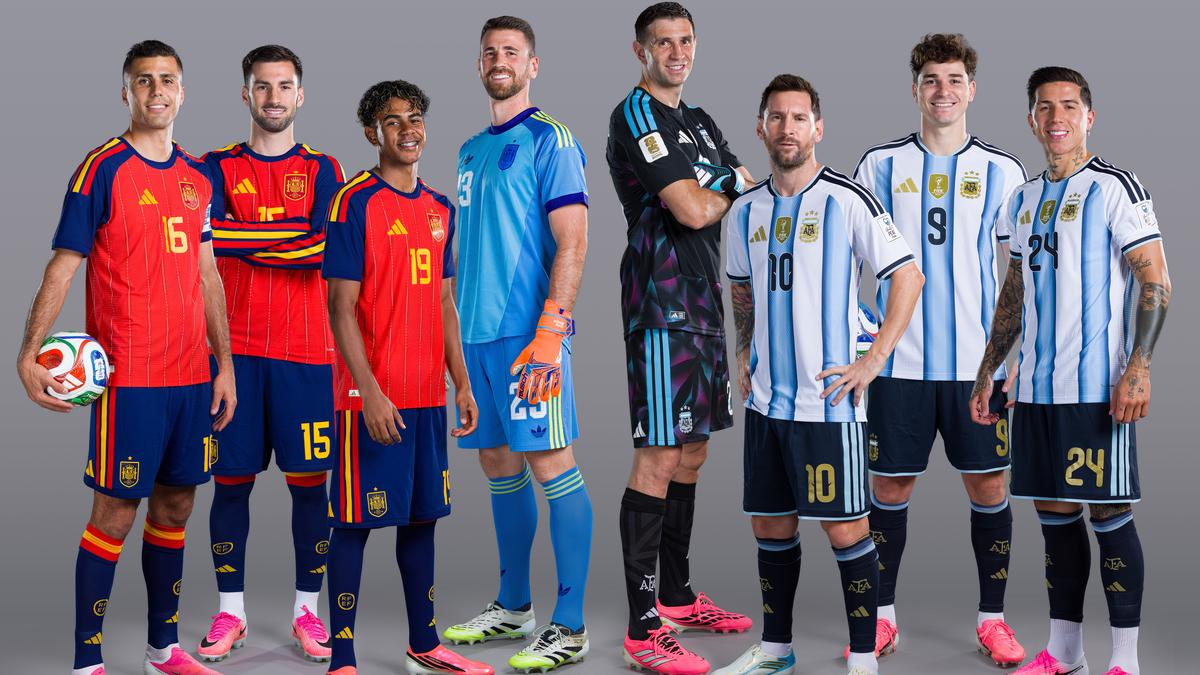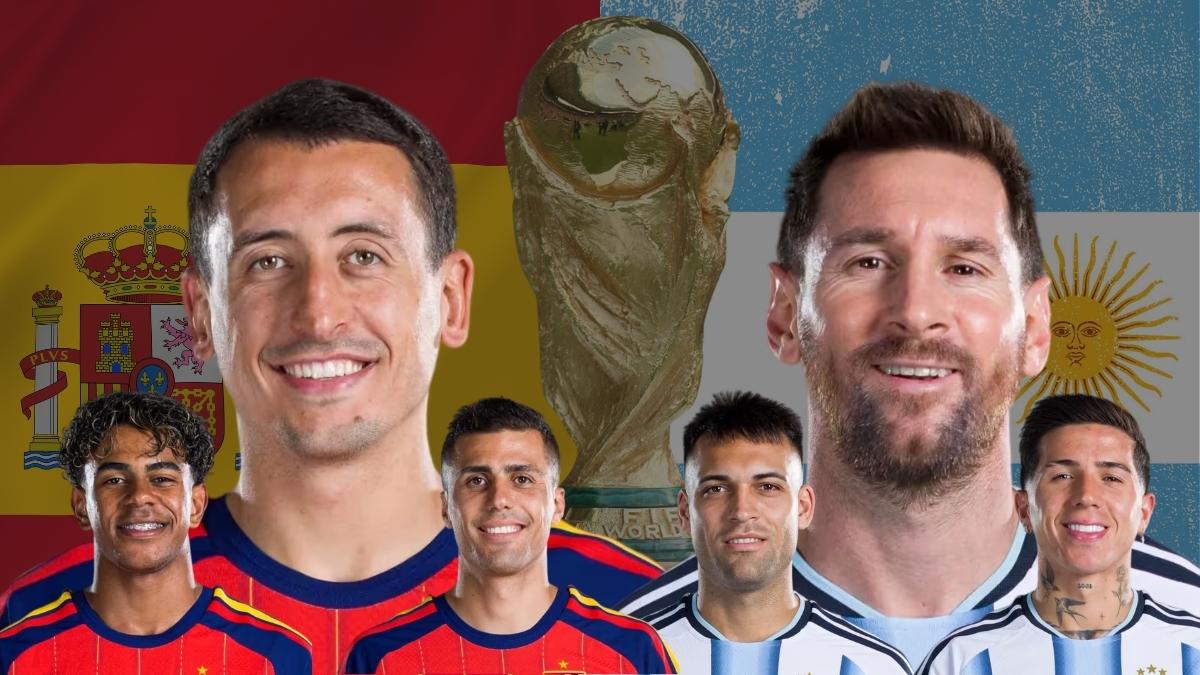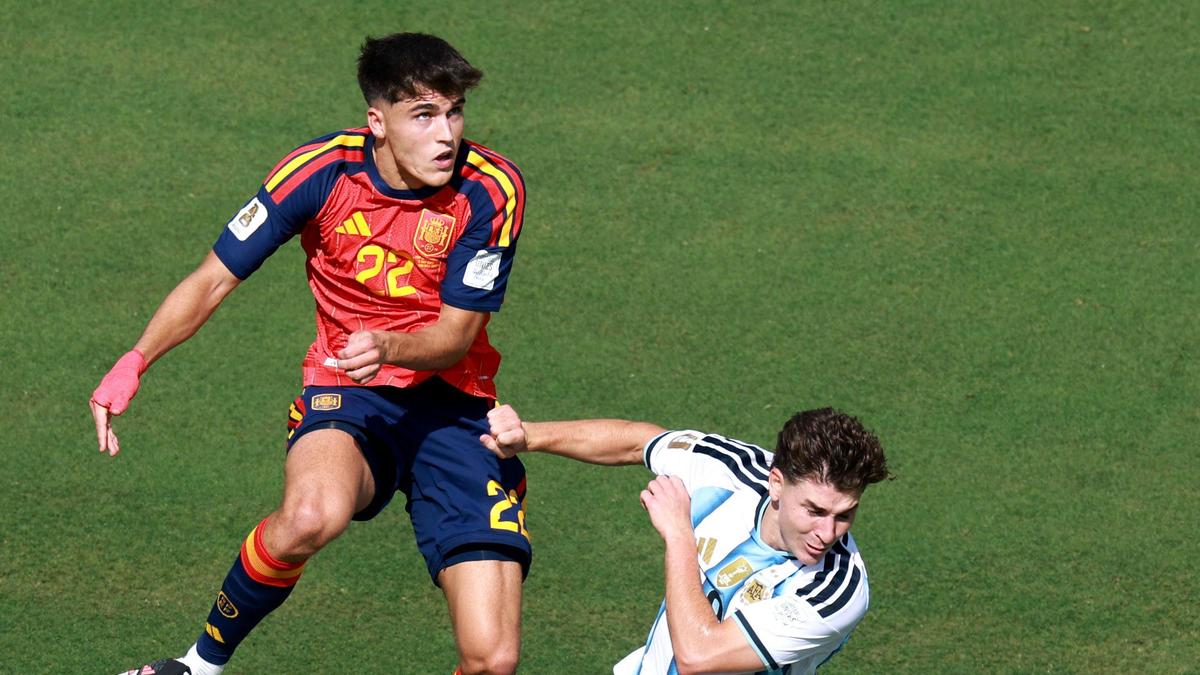
Argentina had won its previous three major tournaments — two Copa Americas on either side of the 2022 FIFA World Cup. It had not lost a knockout duel since the 2019 Copa America. It had made fighting back from the brink look like clockwork. It had Lionel Messi, the greatest player of this generation and arguably of all time, in its midst.France had finished runner-up in the previous World Cup, and roared with unbridled joy in the edition prior to that. It had the most dazzling array of attacking players in Kylian Mbappe, Michael Olise and Ousmane Dembele.Yet, when they met Spain at the business end of the just-concluded quadrennial spectacle in the United States, Canada and Mexico, neither seemed to turn up. Or more accurately, they were not allowed to turn up.ALSO READ: FIFA World Cup 2026: A grand spectacle despite its share of controversiesSuch was the dominance of the Spaniards in North America as they capped off a near-flawless campaign — remarkably, the goalless draw against Cape Verde in their opener was the only stutter in the entire tournament — with a 1-0 win over Argentina in the final to lift their second World Cup.Much like the incandescent march to the title by an elite group of players in 2010, many of whom were in the stands at the New York New Jersey Stadium on Sunday afternoon to watch their countrymen thoroughly outclass Messi’s troops, the Iberian nation’s latest conquest on the grand stage is not merely a victory on the field of play. It is also a renewed vindication of an idea and identity that is rooted in a deep affiliation for keeping the ball.
FIFA World Cup 2026 | Spain refines its style, rekindles winning spree
Spain's revamped tiki-taka style secures a historic FIFA World Cup 2026 victory, marking a new era in football dominance.
1,784 words~8 min read