Nigeria’s long-standing paradox of sitting on Africa’s largest proven natural gas reserves while millions of homes and businesses grapple with inadequate energy supply may be edging towards a structural shift following a landmark decision by West African leaders to move the Nigeria-Morocco Gas Pipeline from years of planning to implementation.
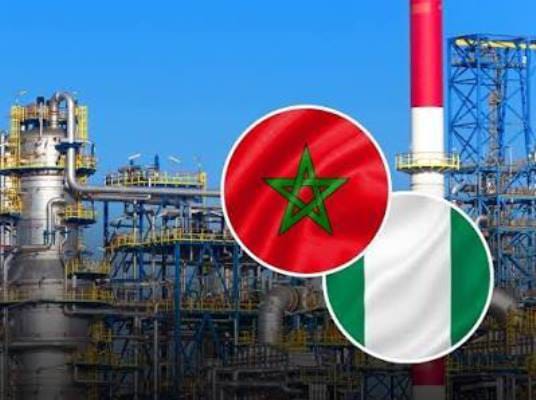
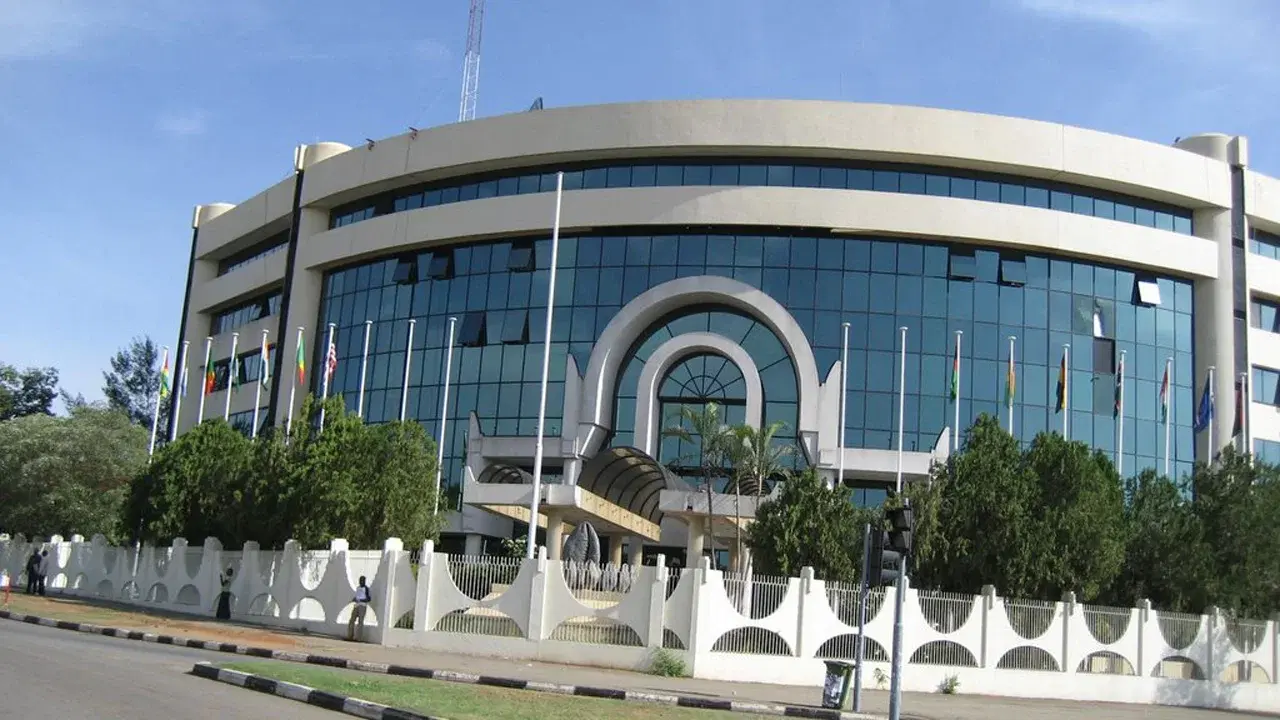
The breakthrough came at the 69th Ordinary Session of the Authority of Heads of State and Government of the Economic Community of West African States (ECOWAS) in Lungi, Sierra Leone, where member states signed the Intergovernmental Agreement (IGA) for the $27 billion African Atlantic Gas Pipeline (AAGP), providing the legal and sovereign framework for one of Africa’s largest cross-border energy infrastructure projects.
Beyond its significance as a transnational gas pipeline, industry experts say the agreement could reshape energy security across Nigeria, particularly in the northern states, improve electricity supply, deepen regional integration and establish a strategic energy corridor linking West Africa, the Sahel, Morocco and Europe.
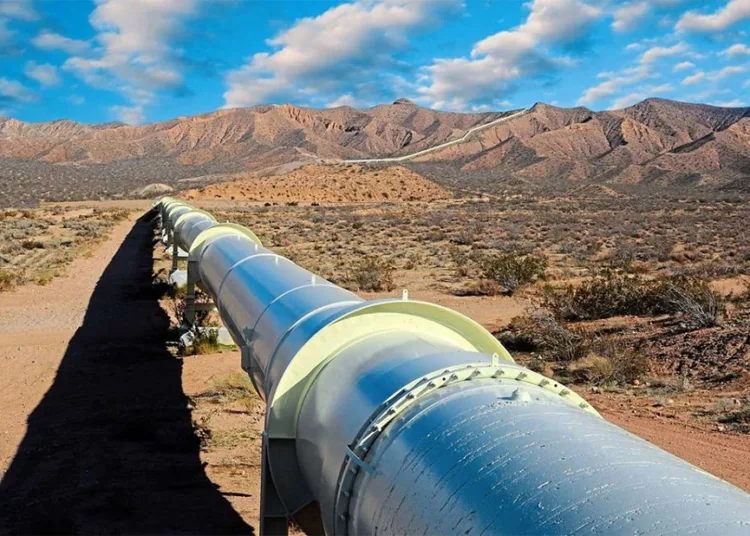
The nearly 6,900-kilometre pipeline is designed to transport up to 30 billion cubic metres (bcm) of natural gas annually from Nigeria through 13 Atlantic coastal countries to Morocco before connecting with the Maghreb-Europe Gas Pipeline.