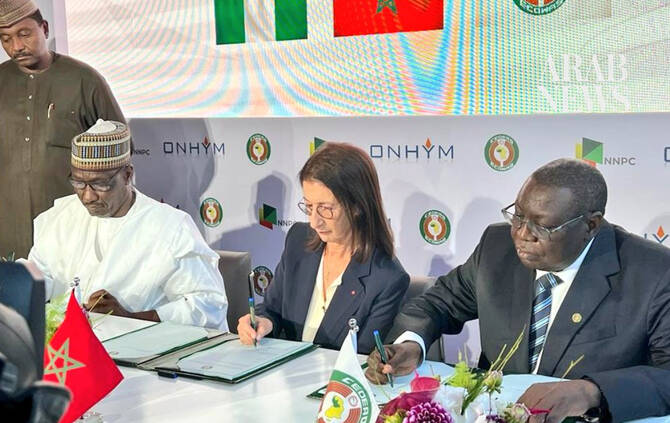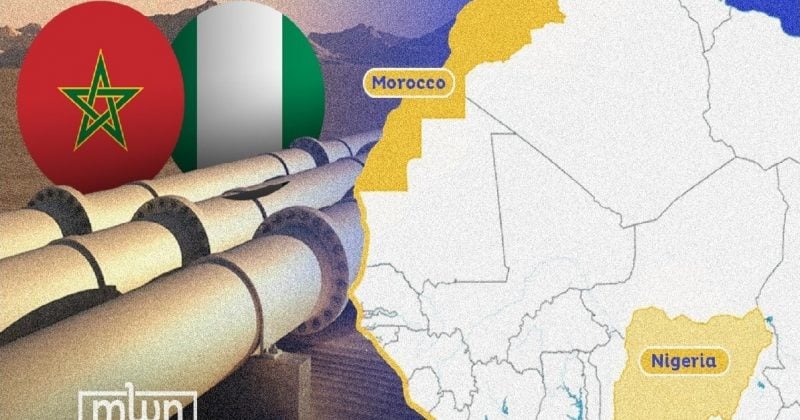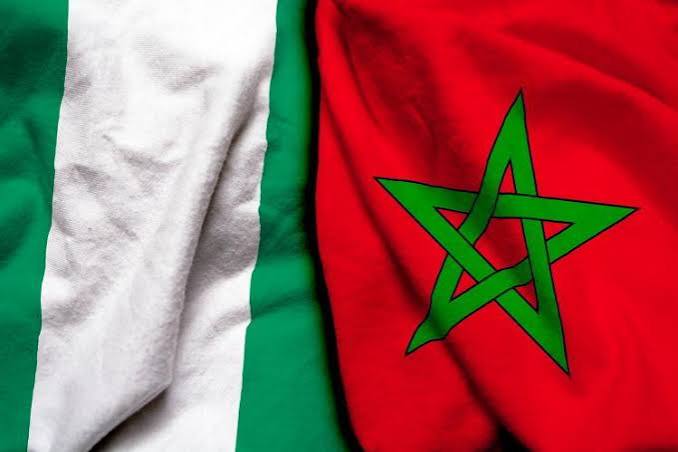
West African leaders on July 19, 2026, signed an ECOWAS agreement approving the construction of a gas pipeline linking Nigeria to Morocco during a summit held in Freetown, Sierra Leone.
The heads of state and government officially backed the development of the $25 billion energy infrastructure. The agreement sets up the legal and regulatory rules needed to move the pipeline project into its next stage.
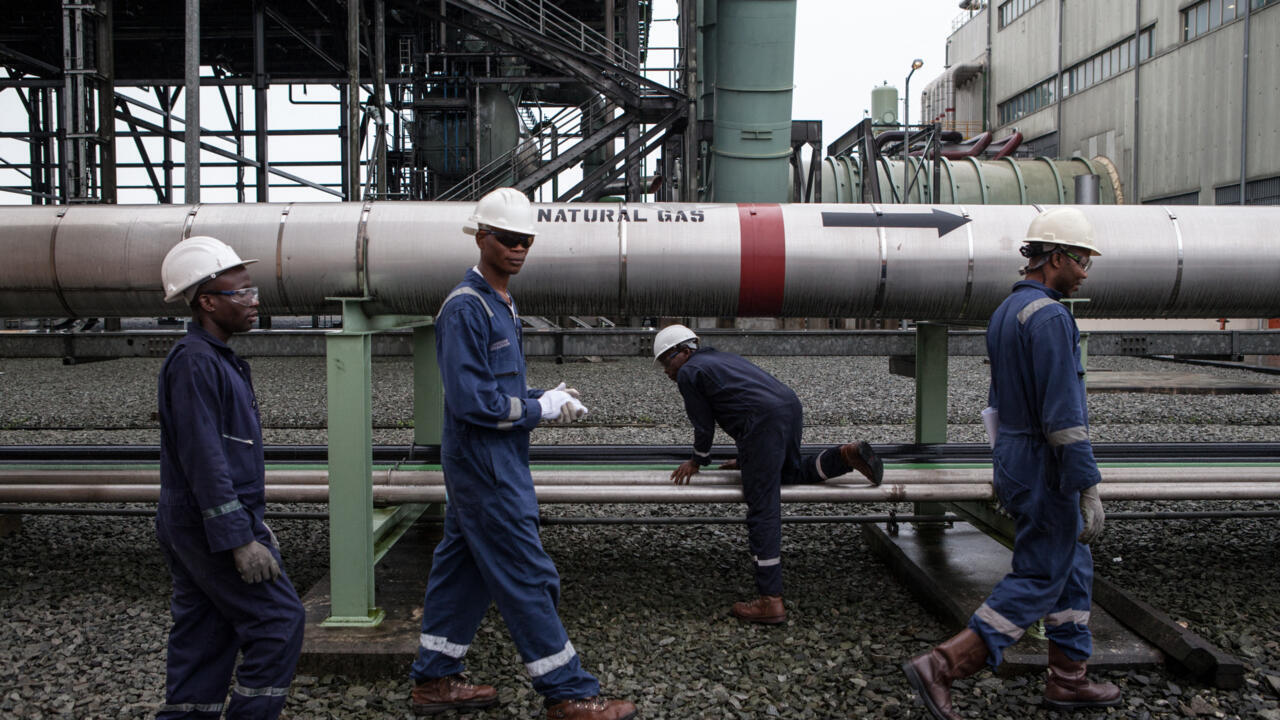
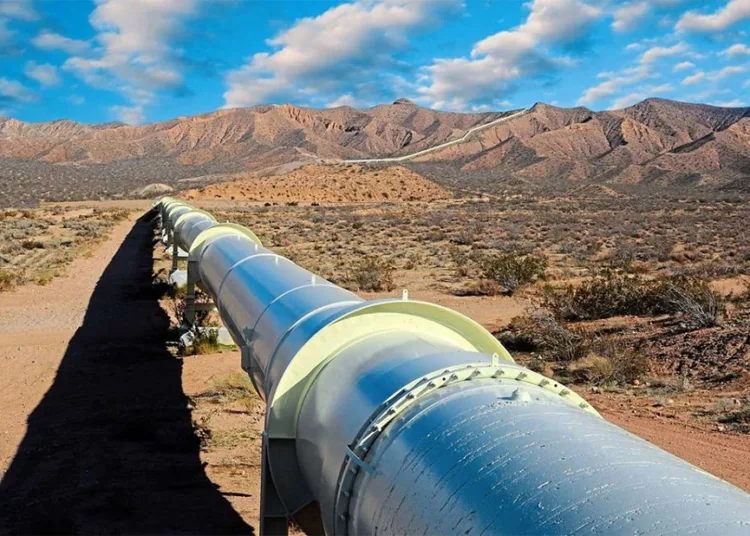
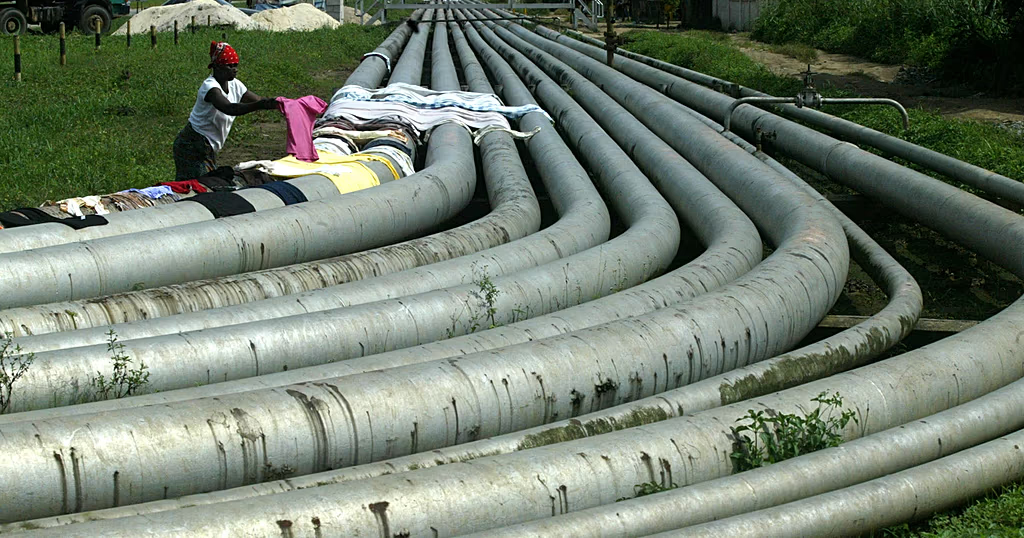
The megaproject spans roughly 6,000 kilometers along Africa's Atlantic coast and is designed to transport natural gas through 13 coastal countries.
It will carry gas from Nigeria up to Morocco, where it will eventually connect to the Maghreb-Europe gas pipeline network to supply European markets while also serving the domestic energy needs of the West African subregion.
The system is expected to have a total annual transport capacity of 30 billion cubic meters of natural gas, with up to 15 billion cubic meters earmarked for export markets.