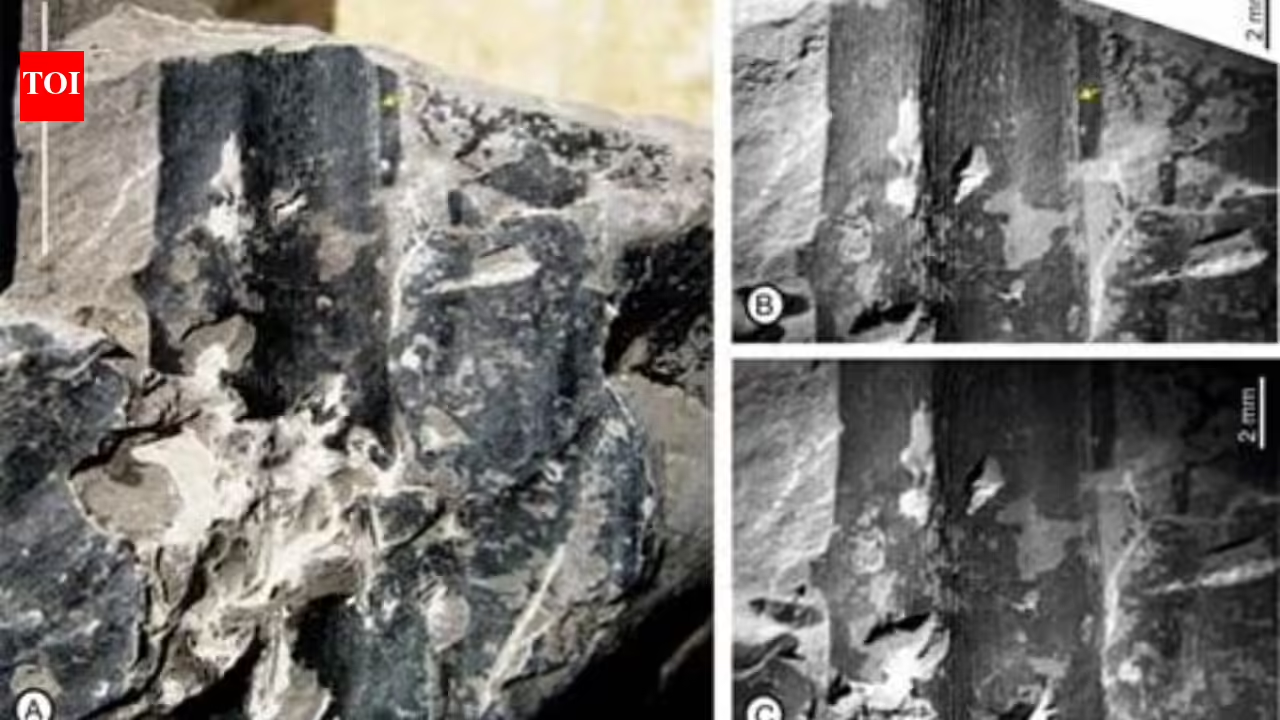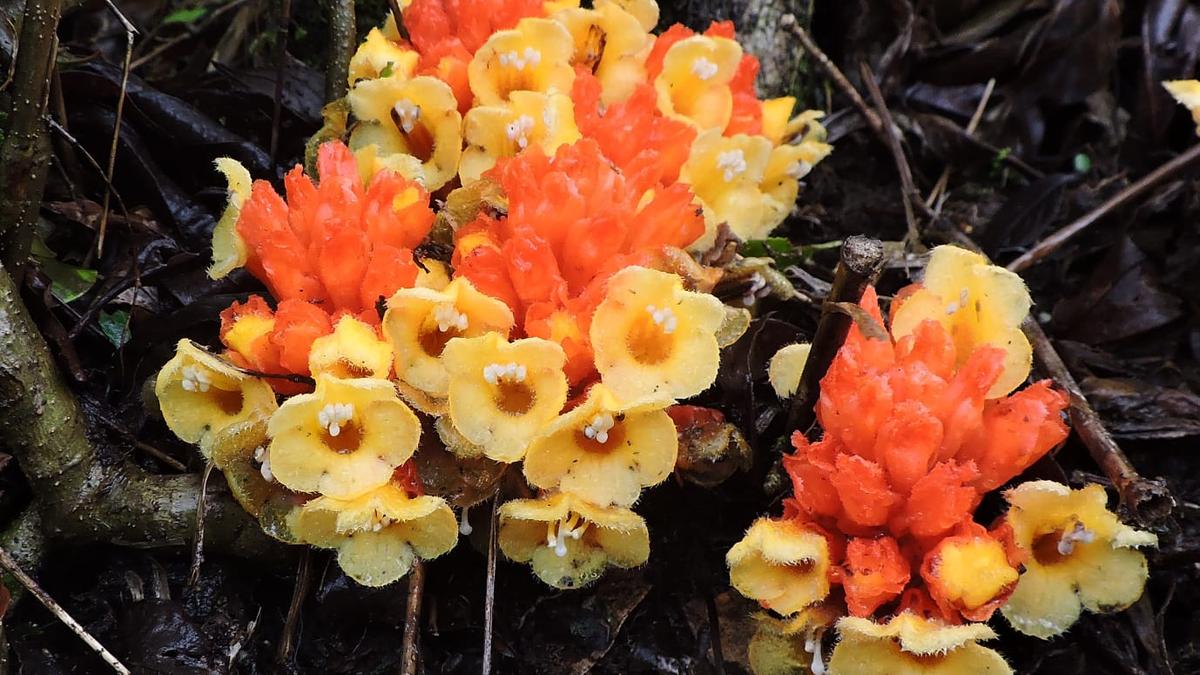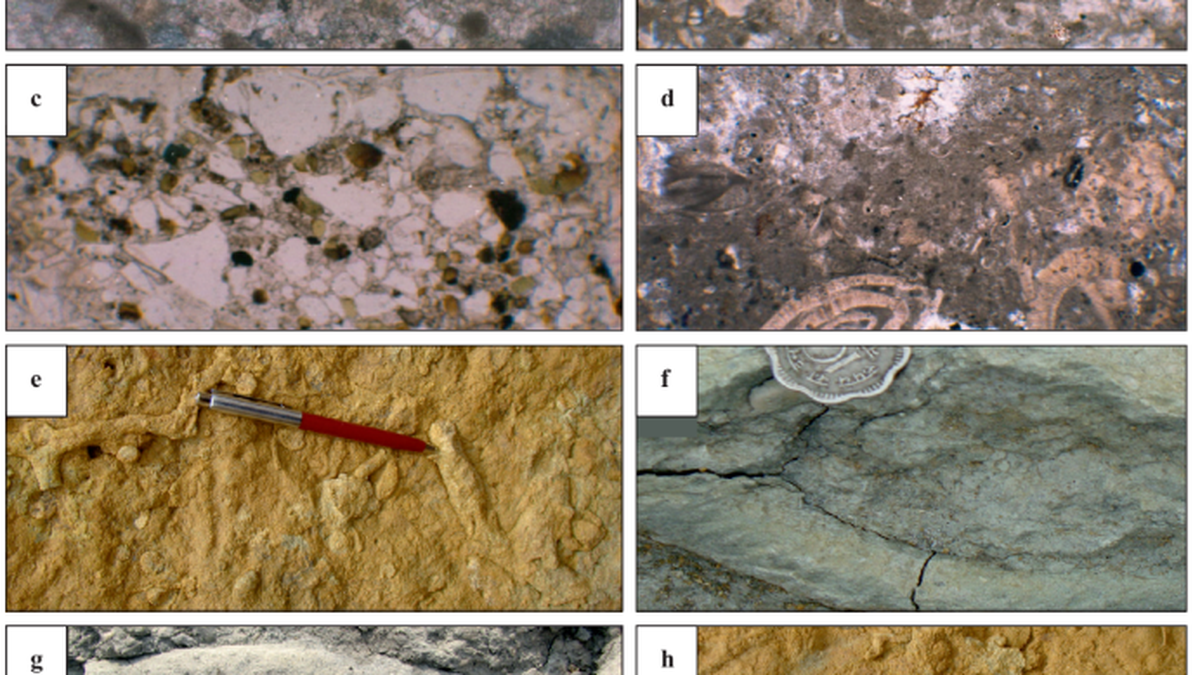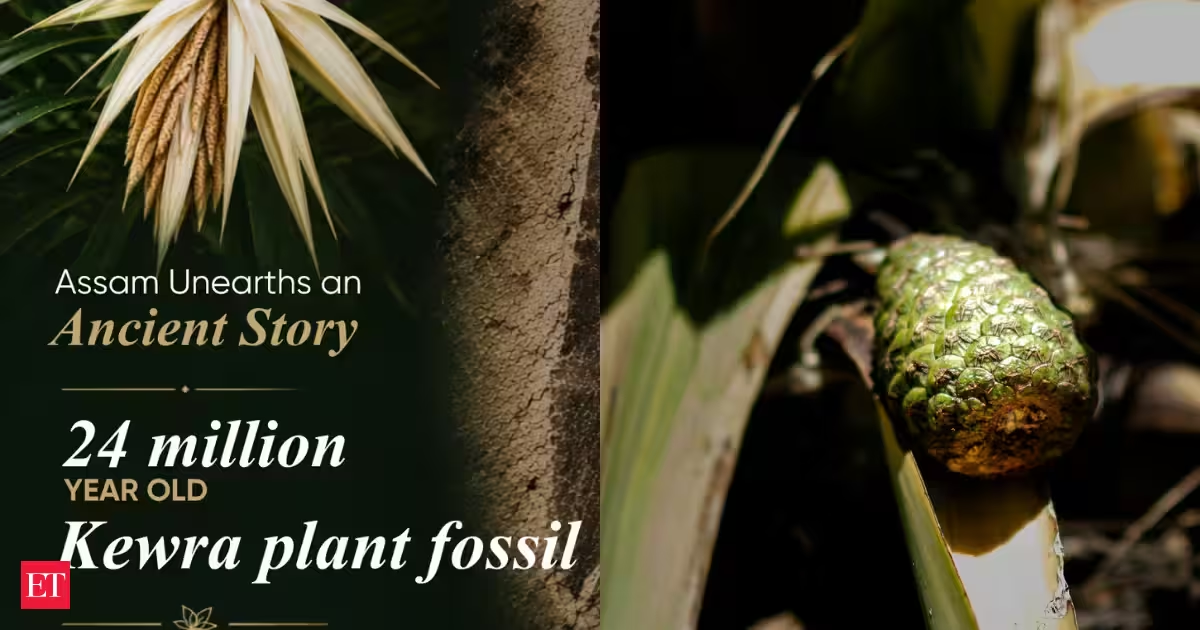
A 24-million-year-old fossil of the Pandanus plant, commonly known as Kewra, has been discovered in Assam's Tinsukia district, offering fresh insights into the region's ancient plant life.Sharing the development on X, Assam Chief Minister Himanta Biswa Sarma said the discovery highlights the state's rich prehistoric ecosystem."Assam just unlocked a 24-million-year-old fossil, shedding light on the ancient floral ecosystem of the region," Sarma wrote.— himantabiswa (@himantabiswa) He added: "Kewra (Pandanus) fossil discovered in Makum reflects how this 85 million-year-old plant reached the Indian subcontinent 24 million years back and since then has made Assam its home."The Chief Minister also said: "Beneath Assam's surface, lies many such untold stories."What is Kewra?Kewra, scientifically known as Pandanus odorifer, is an aromatic flowering plant belonging to the Pandanaceae family. It is a monocot species and is widely recognised for its highly fragrant flowers, which are used to produce kewra water and kewra essence, popular ingredients in Indian cuisine, sweets and perfumes.The plant is native to Southeast Asia, the Andaman Islands and the Philippines. It also grows naturally in parts of southern India and Myanmar (Burma).Why is Kewra called fragrant screw-pine?Despite its common English name, fragrant screw-pine, Kewra is not a pine tree.The name comes from its distinctive appearance:Its long, spirally arranged leaves resemble a screw.Its branching structure gives it a pine-like appearance.Other common English names include:Fragrant screw-pineScrew treeUmbrella treeKewdaWhat is Kewra called in different Indian languages?The plant is known by different names across India and Asia. Many Indian names are derived from the Sanskrit word Ketaki.Some regional names include:Hindi: Kewra or KewdaMalayalam: Pookkaitha (flower known as Thaazhampoo)Tamil: Kaithai and Thazhai, both mentioned in Sangam literatureTelugu: MogaliArabic: Al-KadiJapanese: AdanWhy is Kewra important?Kewra has long been valued for its fragrance and cultural significance.Its flowers are widely used to make:Kewra waterKewra extractTraditional perfumes (ittar)Flavouring for desserts, biryanis and beveragesThe plant also plays an ecological role by stabilising coastal soils and growing well in sandy, tropical environments.Inputs from PTI
24-million-year-old Kewra fossil found in Assam: CM Sarma says it reveals how this fragrant screw-pine first reached the Indian subcontinent
A 24-million-year-old fossil of the Kewra plant was recently discovered in Assam's Tinsukia district. This significant find offers new insights into the region's ancient floral ecosystem and prehistoric life. The discovery highlights how this ancient plant reached the Indian subcontinent millions of years ago. Kewra, scientifically known as Pandanus odorifer, is valued for its fragrant flowers and cultural significance.
320 words~1 min read