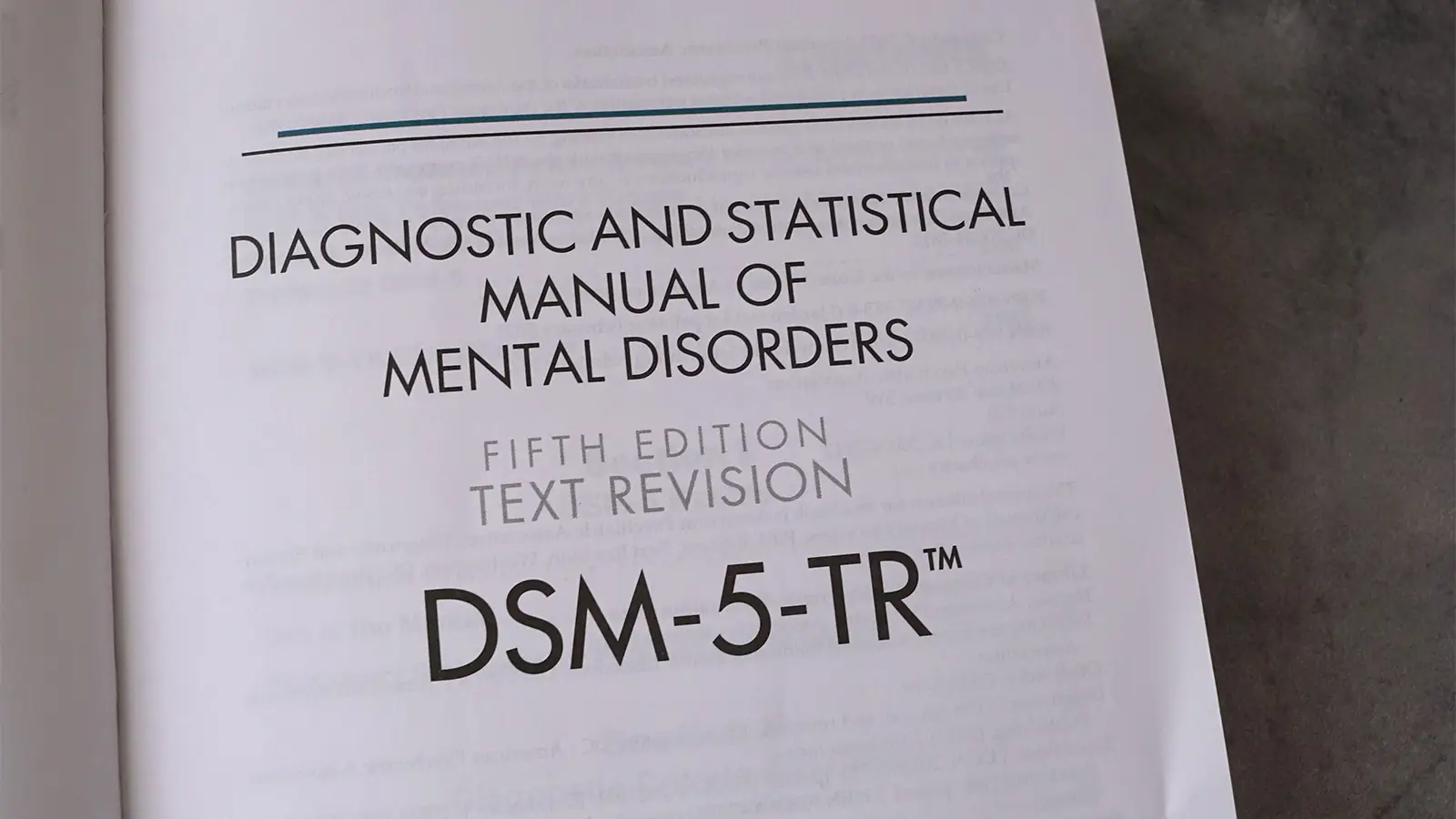
The Diagnostic and Statistical Manual of Mental Disorders (DSM) is often described as the "bible" of psychiatric diagnosis. It shapes how clinicians diagnose patients, how insurers reimburse care, how researchers design psychiatric studies, and how pharmaceutical companies develop and market treatments. Yet, the very authority that gives the DSM its power also raises the question of who shapes the DSM, which will reverberate even more consequentially as the field prepares for the rollout of DSM-6 in several years.
Analyses of the DSM-5 revision process (DSM-5-TR) bring this question into sharper focus. A 2024 BMJ cross-sectional study found that approximately 60% of U.S.-based physicians involved in DSM-5-TR panels or task forces received industry payments, totaling more than $14 million between 2016 and 2019. The payments varied widely, from research funding to consulting fees and free meals. At first glance, the payments may appear unsurprising in an era when academia and industry are deeply intertwined. But when those relationships intersect with the creation of diagnostic criteria, the implications become far more important.
To be clear, financial ties do not equate to misconduct. The presence of a conflict of interest does not prove that any individual acted inappropriately or that DSM-5-TR revisions were biased. Leaders involved in the DSM-5-TR revision have argued that conflicts were disclosed, reviewed, and managed, with safeguards in place to prevent undue influence. They also note that DSM-5-TR is a diagnostic manual, not a treatment guideline, suggesting that its content offers limited direct benefit to industry.