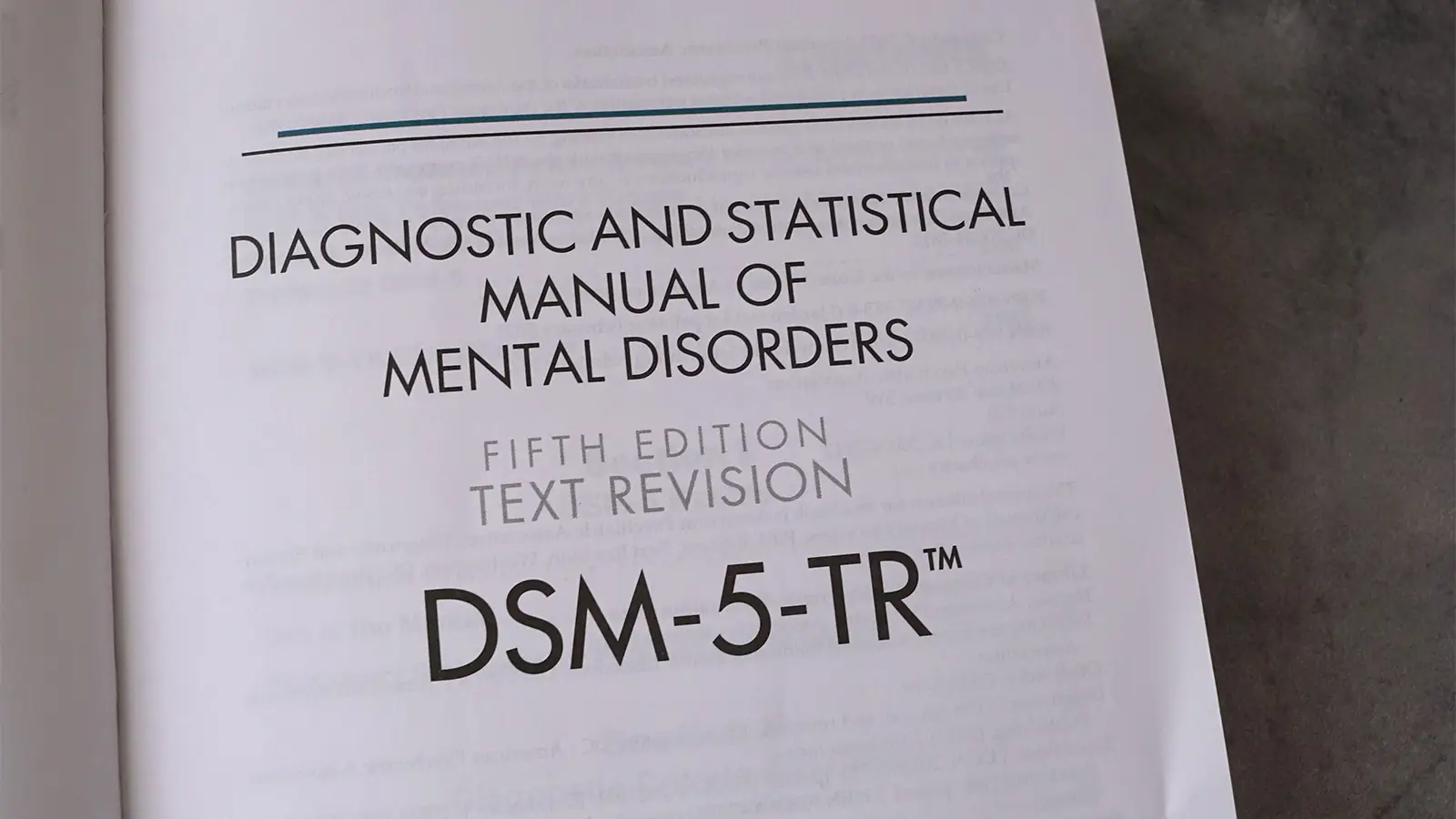
A systematic review and meta-analysis of 57 studies scrutinizing the practice of standardized diagnostic interviews (SDIs) used in mental health assessments is raising serious questions about these questionnaires’ reliability, thanks to efforts led by psychological researchers at McMaster University in Canada. Critics of current mental health practices say that mental health practitioners are working in the shadow of the 1980 edition of the Diagnostic and Statistical Manual of Mental Disorders (DSM III). This revision—as one medical journal essay put it back in 2012—sought to paper over “sectarian discord among proponents of psychodynamic, behavioral, and neurobiologic explanations of mental illness” by reducing all psychological disorders down to digestible checklists of signs and symptoms. The new deep-dive meta-analysis, which covered SDIs conducted with over 8,000 adults from 26 countries, found that these interviews turned out to be not particularly consistent across cases where the same patient was assessed via two separate SDIs even just days apart. More concerning still, the reliability between tests and retests appeared to vary significantly depending on which mental health issue was being investigated.
‘Gold Standard’ for Mental Health Diagnosis May Leave Patients Miscategorized, Study Finds
A new meta-analysis of 57 psychological studies found that essentially identical patient interviews can lead to different diagnoses for the same exact patient.
TL;DRAI
McMaster meta-analysis shows mental health diagnostic interviews only 65% reliable on retest versus 72% substance use, disputing gold standard. Unreliable diagnostics complicate AI healthcare platforms and raise regulatory concerns for algorithmic mental health assessment tools.
674 words~3 min read