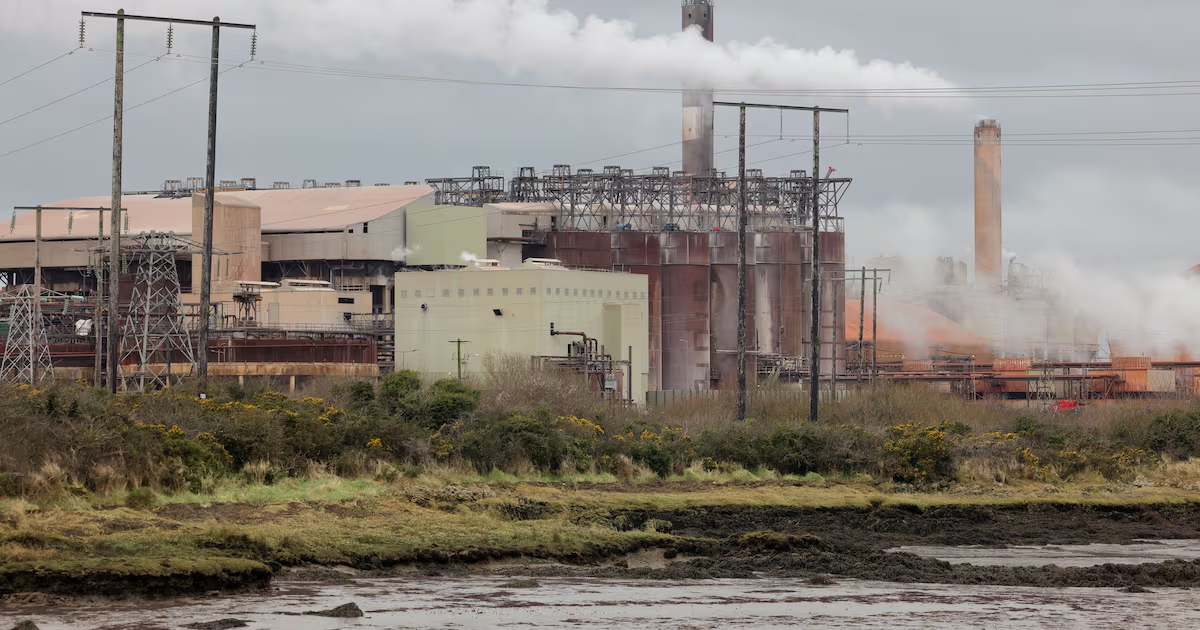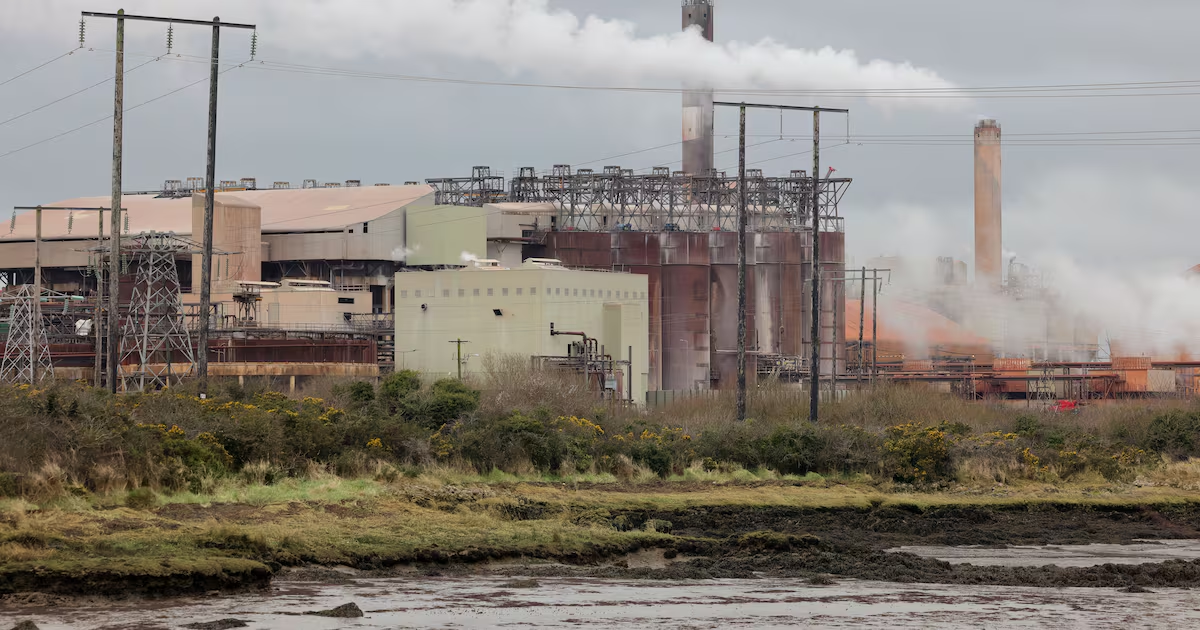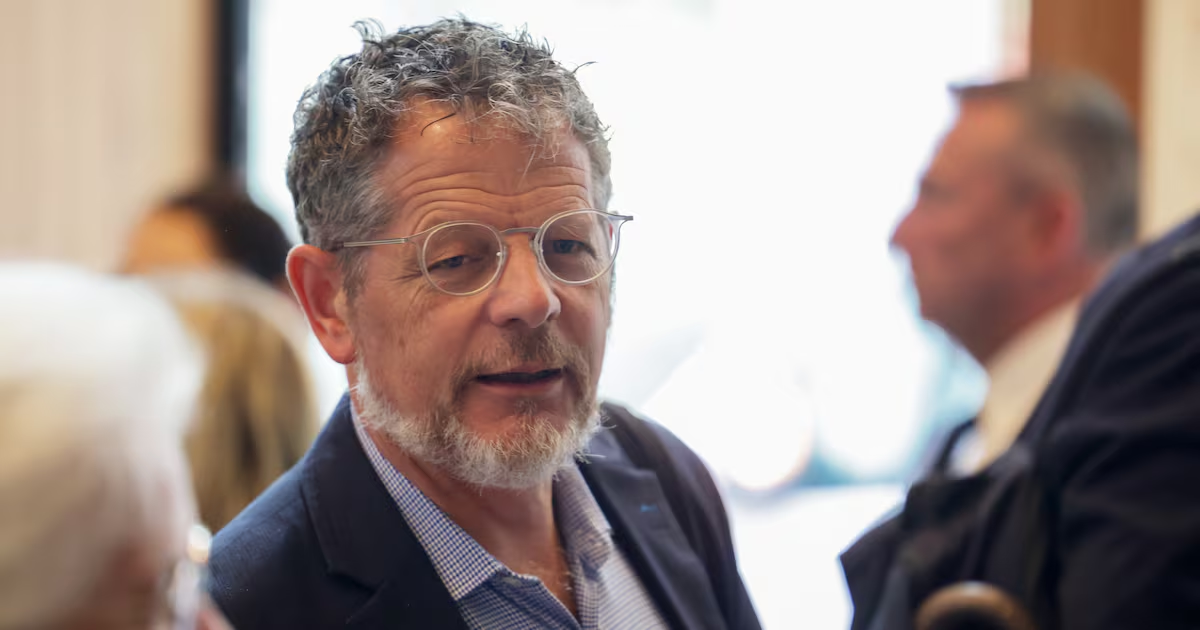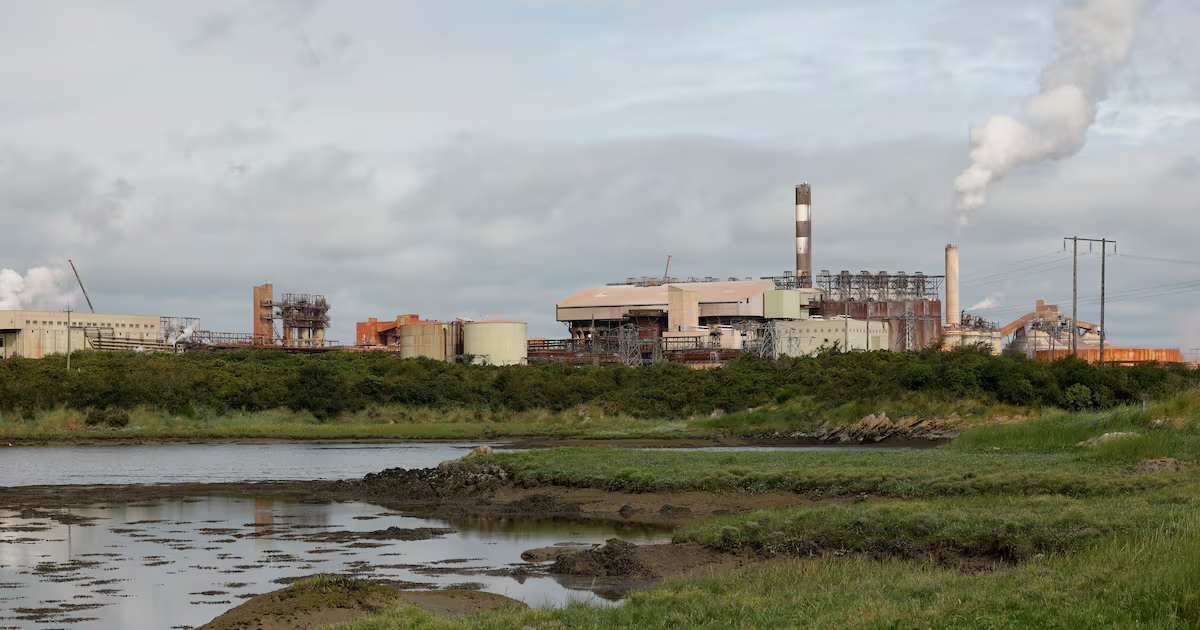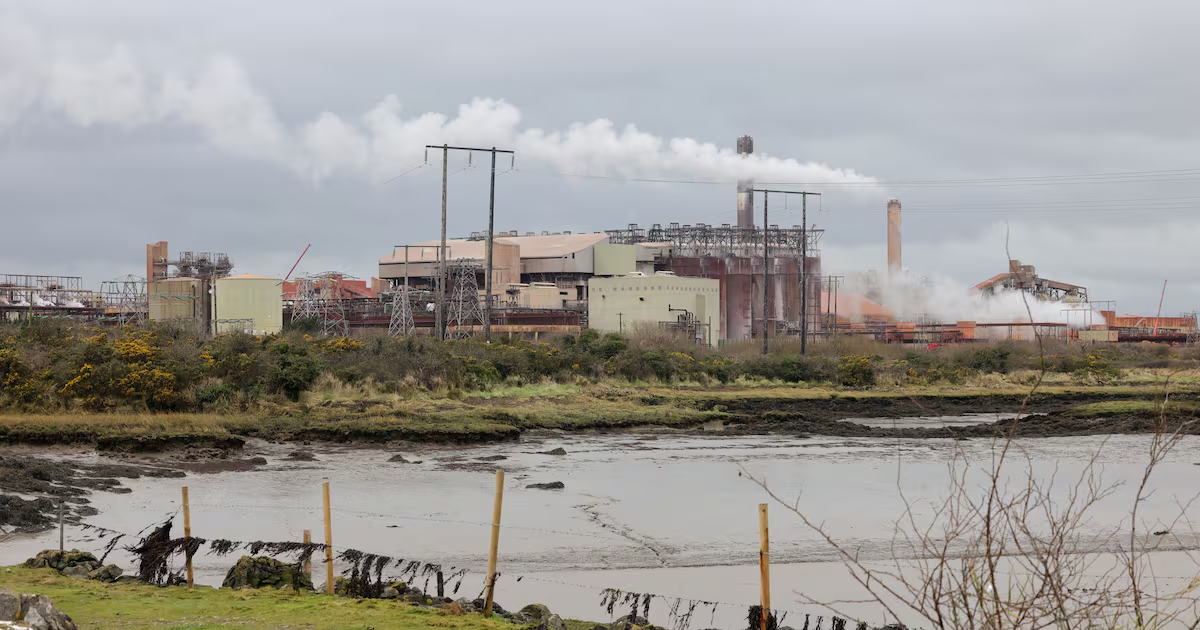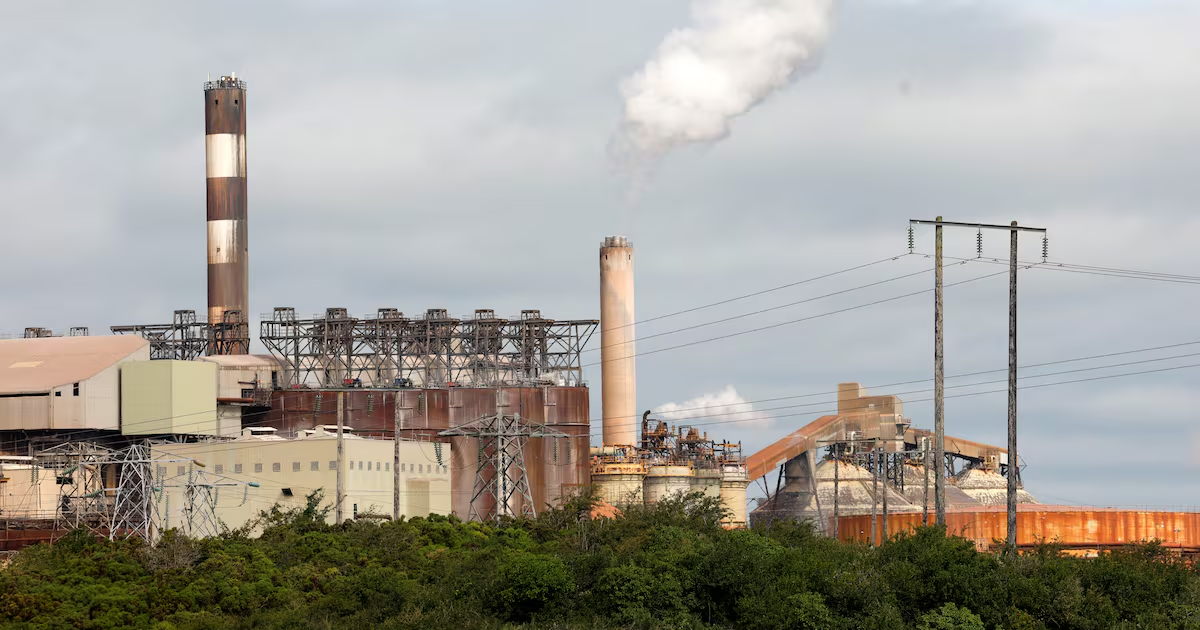
Mayor of Limerick John Moran has called on the Government to start intensive lobbying at EU level against the imposition of sanctions on Aughinish Alumina over exports to Russia.His comments came as it emerged the long-awaited report on the level of exports from the plant in Limerick is expected to be sent first to the European Commission, with only a summary of its contents published because of “commercial sensitivities”.The Irish Times reported the expectation the document will state there is insufficient evidence to conclude alumina from the plant is not ending up in Russian weapons but it will also say it is not possible to conclude definitely that Aughinish is supplying the Russian arms industry.Moran has urged the Government to establish a forum “where Aughinish management, unions and suppliers can come together with the Government to plot a way forward for this vital plant”.Mayor of Limerick John Moran. Photograph: Enda O'Dowd In a statement on Tuesday, he said the uncertainty in advance of completion of the report is “unsettling” for the almost 500 employees at the plant as well as for suppliers and local communities.He added the Government “will need to powerfully lobby at EU level to ensure no sanctions get applied. Powerful forces seem to be ranged against Aughinish and these need pushing back.”An investigation by The Irish Times in conjunction with the Organised Crime and Corruption Reporting Project in March, found Limerick-produced alumina had entered Russia’s weapons supply chain.Revised figures provided by the Central Statistics Office last week showed half of the alumina produced in the plant in the first quarter of this year went to Russia, up from 43 per cent last year.From the Shannon to Siberia: How alumina from a Limerick refinery enters Russia’s weapons supply chainAughinish Alumina in Co Limerick supplies vast amounts of raw materials to Russian aluminium smelters, according to an investigation by The Irish Times and the Organised Crime and Corruption Reporting Project (OCCRP).Read the full investigation here.Moran welcomed the intervention last week of Minister for Justice Jim O’Callaghan, who said “we really need to see the hard evidence before we start formulating any conclusions in these matters”.Moran expressed concern about the “change in language by the Government on Aughinish”, until O’Callaghan’s intervention.He quoted comments from Taoiseach Micheál Martin in May saying: “ ‘The whole principle of sanctions is we don’t damage ourselves more than Russia, or that they don’t become self-defeating, and it would appear to me now, Aughinish falls into that category.’“That language had disappeared in recent weeks and we seemed to be accepting that sanctions were inevitable. It appeared the Government were leaving it to the EU, perhaps Ireland feeling hamstrung by the EU presidency which does make it complex.”He insisted this was not in Ireland or Limerick’s interest. “We need to fight for the jobs.”Pointing to the debate last week on the latest EU sanctions package, “EU countries fought for their own interests. We will need to do the same.” The Mayor said before sanctions are considered if they are on the table, “other measures need to be looked at by the EU including supervision of Aughinish’s orders in a workaround. “This would be intrusive monitoring aimed at providing reassurance about the ultimate destination of alumina exports to Russia.”Minister for Enterprise Peter Burke commissioned the report from his officials to review the issue. In the Dáil earlier this month, the Minister rejected speculation the Government had been lobbying against sanctions. “Since the war in Ukraine and over the 20 sanction packages, our Government has never asked for any sanctions not to be put on Aughinish Alumina,” Burke insisted.“We have never asked for any leeway. We never have lobbied on their behalf and I have heard in some outlets suggestions that the Irish Government was in their corner in key fora in European contexts. That is not true.”But Moran said it was now time for intense lobbying to prevent sanctions, also stressing the importance of the plant in supplying electricity. It provided electricity for 200,000 households and businesses in the region.A response has been sought from the Department of Enterprise.
Limerick mayor urges Government to ‘powerfully lobby’ in EU against Aughinish Alumina sanctions
Mayor of Limerick insists ‘we need to fight for the jobs’ as report on exports to Russia expected to go to EU Commission
681 words~3 min read