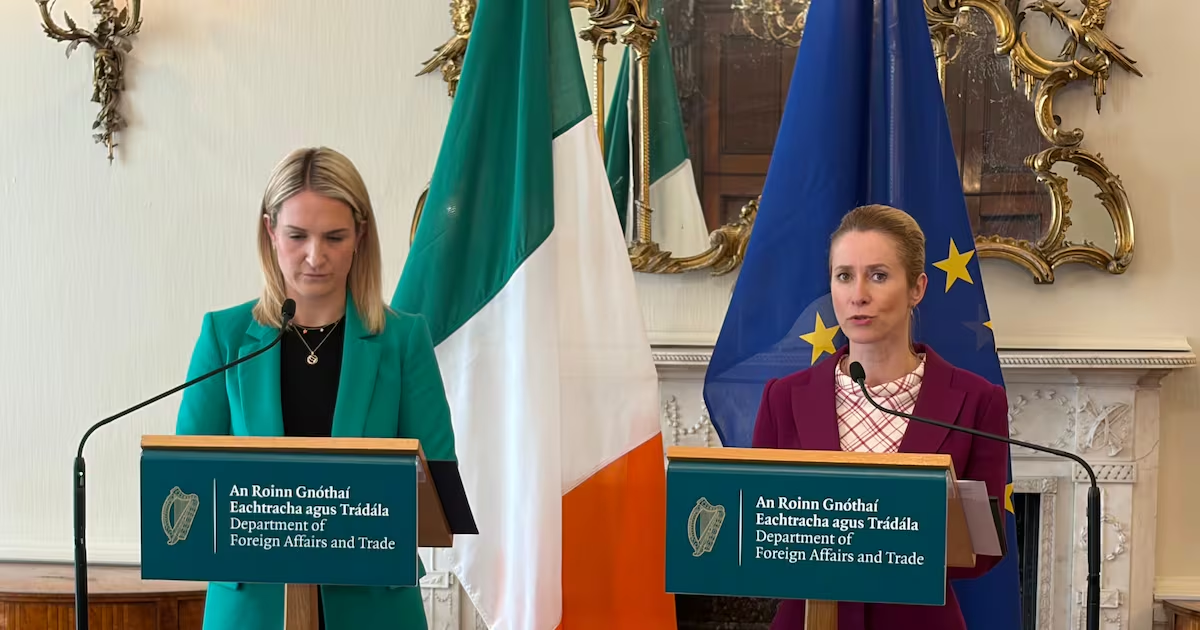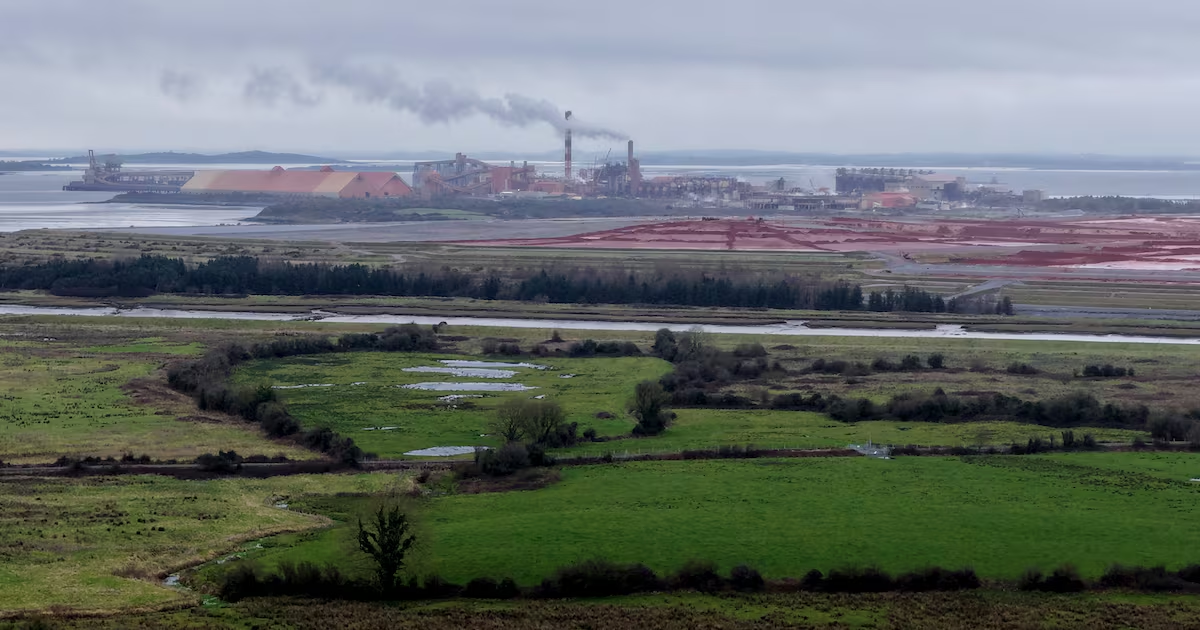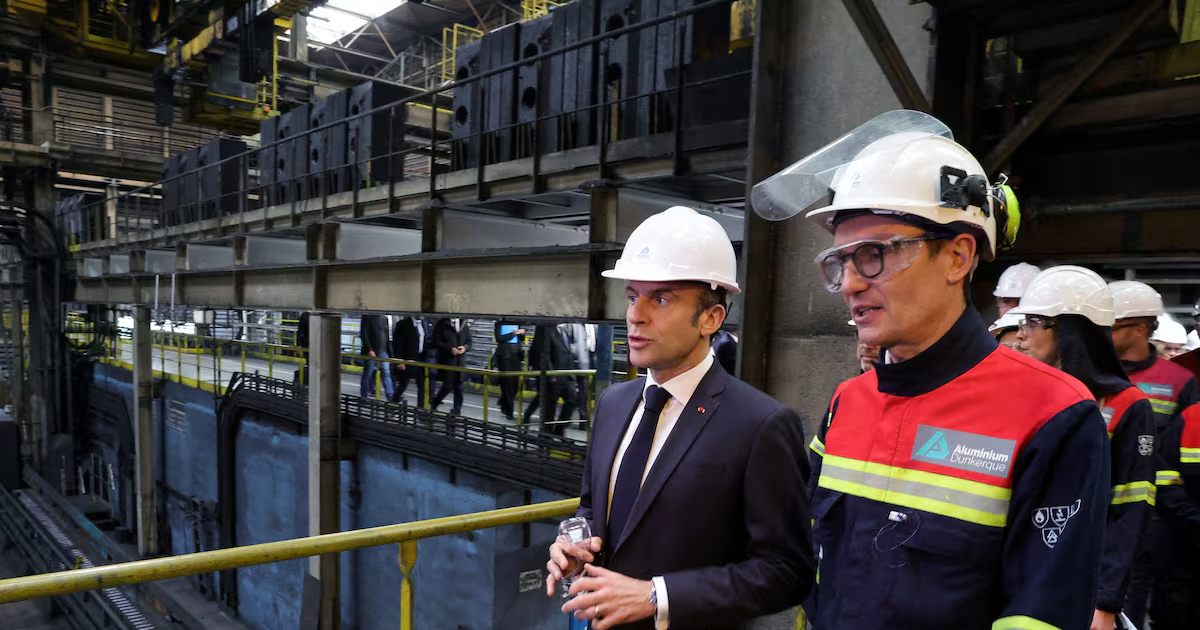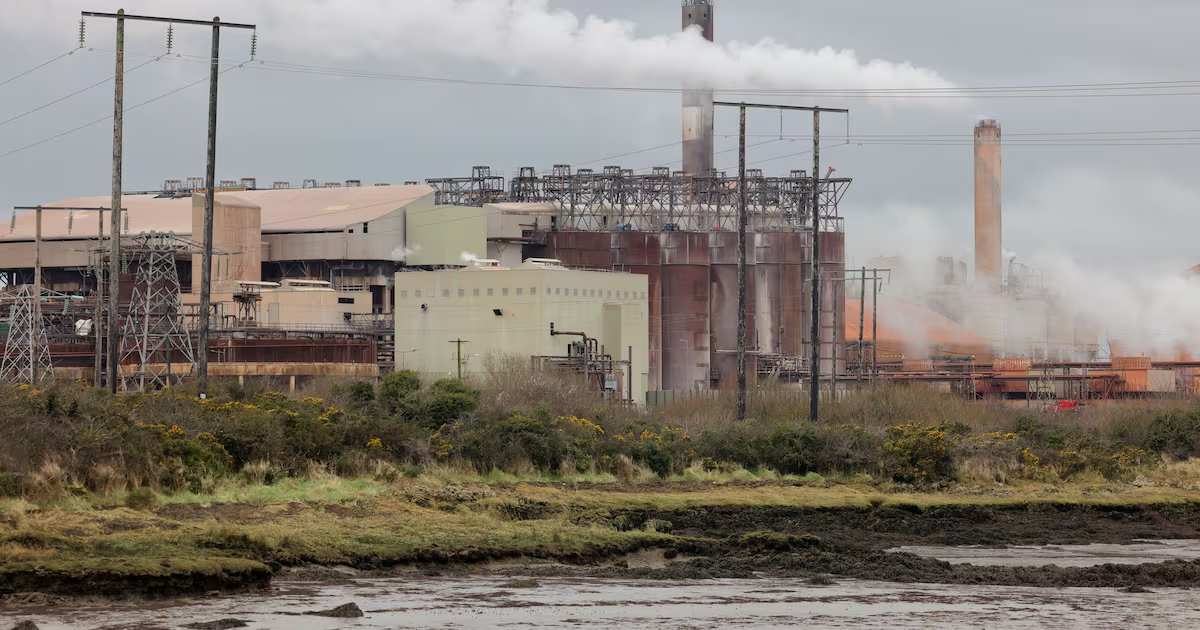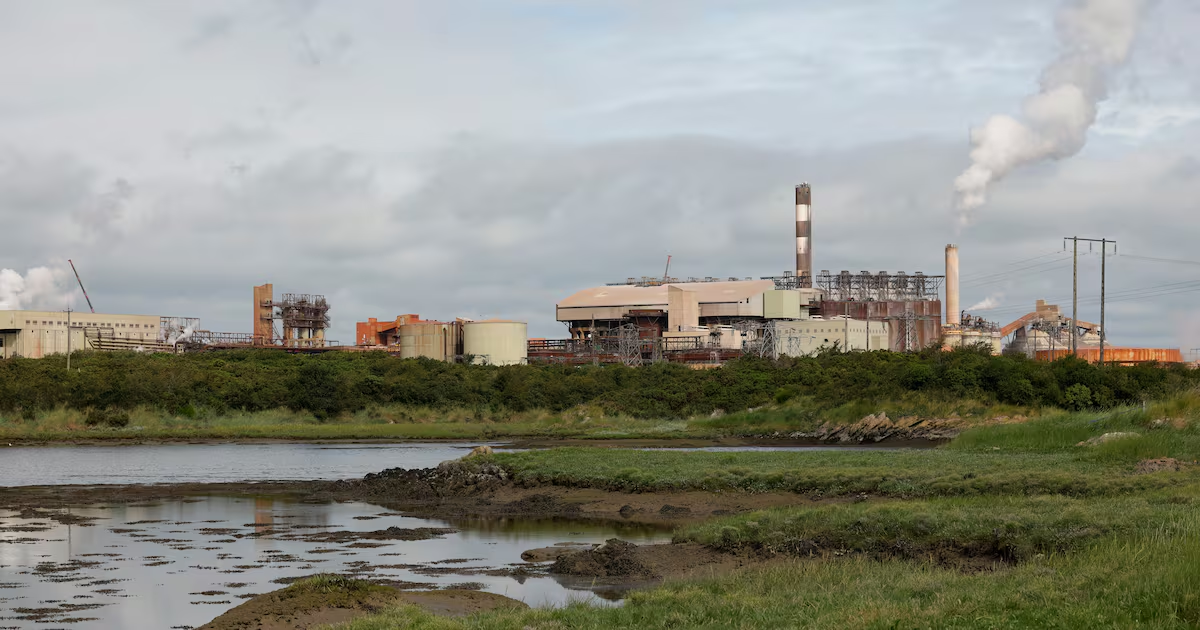
The Government will continue to be “very supportive” of economic sanctions targeting Russia when it takes over the EU presidency next month, the State’s top diplomat in Brussels has said. The Coalition is coming under increasing pressure over revelations the large Aughinish Alumina plant in Co Limerick is shipping vast amounts of alumina to smelters in Russia, where it is used to make aluminium later supplied to dozens of Russian arms manufacturers.Successive rounds of EU sanctions have blacklisted Russia from large parts of the global economy, stopped the supply of many materials that could be used to help its war effort and curtailed the amount of money Moscow can make selling its oil and gas.On Monday, Margus Tsahkna, Estonia’s foreign minister, said the Baltic country had called for a ban on EU exports of alumina to Russia in the latest batch of proposed sanctions. In a post on X, formerly Twitter, Tsahkna said European countries “must not export goods to Russia that can support its military industry or help sustain its aggression against Ukraine”. The foreign minister said “every loophole” that helped Russia needed to be shut off to weaken its war machine. Speaking on Tuesday, Ambassador Aingeal O’Donoghue, who heads Ireland’s diplomatic mission, which is known as the permanent representation to the European Union, said Ireland had “always been very supportive of sanctions packages” squeezing Russia. O’Donoghue said Ireland would press forward on any further rounds of sanctions when it took over the rotating Council of the EU presidency for the second half of this year.“The key message around the sanctions packages is that they are having an impact and that they do actually create pressure on Russia,” the senior Irish diplomat told a talk organised by the European Policy Centre think tank. The EU must not export goods to Russia that can support its military industry or help sustain its aggression against Ukraine. That is why Estonia has consistently called for a ban on alumina exports to Russia and put this proposal forward again in negotiations on the EU’s 21st…— Margus Tsahkna (@Tsahkna) June 8, 2026
Russia sanctions having an impact, top Irish diplomat says amid Aughinish Alumina pressure
Estonian foreign minister has called for a ban on alumina exports, like those from Limerick, to be included in next round of EU sanctions
599 words~3 min read