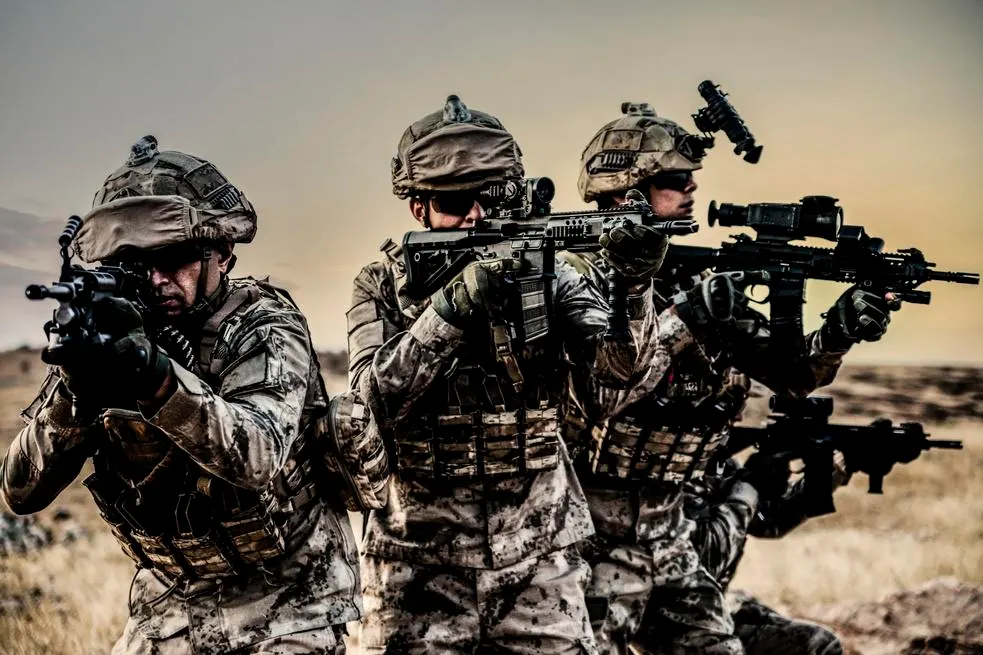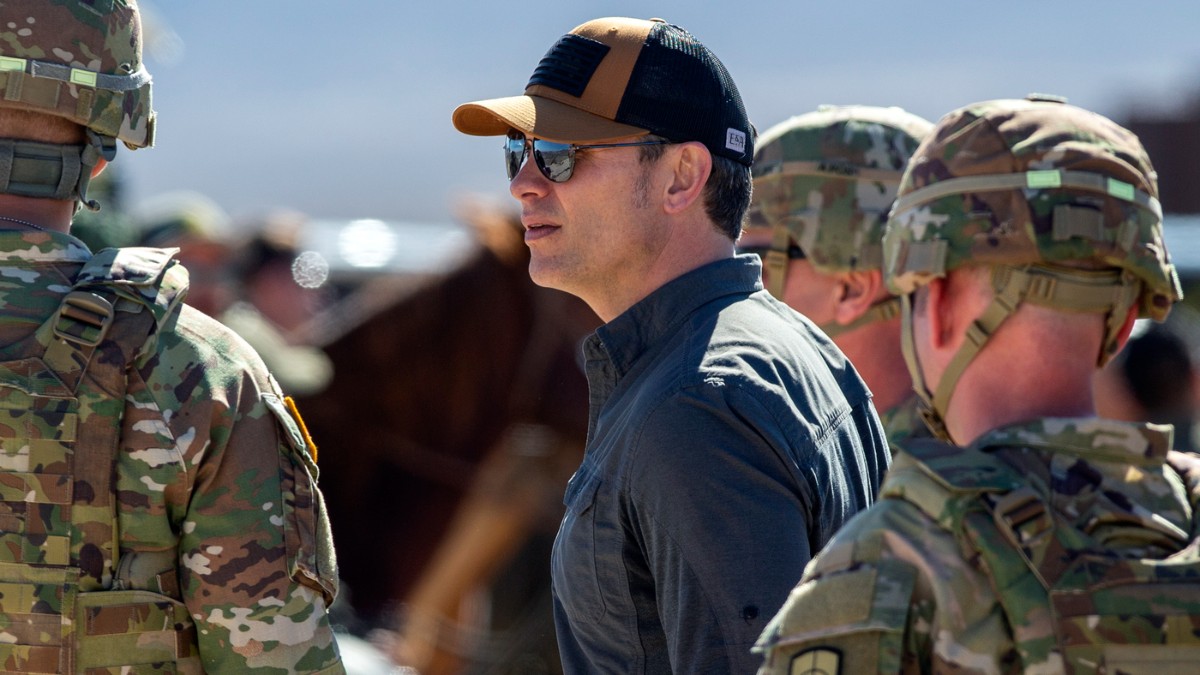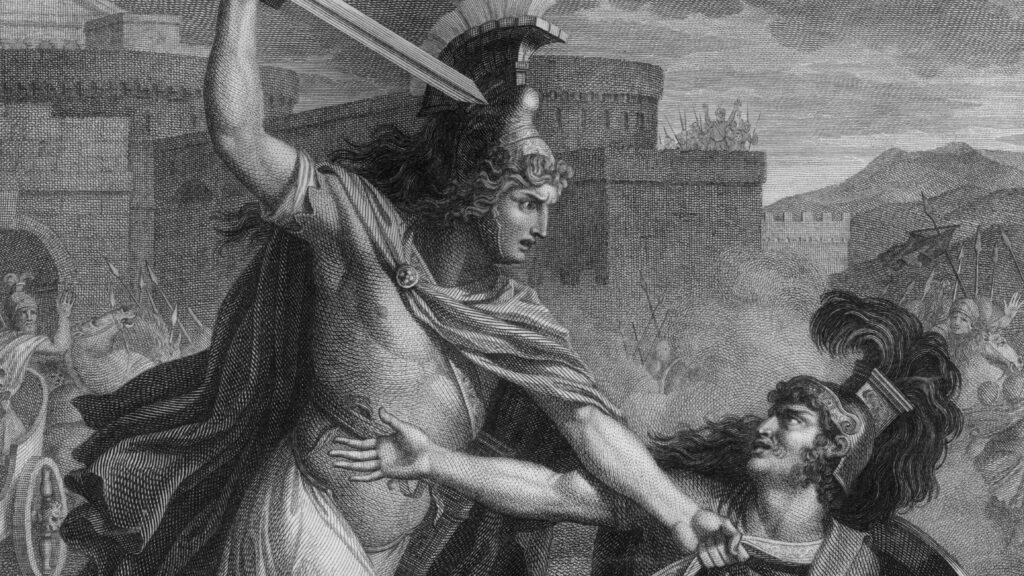
The past week has brought us two similar ideas of masculinity, separated by 4,000 years. When Defense Secretary Pete Hegseth announced the initiation of testosterone screening in all U.S. servicemembers 30 and older under the title “The High T Department of War,” his vision was as clear as an IMAX projection of Odysseus: a warrior in his physical prime, lethal in battle, unquestionably ascendant in the home, anointed by god.
Both of these men, the classical hero and the optimized modern soldier, are fantasies. But I’m worried Hegseth’s vision is a tragedy in the making
The Greco-Roman ideal of masculinity was anchored in martial valor. The words for courage in both Greek and Latin share roots with “man” — “andros” and “vir,” respectively. To be a man was to be courageous: A coward was not a man. To die with courage, “with your shield or on it,” in the memorable words of the Spartans, was a man’s highest achievement. Your payment for a good death was “Kleos”: glory, renown, literally “that which is heard.” The tales of your achievements, your victories, your honor — they were your highest reward. And that reward required risking yourself. You could easily imagine a Greek hoplite looking at drone warfare with disdain.