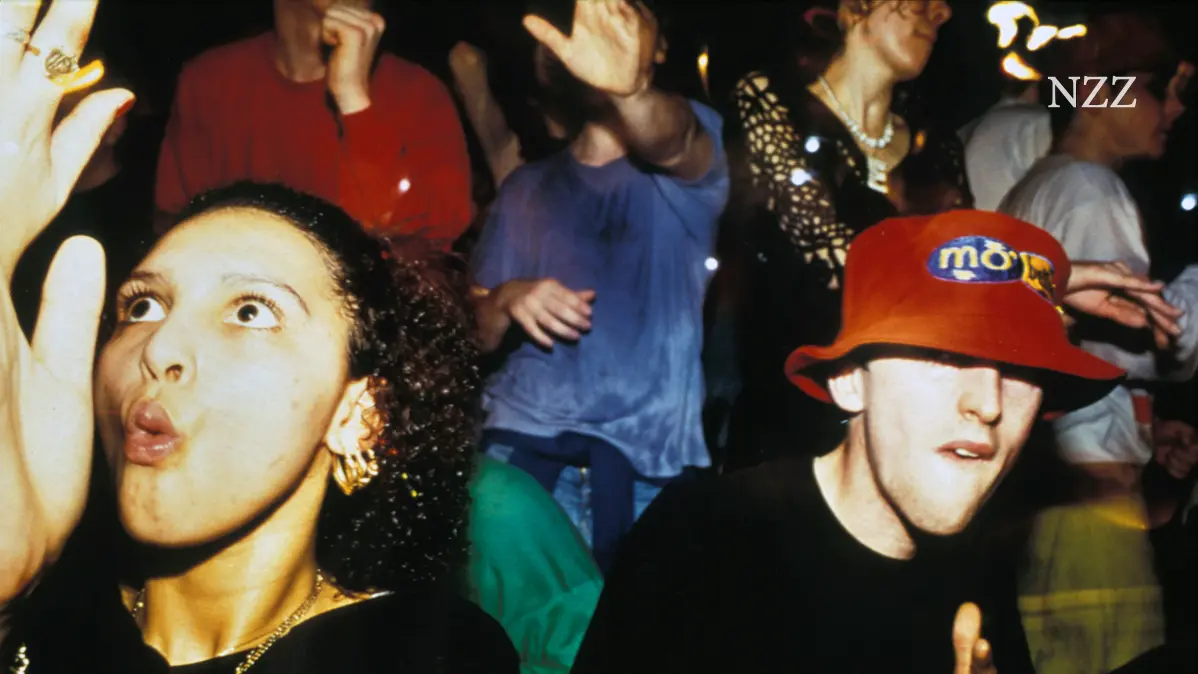
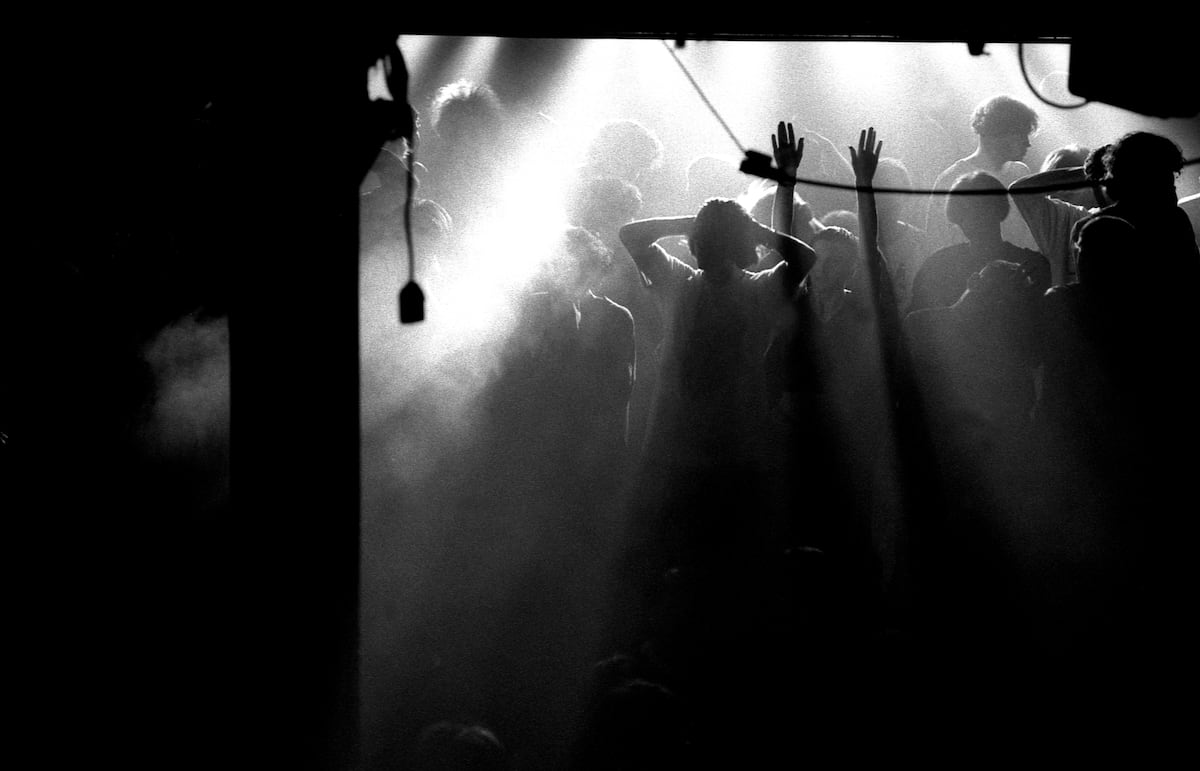
As someone who came of age in the Bay Area warehouse scene in the ’90s, I could have skipped this Pitchfork piece on corporate “raves” just to avoid getting annoyed—but I was curious. Kiana Mickles traces how the word “rave” has drifted from its underground and countercultural roots into something now attached to sanitized sponsored parties and coffee-shop pop-ups. Here, Mickles focuses specifically on Daybreaker, an organization that has thrown sober, wellness-centered sunrise dance parties for more than a decade.
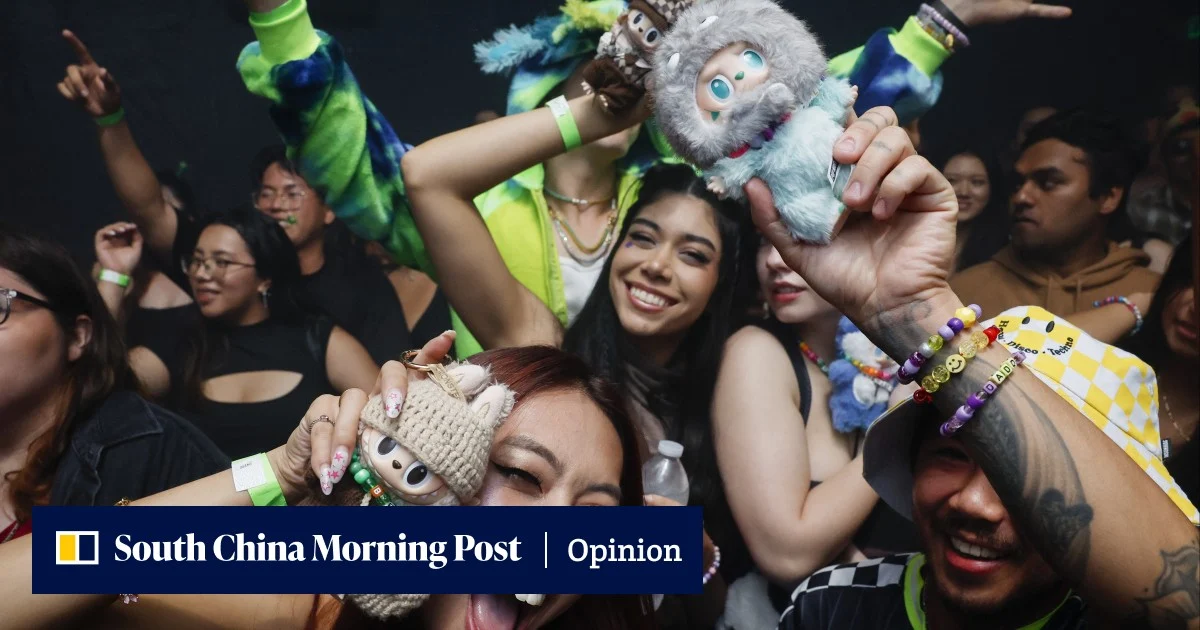
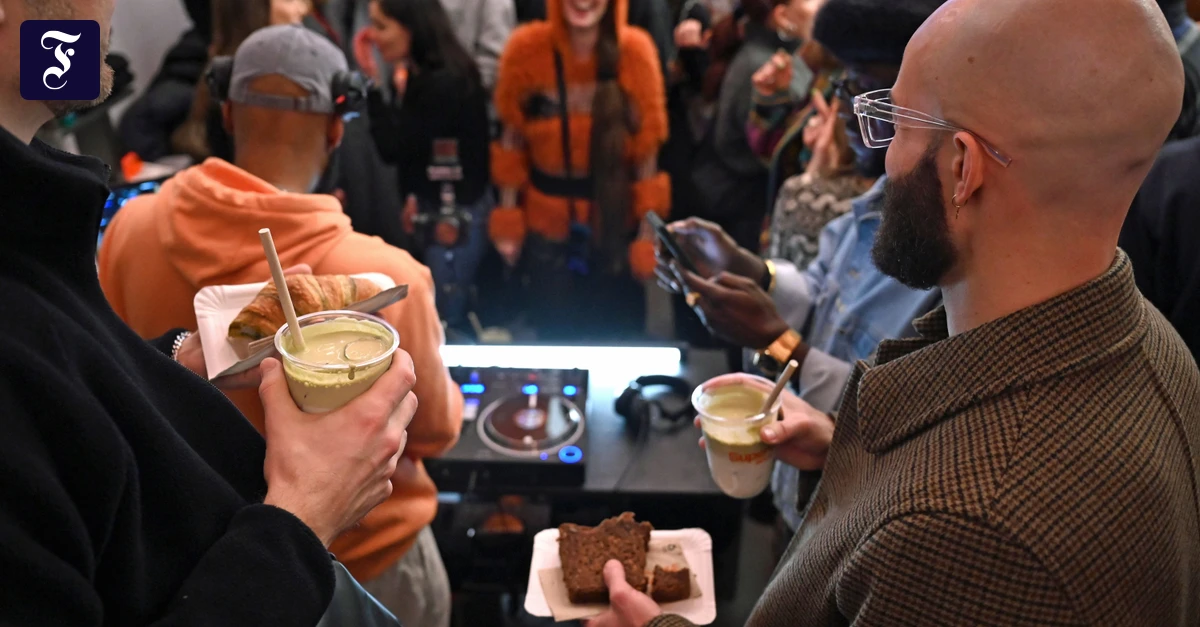
Once a signifier of unsanctioned parties, the word rave has never been more ubiquitous. While there are still echoes of its subversive origins in the current Brooklyn DIY scene—warehouse nights listed with a TBA location on Resident Advisor, beach raves announced via flyers circulated on Discord—if you get sucked into the right algorithm, “rave” quickly loses meaning. Today’s mainstream offerings include sauna raves, Labubu raves, Shrek raves, and even a Trader Joe’s vs. Aldi rave, with revelers arriving “decked out in produce swag.” Unlike IYKYK events, where nocturnal freaks roam free and a gruff bouncer might threaten banishment for a dancefloor selfie, cameras are strongly encouraged. “We’re adding to the culture of the rave community,” Daybreaker co-founder Radha Agrawal tells me. “Communities naturally evolve, rave culture evolves. Everything evolves.”