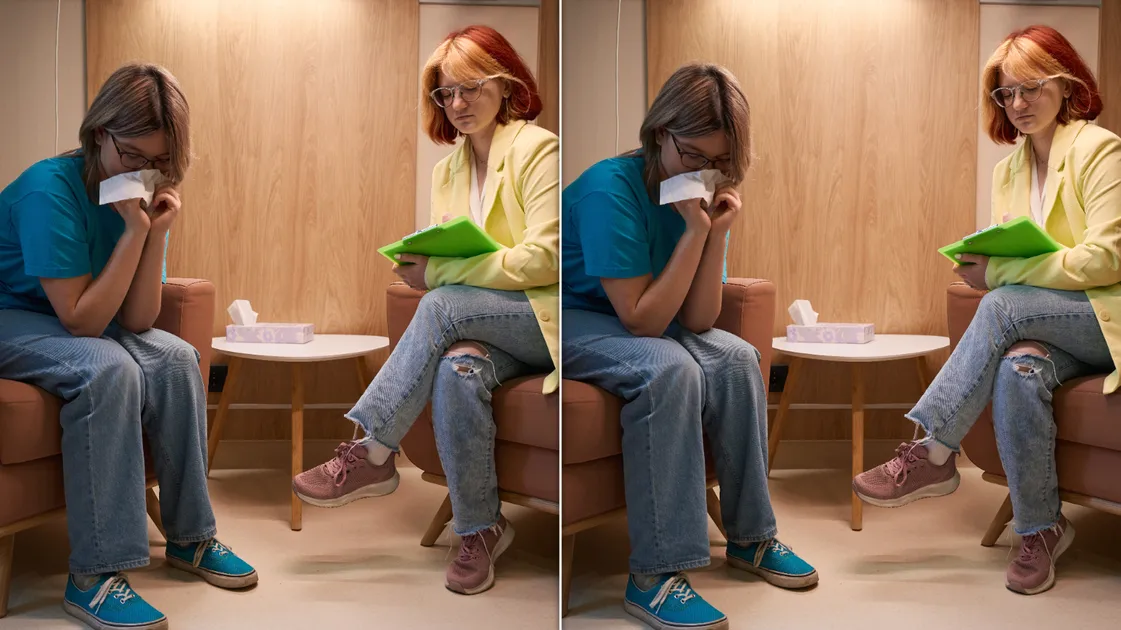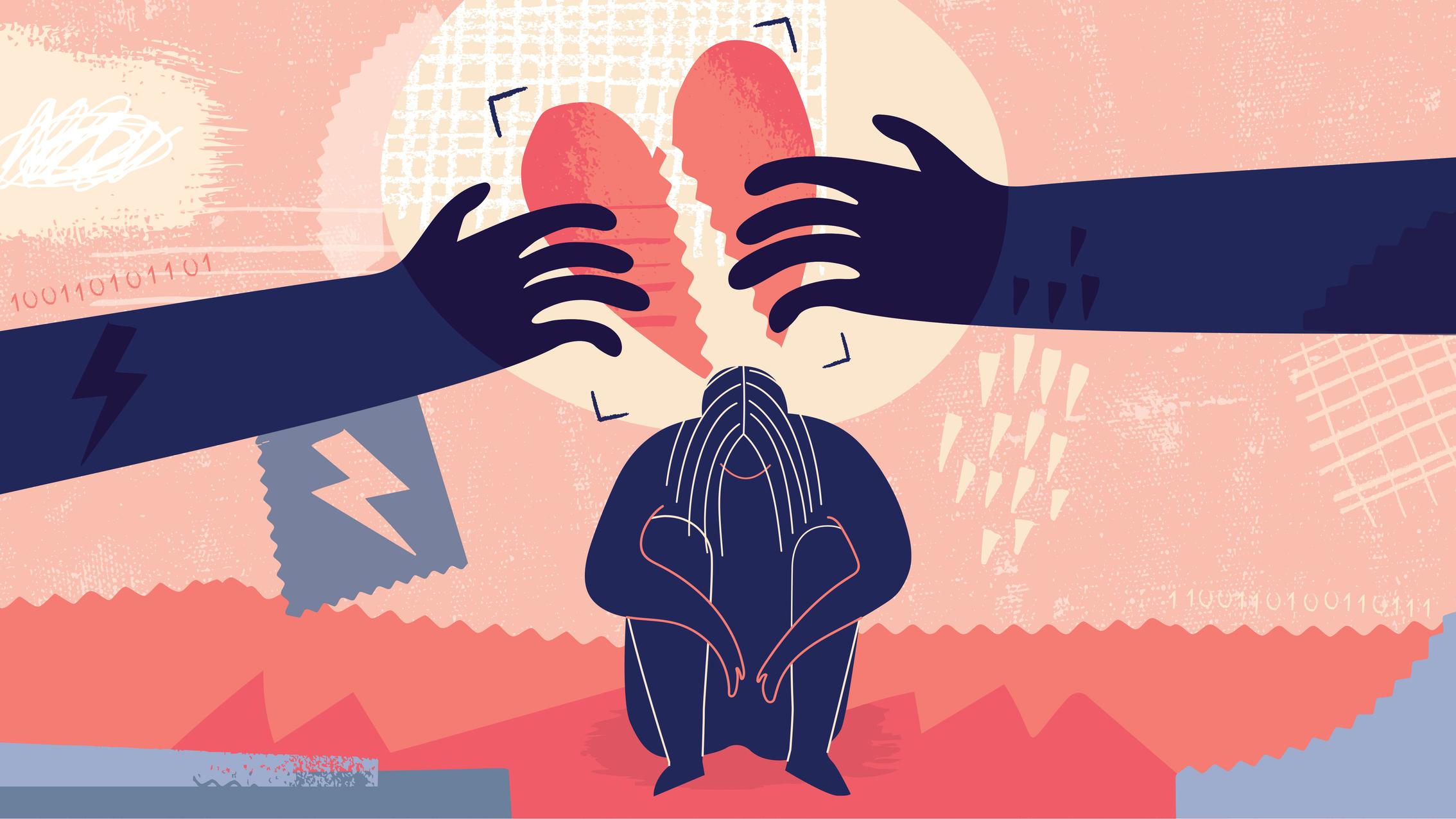
Shoshana Rubli was shocked by her therapist’s advice, given in her second session. But the counselor was recommended by someone she knew and had impressive credentials, so she did as she was told.She cut off all ties with her mother.“It was an argument made from authority, so I followed it,” says the 42-year-old freelance marketer.Is it really good therapy to break your mother’s heart?After decades of urging families to communicate better and work on their issues together, some therapists are now taking an opposite tack: They’re encouraging estrangement as a means of self-care.Proponents of the trend hold that advising patients to consider a cutoff from a close relative or spouse they deem toxic or unsupportive can protect their mental health and allow for emotional growth. Meanwhile, critics—many of whom are researchers who have studied relationships for decades—say that it encourages self-centeredness and self-delusion and ruins families.Most therapists agree that sometimes people are justified in breaking ties with their parents or a close relative, especially if they were physically or emotionally abusive.What’s changing now is the bar for what is deemed abusive enough for a cutoff. “We are in a culture where we emphasize fragility, everything becomes trauma, and the solution increasingly is to split and leave,” says William Doherty, a therapist and professor emeritus of family social science at the University of Minnesota who has researched the ways that therapy may be harmful. “But it should be the tragic exception that you cut off a parent or loved one, not business as usual in therapy.”About 25% of the U.S. population is estranged from, or has cut ties with, a close relative at any given time—and 10% is estranged from a parent or child—according to research by Karl Pillemer, a family sociologist and professor of human development at Cornell. He believes that more rifts are likely, as tensions over politics and social issues continue to rise.Among some 7,000 estranged parents surveyed in April a third believed their adult child’s therapist had influenced or recommended the decision to end the relationship. “A lot of therapists are taught to believe whatever the client is saying at face value,” says Peter Anderson, a licensed marriage and family therapist in Beverly, Mass., who helps families with estrangements and conducted the surveys. “They’re forming conclusions based on one person’s account.”Social media has played an outsize role in both the growing awareness of estrangement—or going “no contact,” in internet lingo—and the role of therapists in it. In recent years, the number of users sharing personal stories of how cutoffs have improved their mental health has skyrocketed. Meanwhile, therapists and “estrangement coaches” have been producing a growing slew of offerings, from quizzes (“The Emotionally Immature Parent Assessment”) to courses (“Navigating a Family Cut-Off”) to books (“No Contact, No Guilt.”)“People are coming into a therapist’s office and parroting what they hear on social media,” Anderson says. “They’re looking for affirmation for a decision they’ve already made.”Whitney Goodman, a licensed marriage and family therapist in Tampa, Fla., takes the patient’s lead when considering estrangement. Trauma and abuse, she says, is in the eye of the beholder. “Why are we giving all this deference only to parents?” Goodman said. “Why aren’t we believing the kids? They are adults.”Goodman often speaks to her more than 660,000 followers on Instagram and TikTok about estrangement and “emotionally immature” parents. “I reject the argument that we should ignore the impact of abuse because it wasn’t considered abuse 75 years ago,” she wrote in a recent post.In her work, Goodman sees people who want to go no-contact with a parent for everything from drunken driving with grandchildren to dictating future spouses. “You have an adult population now who says: ‘I am going to stand up for myself. I am not going to do what was always done.’”Critics, however, say that therapists should be questioning their clients’ estrangement beliefs, not affirming them. They warn that patients aren’t always reliable narrators, especially if they have mental-health issues. And the therapist is hearing only one side of the story.This can lead to two major problems, according to Jay Lebow, senior scholar and senior therapist at the Family Institute at Northwestern University, who says he often sees people in his practice who have been encouraged by previous therapists to sever ties with a loved one. “You are not solving the right problem, which is the mental-health crisis,” he says. “And—this is the most tragic part—you may be encouraging them to cut off their best source of support.”Critics also argue that there is no scientific evidence that separating from a close relative is inherently beneficial. And the long-term damage—including broken relationships with siblings, grandchildren and parents as they age—is often unanticipated. “You can have somebody die during the estrangement,” says Christine Droney, a licensed clinical social worker in Lititz, Pa., who often sees clients who are grieving the impact of estrangements they initiated. “There are lifelong consequences.”Indeed, research from Cornell’s Pillemer and colleagues shows that while people who start a cutoff often feel a temporary sense of relief, they also experience significantly higher rates of chronic unhappiness and depression over time. He calls this the “exiter cost.”Shoshana Rubli was a young woman living abroad when her therapist surprised her by recommending she cut off her mom. Her childhood had been chaotic after her parents divorced when she was a toddler, she says, but she didn’t view it as so extreme.“I went in expecting to focus on boundaries,” says Rubli, who lives near Coeur d’Alene, Idaho. “I thought that meant better self-discipline and better communication.”Rubli tried to push back, but her therapist framed her concerns as blind spots that impeded healing, she says. So she took the advice and stopped talking to her mom. “I thought it wasn’t permanent, that it was just fewer phone calls when I was in my therapy process,” she says.The estrangement lasted 10 years, despite her mom repeatedly trying to reach her. During that time, Rubli fell in love, got married and lost two grandparents. She also experienced other family members cutting her off in anger over her estrangement with her mom. “It was really hard,” she said. “There were all these unintended consequences.”Then Rubli had children of her own and realized all parents have flaws. So one day she called her mother, and the two began talking again. “I was thrilled to hear from her,” says her mom, Ann Tendler, 69, of Cedar Key, Fla. “It was a real trial, but I always figured that someday she would realize she had made a mistake.”Rubli deeply regrets taking the therapist’s advice, but says she blames herself.“At the end of the day, you can’t hold them accountable,” she says. “Because you told them what you told them, and you listened to what they said.”Write to Elizabeth Bernstein at Elizabeth.Bernstein@wsj.com
Are Therapists to Blame for the Rise of Adults Cutting Off Their Parents?
Many moms and dads believe that their adult children are getting bad advice—and a growing number of researchers agree.
1,131 words~5 min read