Oil supplies: Need to rethink strategy
| Photo Credit:
narvo vexar
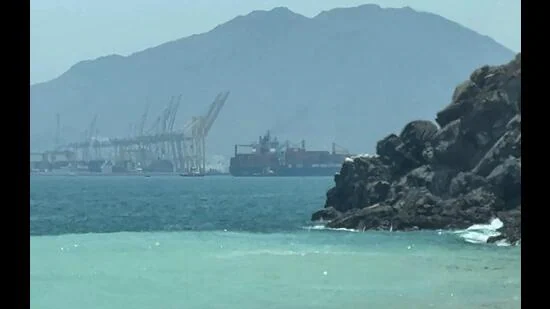
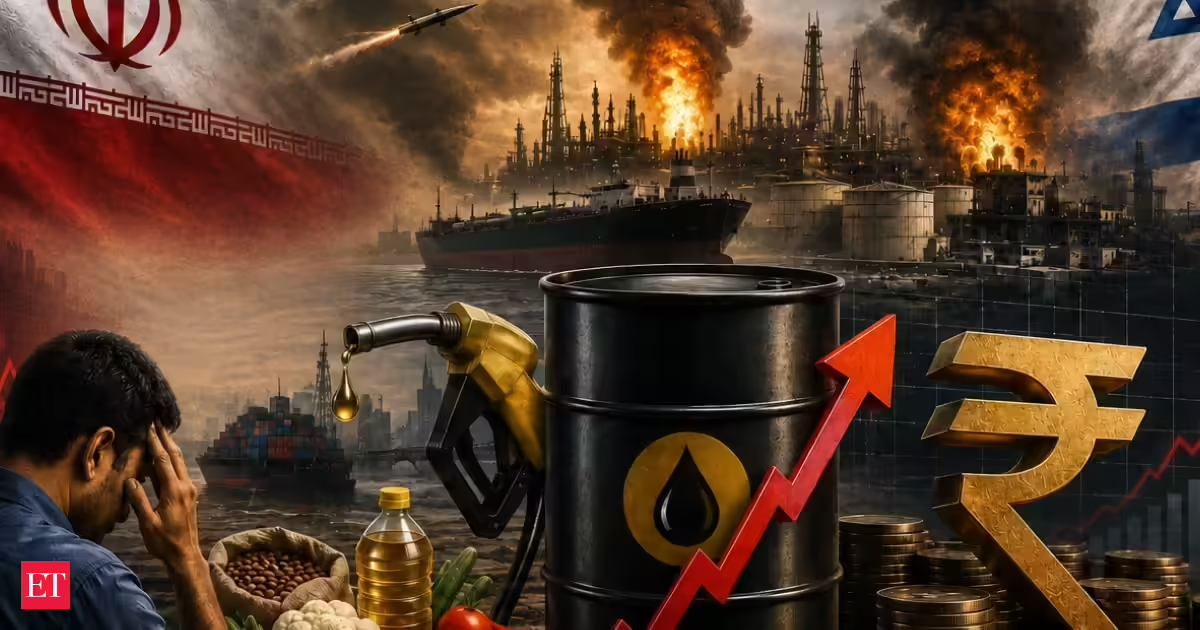
The volatile, “stop-start” dynamic that has defined the US-Iran conflict over the last five months has plunged the global economy into deep uncertainty. Far beyond the immediate geopolitical fault lines, few nations bear the economic friction of this erratic cycle as acutely as India.For New Delhi, the rolling sequence of fierce escalations, marked by the collapse of ceasefires and the blockades of the strategic Strait of Hormuz, poses a serious challenge to macroeconomic stability. As the Middle East remains locked in this destabilising pattern, India must aggressively rewrite its economic, energy, and monetary playbooks to insulate itself from persistent external shocks.Core vulnerabilitiesIndia’s immediate exposure stems from its deep structural dependence on West Asian energy corridors. While New Delhi has successfully diversified crude oil sources, reducing its total dependency on the Strait of Hormuz to roughly 30 per cent, it remains vulnerable to disruptions in the natural gas supply chain.Every single sudden re-closure of the strategic Strait immediately squeezes supply, threatening to trigger domestic inflation and compress profit margins across manufacturing, aviation, and consumer goods sectors.Furthermore, the macroeconomic fallout has rippled directly into India’s financial architecture. The conflict-driven spikes in global crude prices have shaken the Indian Rupee, driving it to historic lows against the dollar. This currency depreciation, high oil and gas prices have widened the current account deficit, with the IMF lowering the GDP growth forecast to 6.4 per cent for FY27.RBI measuresTo survive, India deployed immediate financial shields and long-term structural realignments. Central to this defence is an aggressive monetary intervention by the Reserve Bank of India (RBI) to stabilise the tumbling rupee.Moving decisively beyond passive monitoring, the RBI acted as an active net seller of foreign currency, at the cost of declining forex reserves.Parallel to spot-market sales, the RBI deployed advanced liquidity tools, including a $5 billion rupee/dollar buy-sell swap auction to ease localised greenback scarcity. To organically attract capital and counter energy-induced outflows, the central bank also enacted sweeping structural reforms.By expanding its Fully Accessible Route (FAR) to include long-term government bonds, lifting restrictive 30 per cent short-maturity caps on foreign investments, and clearing the path for high-yield NRI dollar deposit schemes, the RBI is expected to draw in tens of billions of dollars in fresh global capital to anchor the rupee.The path forwardWhat these ‘start-stop’ wars mean is that India has to decisively manage its energy vulnerability on account of such geopolitical conflicts.Reducing the share of imported oil and gas in our energy mix is the most obvious solution. This will require us to focus on developing alternative sources, such as syngas from coal gasification and nuclear energy.These sources account for a significant share of energy in large economies like China and France, respectively, which are deficient in oil and gas. In addition, we must build a strategic petroleum reserve for such unforeseen events.The ongoing crisis proves that India can no longer afford to be a passive bystander to West Asian volatility.Through synchronised fiscal discipline, aggressive central bank interventions, and rapid trade diversification, New Delhi is transforming a geopolitical crisis into a stress test of its macroeconomic resilience.However, as long as the stop-start war continues, India’s policy agility will remain under its greatest test yet.The writer is Chief Rating Officer & Executive Director, CareEdge Ratings. Views expressed are personalPublished on July 21, 2026