Opinions expressed by Entrepreneur contributors are their own.
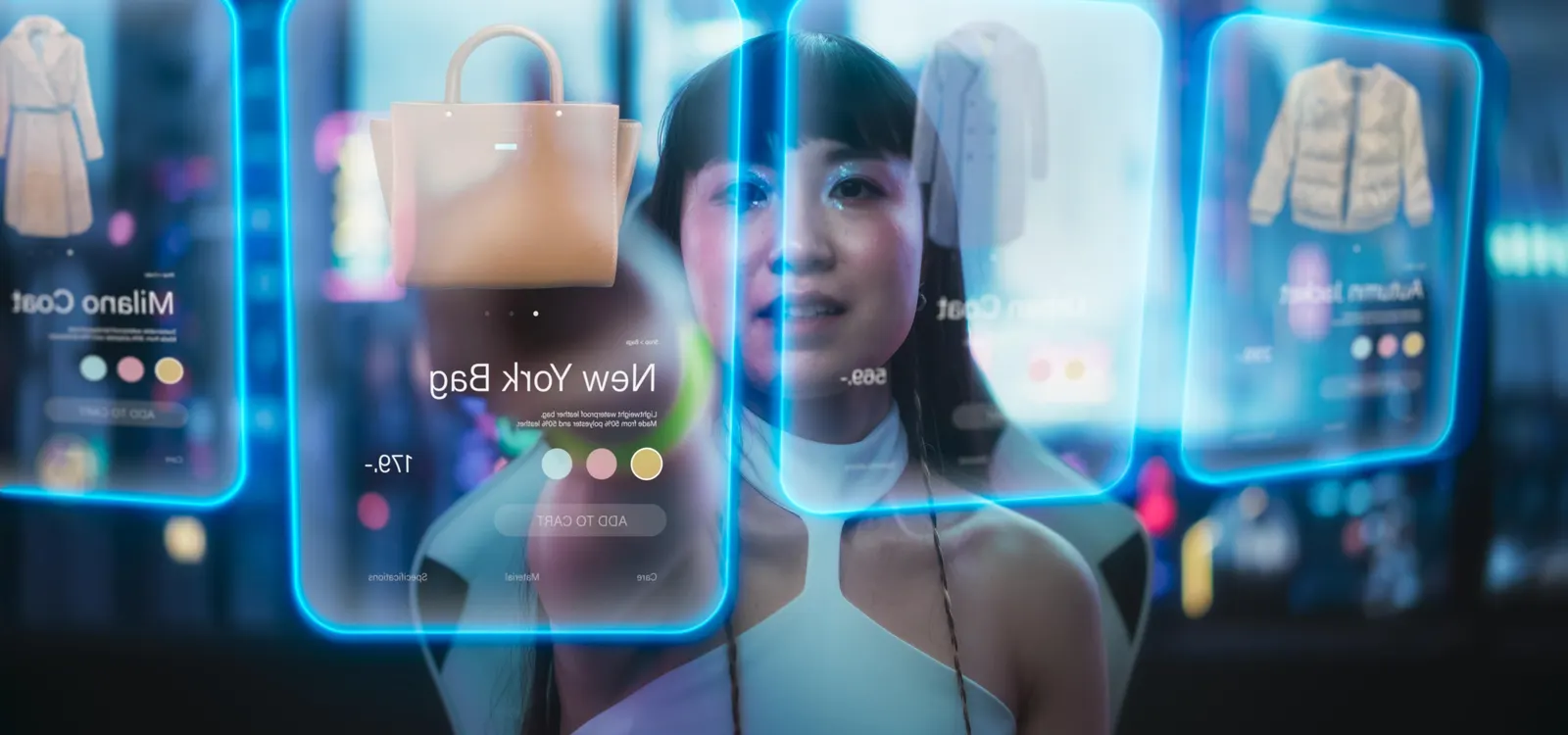
Something subtle but significant happened last holiday season — and most brands missed it.Before heading to Amazon or a retailer’s website, millions of consumers turned to tools like ChatGPT, Perplexity and Gemini to research what to buy. It wasn’t a novelty. It was a behavioral shift — one that could redefine how commerce works over the next decade.The data makes that clear. As many as 30% to 45% of U.S. consumers used AI during their holiday shopping journey. At the same time, Adobe reported a 1,200% year-over-year surge in traffic from generative AI tools to retail sites, making it one of the fastest-growing referral channels in e-commerce history — outpacing both mobile and social commerce in their early days.
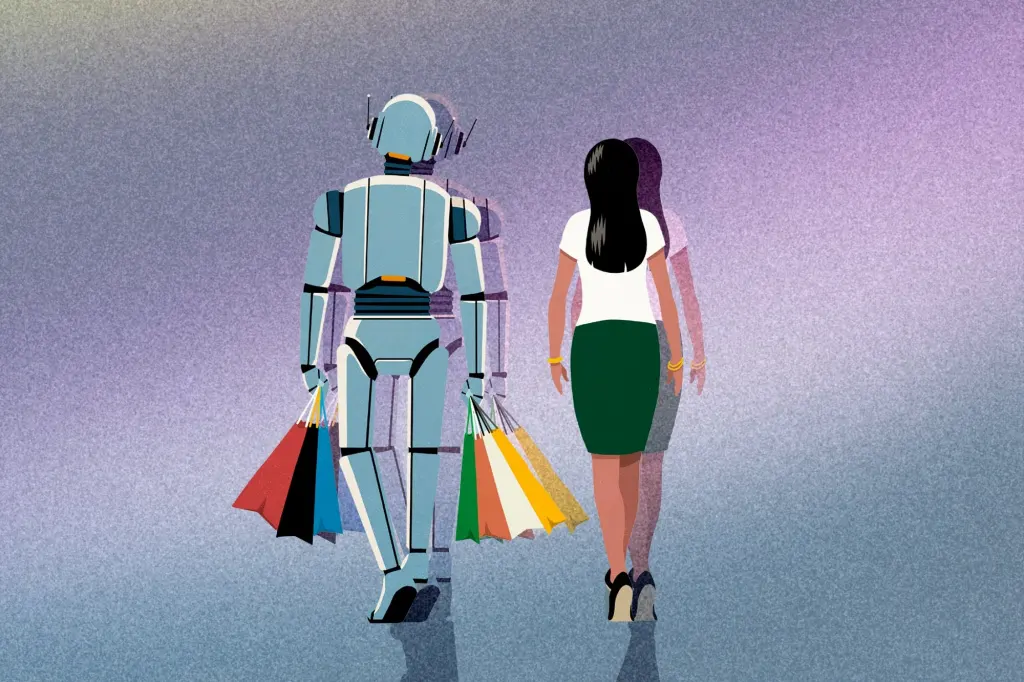
This isn’t just about people using better tools. It signals something deeper: the role of the human shopper is beginning to compress.From browsing to decidingFor years, e-commerce has revolved around discovery — getting consumers to browse, compare and ultimately convert. That model is starting to shift.
We are moving toward an economy of decision-making, where choices are made earlier and with far more guidance — increasingly by AI systems acting on the consumer’s behalf.McKinsey estimates that “agentic commerce,” where AI agents can autonomously shop for consumers, could represent a $1 trillion-plus opportunity by 2030. That’s not a niche trend. It’s a structural transformation of how products are discovered, evaluated and purchased.The new shelf space is algorithmicFor decades, brands have competed for attention — better ads, stronger branding, higher search rankings. Now the battleground is changing.In an AI-mediated shopping experience, consumers may never see a traditional search results page. Instead, an AI system curates a shortlist of options. And in that moment, your brand story matters less than your data. What determines whether your product is selected isn’t your latest campaign — it’s how clearly and convincingly your product can be interpreted by an algorithm.