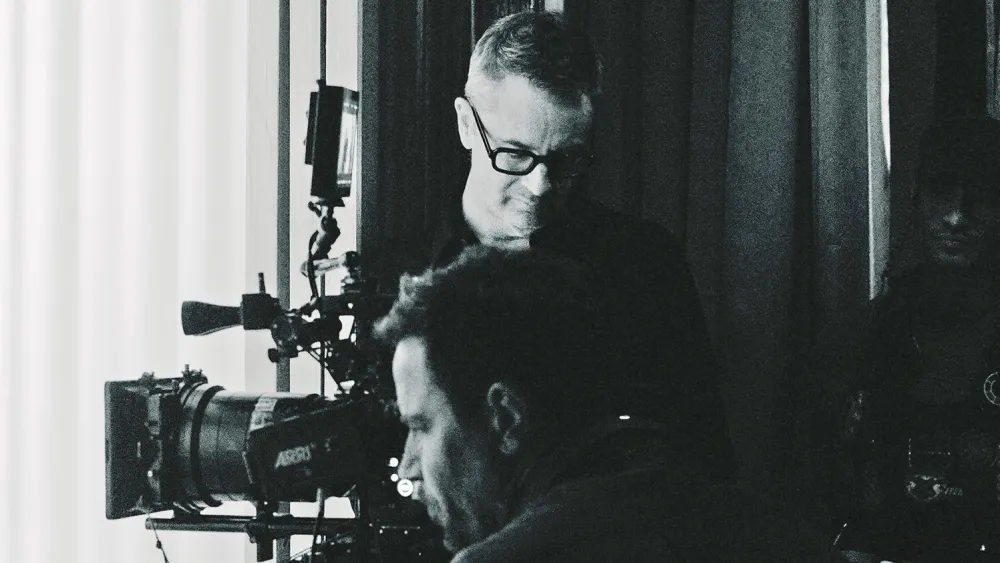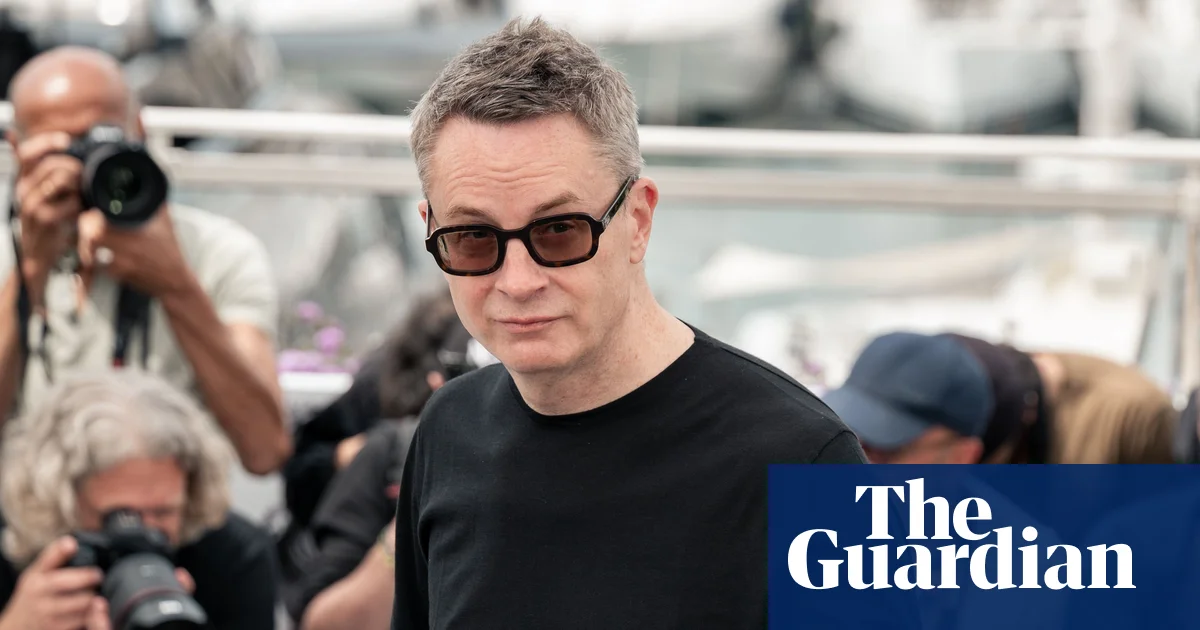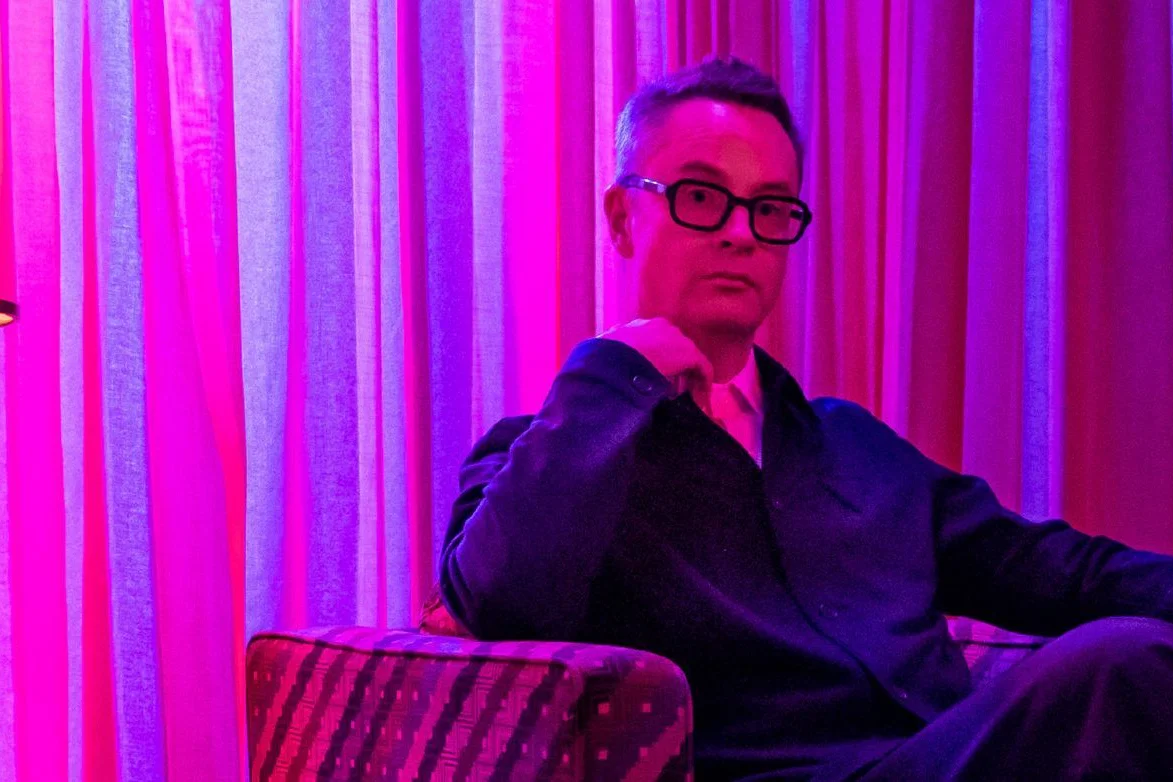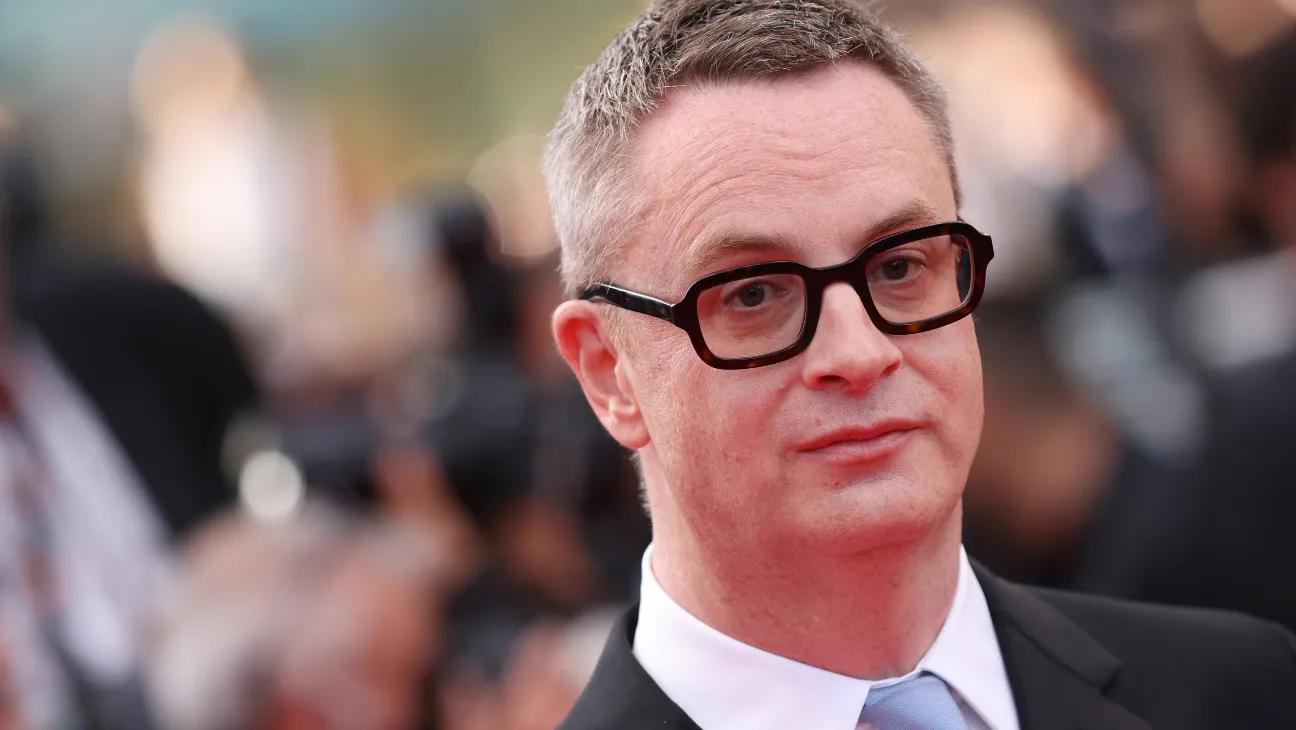
Fifteen years later, Drive is widely regarded as one of the defining films of the 21st century, turning Ryan Gosling into a screen icon and cementing Nicolas Winding Refn as one of contemporary cinema’s boldest auteurs.
According to Refn, though, almost nobody believed in it while it was being made. “Most everyone hated it,” Refn tells It Happened in Hollywood. “Up until the premiere in Cannes, there were people that wanted their name off the movie.”
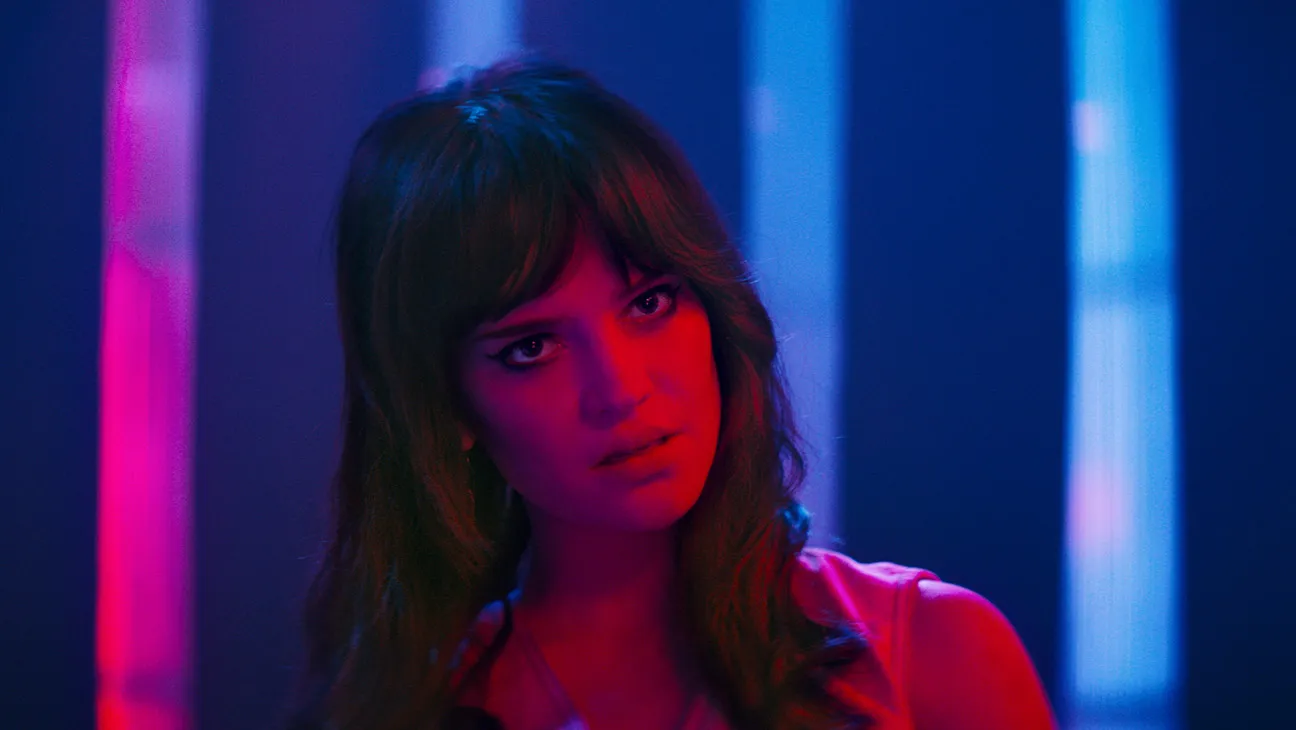
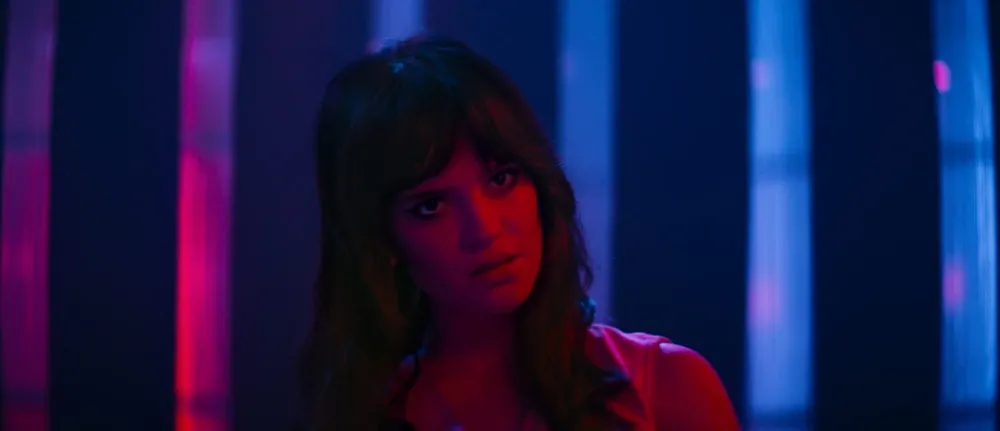
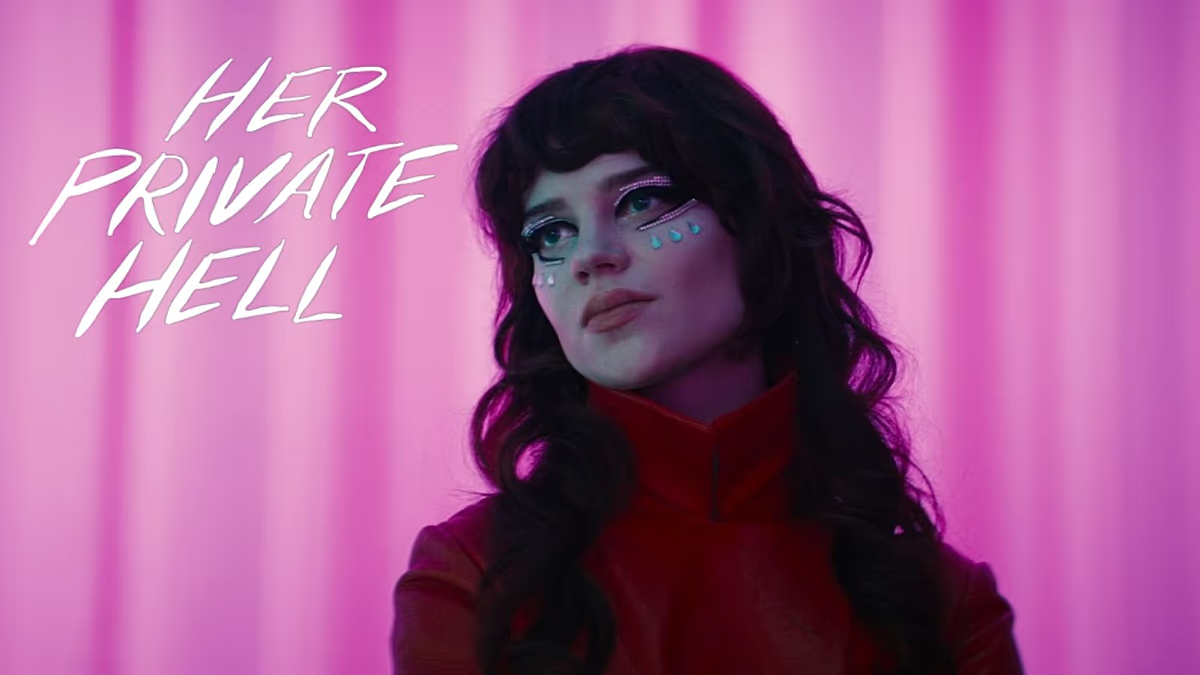
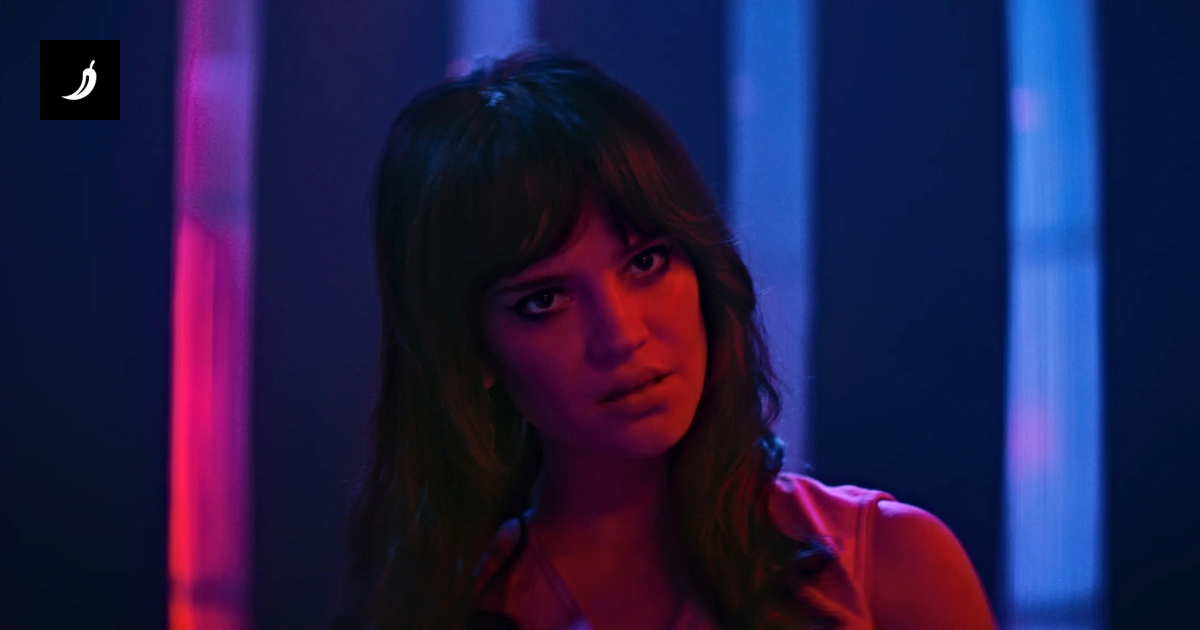
Before revisiting Drive, Refn discussed Her Private Hell, his first feature in nearly a decade. The film follows a young woman navigating a futuristic, neon-drenched urban landscape and marks the director’s return after a near-fatal medical emergency in which, he says, he was dead for more than 20 minutes.
“It made me very aware of time,” Refn says. “If you’re going to use your time, choose it well because once it’s over, it’s over.”
Refn described Her Private Hell as a reaction against algorithm-driven entertainment, arguing that cinema should challenge audiences rather than simply satisfy them. “Cinema, it’s not just a place for entertainment,” he said. “It’s a place for sharing dreams.”