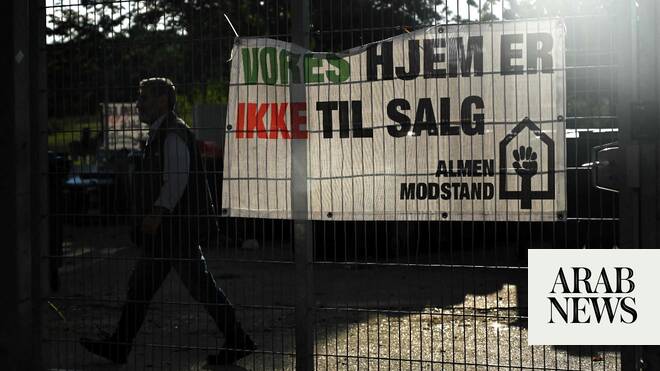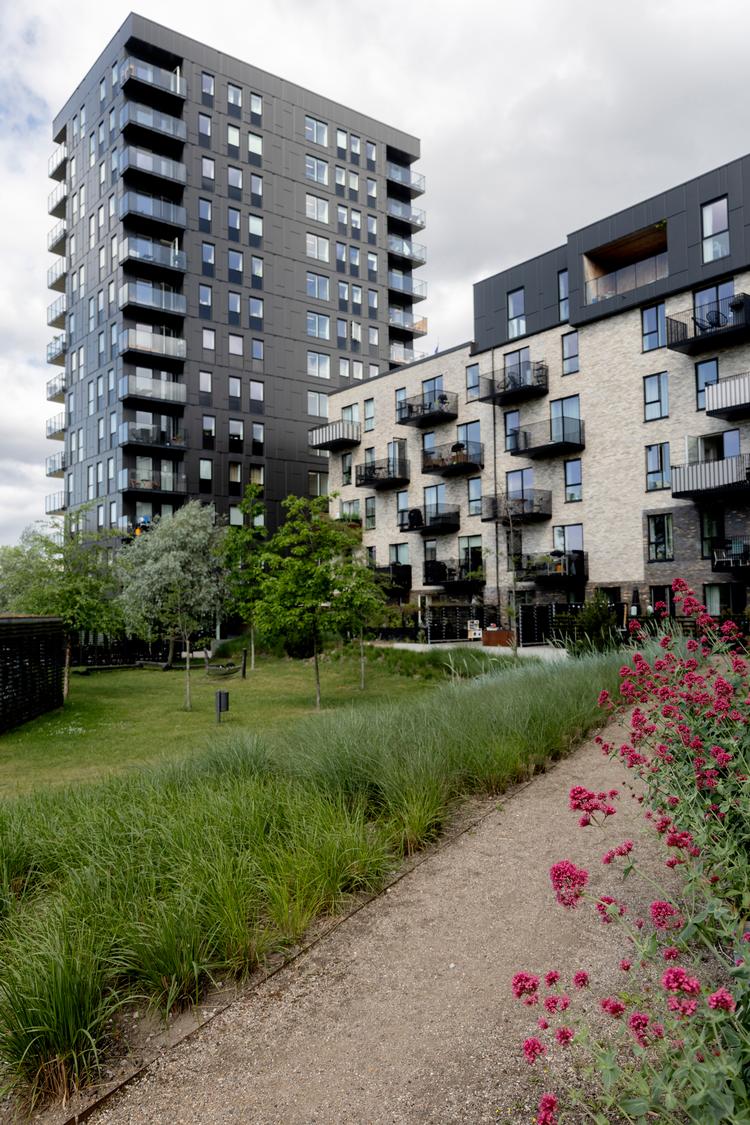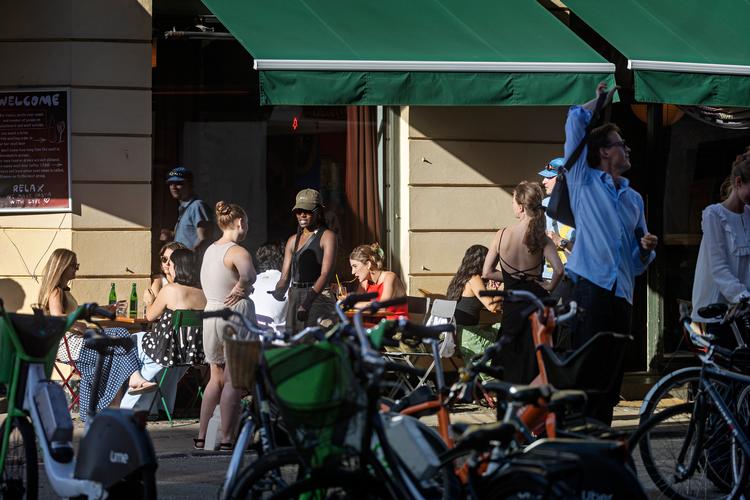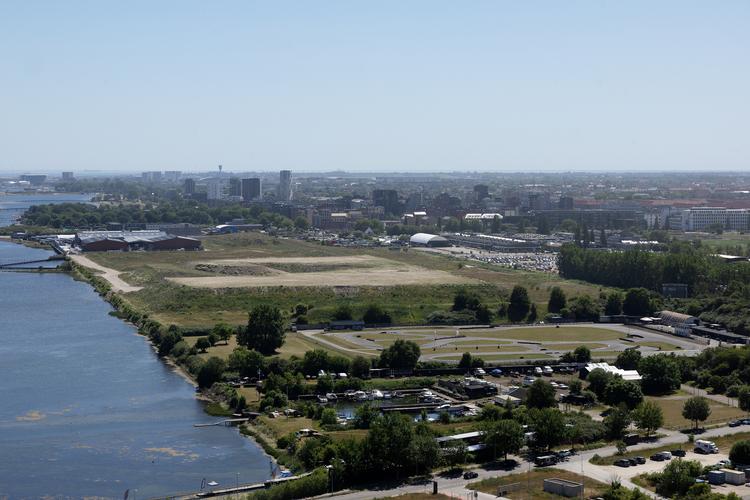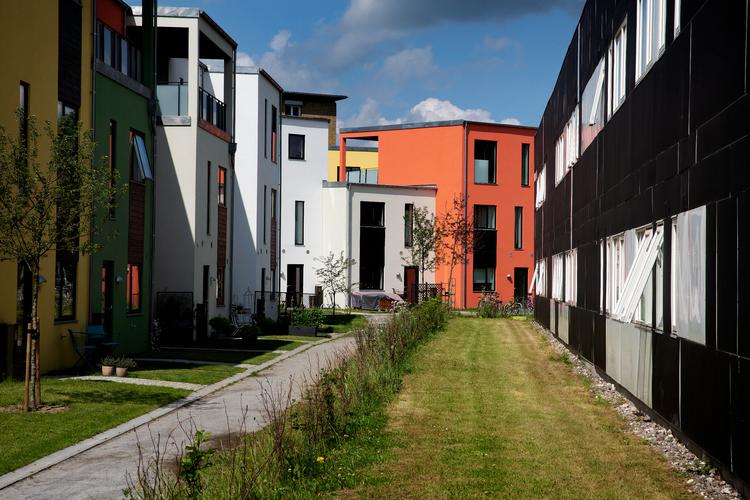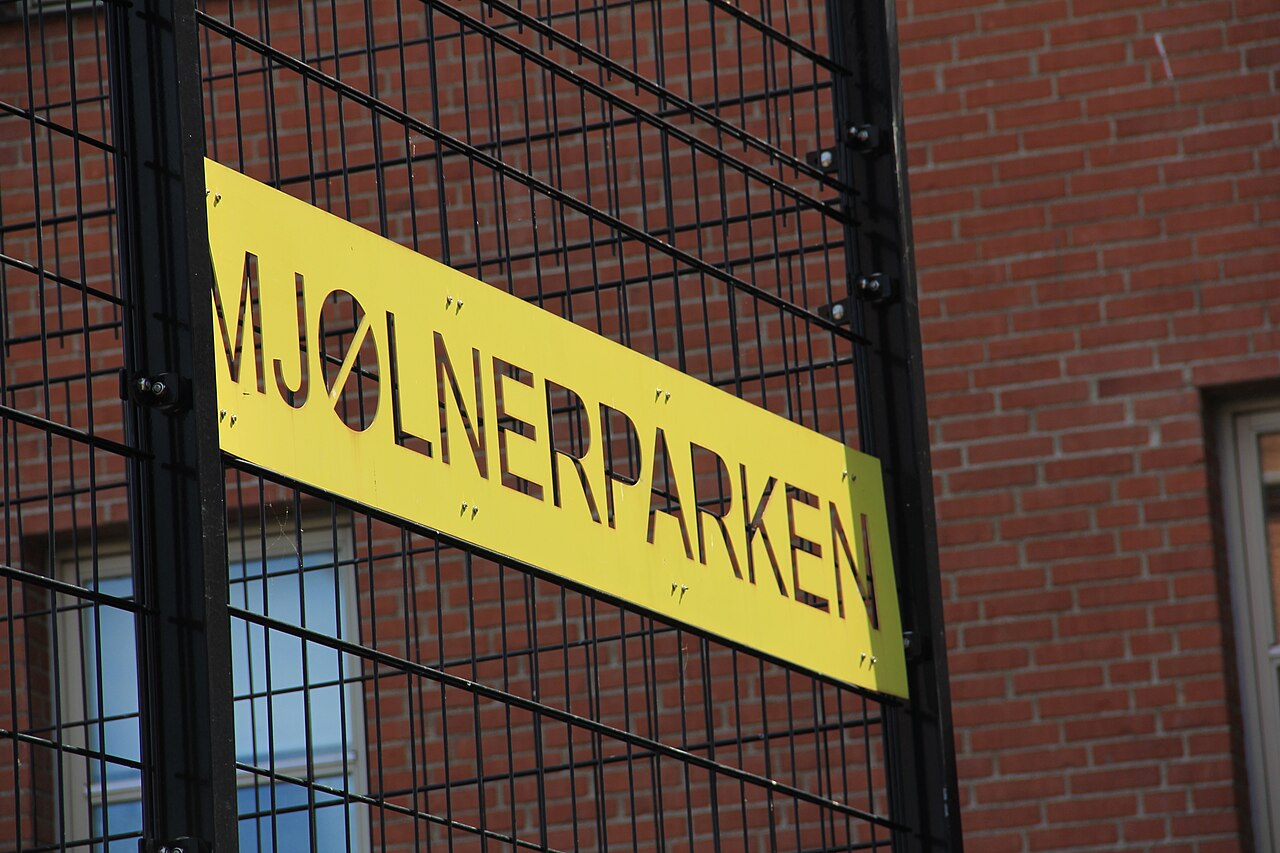
For years now, the Mjølnerparken social housing estate in the Danish capital has been a building site – politically as well as literally.
Construction hoardings, construction machinery and construction workers dominate the area around its apartment blocks in the city’s trendy Nørrebro district.
In 2018, then-prime minister Lars Løkke Rasmussen used it as the setting for the announcement of his ‘Ghetto Law’, which he said would crack down on so-called ‘parallel societies’ and finally provide a way of dealing with the failed integration of immigrants.
Under this law, social housing estates that meet certain criteria such as low educational attainment, high unemployment rates or high numbers of residents with criminal convictions have been listed as “vulnerable residential areas” and subjected to a range of measures aimed at upgrading them and breaking up the ‘ghettos’.
Over the years, however, the thresholds for these criteria have shifted, meaning that some estates remain on the list despite having improved.