ECJ ruling gives hope to residents in Copenhagen neighbourhood targeted due to its high percentage of residents with ‘non-western’ backgrounds
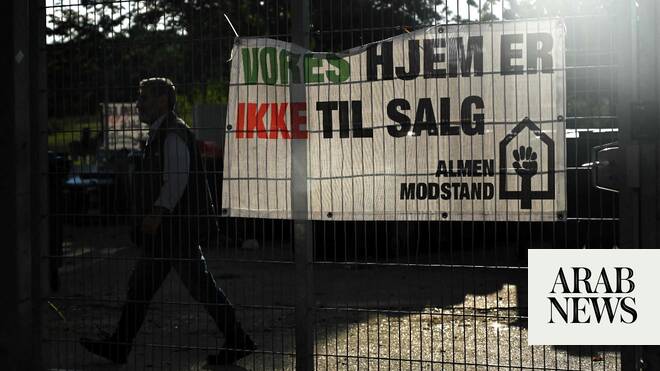
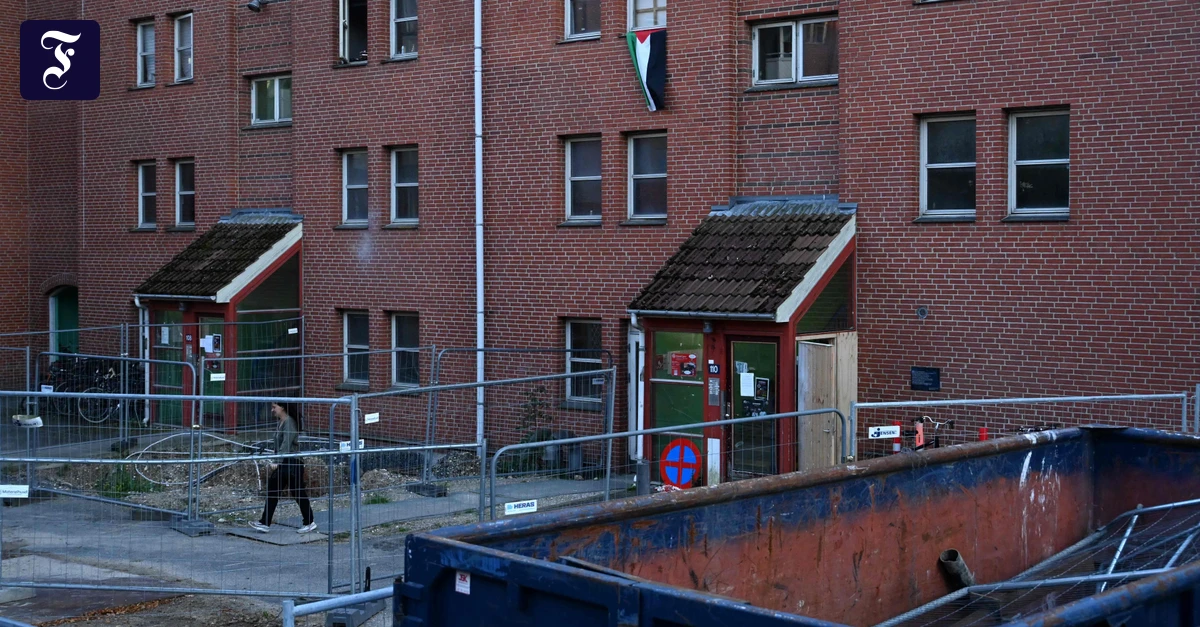
Residents of a Copenhagen neighbourhood that became an international symbol of a law in Denmark known as the “ghetto law” have said they are confident they can strike the law down in the Danish courts after the top EU court ruled that it may be unlawful.
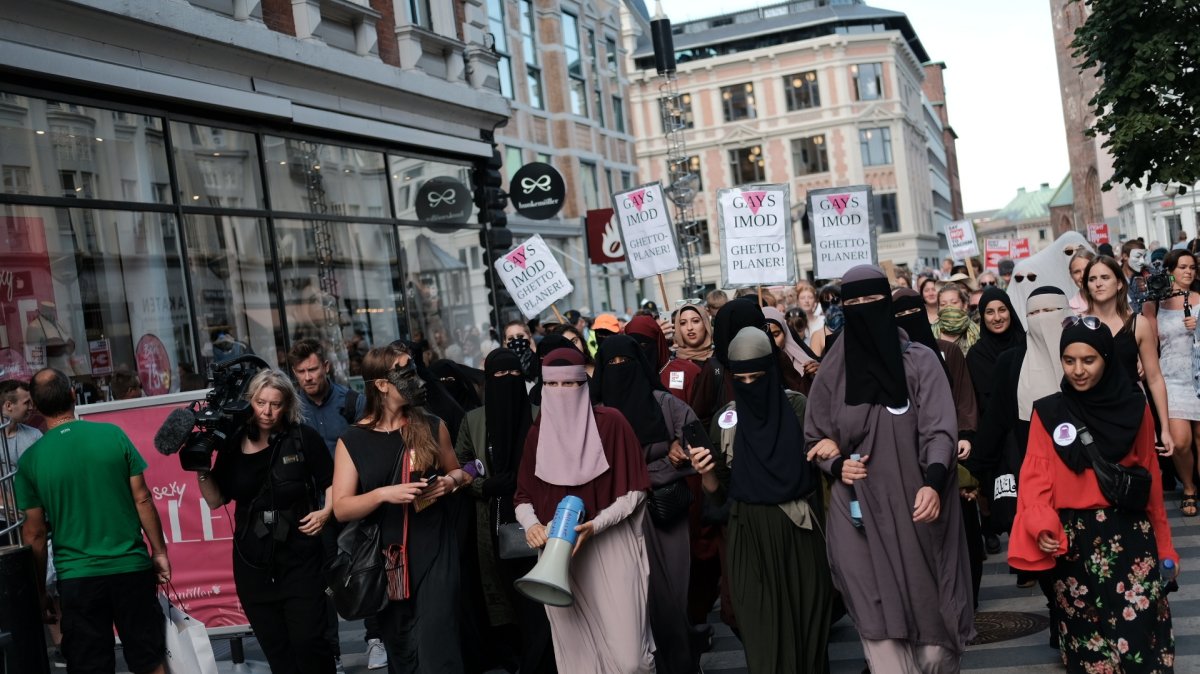
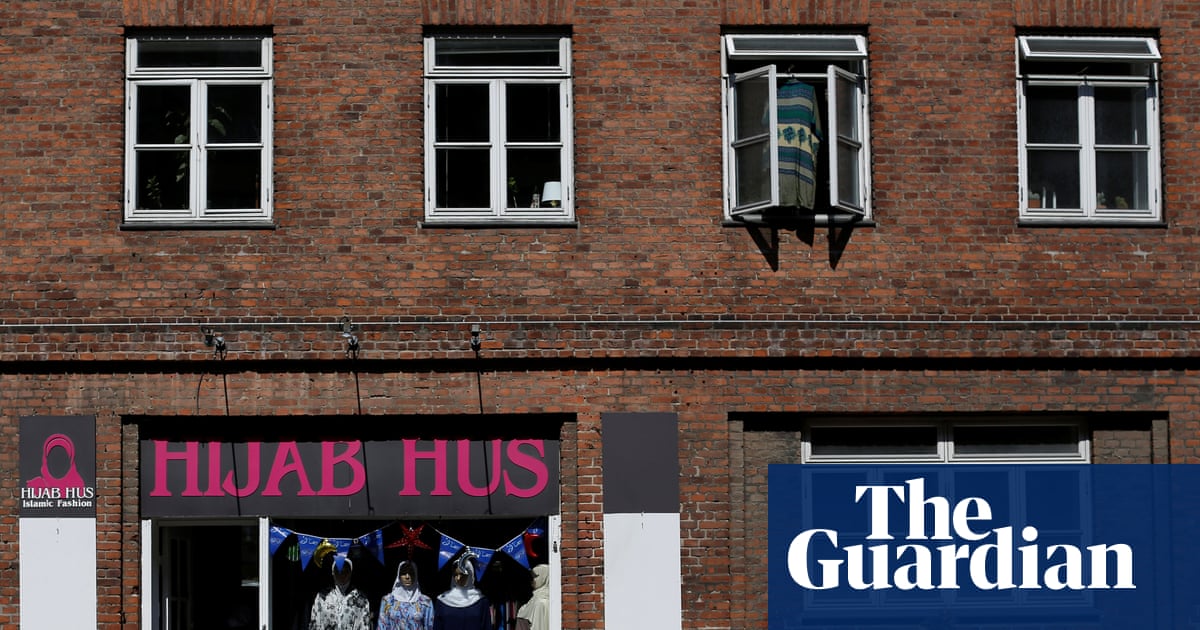
The controversial legislation, dating from 2018, allows the state to demolish apartment blocks in areas labelled “parallel societies” by the government, where at least half of residents have a “non-western” background. Formerly, the government referred to these neighbourhoods as “ghettoes”.
The law states that if these areas also have unfavourable socioeconomic conditions – for example high levels of unemployment or crime – authorities must cut social housing by 40%, including by selling or demolishing properties or terminating the lease of tenants by 2030.
In a long-awaited judgment on Thursday on whether the laws targeting these “transformation areas” are racially discriminatory, the European court of justice said the legislation may be unlawful under the EU’s race equality directive.