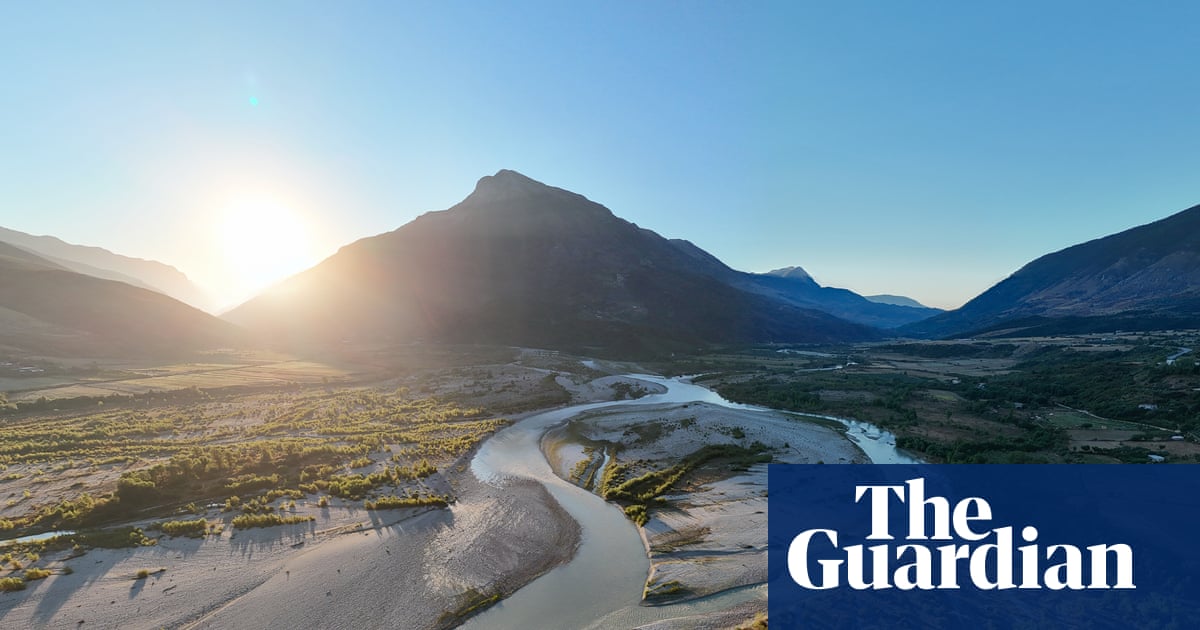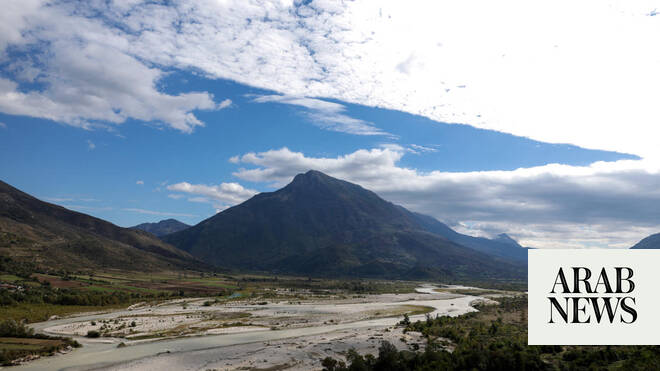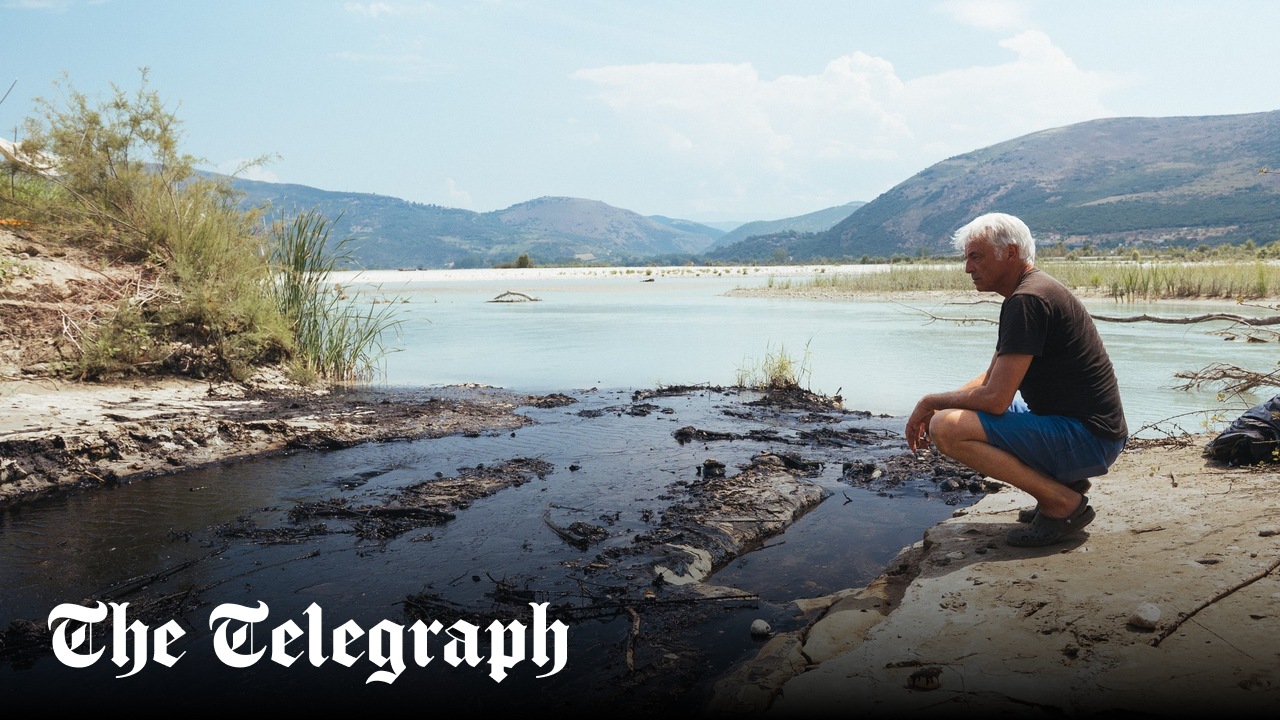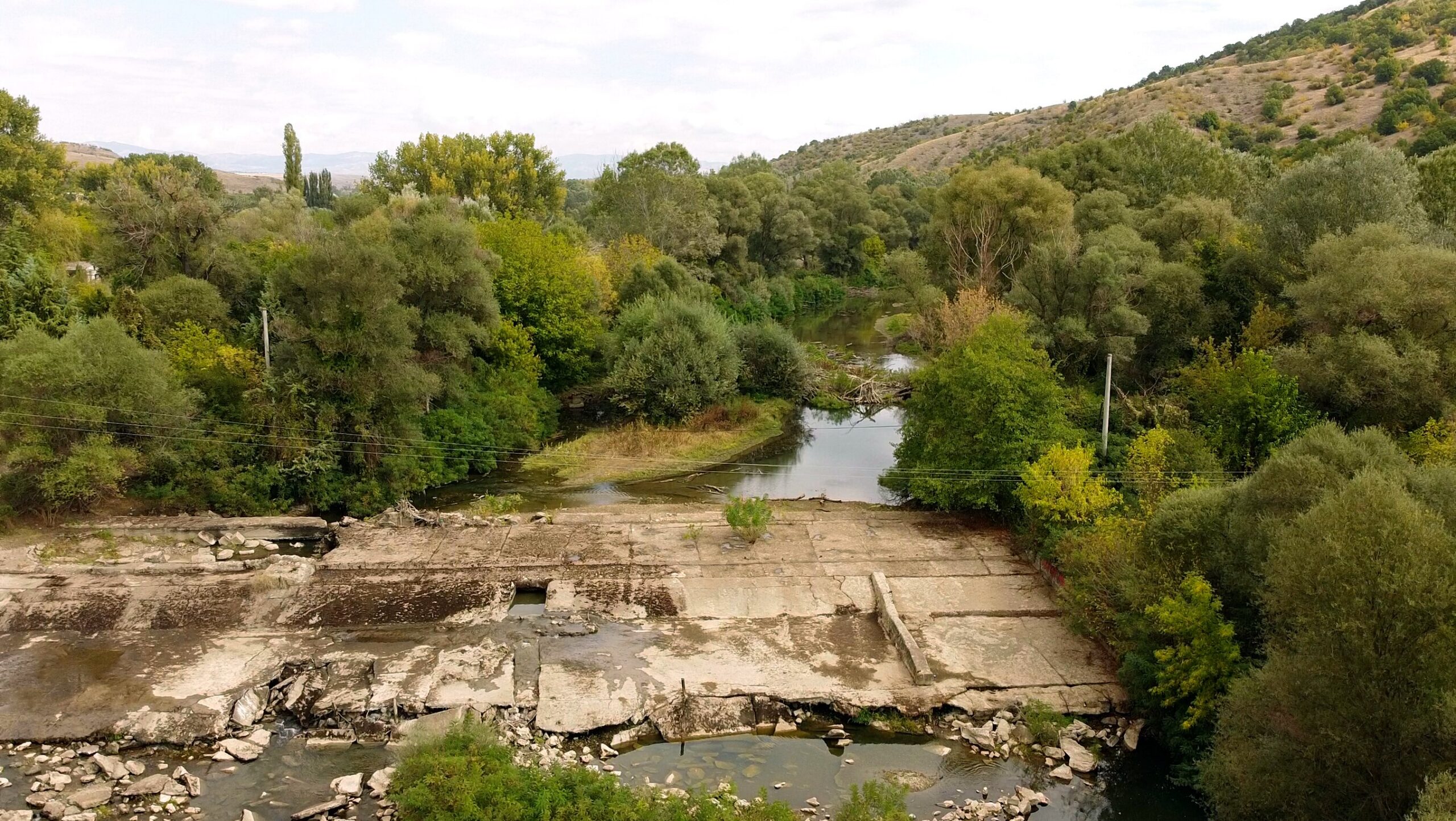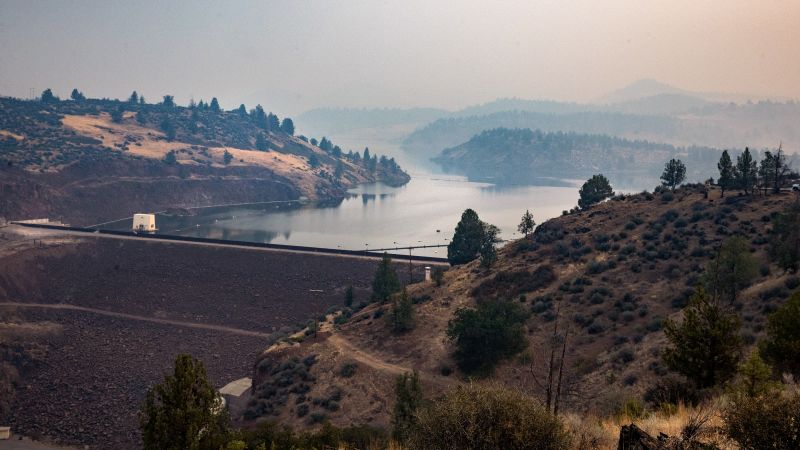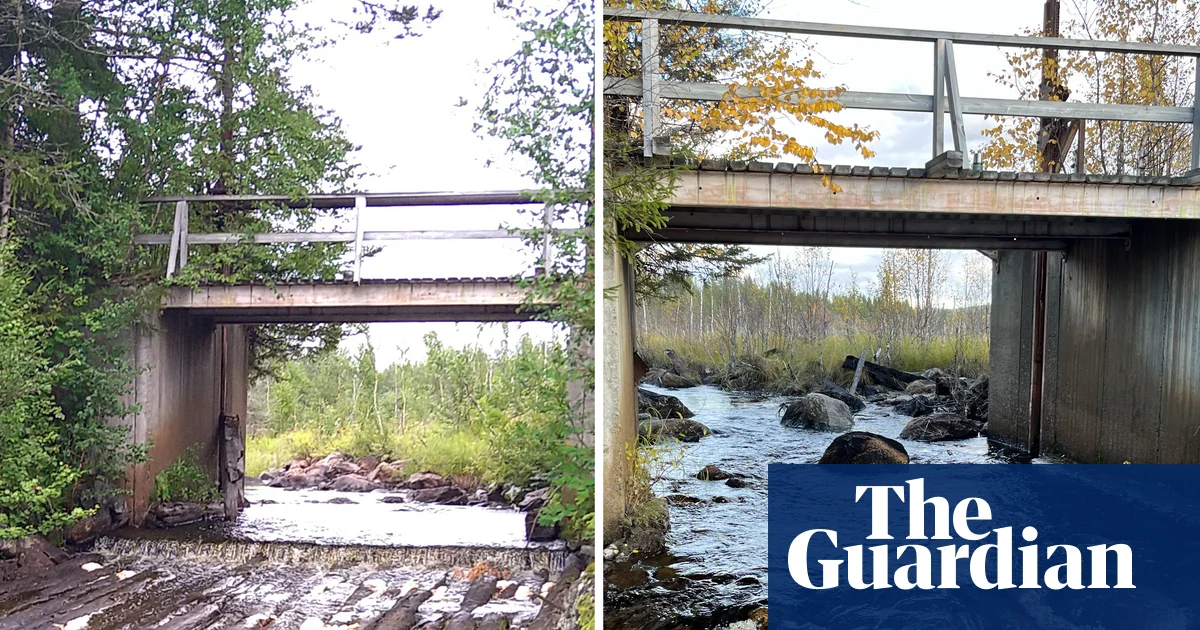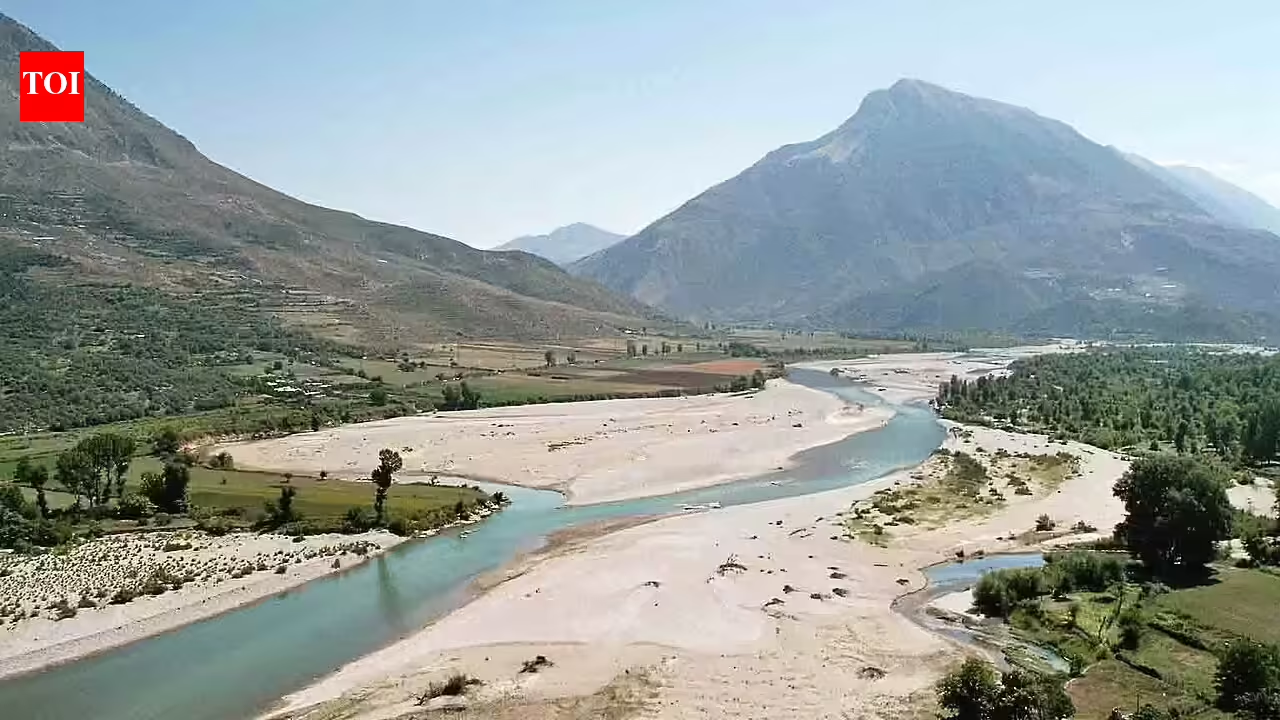
Albania has designated the Vjosa river system as Europe's first Wild River National Park. This designation protects approximately 270 kilometers of the river and its tributaries. The Vjosa river remains freely flowing, supporting exceptional biodiversity and natural processes. Image Credits: Wikimedia CommonsAcross Europe, many rivers have been altered by dams and reservoirs. Thousands of structures have significantly changed how rivers flow. In early 2023, the Albanian government designated the Vjosa river system as a national park. According to the International Union for Conservation of Nature (IUCN), it is Europe's first Wild River National Park. The protected area covers about 270 kilometres of the Vjosa river system, including the Vjosa River and its three main tributaries: the Shushica, Drino and Bënça. The designation strengthens protection against future large-scale developments such as hydropower projects and gravel extraction.The IUCN says the park resulted from years of cooperation between the Albanian government, environmental groups, scientific experts, local people and Patagonia, the outdoor company. The designation followed a lengthy conservation campaign during which researchers documented the ecological value of the river while local communities and environmental organisations advocated for stronger legal protection.Why the protection of a freely flowing river is importantThe Vjosa, known in Greece as the Aoös, flows through Albania and drains into the Adriatic Sea. It has remained a freely flowing river, continuing to shape its floodplains through natural processes such as the formation of gravel banks, side channels and wetlands. Unlike rivers that have been extensively modified by dams and channelisation, the Vjosa still experiences seasonal flooding and natural sediment movement. These processes continually reshape the river corridor, creating habitats that support a range of plants and animals throughout the year.According to the IUCN, these habitats support exceptional biodiversity, with more than 1,100 recorded animal species living within the river corridor. The area provides habitat for species including the Eurasian otter, the endangered Egyptian vulture and the critically endangered Balkan lynx, along with numerous fish species that depend on connected river habitats during different stages of their life cycles. The river system also contains a wide range of freshwater and riparian habitats, allowing species that rely on flowing water, gravel islands and floodplain vegetation to complete different stages of their life cycles. Maintaining these connected habitats is important for preserving ecological processes within the river basin.Before the national park was established, several hydropower projects had been proposed within parts of the river system. Conservation groups argued that these developments could alter the river's natural flow, affect sediment movement and fragment habitats that support wildlife. The new national park designation significantly strengthens protection for the river system and helps preserve its natural ecological processes.The designation also highlights the ecological importance of one of Europe’s few large free-flowing river basins. Unlike most rivers in Europe, which have been heavily altered by human activity, the Vjosa has preserved natural river processes lost elsewhere. Because the river remains connected from its upper reaches to the sea, aquatic species can move through the system without encountering the barriers commonly found on regulated rivers. Scientists consider this connectivity important because it supports migration, breeding and the natural transport of water and sediments.This protected area will now foster eco-tourism and benefit local communities. The park resulted from collaboration between government, experts, and environmental groups. Image Credits: Wikimedia CommonsExample of conservation and sustainable tourismThe establishment of the first Wild River National Park in Europe is intended to serve both conservation and community purposes. Instead of prioritising industrial development, the protected area could support eco-tourism and local services. According to the IUCN, protecting the river's natural character can help support sustainable tourism while benefiting local businesses and communities over the long term.The Vjosa already offers opportunities for activities such as rafting, kayaking, hiking and wildlife observation. These forms of nature-based tourism depend on maintaining the river's natural condition and provide an alternative source of income for businesses connected to outdoor recreation and hospitality. The IUCN notes that conserving healthy river ecosystems can complement local economic development when tourism is managed sustainably.As per IUCN, the creation of the Vjosa Wild River National Park resulted from collaboration between the Albanian government, conservation organisations, scientific experts, local communities and Patagonia.The Vjosa has attracted international attention because few large rivers in Europe still retain much of their natural flow. As many rivers across the continent have been modified for hydropower, flood control and navigation, the Vjosa offers researchers an opportunity to study river processes that remain relatively undisturbed. According to the IUCN, protecting these remaining free-flowing systems helps conserve freshwater biodiversity and maintain naturally functioning river ecosystems.The Vjosa river system now has protected status intended to conserve its free-flowing character and the biodiversity it supports. According to the IUCN, the designation provides a framework for protecting the river system while allowing future management decisions to prioritise its ecological value. The Vjosa Wild River National Park reflects growing efforts to protect natural rivers and the species that depend on them while balancing conservation with sustainable development.
In 2023, Albania created Europe’s first Wild River National Park, protecting about 270 km of the Vjosa river system
Across Europe, many rivers have been altered by dams and reservoirs. Thousands of structures have significantly changed how rivers flow.
830 words~4 min read