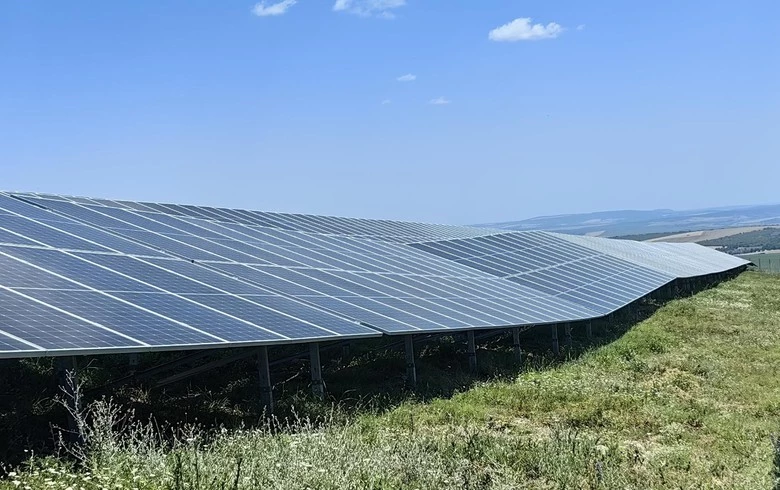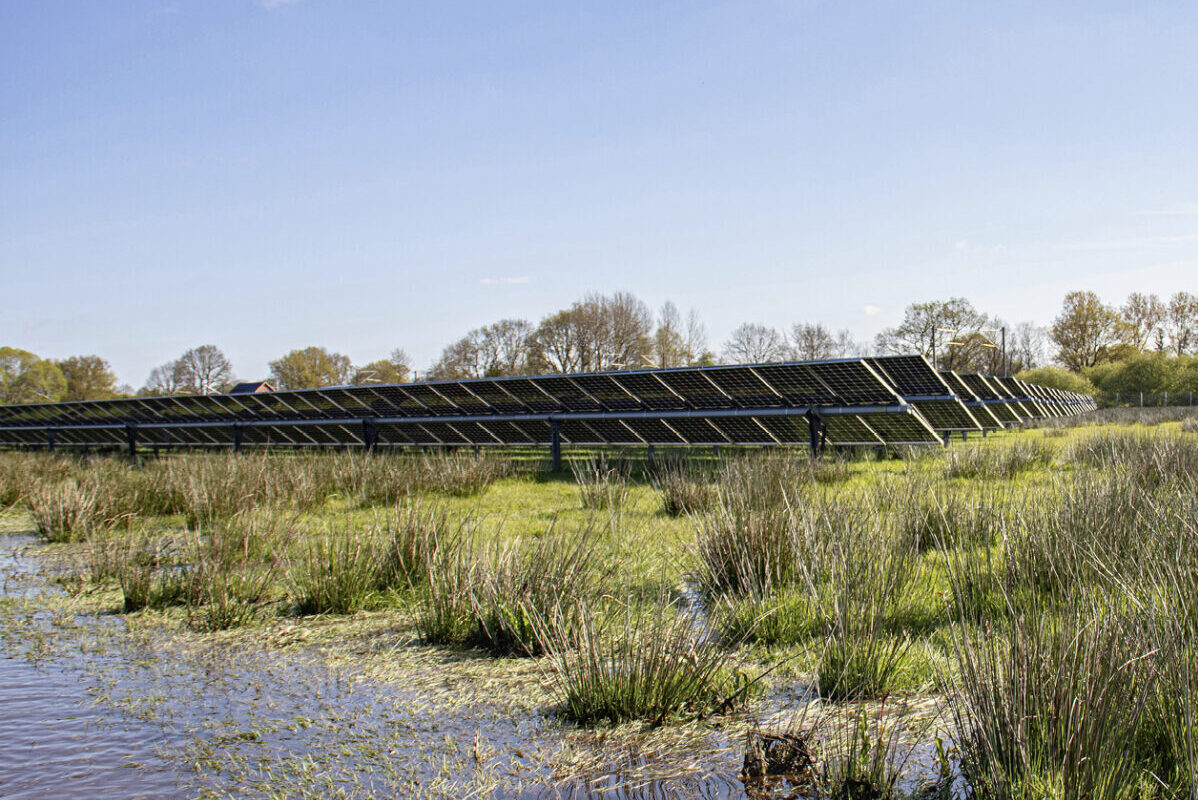
Fraunhofer ISE has identified up to 268 GW of solar potential on degraded peatlands in Germany. A new guidance document outlines how peatland PV projects can support emissions reductions while creating new opportunities for landowners and farmers.
Since the introduction of the reform of the Renewable Energy Sources Act (EEG) in 2023, photovoltaic installations on re-wetted peatlands have been eligible for support. While the topic attracted significant attention at industry events following the policy change, interest has since waned. A new guidance document aims to renew interest in the sector after the Fraunhofer Institute for Solar Energy Systems (Fraunhofer ISE) identified a technical potential of 134 GW to 268 GW for peatland PV systems across Germany.
According to the study, around 334,500 hectares of peatland could be made available for solar power generation. These areas consist of degraded, drained peatlands previously used for agriculture and not subject to nature conservation restrictions.
The guidance document is intended for agricultural businesses, PV developers, and public authorities. It provides an overview of the current state of technology for peatland PV systems and outlines recommendations for planning, implementation, operation, maintenance, and decommissioning. It also examines policy requirements, technical challenges, and the applicable legal framework.