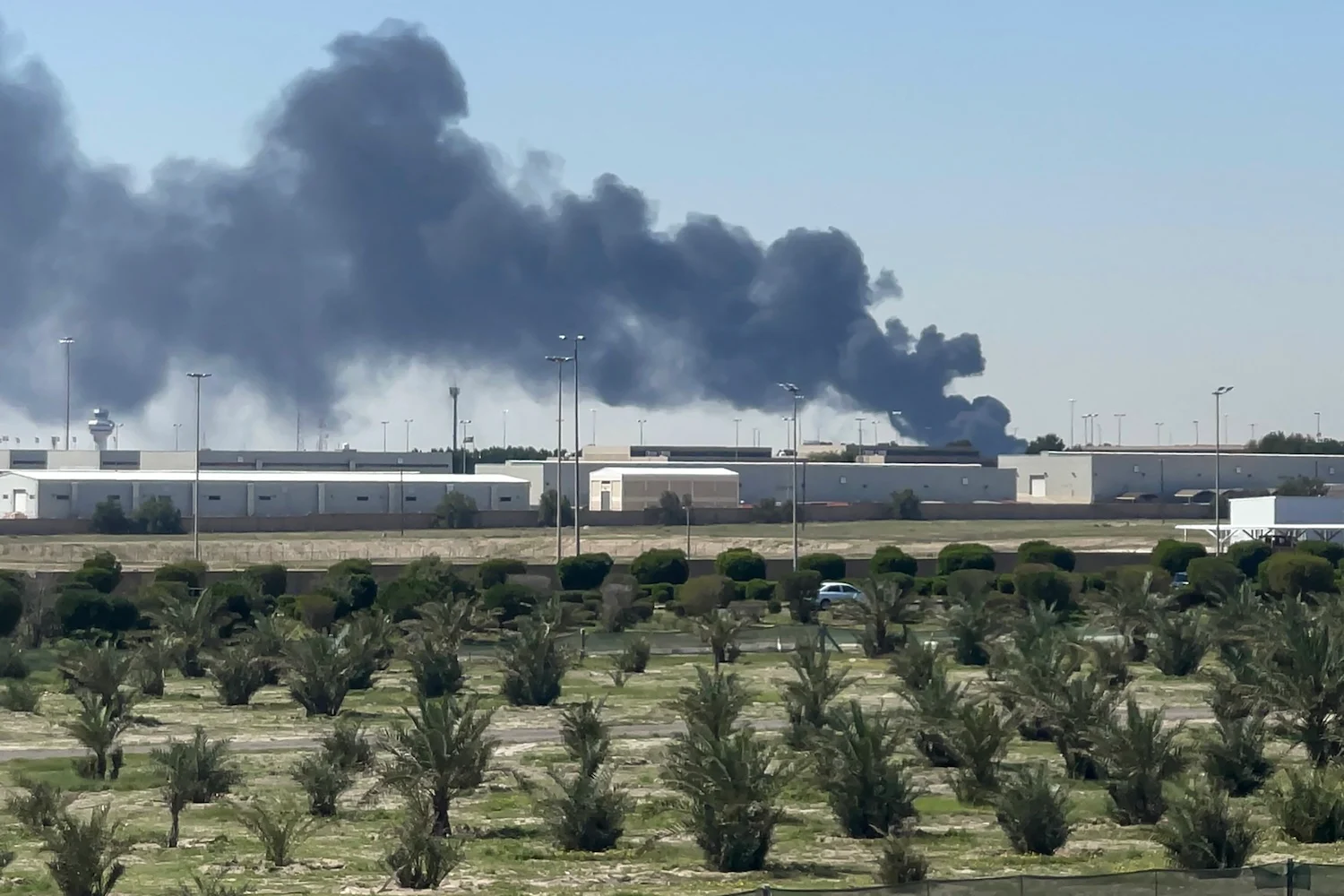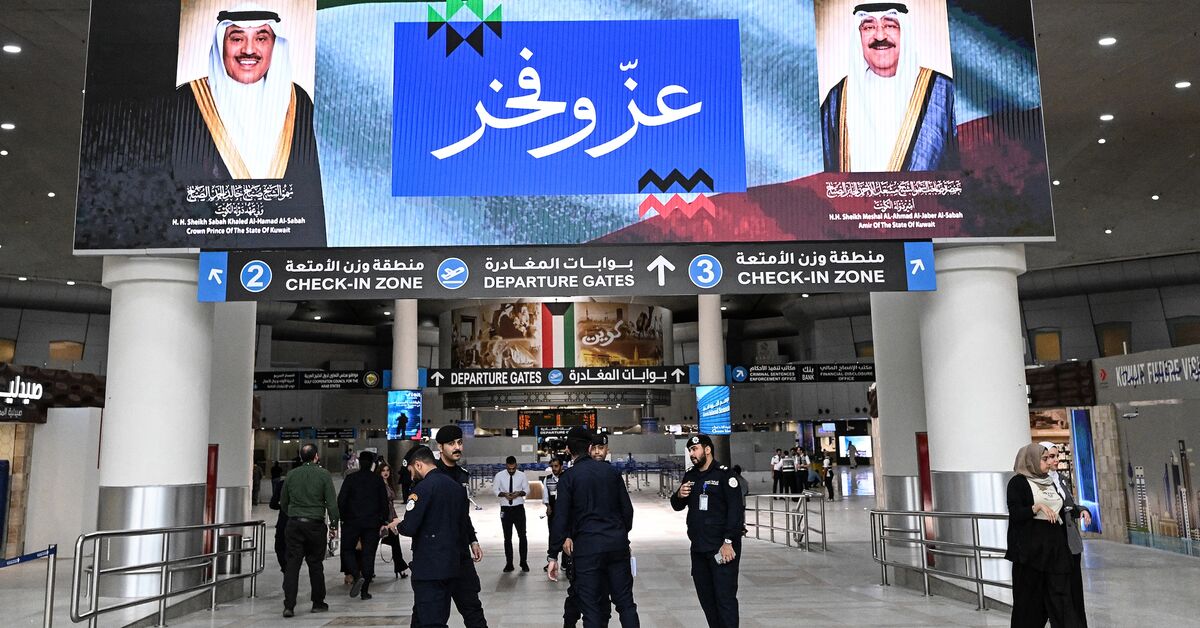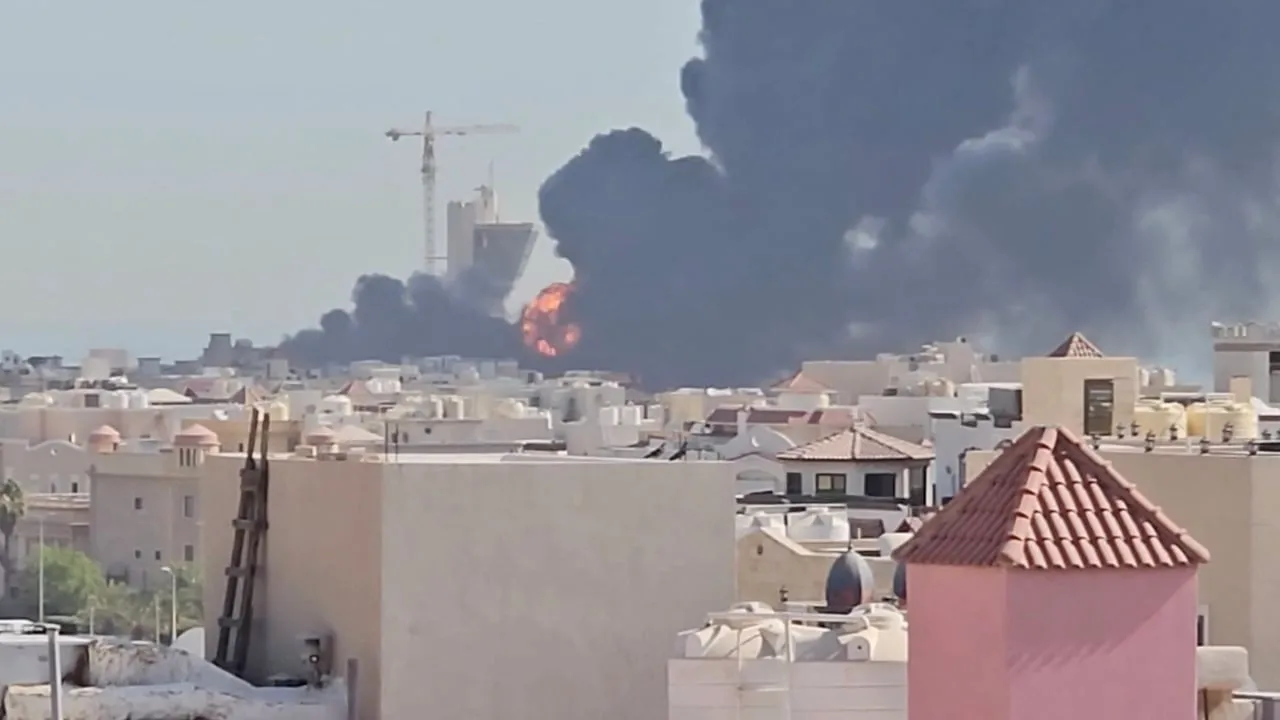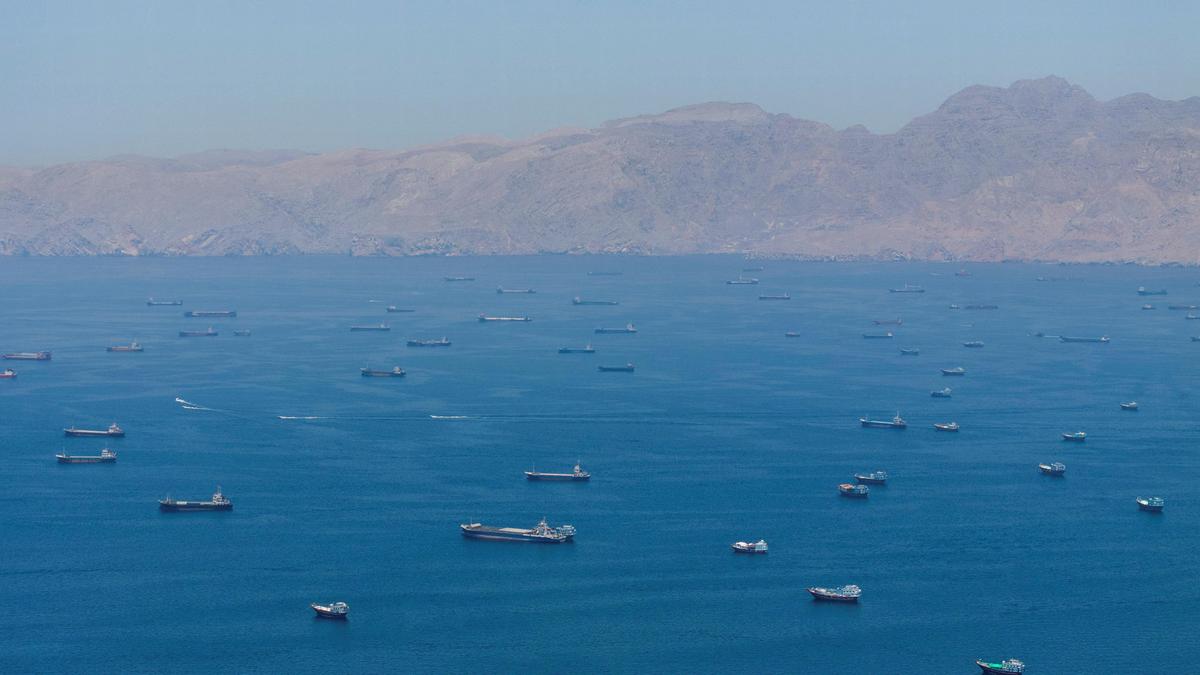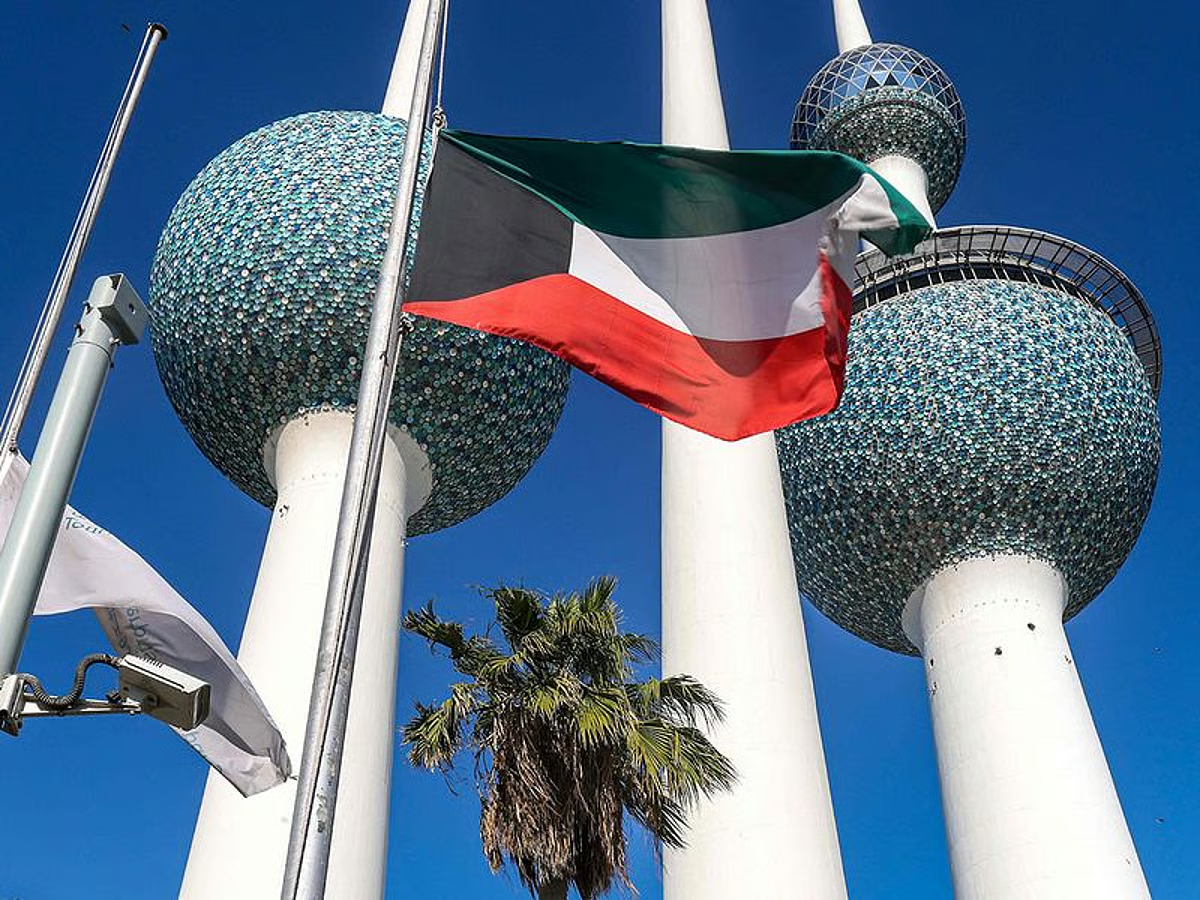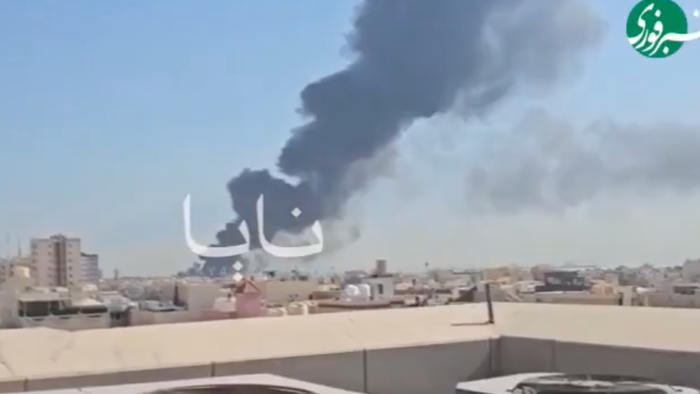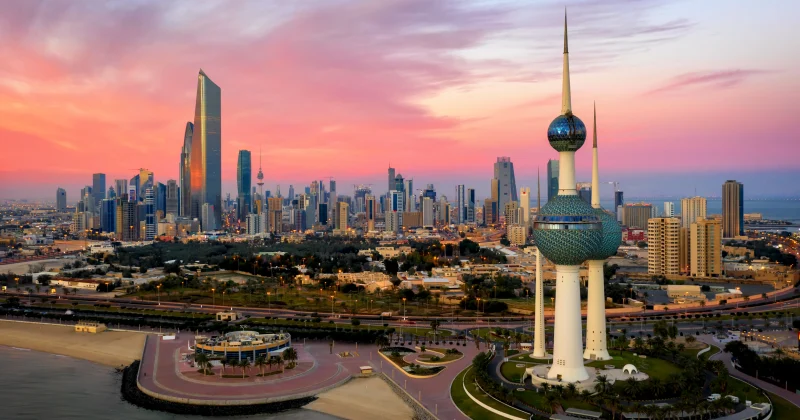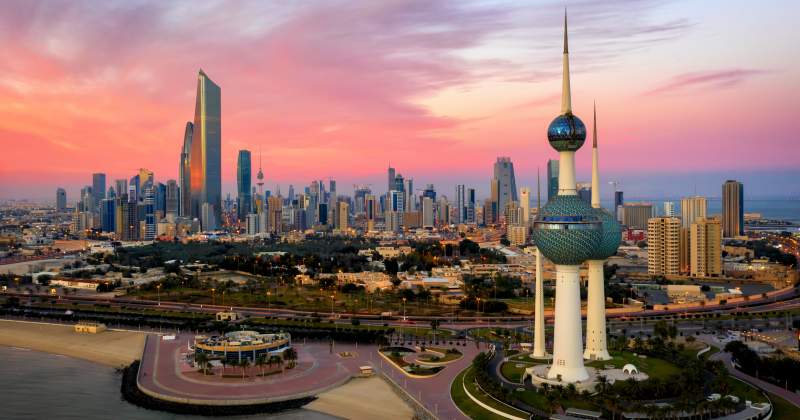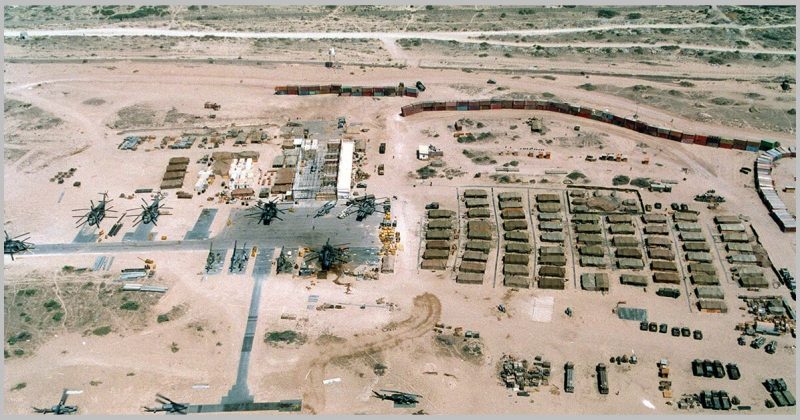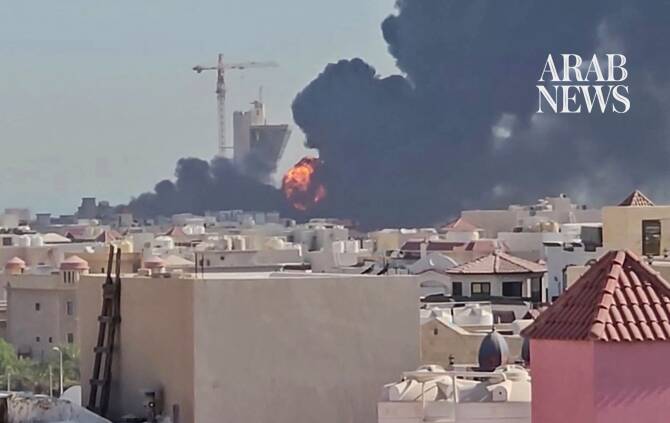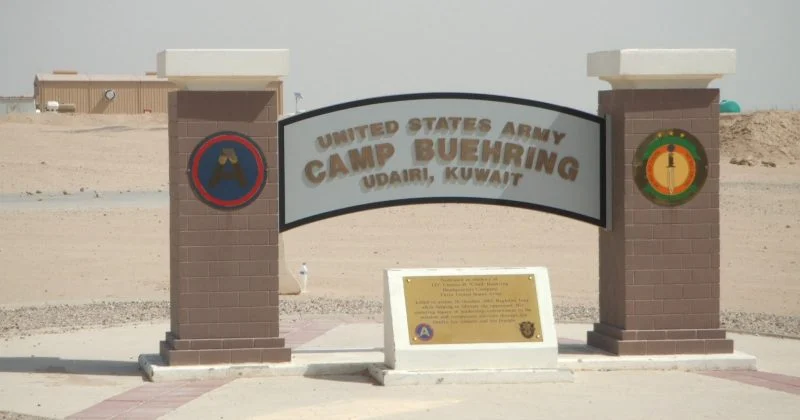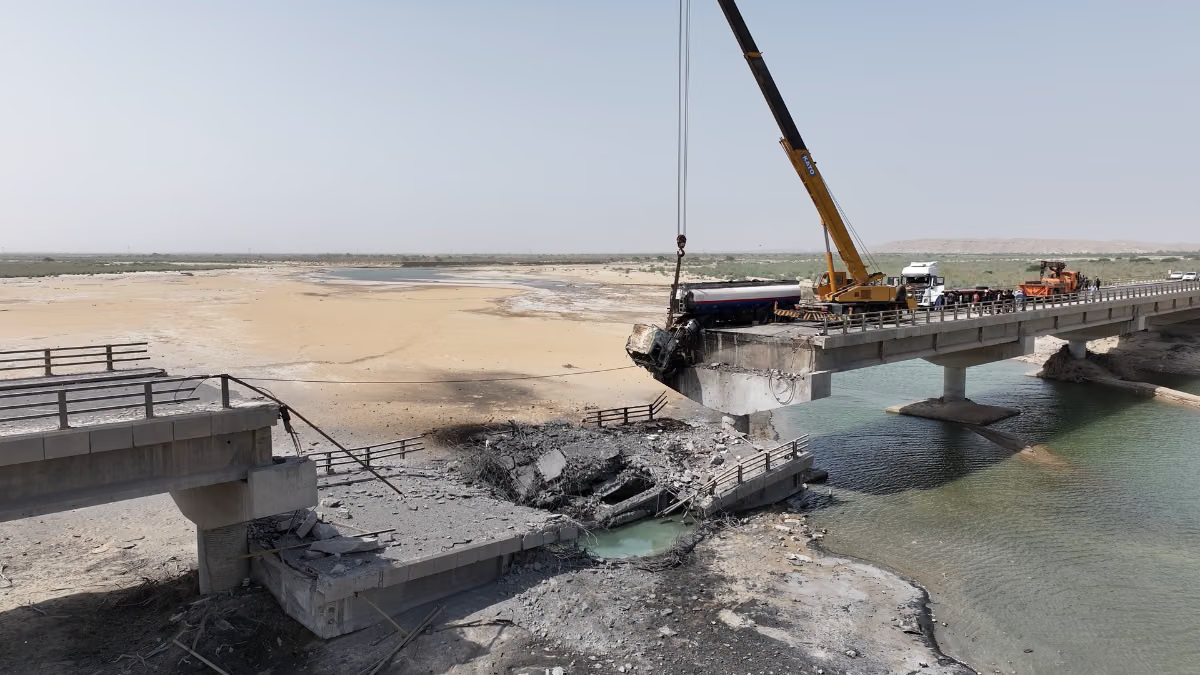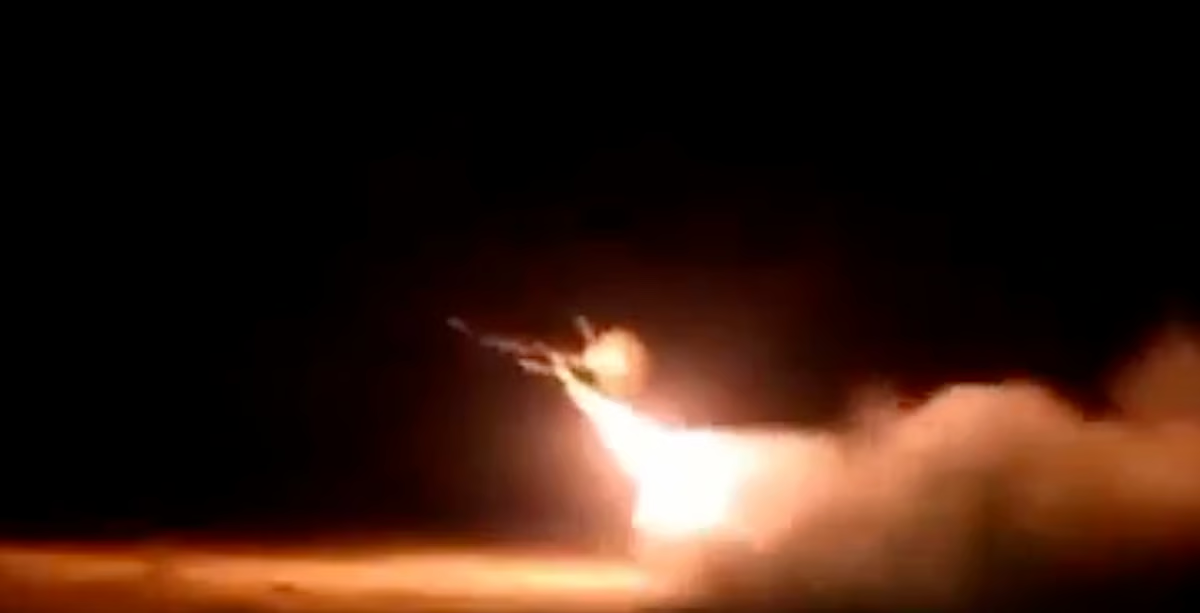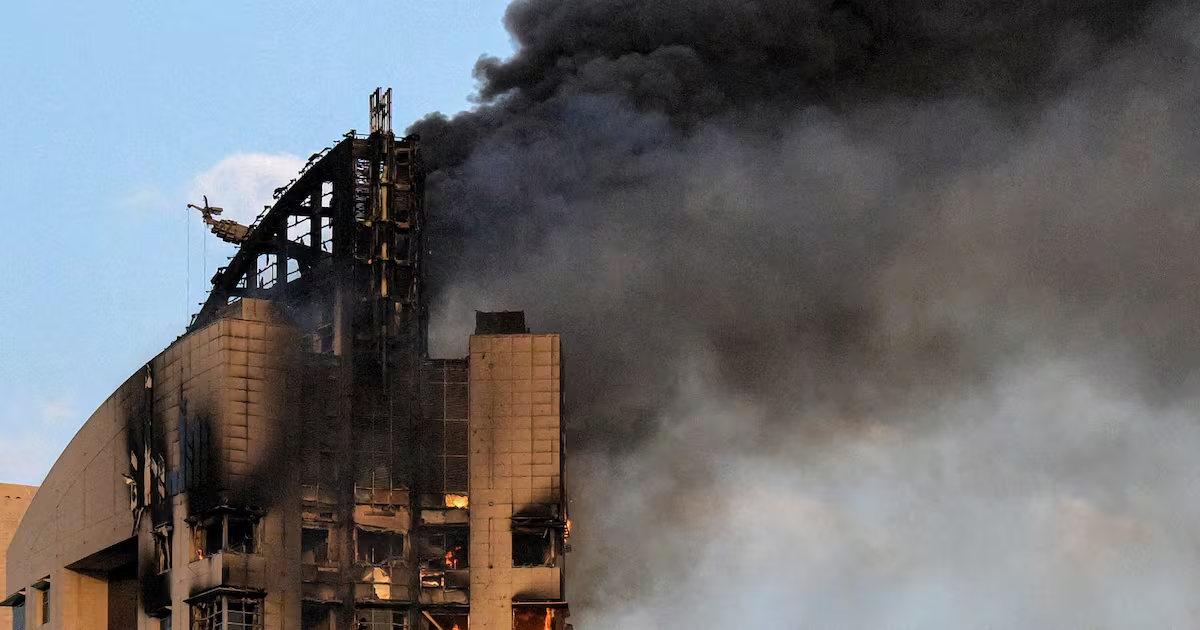
In the decades after US and allied troops pushed forces from Saddam Hussein’s Iraq out of Kuwait in Operation Desert Storm, war had become a distant but lingering memory for inhabitants of the small Gulf state.Yet since Tehran began firing on Kuwait in February, Yaqoub (30) – whose family lives near the US embassy in the capital city – said locals have become familiar with the sounds of everything from ballistic missile interceptions to the buzz of drones.“People are very scared,” Yaquob, who asked to be identified with a pseudonym, said. “This is not Gaza or Iran or other war zones, but at the same time we are not used to living in a crisis.”The sense of fear is particularly potent in Kuwait, which is still scarred by the trauma of the 1990 Iraqi invasion – a unique experience that sets it apart from other Gulf Arab states.Since the US-Israeli war against Iran started in February, Kuwait’s proximity to the Islamic republic and high concentration of US troops have made it an easy target for Tehran’s short-range missiles. Kuwait was also heavily attacked by Iran-backed Iraqi Shia militias across its northern border.Kuwait has been targeted by nearly 1,400 missile and drone attacks, according to Israeli think tank the Institute for National Security Studies, second only to the United Arab Emirates – and has borne the brunt of renewed strikes since a fragile weeks-long ceasefire between Washington and Tehran broke down this month.Over the past week, Iran has repeatedly said it targeted US bases in Kuwait, which – in a legacy of US wars in Iraq – are typically home to about 13,500 US military personnel.Kuwaiti authorities say Tehran has also attacked its airport, along with multiple attacks on oil infrastructure, power and the water-desalination plants on which it depends for more than 90 per cent of its drinking water.Attacks on power plants last week prompted authorities to urge the public to cut energy consumption, a difficult ask in summer months when air conditioning is essential to cope with temperatures soaring to nearly 50 degrees.After the first Iranian strikes on Kuwait, Iran’s Revolutionary Guards issued a statement addressed to the population of Kuwait, urging them to “seize every opportunity to destroy the institutions of the aggressor Americans”.But the intensity and frequency of the attacks came as a surprise to some observers in Kuwait, which before the war enjoyed relatively cordial relations with Iran. Hundreds of pilgrims from the country’s Shia minority took regular direct flights to visit shrines in the Islamic republic.Smoke rises from an area of Kuwait's international airport after a reported drone strike on April 1st, 2026. Photograph: AFP via Getty Images Kuwait has also refrained from taking as hawkish a stance against Tehran as Bahrain and the UAE, which previously indicated it could join a naval force to reopen the Strait of Hormuz and even launched secret air strikes against Iran earlier in the war.But the UAE, which sought to de-escalate tensions with Iran in recent weeks, has not been the target of direct Iranian fire during the latest flare-up. Iran has also only once fired missiles at Saudi Arabia during the escalation, targeting a US base, and instead has focused its fire on Kuwait, Bahrain and Jordan, while also launching a few strikes on Qatar and Oman.“We are in an unenviable position when it comes to the limitations of geography that helped [Iran] pursue its agenda: we are one of the smaller states where the targets are compressed and surrounded by one another,” said Bader al-Saif, an assistant history professor at Kuwait University. “Their repeated attacks on Kuwait aim to instil a ‘fear factor’ but life remains as usual.”Saif added that “the scale of the last few days is unprecedented. It goes beyond the targets of the current war. It’s as if they are venting out. And it’s not so much against Kuwait the country alone as much as it is against the Gulf as a model”.Vehicles drive along the highway in Kuwait City. Photograph: YASSER AL-ZAYYAT/AFP via Getty Images Along with neighbours like the UAE, Kuwait had tried to capitalise on a model that presented the Gulf as an oasis of stability and prosperity, attracting millions of foreign workers from the Arab world and Indian subcontinent.But that effort has been badly damaged by the current conflict. The $1 trillion Kuwait Investment Authority (KIA) – considered the world’s oldest sovereign wealth fund – has given the oil-rich nation a financial buffer, but the country is often seen to have fallen behind its peers when it comes to modernisation.Kuwait has struggled to diversify away from oil exports, which typically account for roughly 90 per cent of government revenues. Its crude production had fallen to as low as 500,000 barrels per day – from around 2.5mn before the war – after its oilfields were targeted and the closure of the Strait of Hormuz restricted the key export route.It has also disrupted Kuwait’s imports. “Businesses are struggling in terms of even getting supplies and citizens are bearing the brunt of higher prices, without a doubt,” said a Kuwaiti analyst, who asked not to be named.Some believe the decision of Kuwaiti emir Sheikh Mishal Al-Ahmad Al-Jaber Al-Sabah to suspend the country’s parliament and some articles of the constitution in 2024 should make it easier for the government to tap the KIA and raise debt as it seeks to navigate the crisis.US secretary of state Marco Rubio and Kuwait's crown prince Sheikh Sabah Khaled al-Hamad al-Sabah pictured in June. Photograph: Eric Lee/AFP via Getty Images Kuwait has deployed US-made Patriot air defence batteries throughout the conflict to intercept attacks, but its proximity to Iraq means the country has also had to deal with the added threat of drones launched by Iraqi Shia militias.Early in the conflict in March, three US F-15E fighter jets were shot down in Kuwait in what the US military called an “apparent friendly-fire incident”.Kuwait said in May that it had arrested several Iranian Revolutionary Guard officers who allegedly tried to infiltrate the country on a fishing boat to carry out “hostile actions”, something Iran denied.The Kuwaiti anger towards Iran was on display when Ali al-Deqbasi, a former member of parliament, on Saturday launched into a tirade against the Islamic republic and its allies on Al Arabiya news channel, using strong language rarely heard on live television in the region.The cross-border attacks from Shia militias in Iraq have also been particularly alarming for many Kuwaitis after years of work to heal the relationship between the two nations.“There is a vulnerability to Kuwait having suffered through the trauma of Iraqi occupation,” said Kristin Diwan, a senior resident scholar at the Arab Gulf States Institute. “This certainly unearths unsettling memories.”Dana (50), a translator, said the sense of fear was not just “about bombs and booms, but rather about being terrified of losing security, losing our familiar existence in Kuwait, losing life as we knew it”.“That the safest place can suddenly become unsafe.” – Copyright The Financial Times Limited 2026
Kuwait, scarred by 1990 Iraqi invasion, becomes Iran’s softest Gulf target
Kuwait’s proximity to Iran and high concentration of US troops make it an easy target for Tehran’s missiles
1,168 words~5 min read