MOSCOW, July 21. /TASS/. Experts of the Tomsk State University found a significant accumulation of greenhouse gases (carbon dioxide and methane) in Western Siberia's reservoirs in winter, and they vigorously break through to the surface during the spring ice retreat. Press service of the Ministry of Science and Higher Education reported the research results.
"The Tomsk University's scientists, supported by the Russian Science Foundation, conducted a big-scale study of the concentration of carbon - the main component of greenhouse gases in Western Siberia's reservoirs," the press service said. "The region's main feature is the harsh continental climate with long winters. Until now, processes under the ice have remained a mystery to science. The researchers supposed that winter is a period of gases accumulation, and the spring ice meltdown provokes a sharp release of carbon accumulated over the cold season. The research results are published in the Journal of Hydrology."
Samples, measurements, and seasons
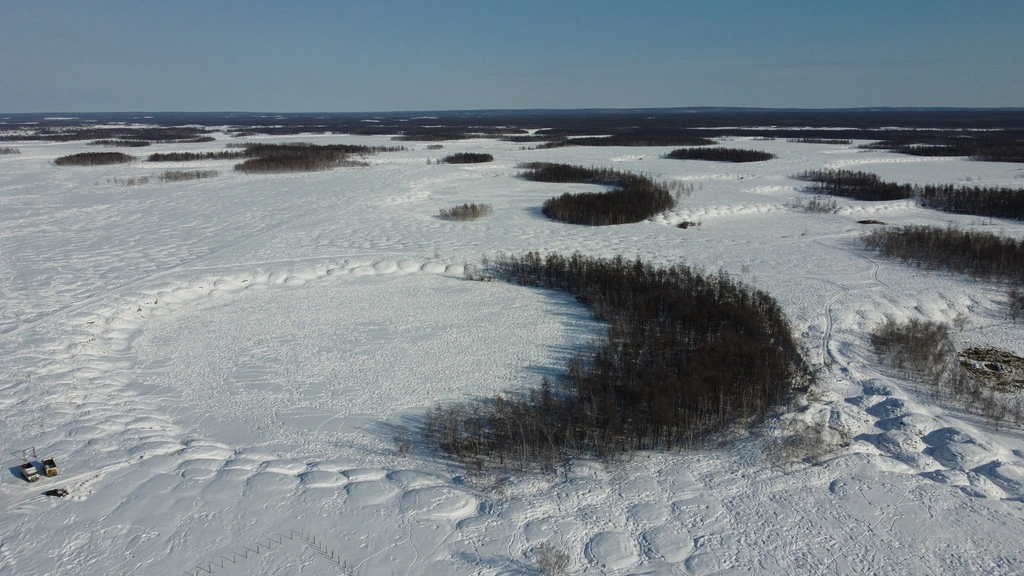
According to the project's leader, Sergey Vorobyov, who is director of the university's Megaprofile Center for Collective Use, scientists selected water bodies of various sizes to test the hypothesis - from tiny temporary puddles of less than 100 square meters to big lakes of more than one square km. The scientists sampled water and gas concentrations four times a year: in summer, in autumn before freezing, in winter under the ice, and in spring immediately after the ice melting.