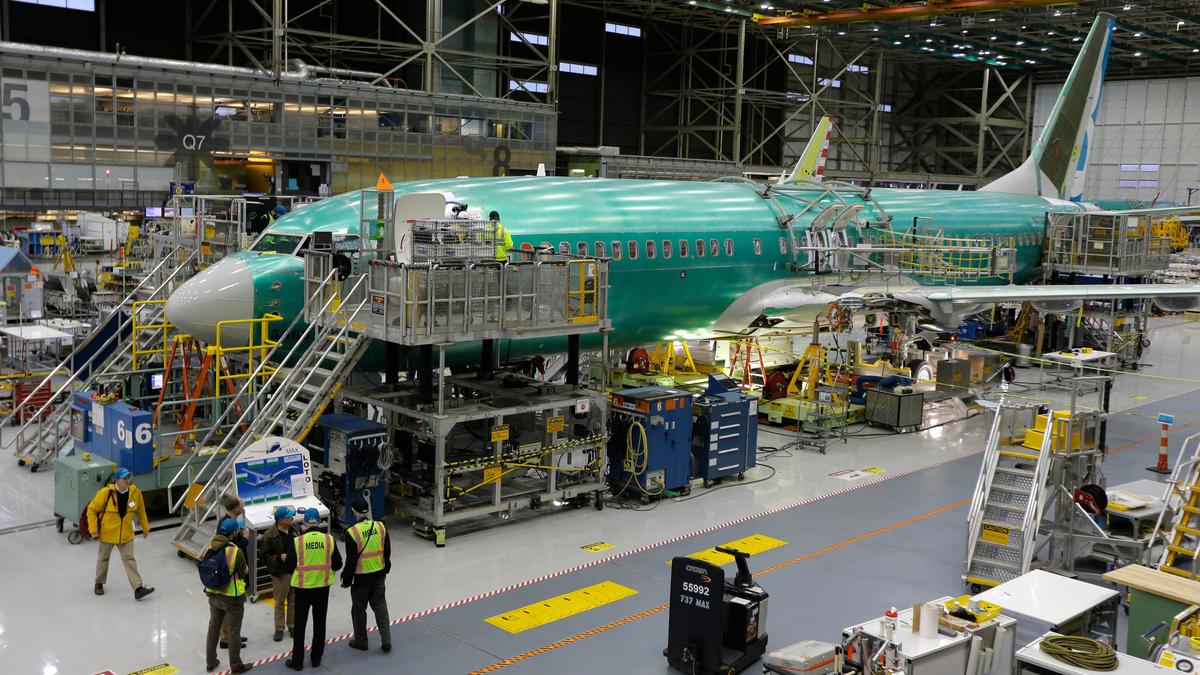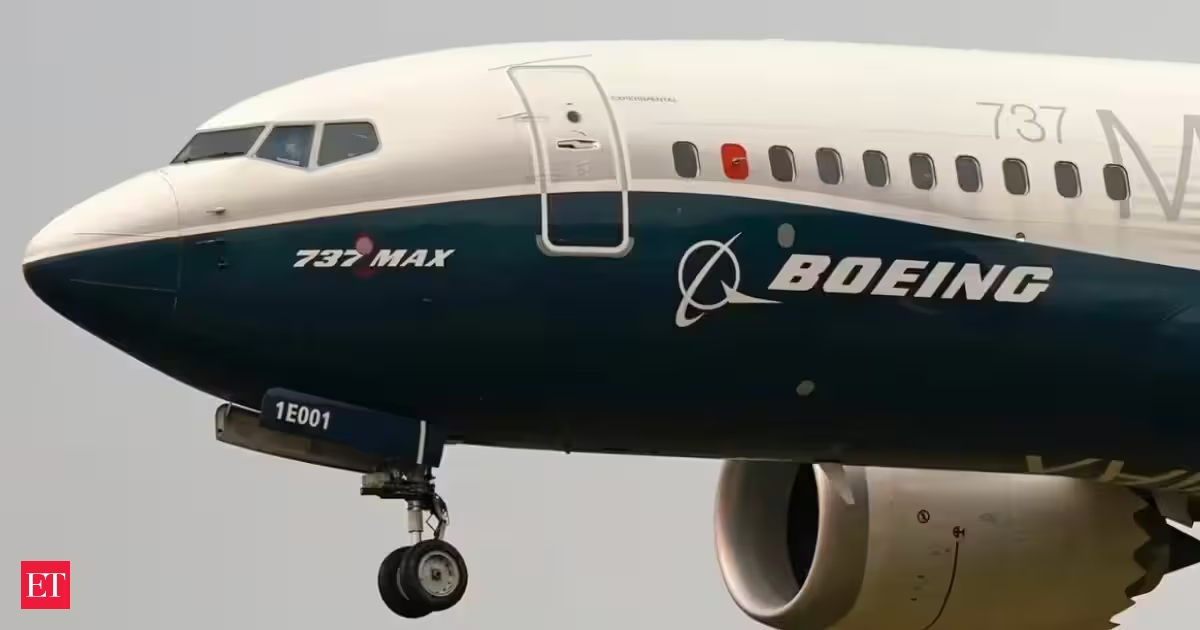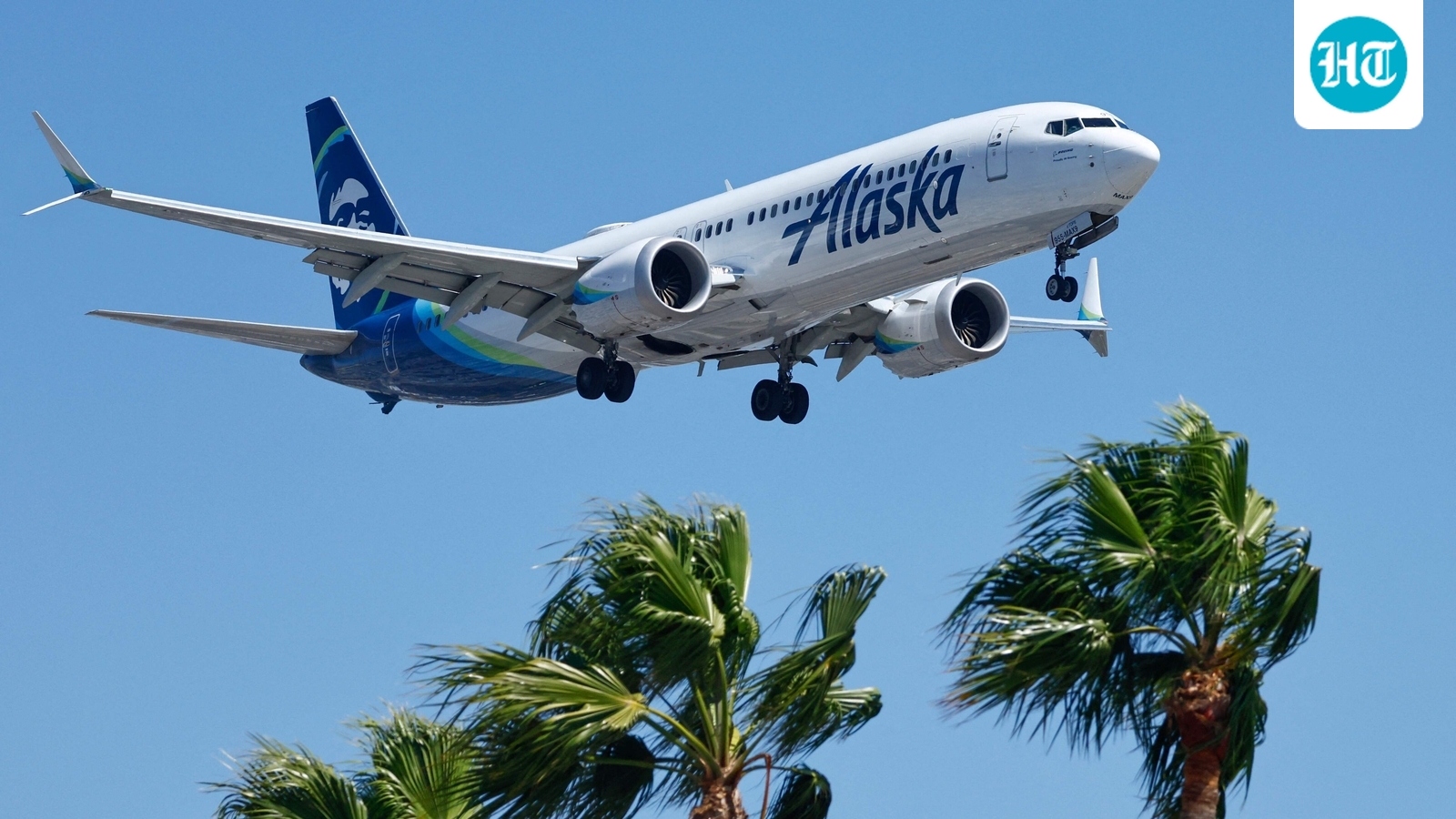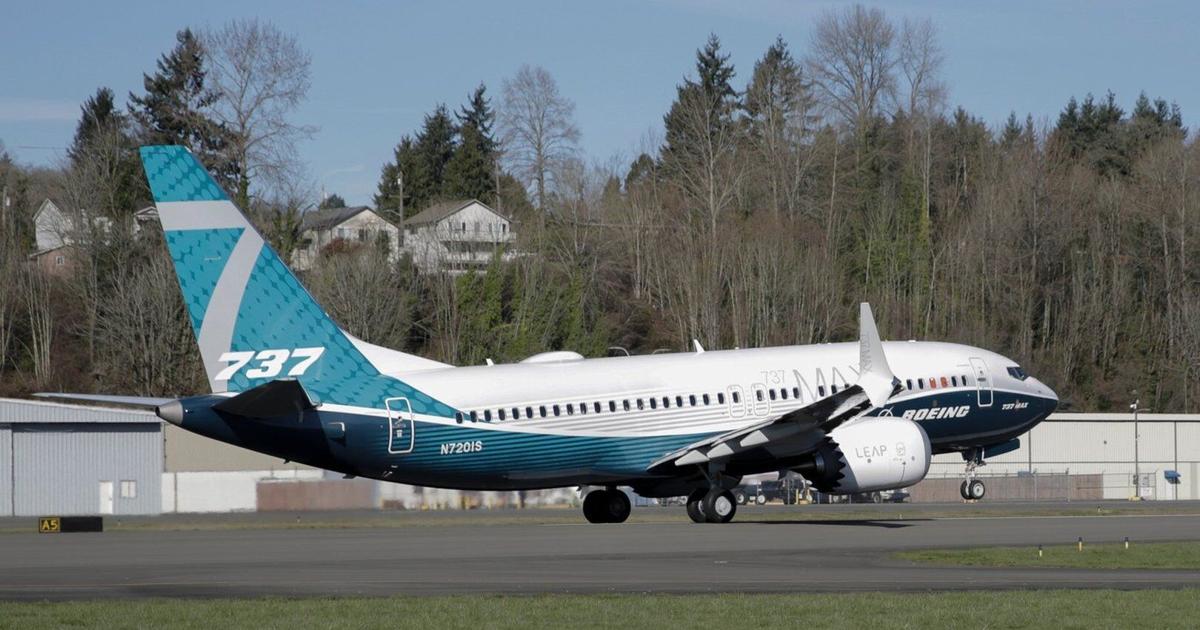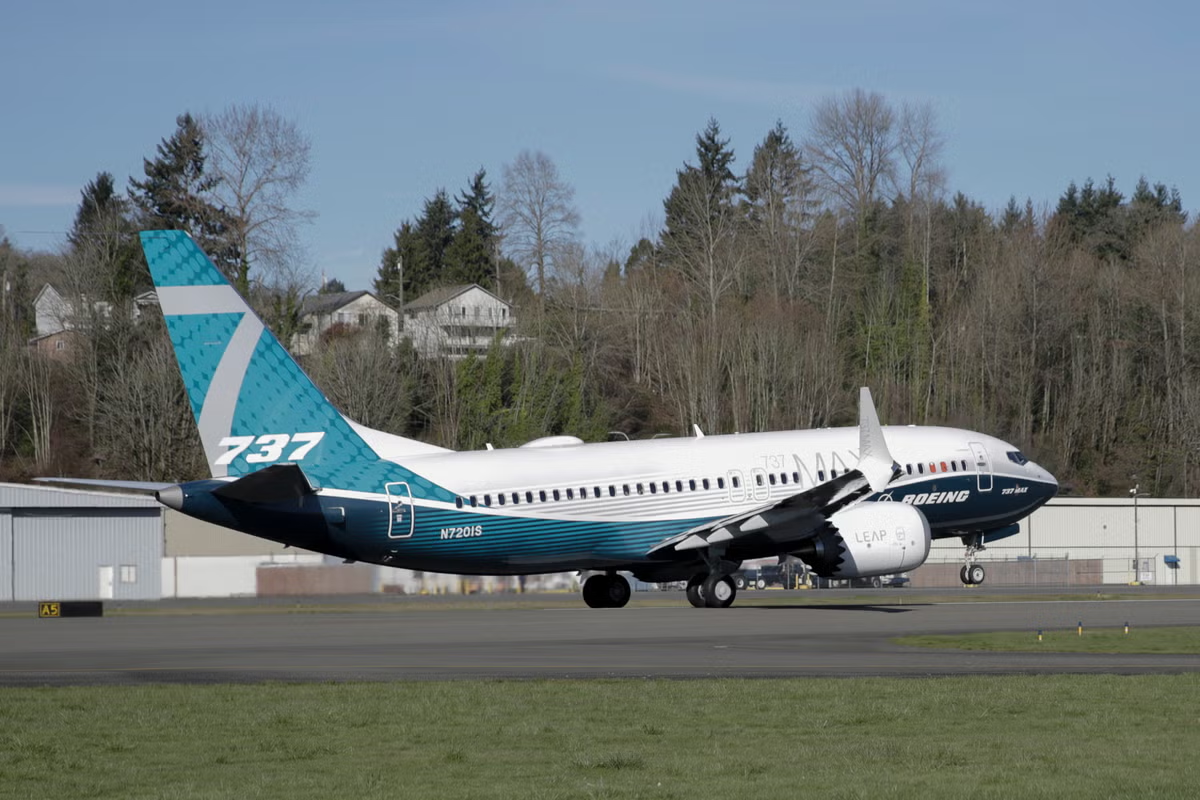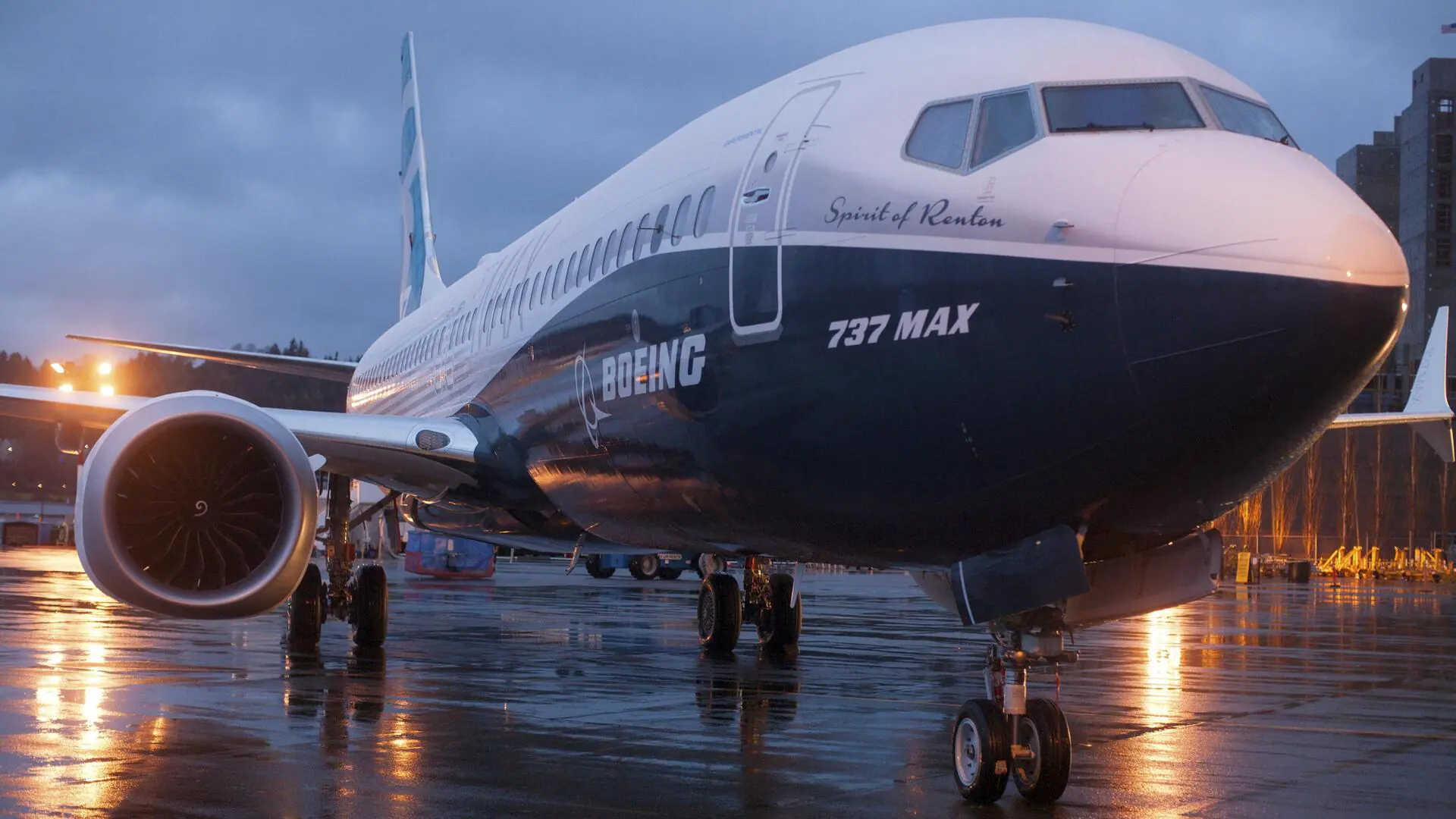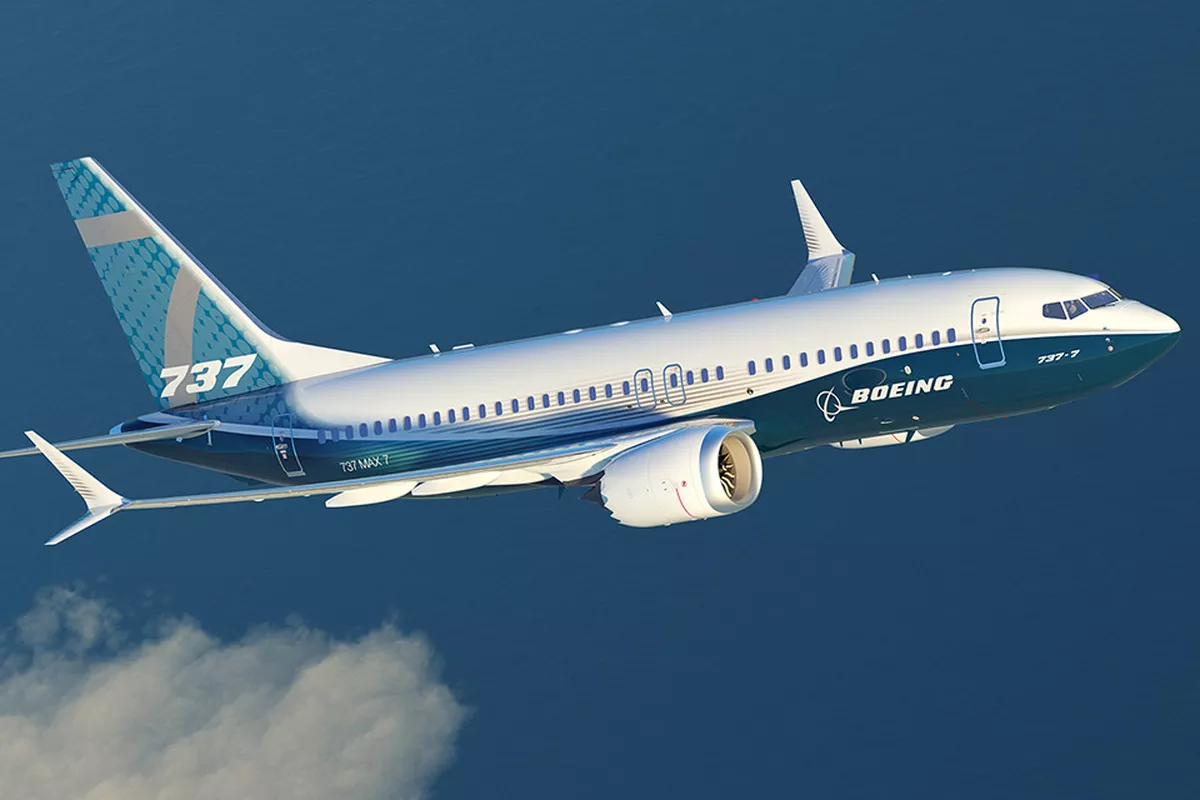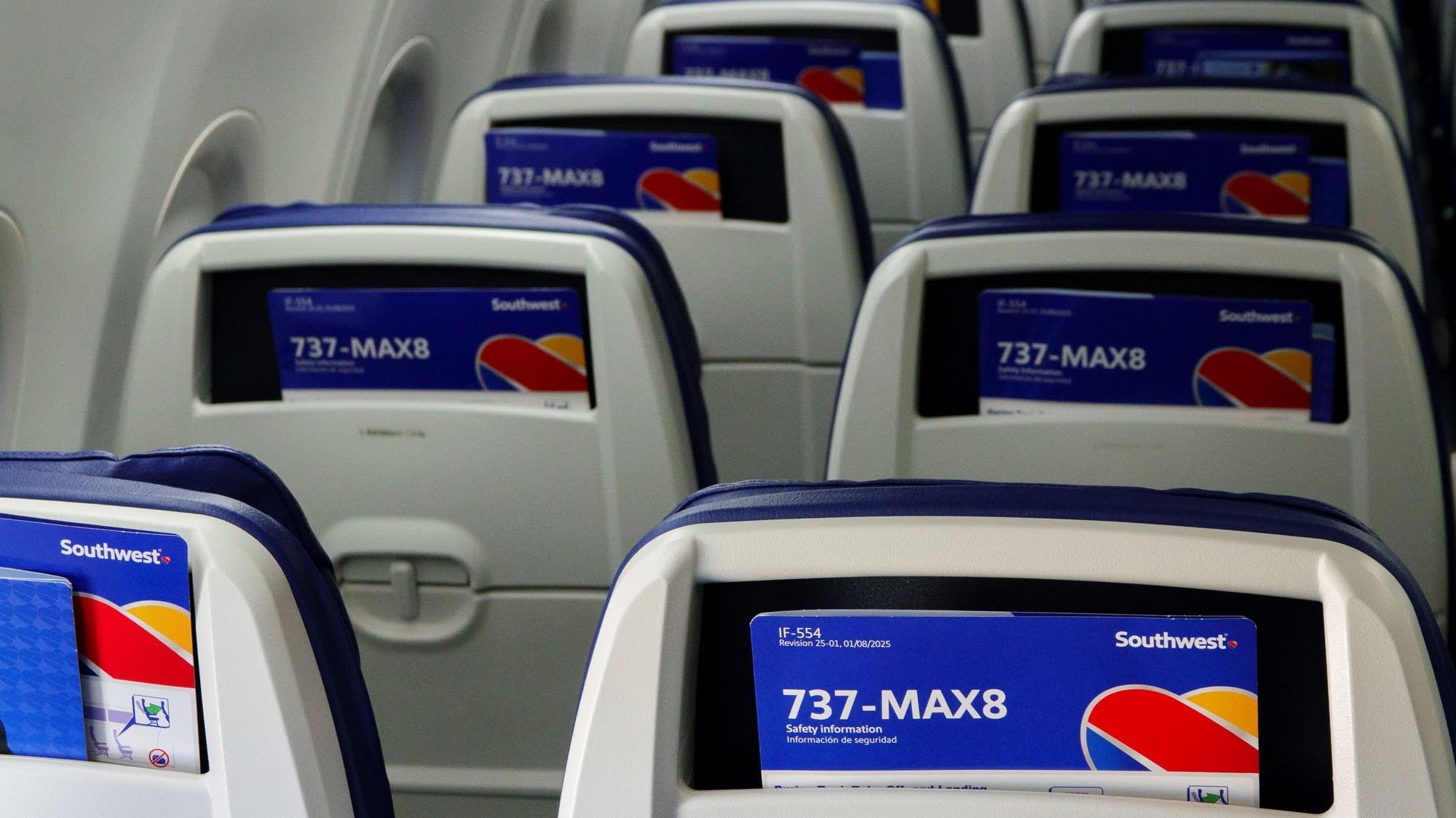
Boeing got a dose of good news Monday: The FAA is close to approving two models of the planemaker’s 737-MAX to fly again, Reuters reports. Airlines have been waiting for years to get more of the newer, more fuel-efficient aircraft. But regulators increased scrutiny after two deadly crashes, and a third incident in which a part of a MAX jet’s fuselage blew out during flight. Originally, Boeing thought it would deliver the smallest MAX variant by 2019, and the largest by 2023. It’s taken a lot longer. “These changes start to get the regulatory monkey, so to speak, off of Boeing’s back,” said aviation analyst Robert Mann.Airlines are eager to get the planes too, says Dan Bubb, an aviation historian at the University of Nevada, Las Vegas. “They want to replace their older planes that are gas guzzlers that are costing them money,” Bubb explained, “because fuel is 30% to 40% of an airline’s overhead.” The MAX planes are 18% more fuel efficient, Boeing says.Airlines also want to fly aircraft that are just the right size for each route — and for some routes, that means only Airbus planes, unless you fly an old gas-guzzler, says Volodymyr Bilotkach, associate professor of aviation management at Purdue. “The MAX 7 and MAX 10, they are going to allow Boeing to compete head-to-head with Airbus on those market segments where Airbus essentially does not have competition at this point,” Bilotkach said.Bilotkach says for airlines that only fly Boeing planes, like Southwest, or mostly Boeing, such as United, this could mean being able to offer new routes — and more competition could lower prices for passengers.
Boeing may soon be able to deliver two models of its troubled 737-MAX to airlines
Reuters reports that the FAA is close to recertifying the aircraft after a series of crashes and in-flight problems.
272 words~1 min read