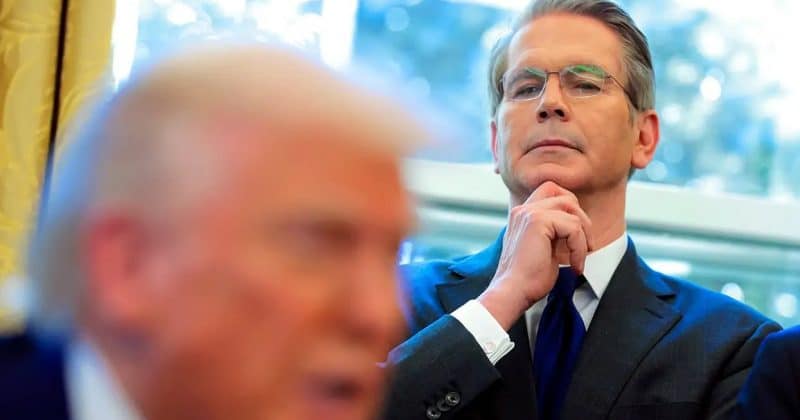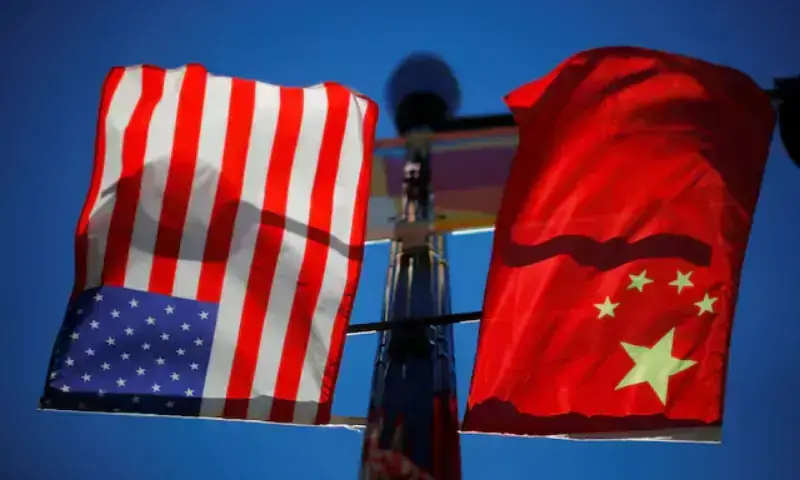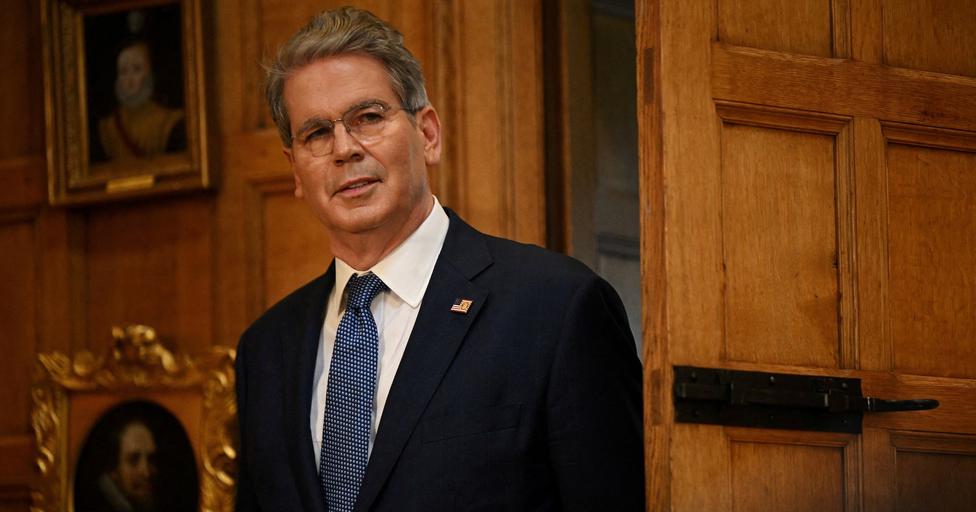
US Treasury Secretary Scott Bessent declared that China’s purchases of Iranian oil have decreased significantly, reinforcing the narrative that Washington’s sanctions campaign is slowly choking off Tehran’s primary revenue lifeline. The statement, made on June 30, carries weight not just for oil markets but for crypto investors who’ve watched stablecoins get caught in the crossfire.
Here’s the thing: China isn’t just Iran’s biggest oil customer. According to Bessent, it’s the only buyer. That’s the kind of market concentration that makes Iranian crude about as liquid as a desert gas station at midnight, and it’s trading at a steep discount because no one else wants to touch it.
Washington’s ‘Economic Fury’ and its reach
The Trump administration’s sanctions campaign, branded “Economic Fury,” has been systematically targeting the infrastructure that keeps Iranian oil flowing to Chinese ports. That infrastructure includes both state-owned enterprises and the smaller independent refineries known as “teapot” refineries that have historically dominated purchases of Iranian crude.
On April 24, the Treasury Department went after Hengli Petrochemical, one of China’s major refining players. The same action impacted roughly 40 vessels in what’s commonly called the “shadow fleet,” the network of tankers used to quietly move sanctioned crude around the globe.