The Nigerian digital finance market has produced no shortage of innovations in recent years, but few have scaled as organically or as quietly as gift card trading.
What began as an informal workaround for a specific problem- Nigerians receiving foreign-issued digital cards they could not spend locally- has matured into a structured, high-volume secondary market serving millions of users across the country. Platforms built around this activity are now processing transactions worth billions of naira monthly, and the infrastructure supporting them has become sophisticated enough to rival mainstream fintech products in speed, security, and user experience.
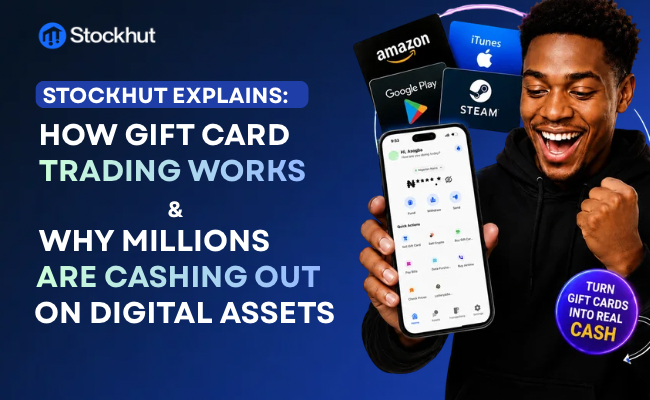
Stockhut Trade, the Lagos-based digital finance platform, sits at the centre of this market. Its gift card trading product is one of several digital finance services the company operates, alongside cryptocurrency conversion and bill payments. But gift cards remain the entry point for most of its users, and understanding how the product works reveals something important about how a significant segment of the Nigerian digital economy actually functions.
Nigeria’s position in the global digital economy creates a structural mismatch that gift card trading directly addresses. The country has a large and growing population of freelancers, remote workers, and digital service providers earning income from international clients. It also has one of the largest diasporas in the world, with relatives abroad regularly sending financial support home. In both cases, gift cards have become a common payment instrument, partly because they are faster and cheaper for the sender than international wire transfers, and partly because recipients on certain platforms find them easier to receive than foreign currency.