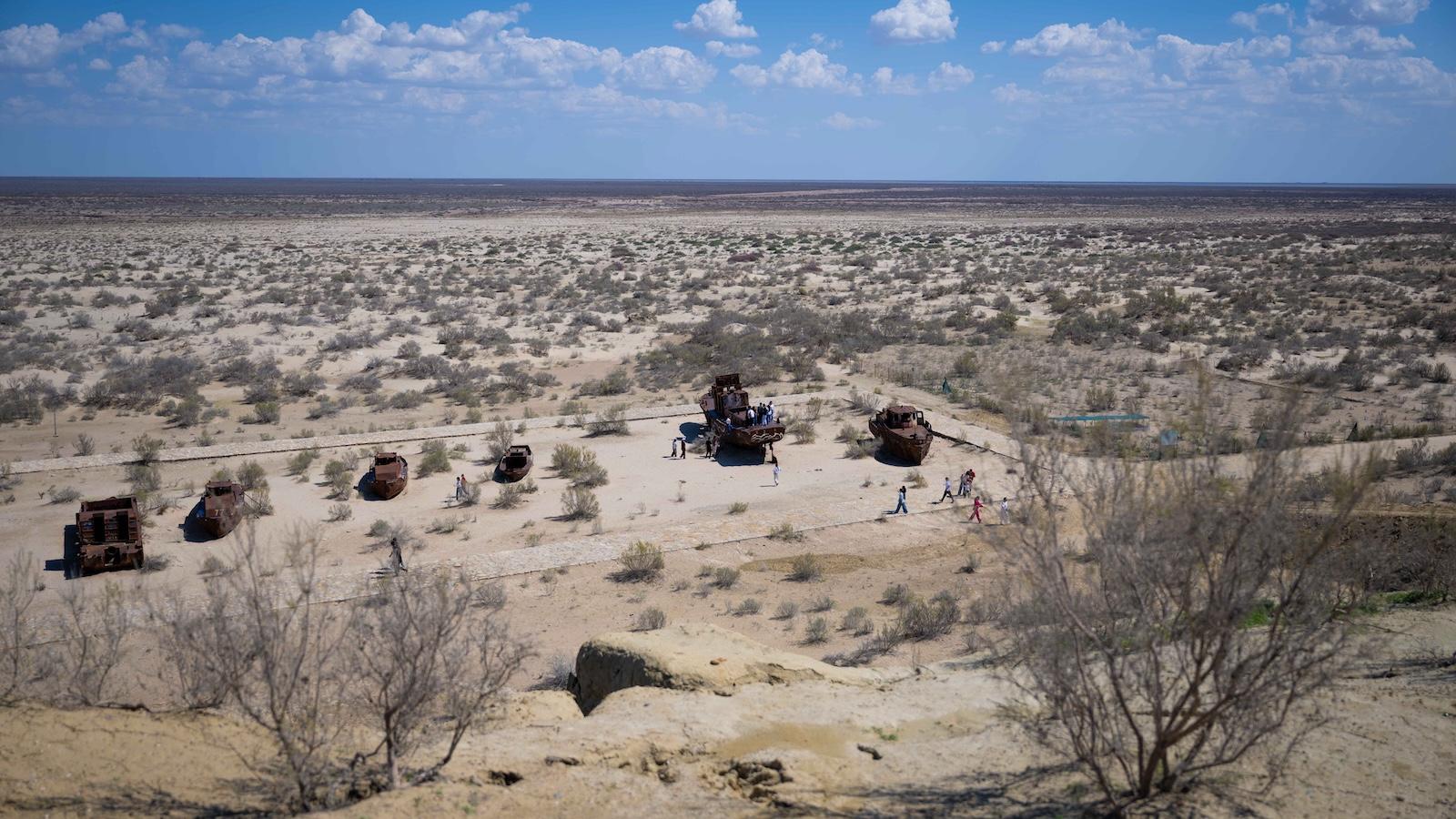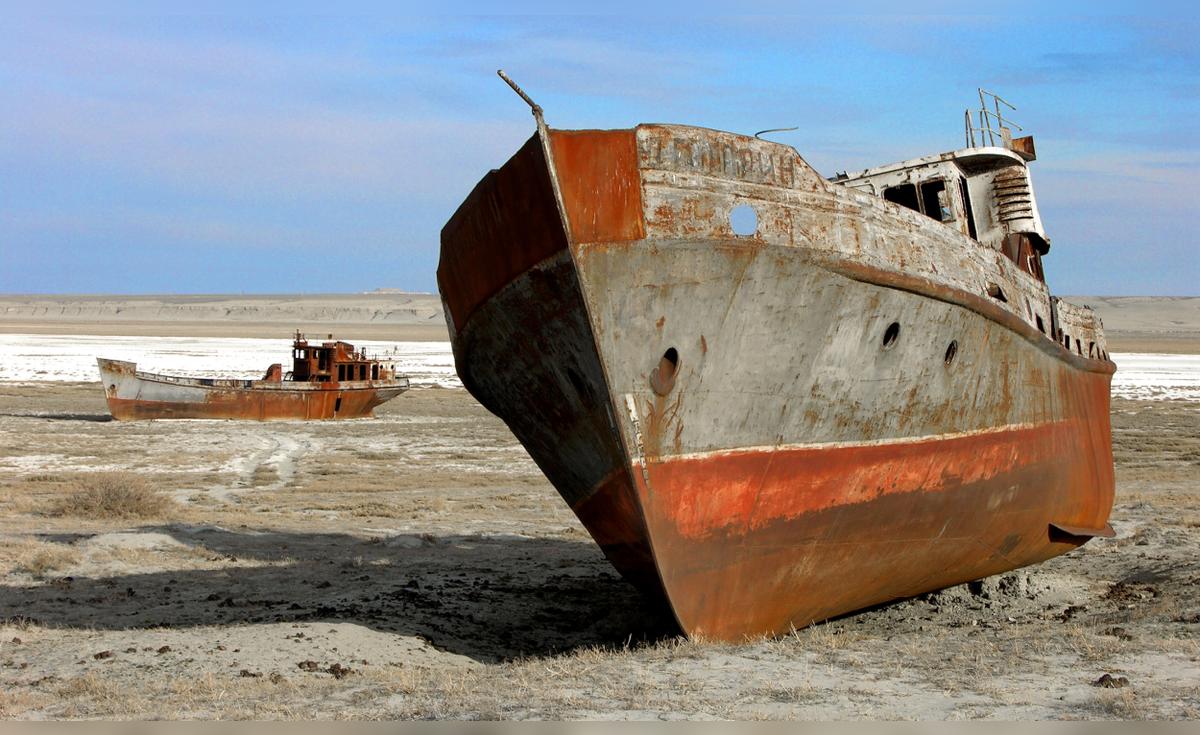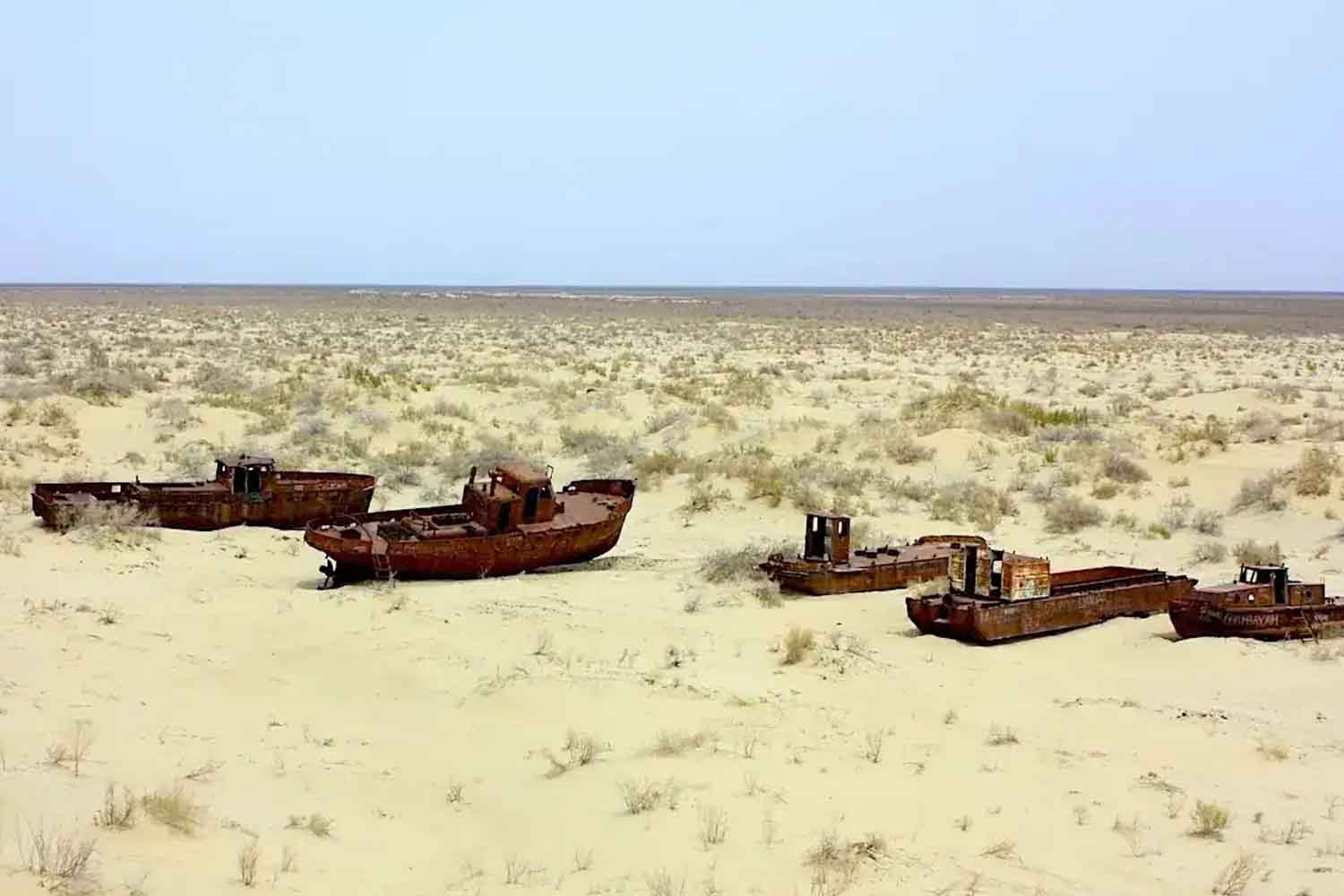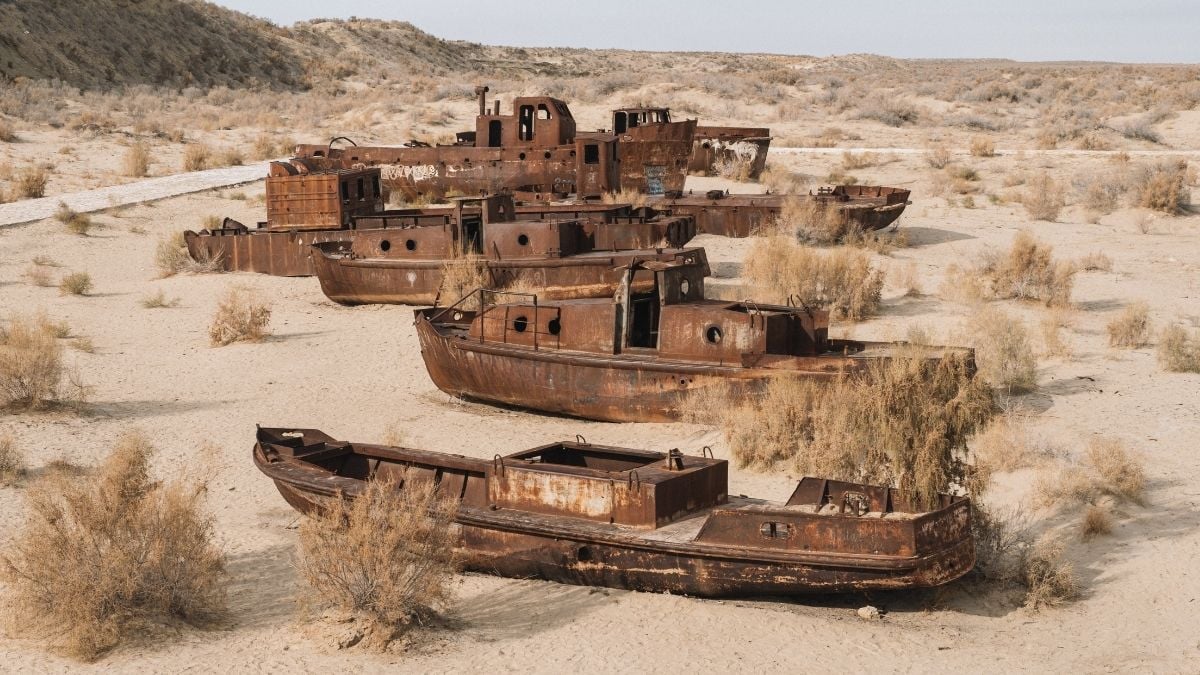
A ship graveyard in Aral Sea port town Moynaq, Uzbekistan. (Diy13/iStock/Getty Images Plus)
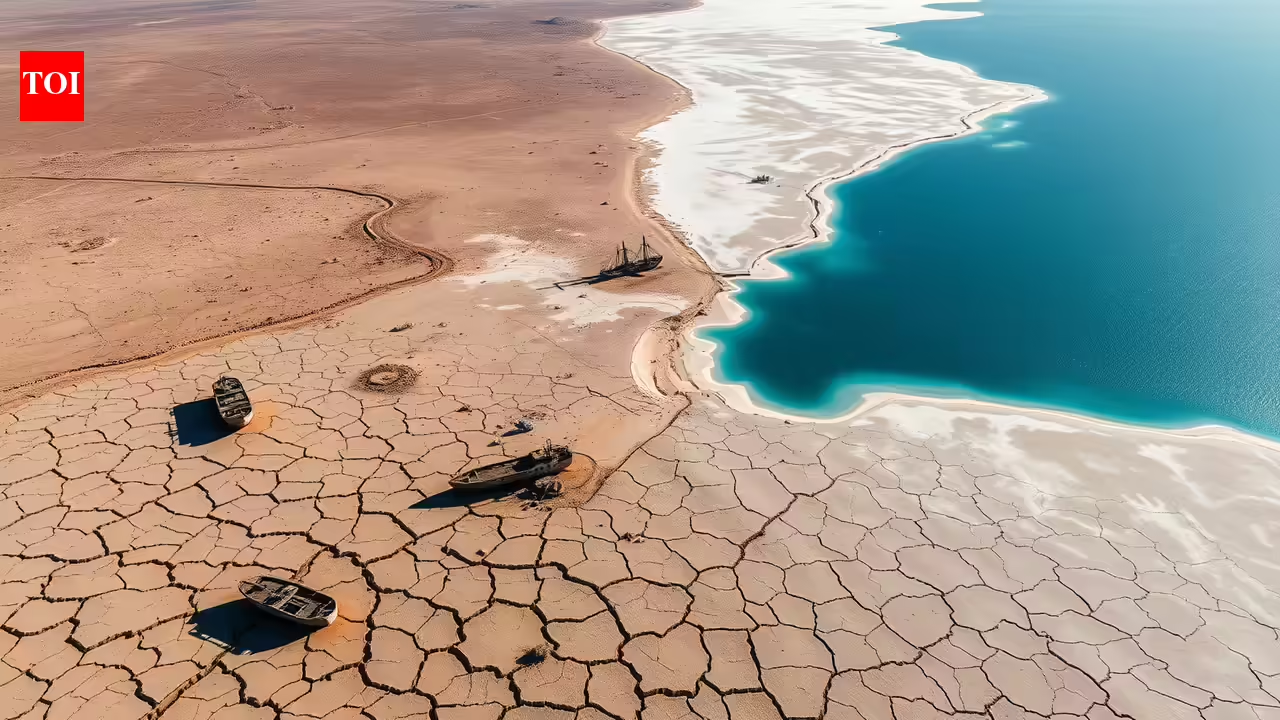
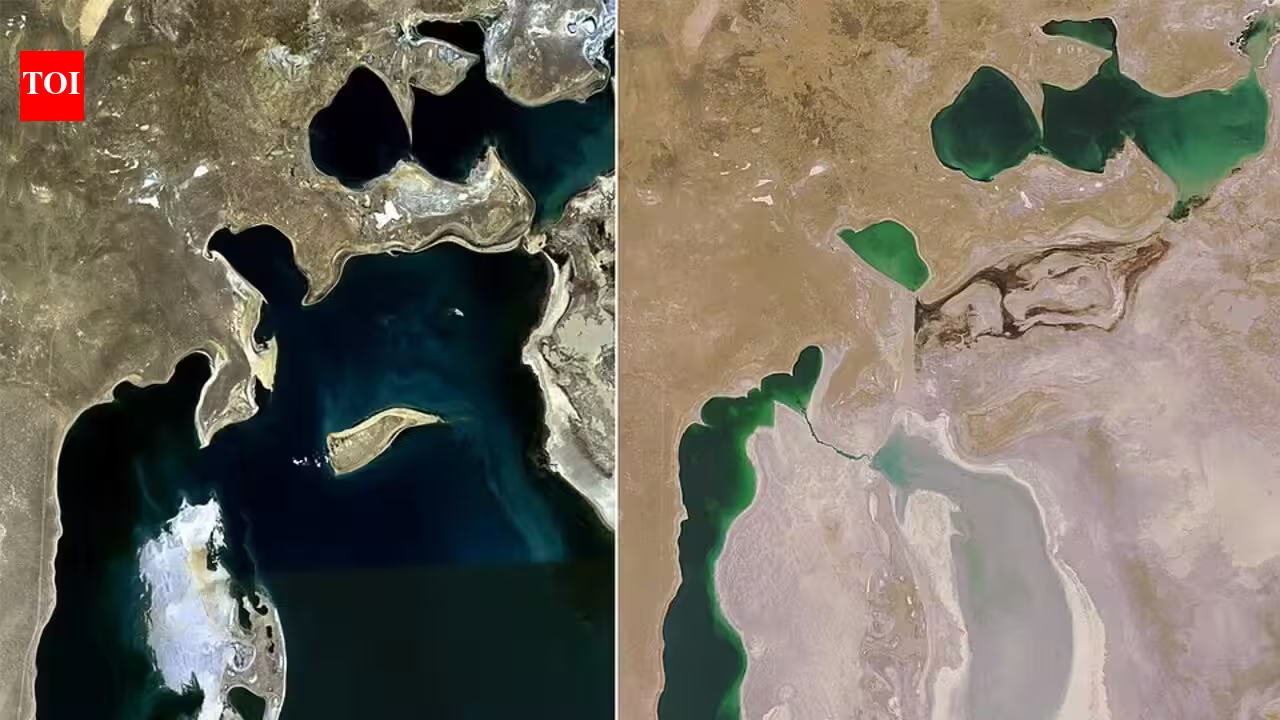
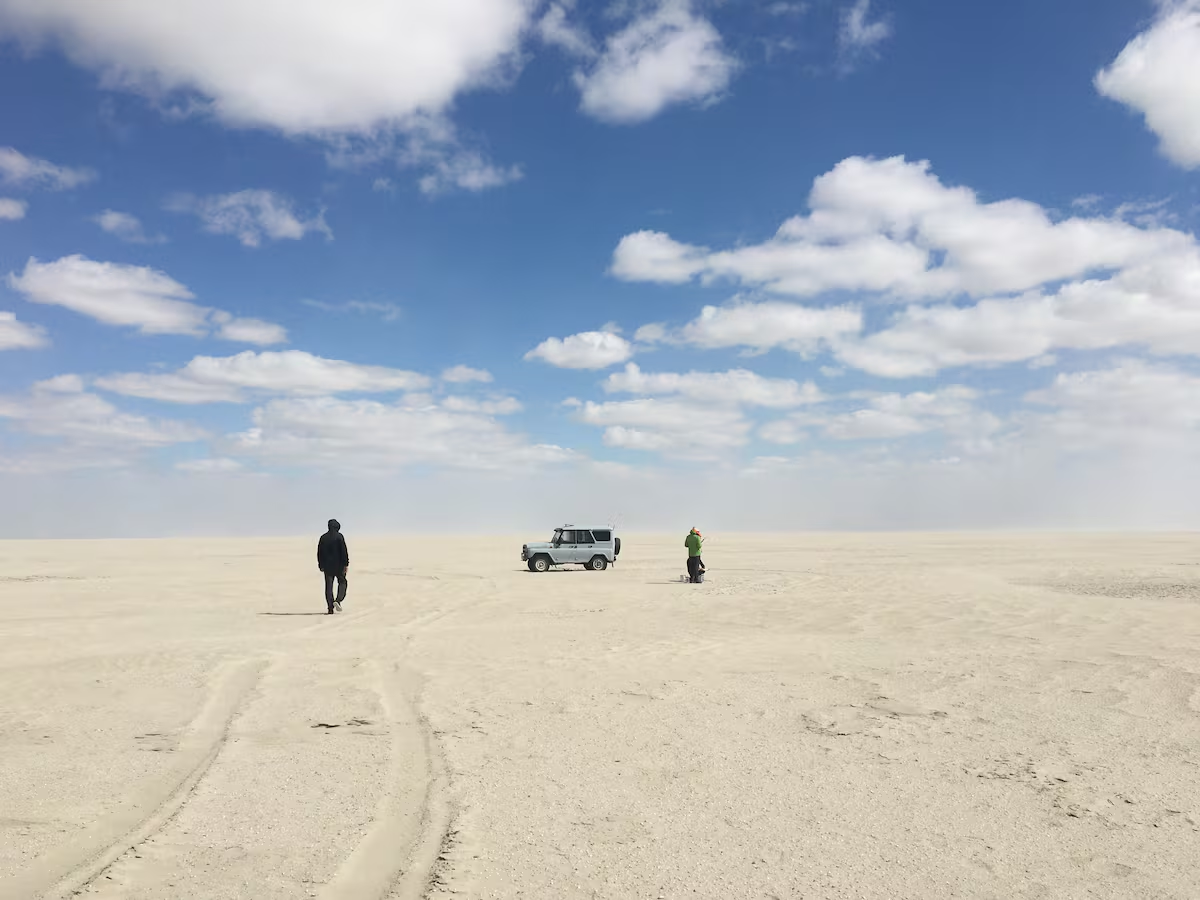
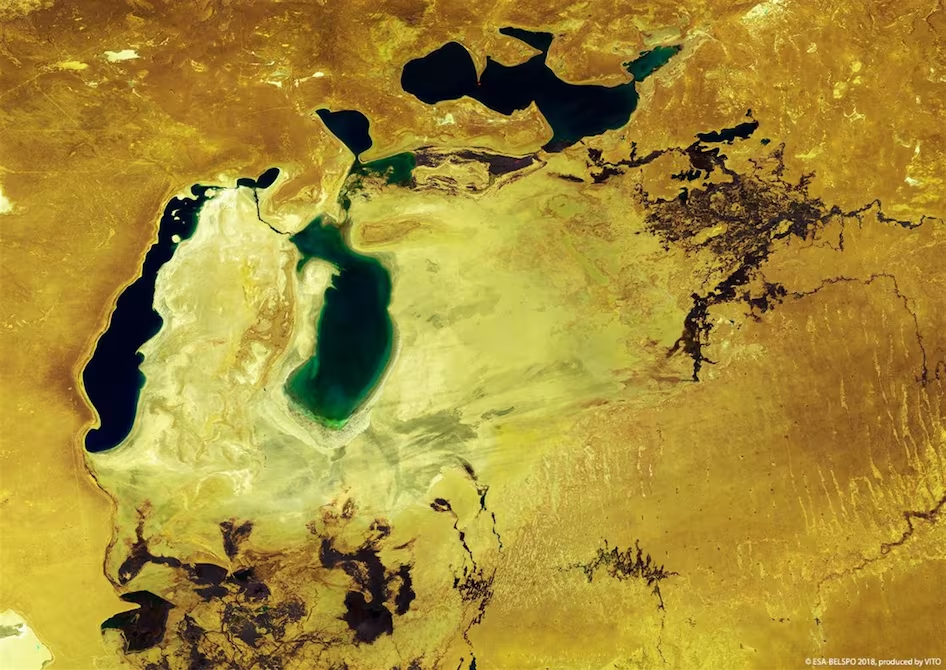
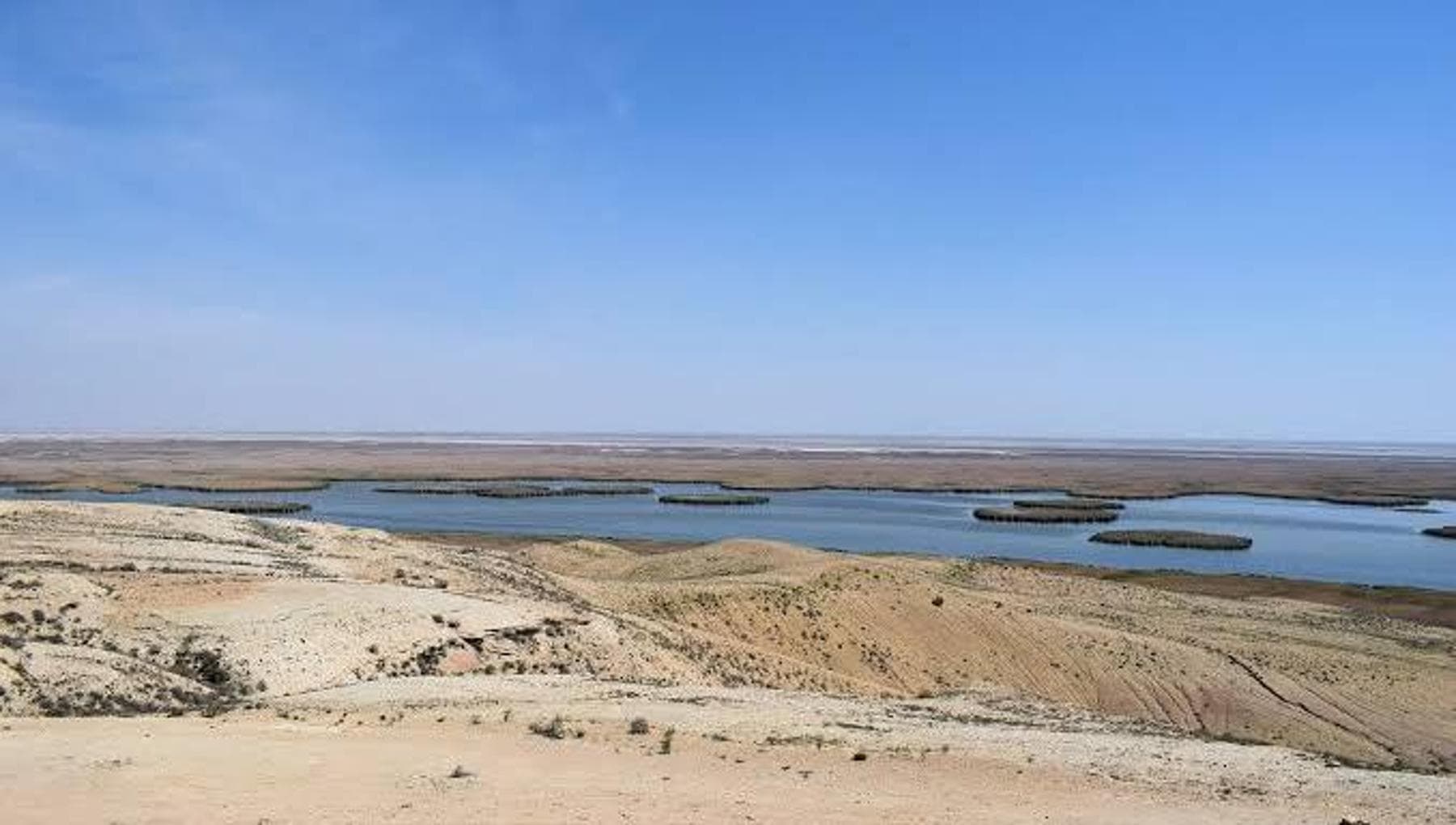
If you've ever walked past a drying lakebed in the peak of summer, you might have noticed some very unpleasant smells emanating from the mud.That pungent odor is a mix of gases being released from the soil, as enormous quantities of organic matter – a rich sludge of poop, algae, plants, decaying bodies, and other pondy things – dry out.On a larger scale, that phenomenon stinks much worse than a bad smell. In many parts of the world, lakes are drying out at a scale so massive that scientists are warning they may be emitting enough greenhouse gases to rival our fossil fuel habit.In a new study published in Science, scientists say the Aral Sea – the world's largest desiccated lake – has emitted a whopping 204 megatons (~225 million US tons) of carbon dioxide since it was drained in the 1960s.But it might not be too late to turn the tide.Today, the Aral Sea is a salty wasteland, more a desert than a sea. But it wasn't always that way. Its water levels only began to fall rapidly when its tributary rivers – the Amu Darya and the Syr Darya – were diverted to feed Uzbekistan's rapidly expanding cotton industry.