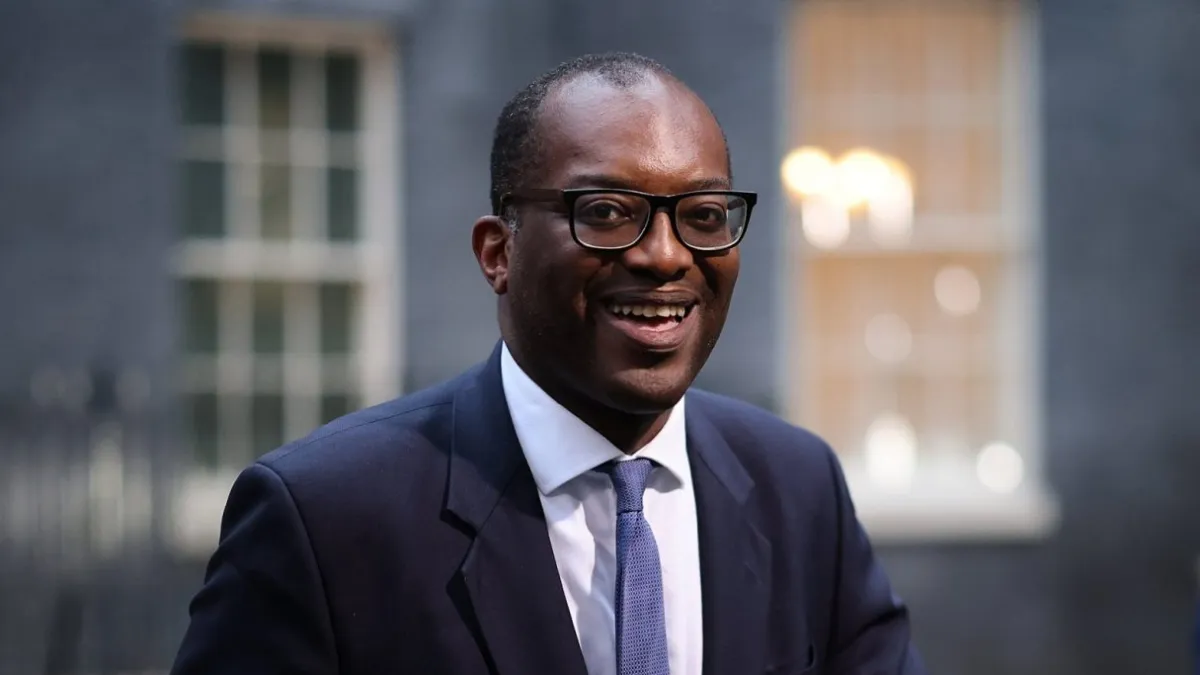
Kwasi Kwarteng
Former Conservative MP and chancellor
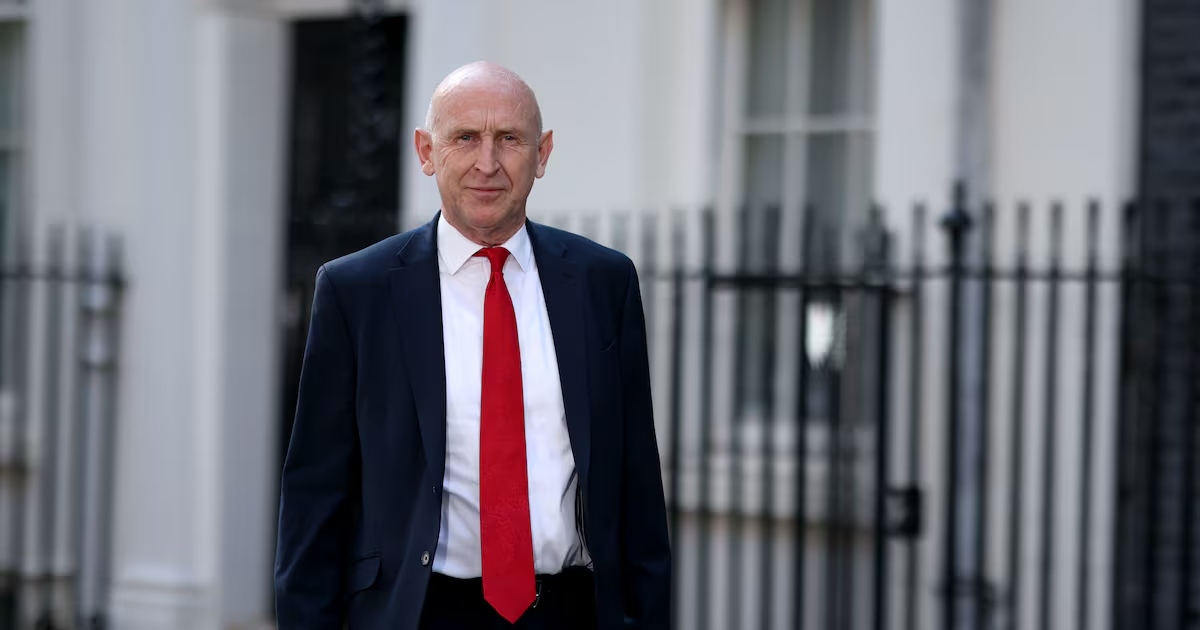
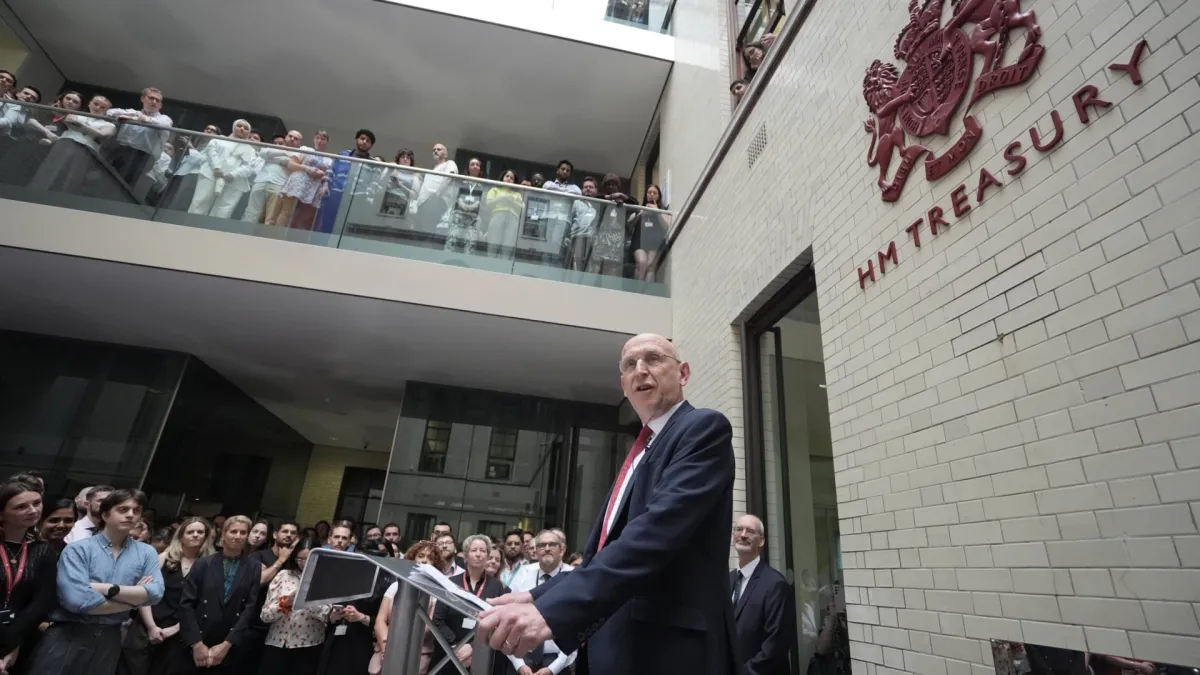
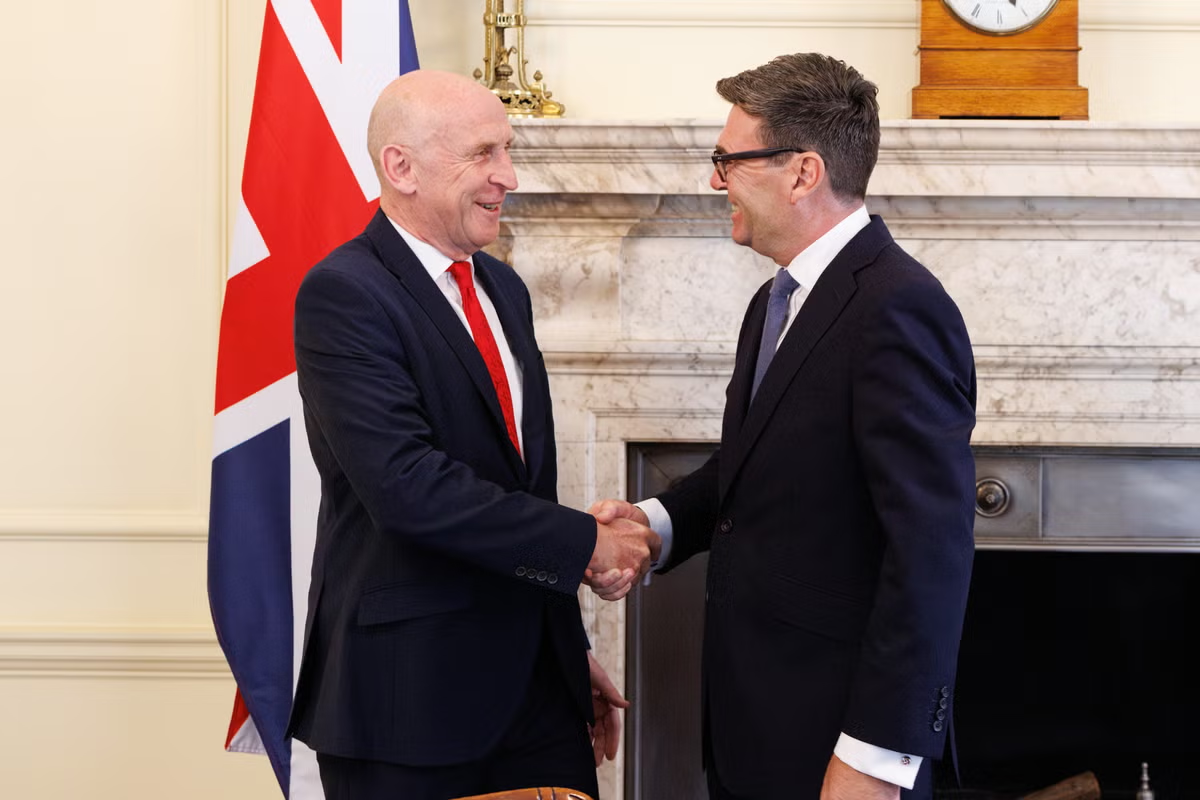
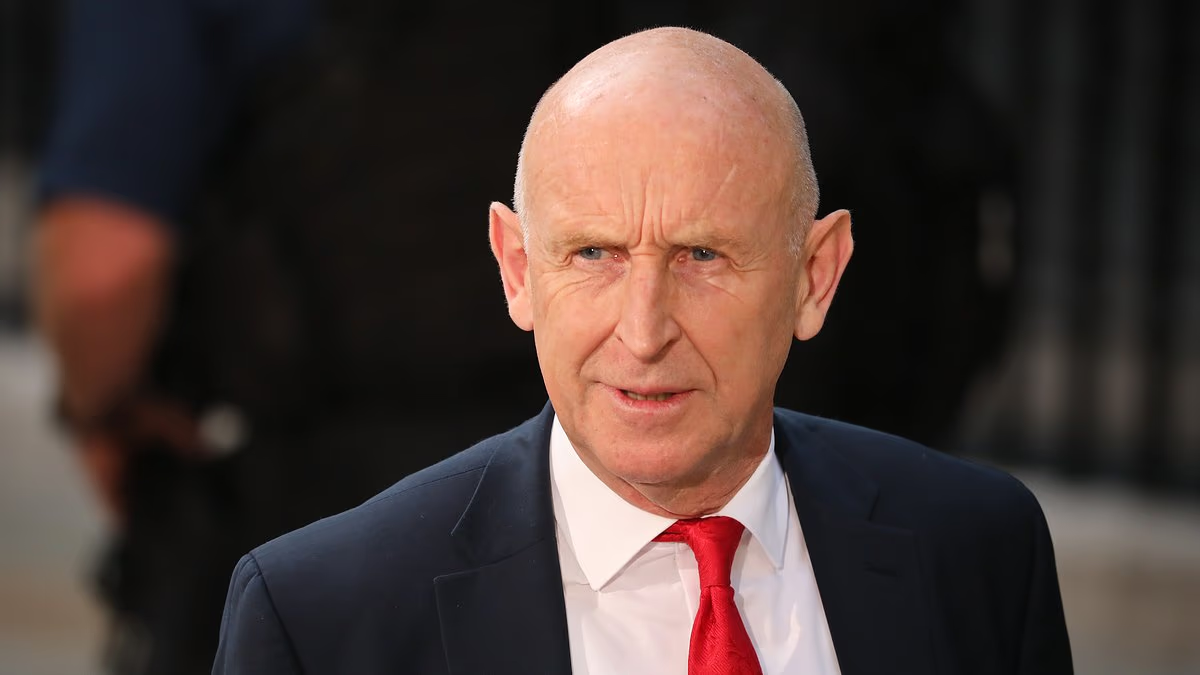
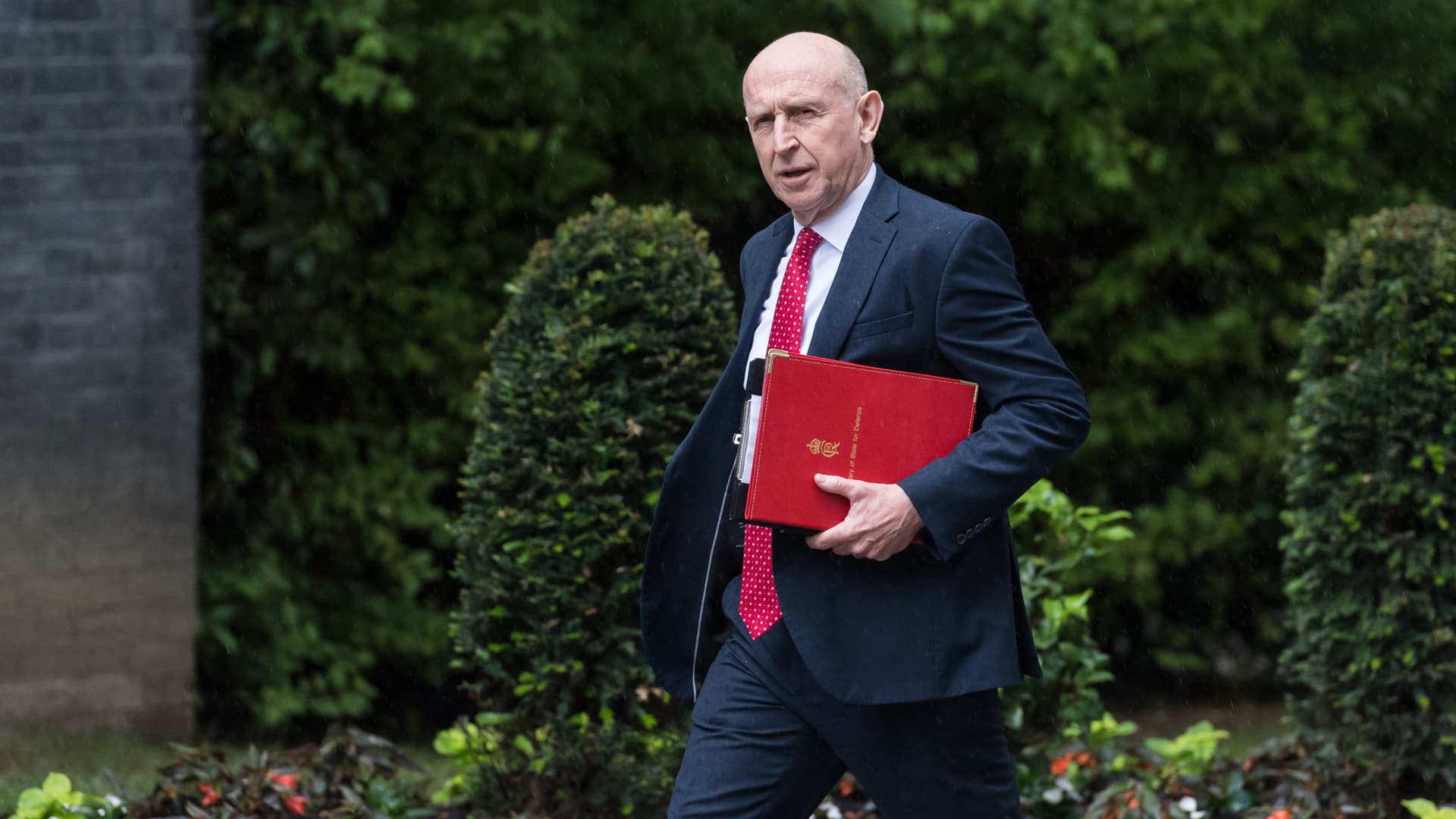
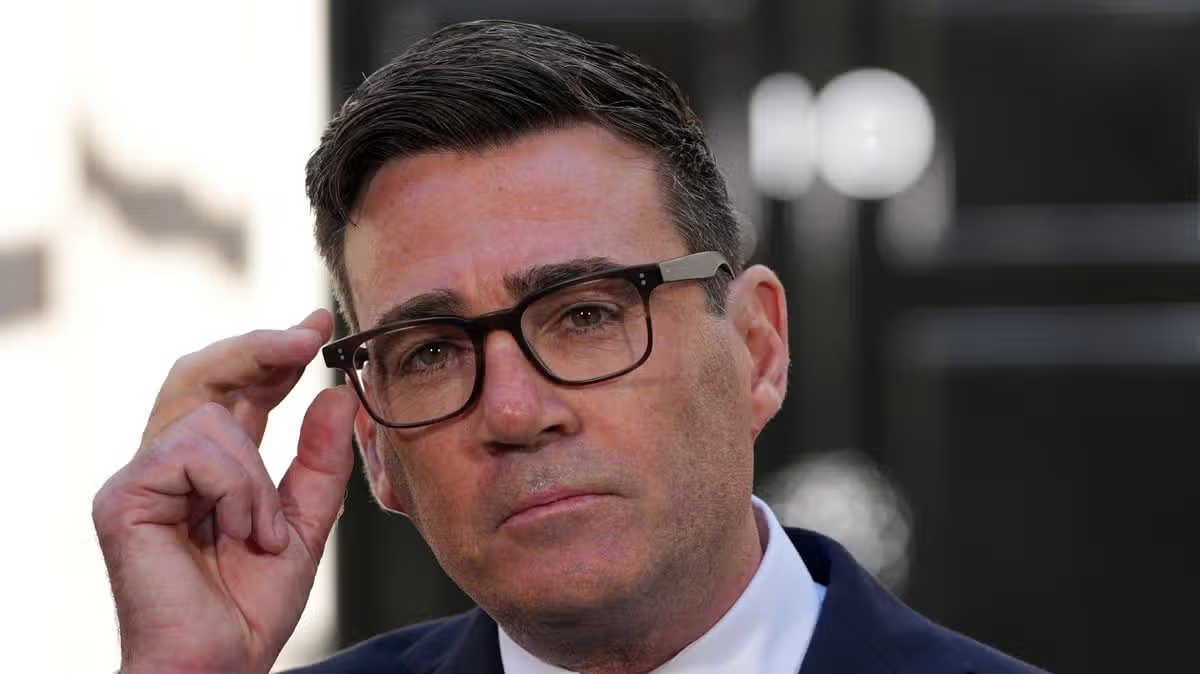
Andy Burnham surprised the pundits of Westminster by shrewdly appointing John Healey as Chancellor of the Exchequer yesterday. At 66, Healey is the oldest Chancellor on appointment since William Gladstone. He is experienced, solid and respectable.
Strangely, he resigned from the post of defence secretary, citing a difference of opinion from the Treasury. Political events move so quickly these days it’s remarkable to think this happened little more than five weeks ago. Now, he has been summoned to run the very department whose intransigence caused that resignation. He clearly needs to focus on delivering what he asked for as defence secretary. If he fails to do this, he will be seen as ineffectual and impotent.
Burnham has already outlined a generous flurry of spending pledges. Help for the “cost of living”, a cut in VAT on electricity bills, more council houses, more on social care. How will all these promises be paid for? We also know that the Labour backbenchers have absolutely no appetite to reduce welfare spending. So, more spending will likely have to be paid for by more taxes. Who will pay for these? As a matter of course, any chancellor has a tightrope to tread. He or she needs to be loyal to the prime minister, while at the same time maintaining a degree of independent judgement. A chancellor has to be close to the PM, but not too close. The Treasury has to be a firebreak on the extravagant plans of an errant PM. This is a difficult role. I remember thinking Liz Truss had won her mandate and deserved to be supported fully. I did not, on reflection, act as a break. Our plans were certainly ambitious but everything moved too fast. According to Truss’s own account, the late Queen Elizabeth II told her to “pace yourself”. This we manifestly did not do. A monarch of 60 years, Elizabeth II had the experience and had honed the intuition to advise prime ministers. This seems to be a good piece of advice to anybody taking over a large organisation.