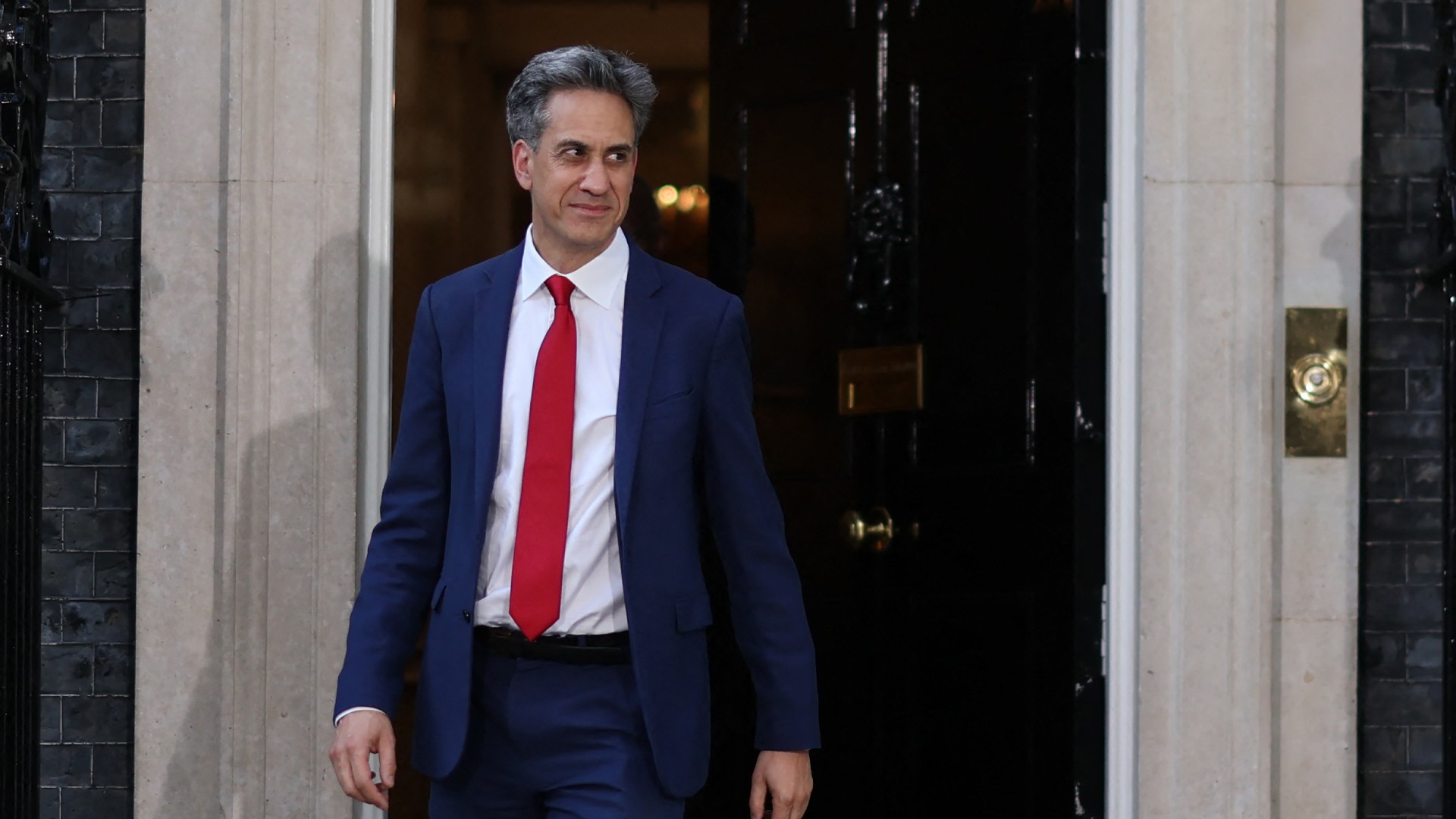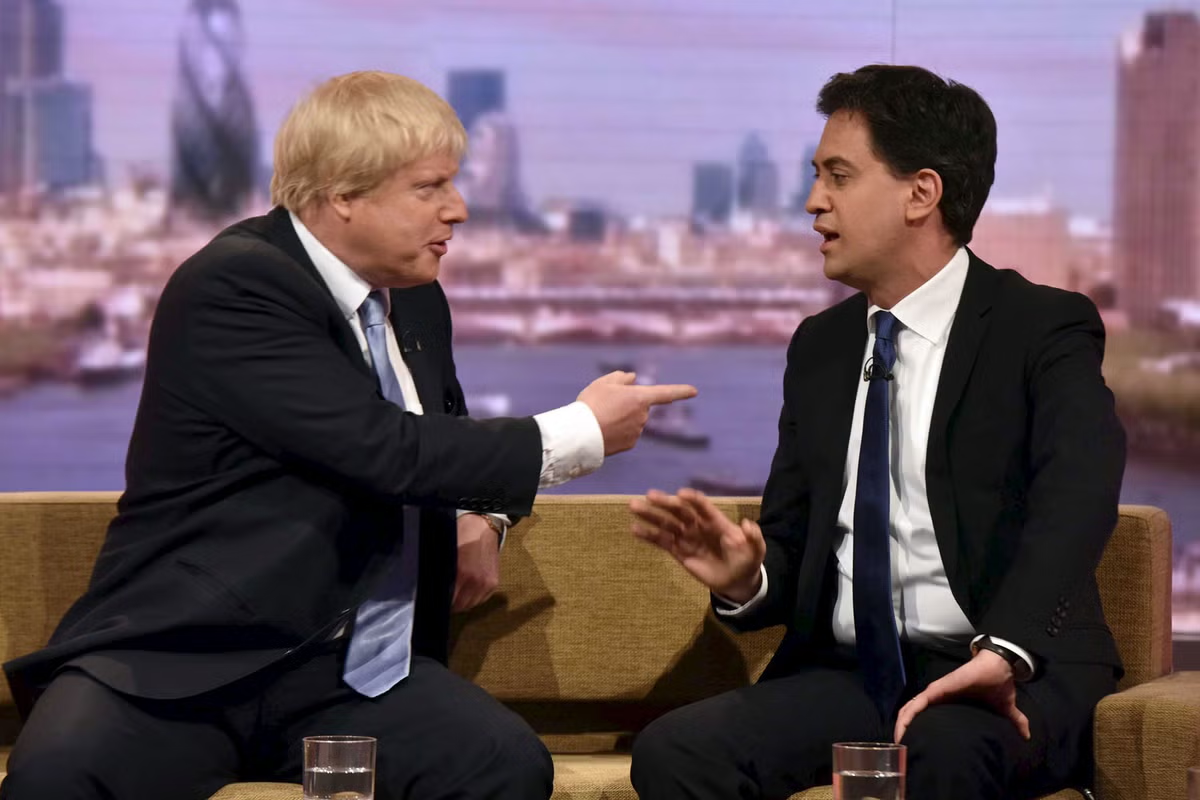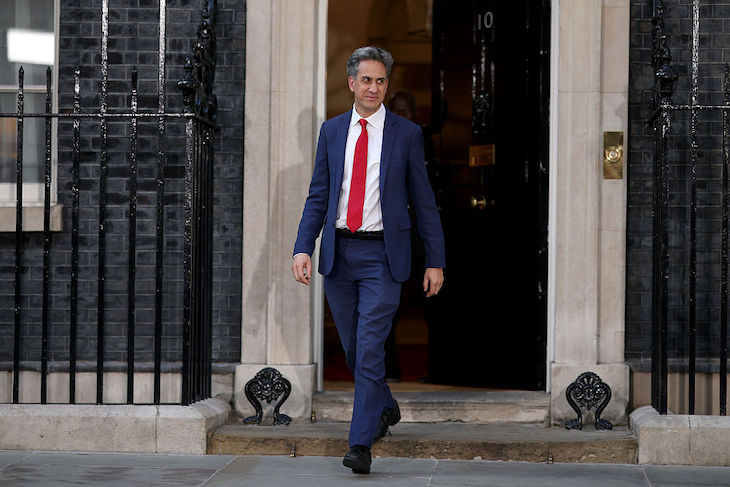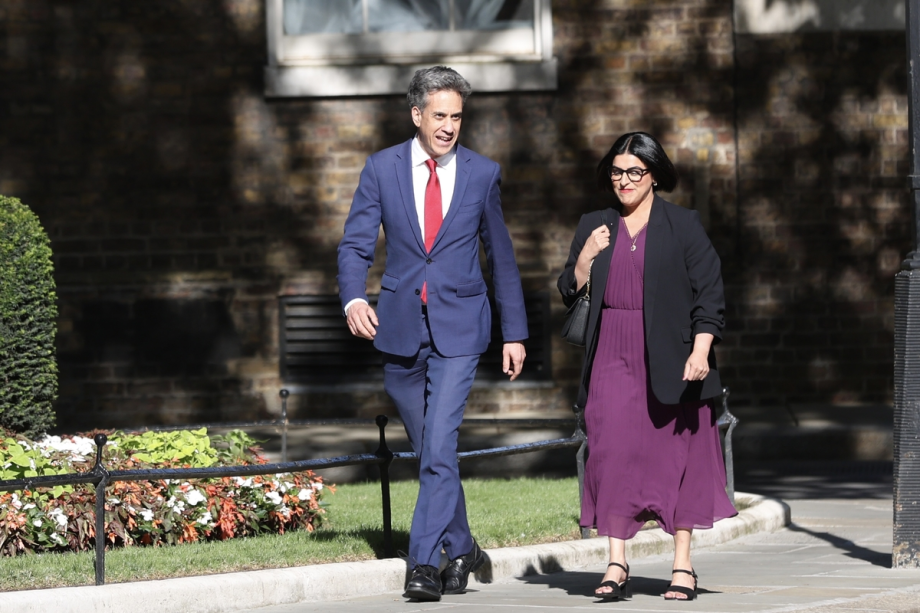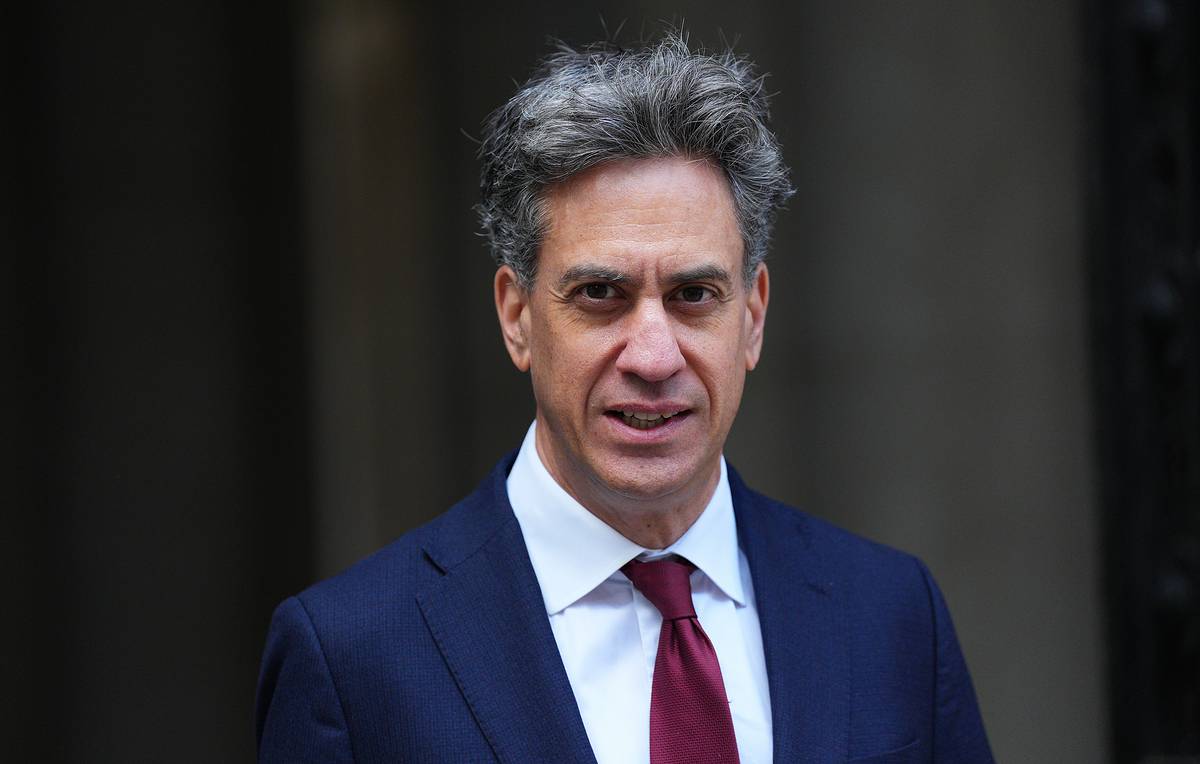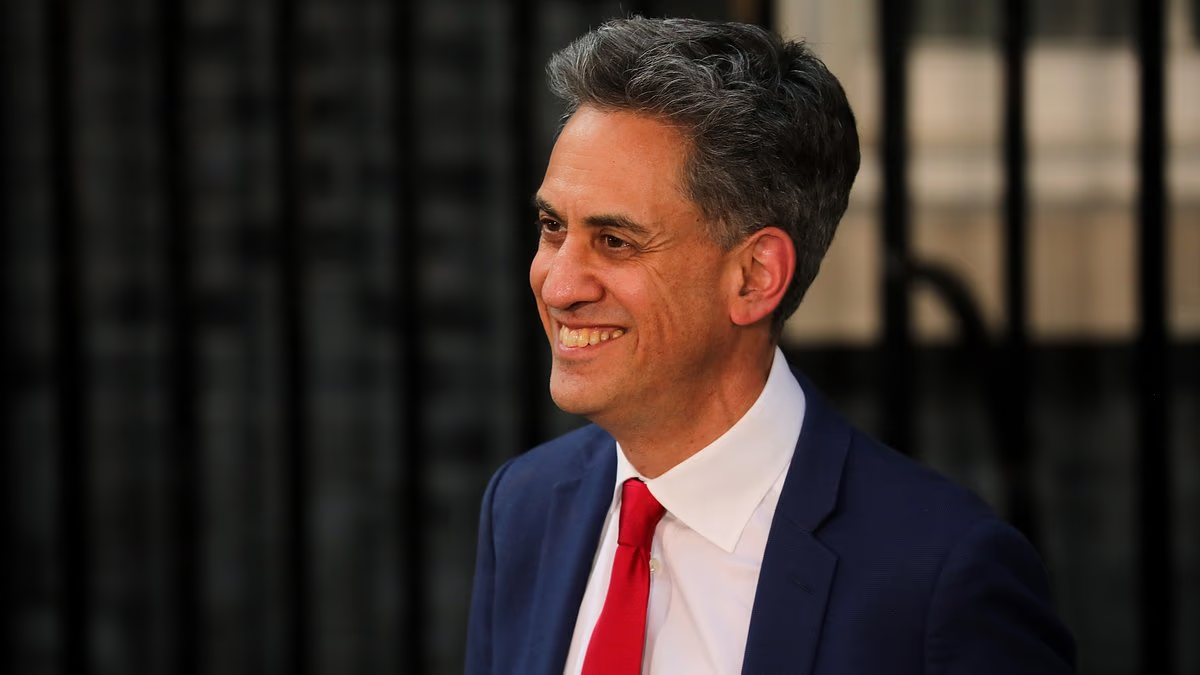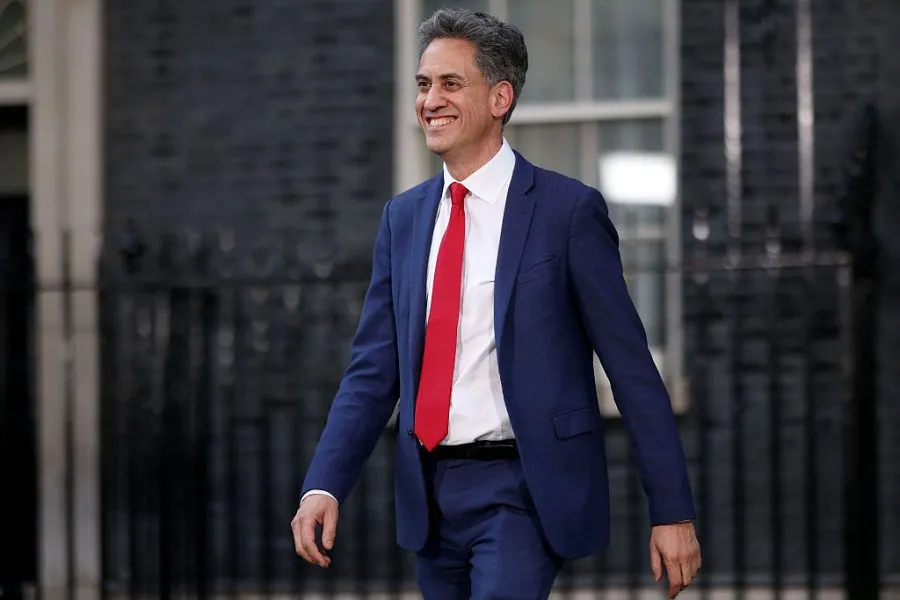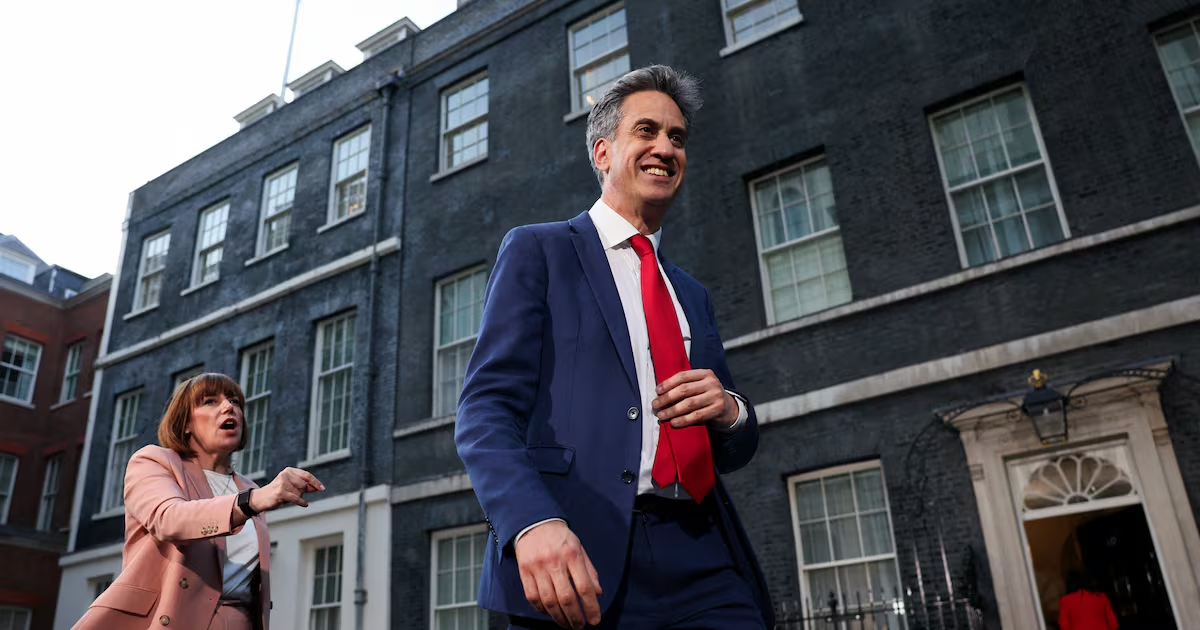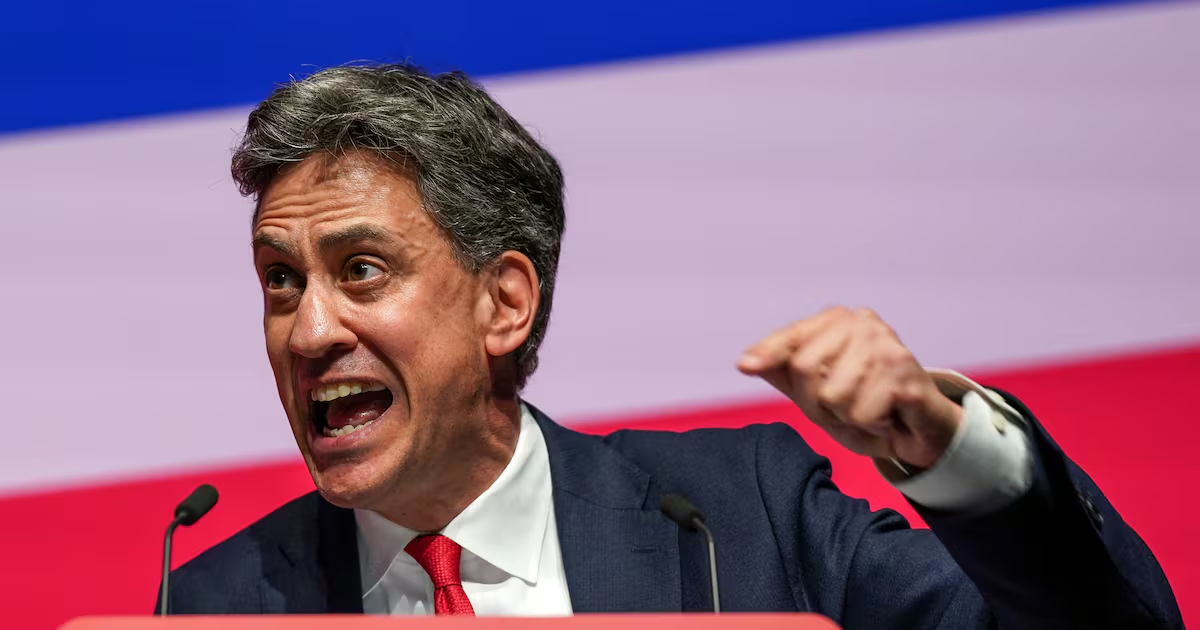
Britain’s new Foreign Secretary is already facing questions over his suitability for the post given his role in preventing the UK from joining a coalition to stop former Syrian president Bashar Al Assad from killing his own people. New Prime Minister Andy Burnham’s team was initially concerned that Ed Miliband’s strong left-wing views would spook the markets and lead to higher borrowing costs, when he was linked with the role of Chancellor of the Exchequer.But Mr Miliband, the former energy secretary, helped install Mr Burnham in No 10 Downing Street and has been rewarded with one of the most senior cabinet posts. A pro-Syrian regime protester waves his national flag as he stands in front of a portrait of Bashar Al Assad in DamascusInfoThat has led to a focus on his time as Labour leader, during which, in August 2013, he opposed the Conservative-led coalition government’s proposal to take military action against the Syrian regime at the height of the bloodbath against its citizens. QuoteLet’s hope he shows more backbone this time roundMonica Harding, Lib Dem foreign affairs spokeswomanThe British government called an emergency vote on carrying out strikes against the Assad regime after it used sarin nerve gas in Ghouta, killing more than 1,400 people. Joined by a few Tory rebels, Labour, still smarting from its decision to back the 2003 Iraq invasion, opposed the proposal, which failed by 285 votes to 272. That in turn led to a failure of nerve by US president Barack Obama’s administration not to attack the Syrian regime, allowing Al Assad to massacre unchecked until America took military action in 2017. A Syrian victim of a chemical weapons attack by Bashar Al Assad's forces. APInfo“Obama, watching what happened to the vote that night, was put off launching military action despite the ‘red lines’ crossed,” tweeted Liberal Democrat foreign affairs spokeswoman Monica Harding. “The [Labour] vote may have prolonged the civil war and emboldened [Russian President Vladimir] Putin. Let’s hope he shows more backbone this time round.” Foreign policy observers have argued that the UK vote created a power vacuum in the region, limiting western influence while altering the direction of the Syrian civil war. Part of the reason for 30 Conservative rebels and Labour opposing the action was the legacy of poor intelligence on weapons of mass destruction before the Iraq invasion in 2003, which led to deep distrust of the accurate MI6 reports that Al Assad was using sarin alongside barrel bombs. Despite the criticism, in his first message as Foreign Secretary, Mr Miliband pledged that he would strive to end the suffering of Palestinians in the Middle East.The politician, born to Jewish immigrant parents, promised to work “tirelessly to seek a sustainable peace in Palestine and Israel, including an end to the terrible suffering of the people of Gaza” and to get “security for the people of Israel”. From Russia’s invasion of Ukraine “to conflict in the Middle East, time and again we have seen the consequences of a more dangerous world”, he added.Britain would also play its part “to seek to end the conflict in Iran and fully reopen the Strait of Hormuz”. Lower-rank changes to the Foreign Office ministerial team are expected. Middle East minister Hamish Falconer was promoted to cabinet attendee with responsibility for intergovernmental and European relations. Jenny Chapman, the development minister, quit the government after Keir Starmer's departure as prime minister.
How Ed Miliband's Syria legacy could haunt him in new Foreign Secretary role | The National
Pivotal decision in 2013 to resist action against Assad regime's chemical killings was in Miliband's hands
565 words~3 min read