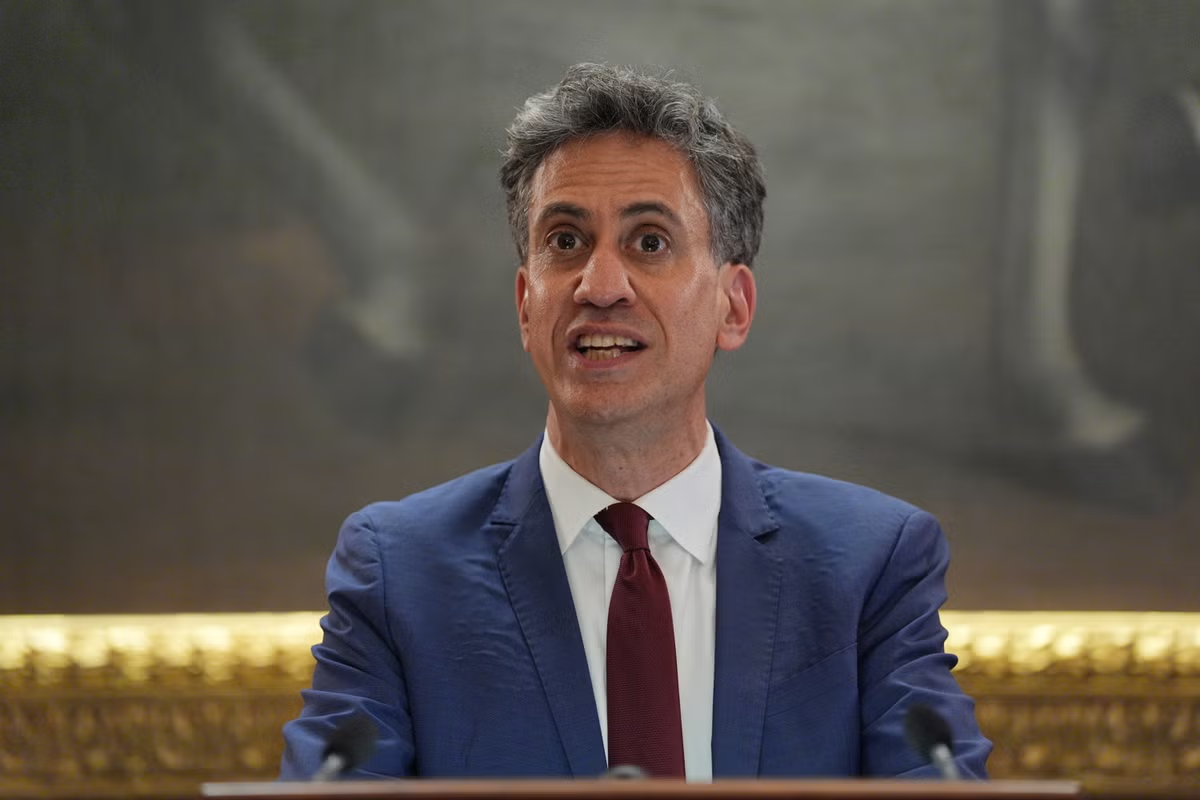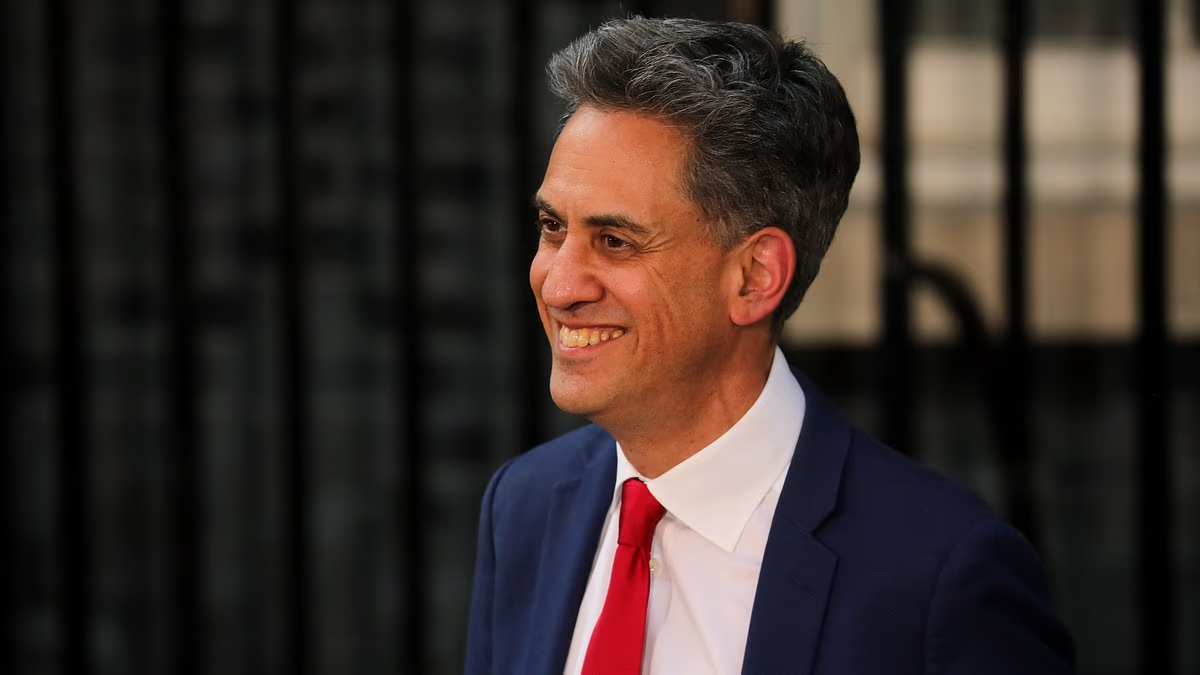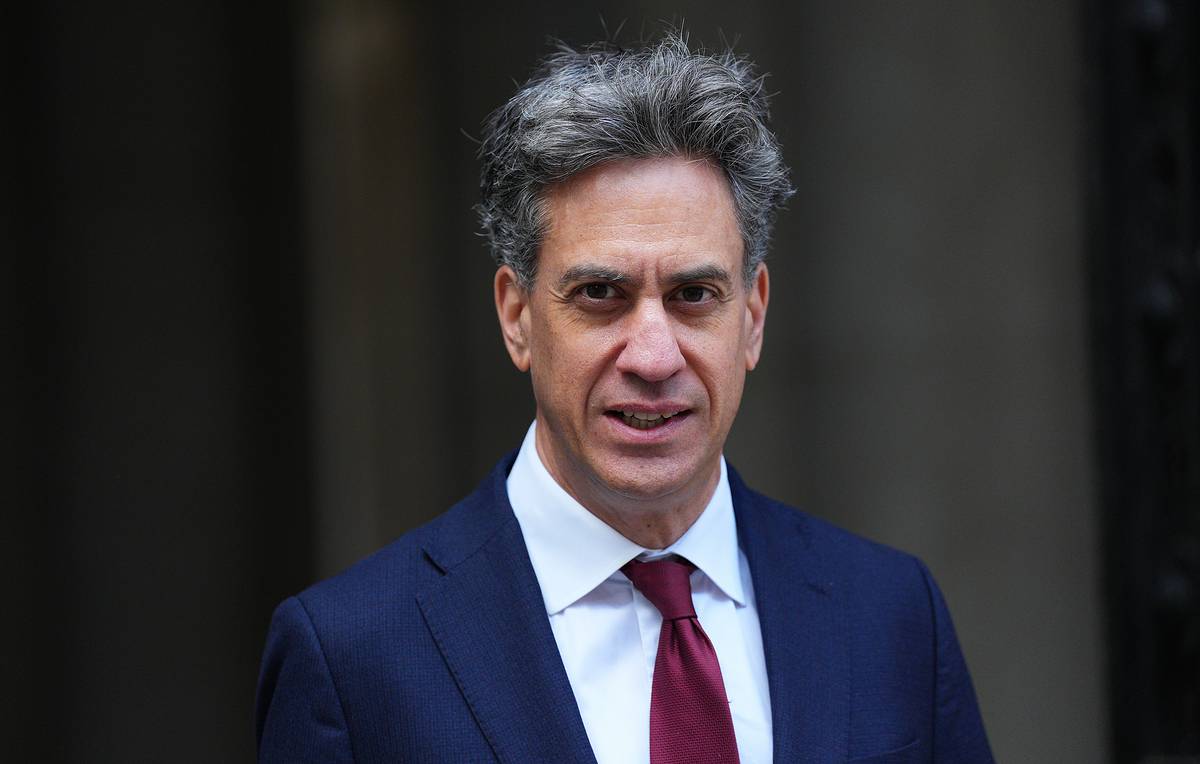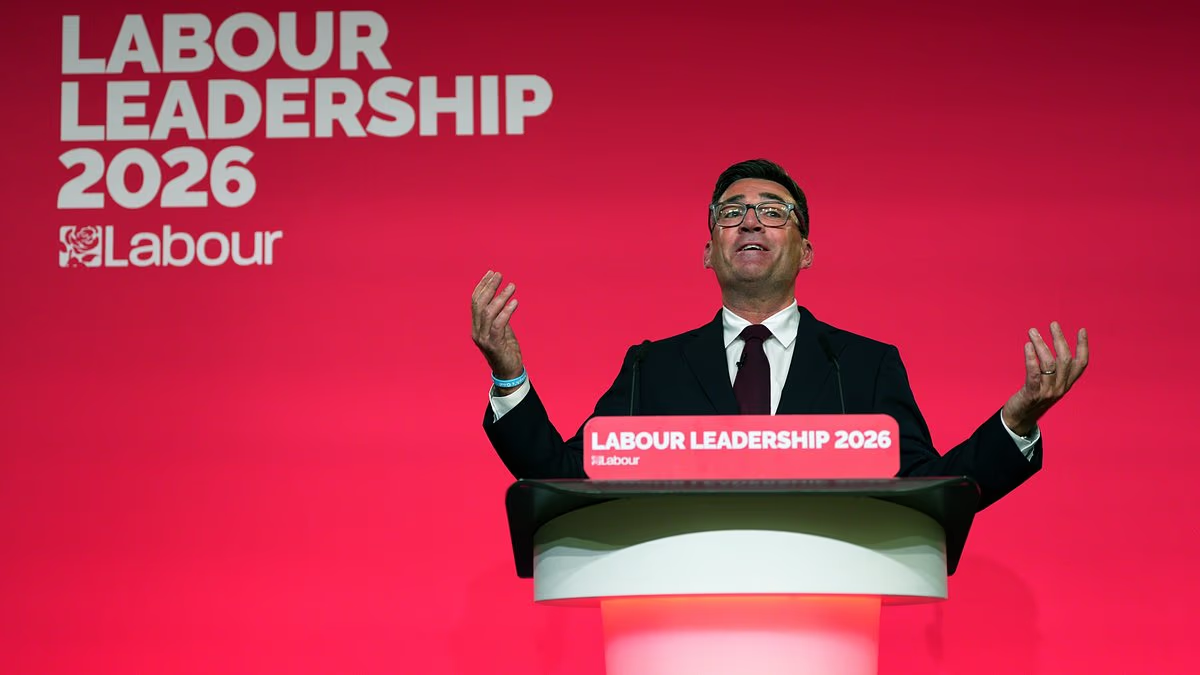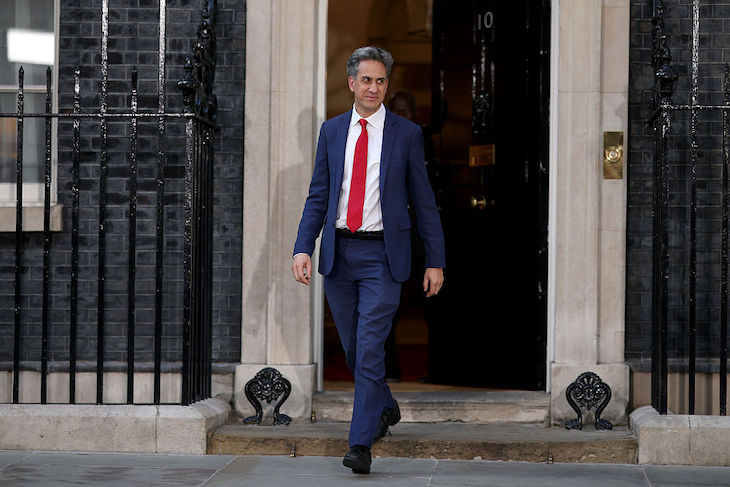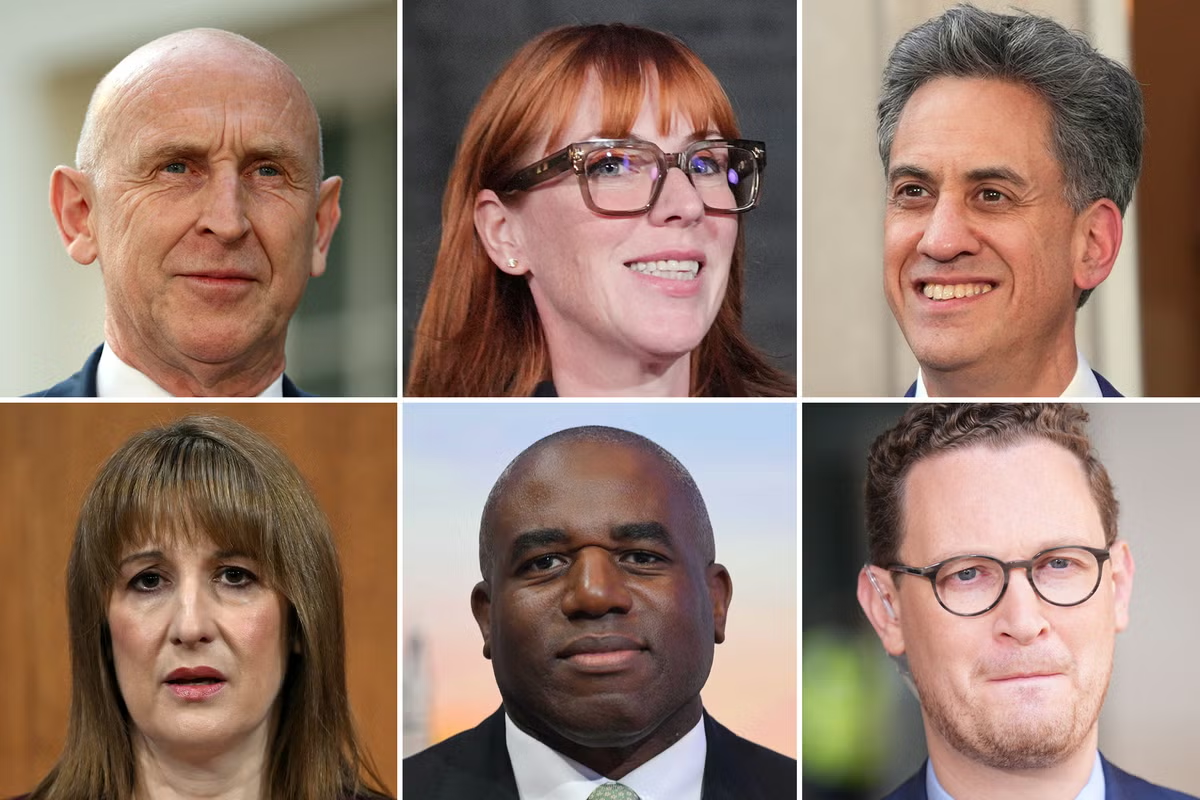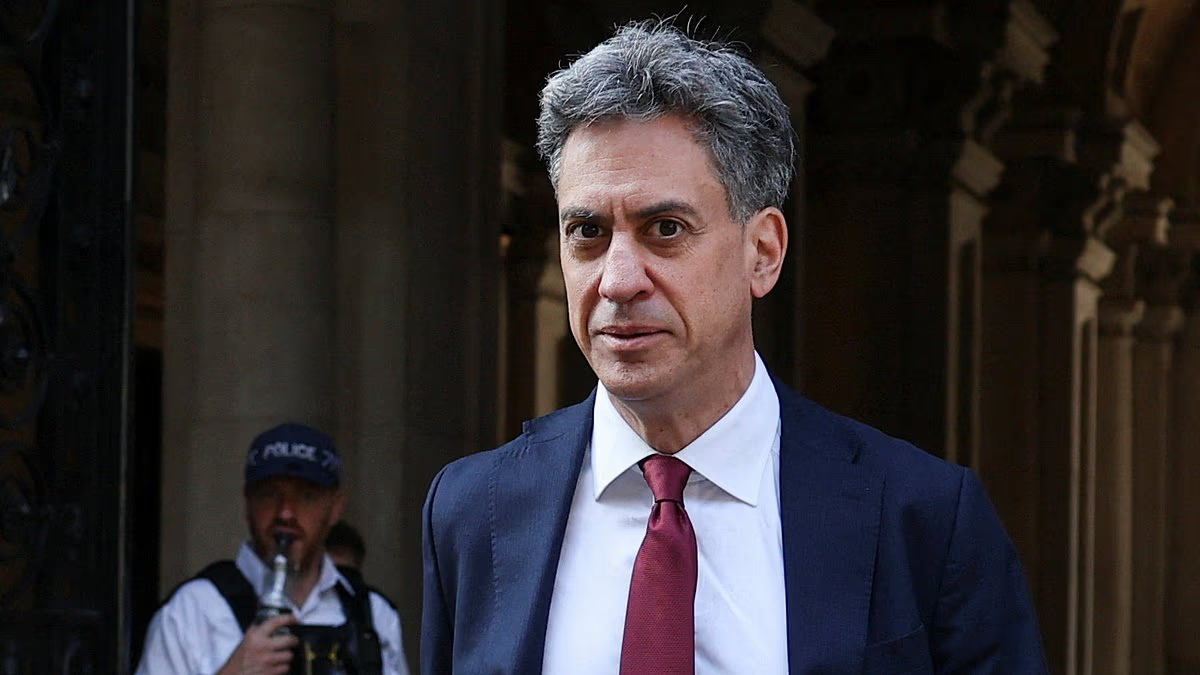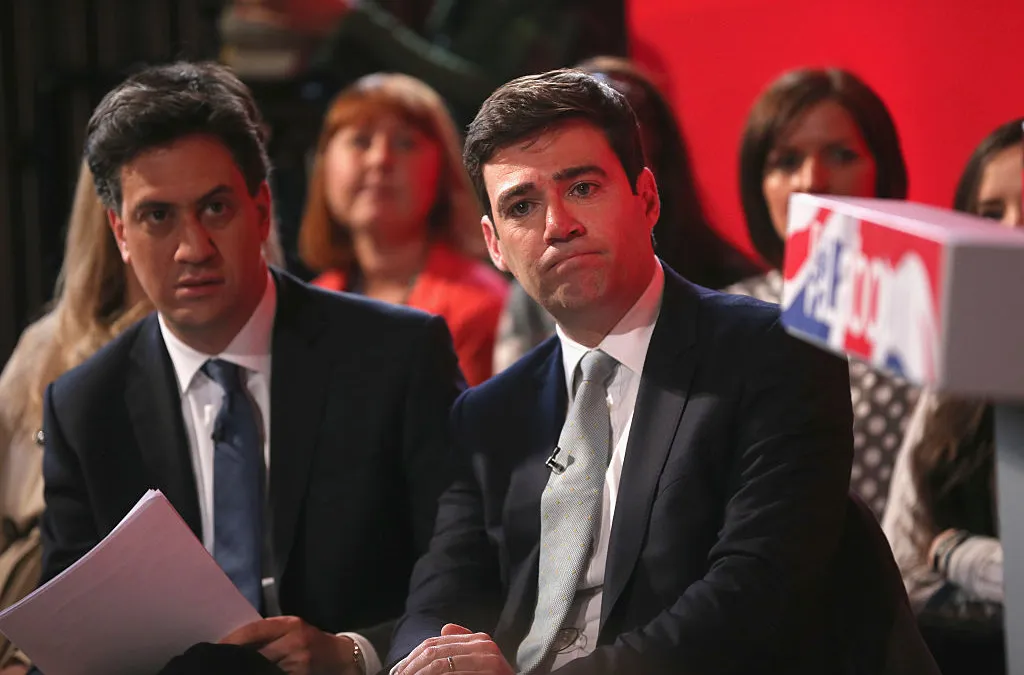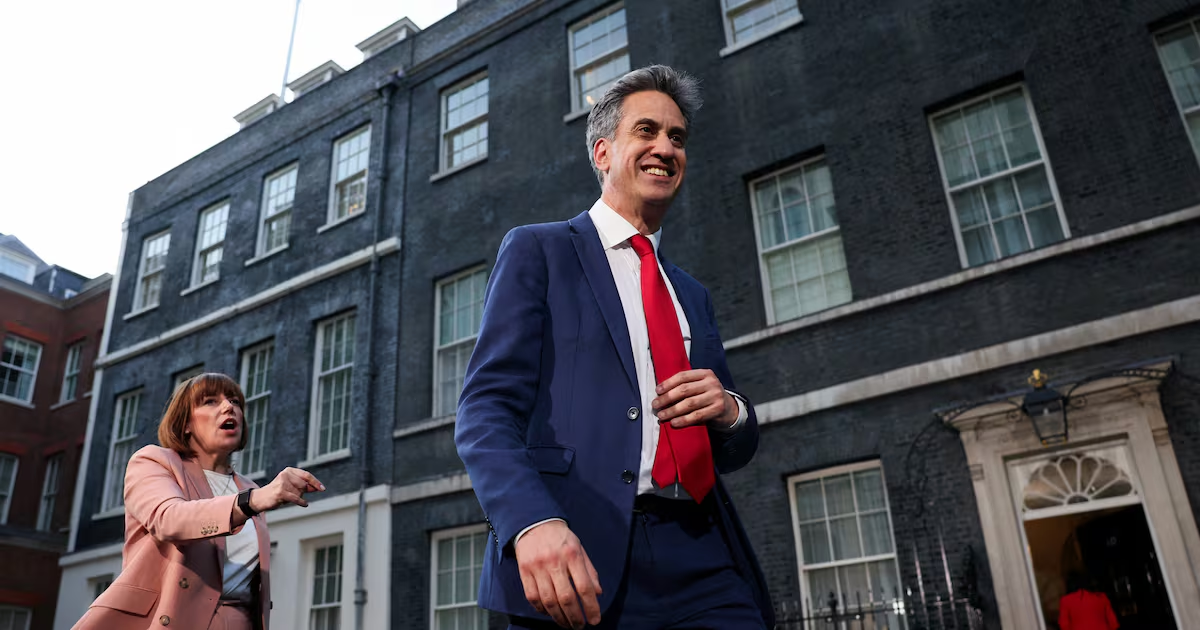
A radical shake-up in the British government has seen Andy Burnham appoint Ed Miliband as foreign secretary. It is the pick that may have the greatest international implications and prove to be his biggest gamble. While domestic attention has focused on the surprise promotion of John Healey to the Treasury, it is Miliband’s accession to one of the three great offices of the UK state after prime minister, along with chancellor and Home Office, that has caused consternation overseas. Miliband is no wallflower. He is an avowed left-winger who does not pull his punches. That is why he is so revered on that wing of the ruling Labour party and equally, reviled elsewhere. At energy, his last role, he enraged the North Sea, fossil fuel lobby by advocating relentlessly for ‘net zero’ and increased green provision. In Aberdeen, the capital of UK oil and gas, he is loathed, blamed for depressing the city’s industrial base. His refusal to be cowed, even in the face of threats to Britain’s energy security and to allow the drilling of available supply in the offshore Rosebank and Jackdaw fields, added to the enmity. Ed Miliband with Sadiq Khan, mayor of London and target of Donald Trump's anger. Victoria Jones/PA WireInfoMiliband has taken his past with him, which may not augur well for Britain’s position on the world stage – something that Burnham is keen to reinforce. The White House is letting it be known they expressed reservations about Miliband’s move. Donald Trump’s team reportedly said they would find it difficult to work with him. A senior Trump official is said to have stated Miliband would be ‘a point of friction’ in the transatlantic relationship because of his support for green energy projects. Steve Bannon, a close ally of the president and his former chief strategist, is quoted in The Telegraph: ‘The Trump administration took the extraordinary step of warning the new Prime Minister that the United States would view the appointment of “red diaper” baby and self-described socialist Ed Miliband as very injurious to the “special relationship”."Burnham could not care less – he appointed this twit anyway."Miliband certainly has form with Trump. In 2016, Miliband wrote: ‘We must do our best at home and abroad to resist the worst of Trumpism… These are dark days for America and the world. There can be little solace right now.’ In 2017, he said Trump ‘lowered the bar for idiocy’ and later joined a Stop Trump March in London.In 2023, he criticised then UK premier, Rishi Sunak, for cutting climate targets, saying: "A Trump-style climate culture war is not what the British people want," he said.British foreign secretaries being formerly critical of Trump is not new. David Lammy, Miliband’s predecessor, said similar. After his comments were aired, Lammy was kept in the shadows, at least where Trump was concerned, but the foreign secretary was able to maintain a bond with JD Vance, the US vice-president. Miliband does not have that – his historic ties are firmly on the Democrat side. US ties occupy government time. Stefan Rousseau/PA WireInfoRarely for a north Londoner, he is a fan of the Boston Red Sox and that could work in his favour with the baseball-following Trump. While the president may ignore his previous brickbats, as he has done with others and a mutual love of baseball may apply some balm, it is hard to see how the split over energy can be overcome. It is high on the Trump agenda and Miliband is avowedly in the wrong camp. His views on energy did not count for much, however, when as the lead minister, he blocked a proposal by Chinese manufacturer Ming Yang to build a £1.5bn wind turbine plant in Scotland. Then, he said worries about national security and fears of Chinese espionage outweighed his green principles. It also propelled him to ignore what Beijing maintained was a signed memorandum of understanding to cooperate on wind and offshore projects.Careful positioningOn accepting his new job, Miliband said achieving a ‘sustainable peace in Palestine and Israel’ and the reopening of the Strait of Hormuz were top aims.‘My parents came to Britain as Jewish refugees from the Nazis. To them, Britain was both a sanctuary and a beacon of hope in the global fight against fascism. I will carry my parents’ faith in that spirit of Britain to my role representing our country.’His Jewishness did not prevent him as Labour leader in criticising Israeli policy. In 2014 Miliband broke with the Conservative government by attacking Israel’s military incursions in Gaza as ‘wrong and unjustifiable’. He also slated PM David Cameron for not condemning the scale of civilian casualties in Gaza.In October 2014, he ordered Labour MPs to vote in favour of a House of Commons motion unilaterally recognising the State of Palestine. He argued he was trying to promote a two-state solution to the conflict but he provoked a schism with some traditional Jewish Labour donors and community organisations. He was also critical of Israeli West Bank settlements as ‘wrong and illegal’. But he has also supported Israel - especially after October 7. In November 2023, he abstained on a Commons amendment calling for an immediate ceasefire in Gaza, voting instead for humanitarian pauses and political steps.Miliband has repeatedly bracketed Hamas as a terrorist organisation and condemned its rocket attacks on Israeli towns as ‘totally unjustified and appalling’. History madeFamously, when in charge of Labour, Miliband steered his party to vote against UK military intervention in Syria following the Assad regime’s use of chemical weapons. Historically as well, since premier Cameron’s proposal was defeated, the first time in decades that the UK parliament blocked a government’s call for military action.He’s outspoken, combative, but is also not averse to attempting to tread a fine line. How he goes down in the world’s capitals is going to be interesting.
Riddle of Ed Miliband hangs over UK diplomacy | The National
Getting to the bottom of what drives Andy Burnham most potent pick
973 words~4 min read