See more Daily Mail on Google - save us as a Preferred SourceBy BEN WILLCOCKS, ASSISTANT SPORTS EDITOR Published: 11:30 BST, 21 July 2026 | Updated: 11:33 BST, 21 July 2026
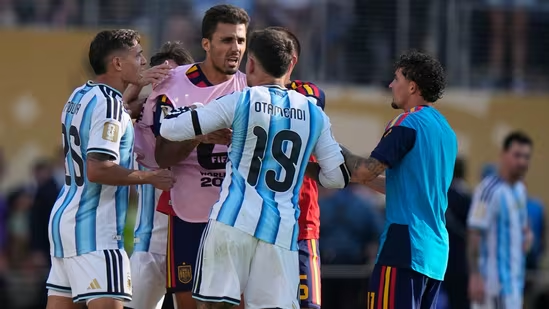
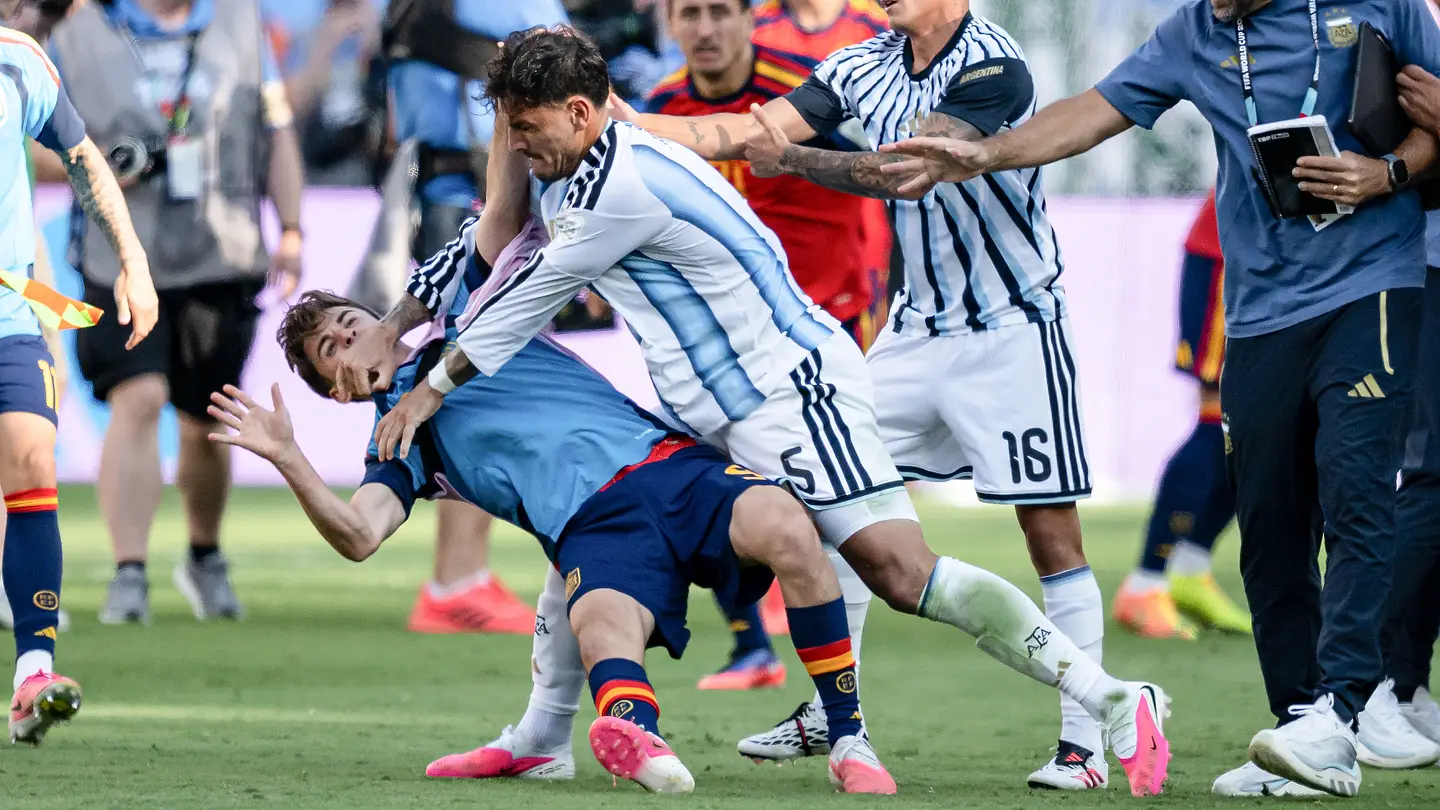
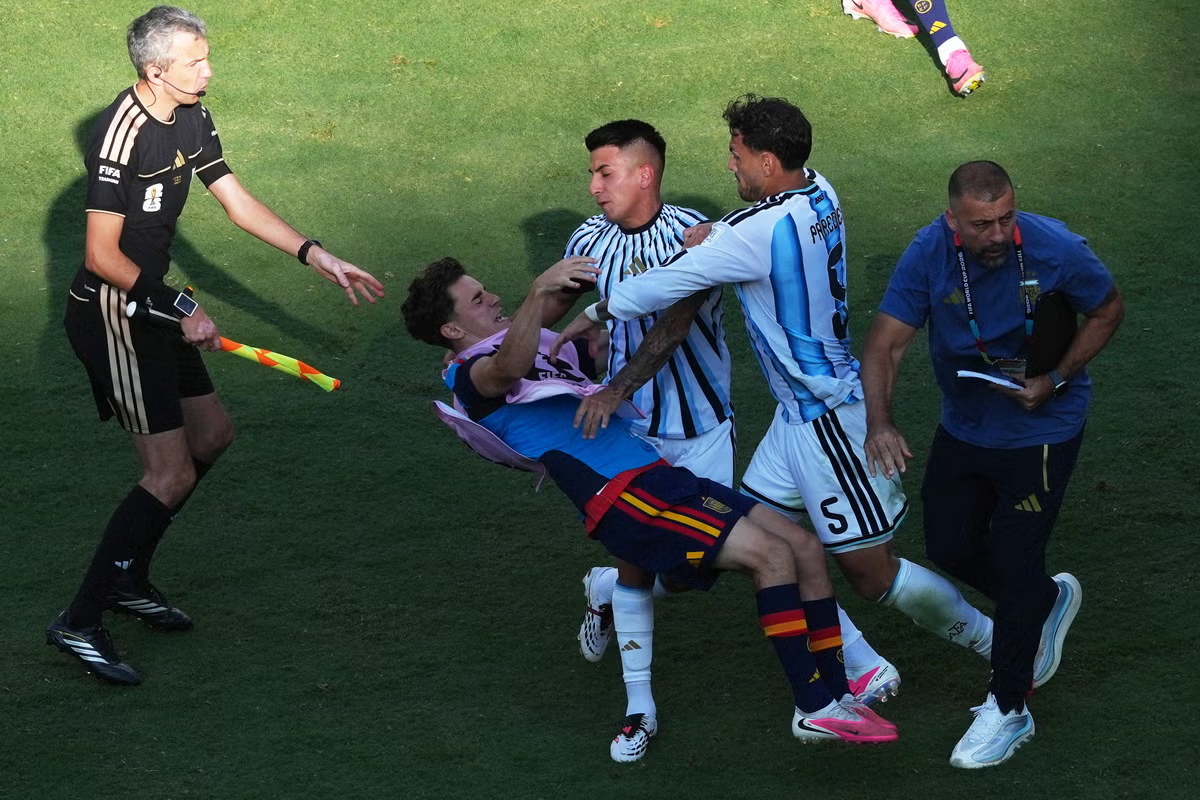
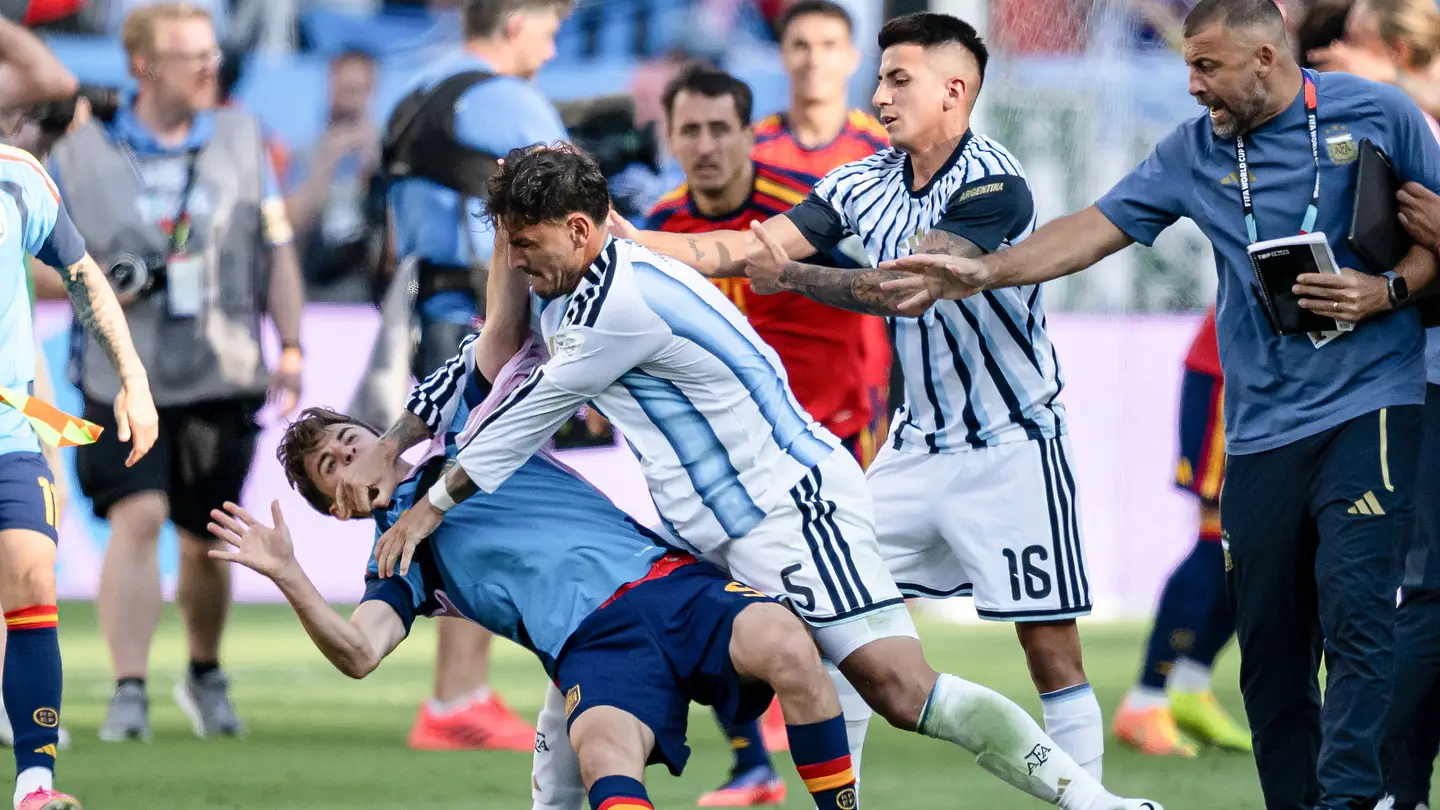
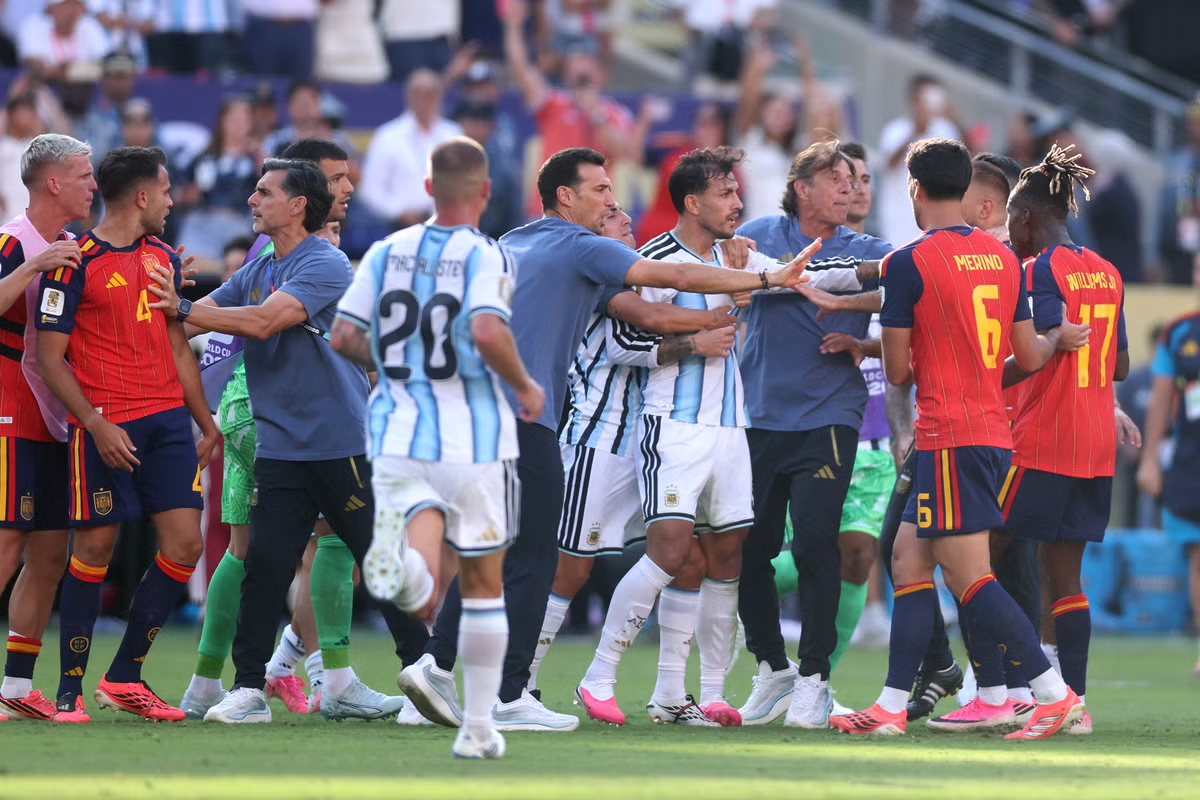
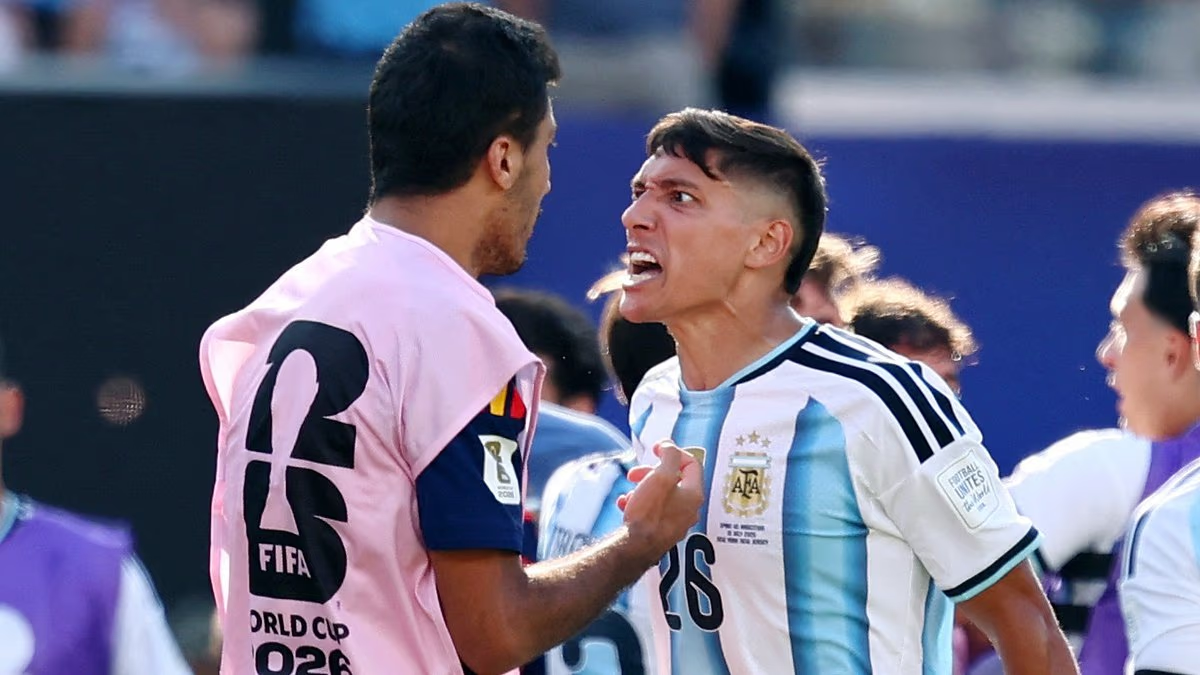
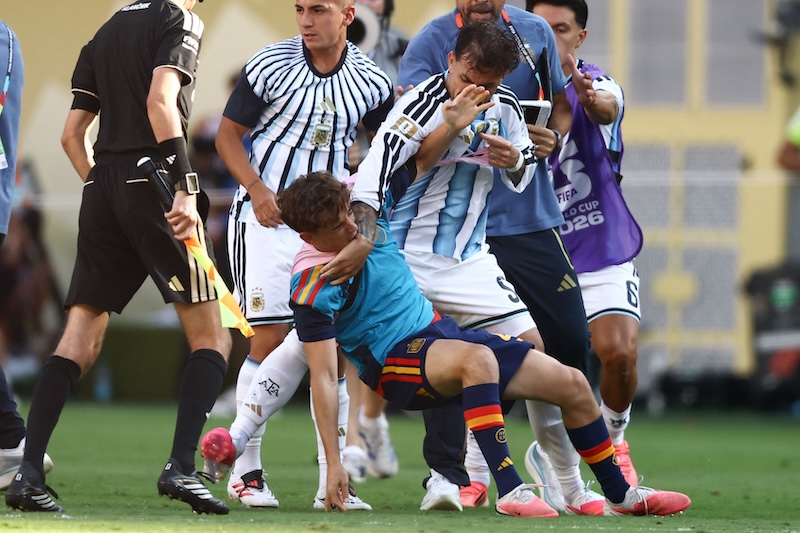
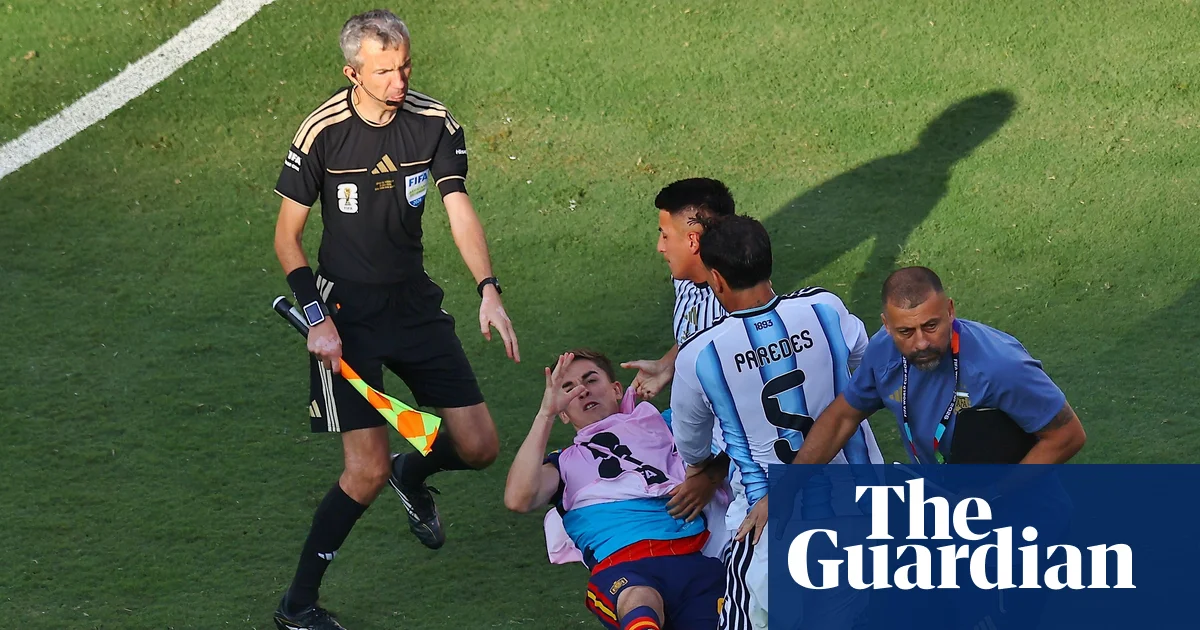
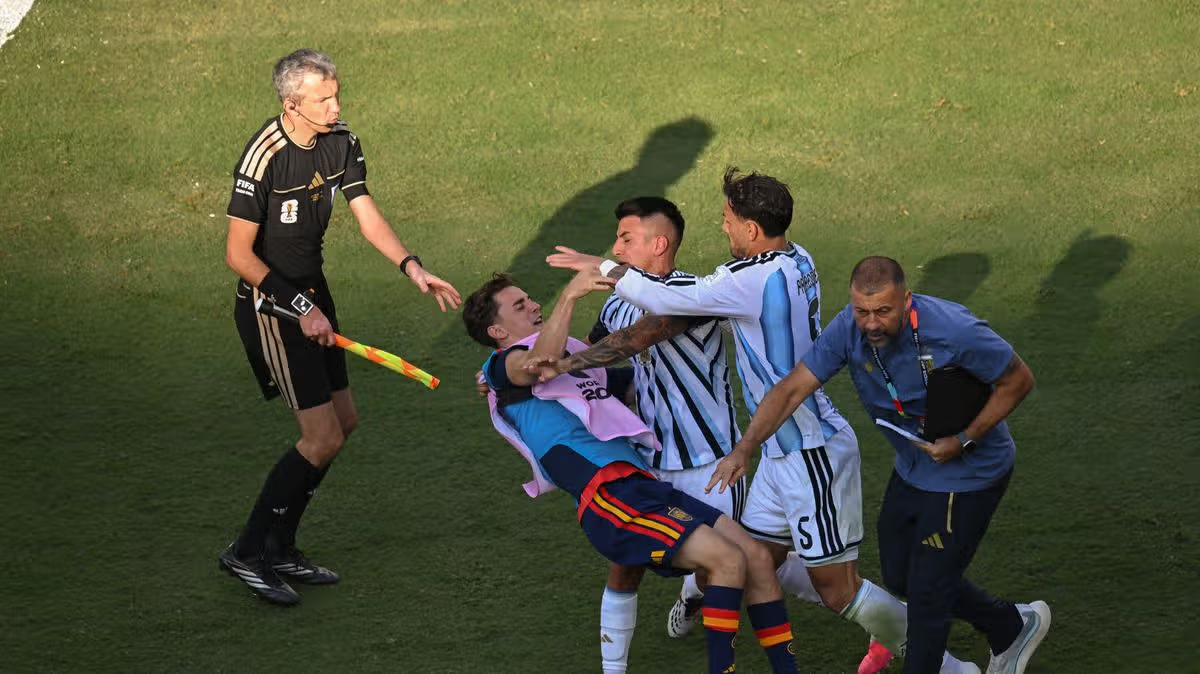
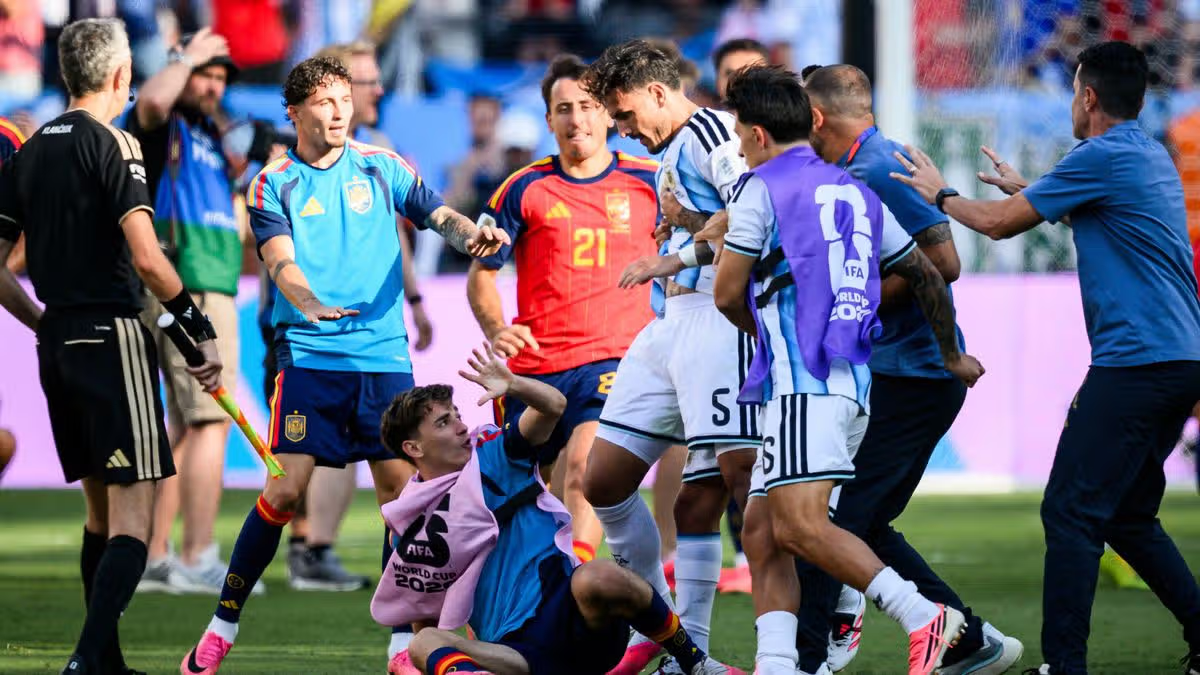
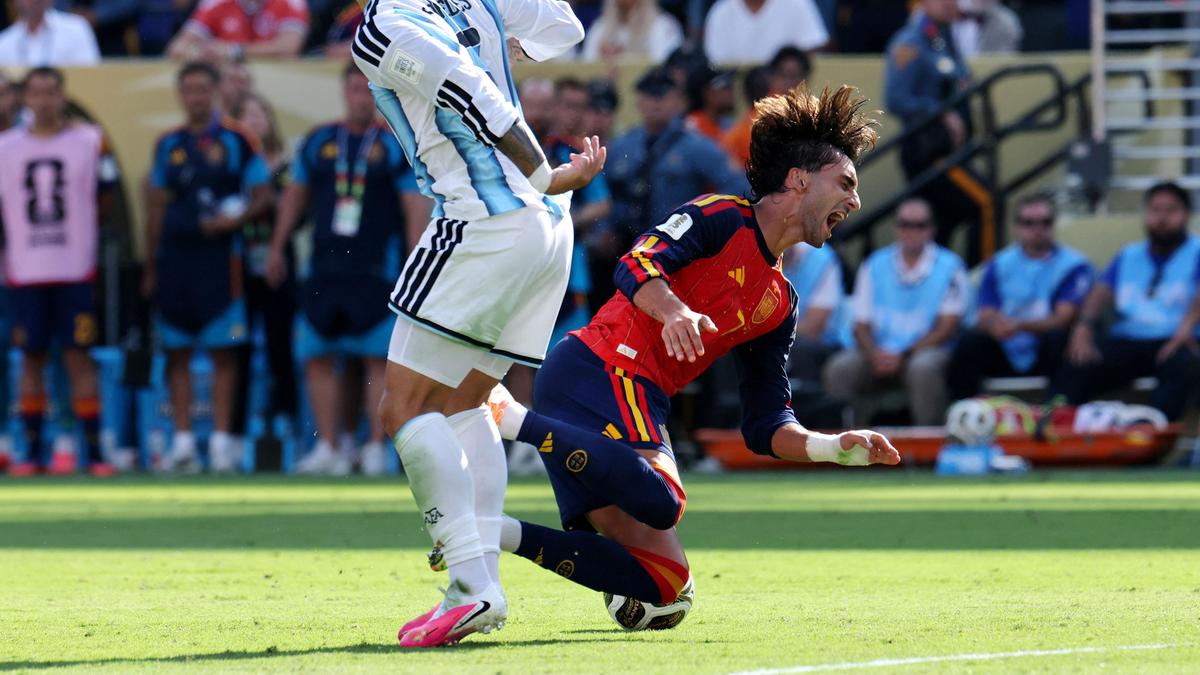
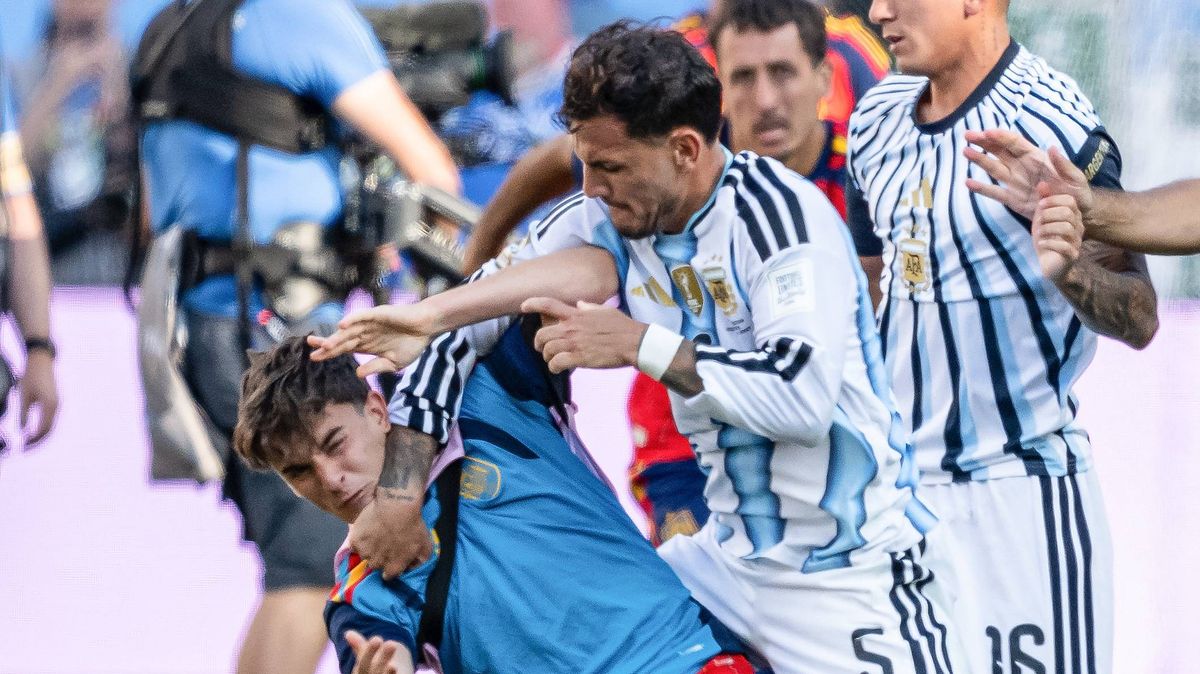
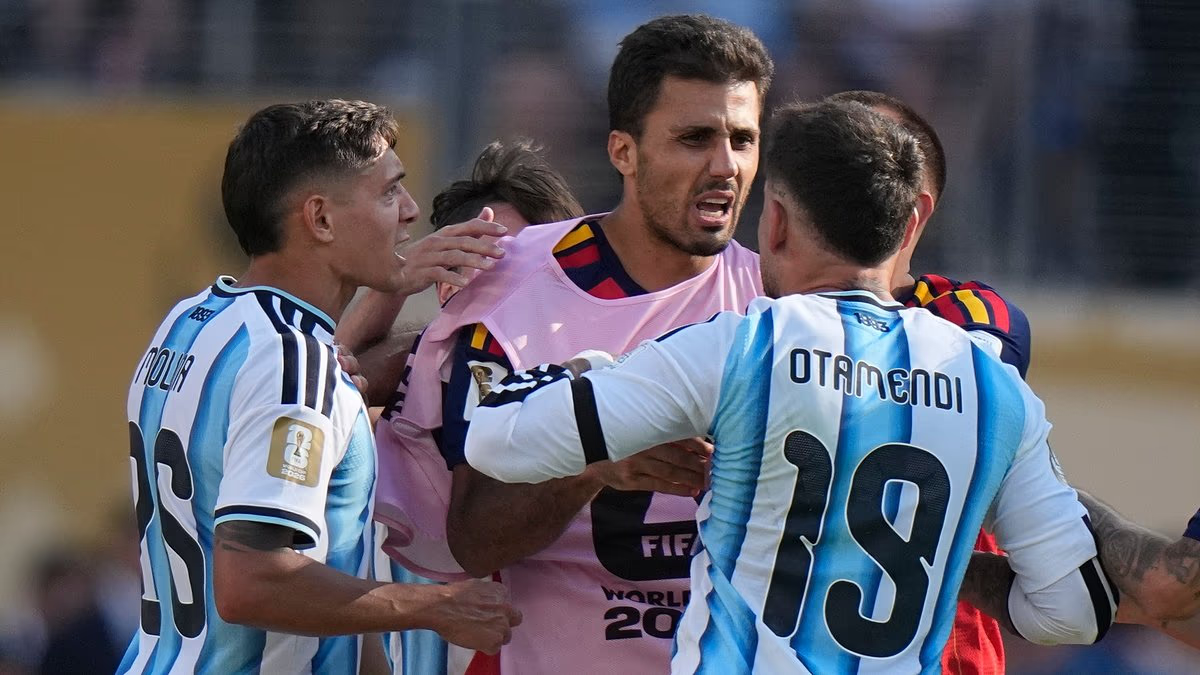
Argentina's shameful conduct towards Spain at the end of Sunday's World Cup final could have serious consequences amid FIFA's ongoing disciplinary investigation.Several Argentina players were involved in ugly post-match clashes with Spain's players immediately after the final whistle, which confirmed the European nation as world champions with a 1-0 victory after extra time. Spain's captain Rodri was struck by Nahuel Molina as he went to celebrate with his team-mates, before Dani Olmo was punched by Argentina coach Roberto Ayala.Elsewhere, Argentina midfielder Leandro Paredes attacked Eric Garcia by grabbing him by the neck and then, along with team-mate Thiago Almada's help, threw unused Spanish substitute Gavi to the floor in disgraceful scenes.The deplorable post-match incidents came after Spain had dominated the match in terms of possession and chances, while Argentina attempted to stop them in their tracks with tough tackling, timewasting and dirty tactics.After the final, world football's governing body FIFA swiftly opened an investigation into Argentina's violent post-match conduct, appointing a Disciplinary and Ethics Prosecutor to review footage, referee reports and documentation submitted by match delegates. Argentina's shameful conduct towards Spain at the end of Sunday's World Cup final could have serious consequences amid FIFA's ongoing disciplinary investigation Leandro Paredes grabbed Eric Garcia by the neck before throwing Gavi (above) to the floorAccording to FIFA's Disciplinary Code, players found guilty of violent conduct should be issued with at least a three-match ban. The same penalty applies to acts of aggression including punches, kicks, elbows, headbutts or other blows against an opponent.Despite Molina, Paredes, Almada and Ayala all appearing to fall foul of these rules, FIFA has not yet announced a sanction, suggesting that the Argentina brutes may be in line for harsher punishments.For FIFA to increase the sanction, the governing body must analyse the seriousness of each incident and participation of each person implicated. It also must consider that these incidents occurred at an event watched by millions of people worldwide.There is a separate part of the Disciplinary Code - Article 13 - which states that sanctions should be issued for 'violations of the basic rules of good conduct' and 'behaviour that discredits football and/or FIFA'.Despite reports circling that Paredes had been shown a red card by referee Slavko Vincic, it was later revealed by FIFA via the BBC that his post-match conduct was not punished - and the sending off was removed from the official record shortly afterwards.As stated in Article 69 of the Disciplinary Code, any potential sanctions issued to the players must be carried over into Argentina's next official matches, now that the World Cup has reached a conclusion.According to FIFA's Disciplinary Code, players found guilty of violent conduct should be issued with at least a three-match ban and could be suspended for longer in more serious casesWhile it is highly unlikely the sanctions would lead to club-related suspensions, temporary bans preventing players from participating in all football-related activity have been issued for the most serious cases in the past.One example includes Luis Suarez's four-month ban from football in 2014 for biting Giorgio Chiellini during Uruguay's World Cup match against Italy. FIFA are also investigating whether to sanction the Argentine Football Association after players displayed a Falklands-themed banner following their semi-final victory over England, claiming the islands belong to Argentina.