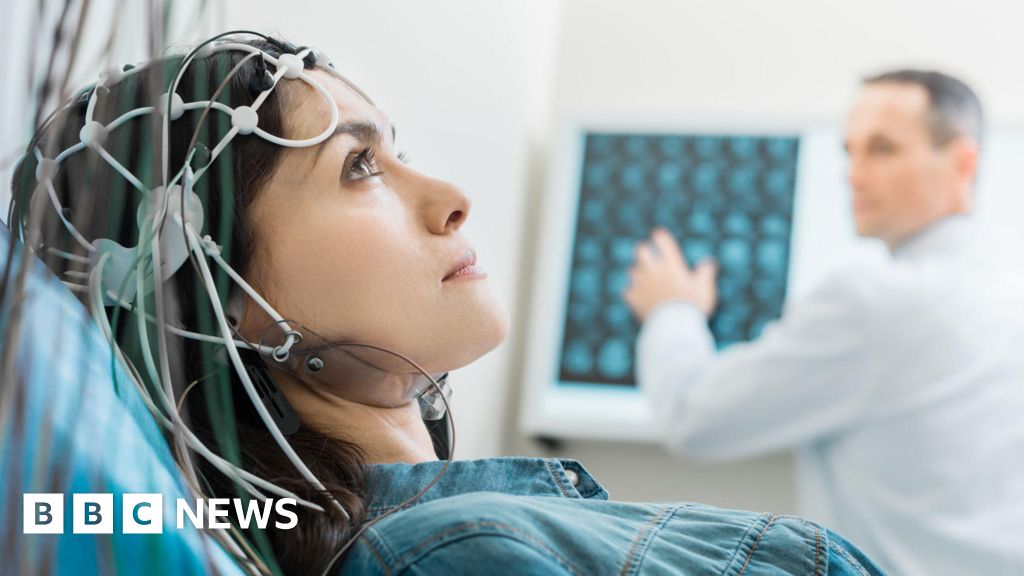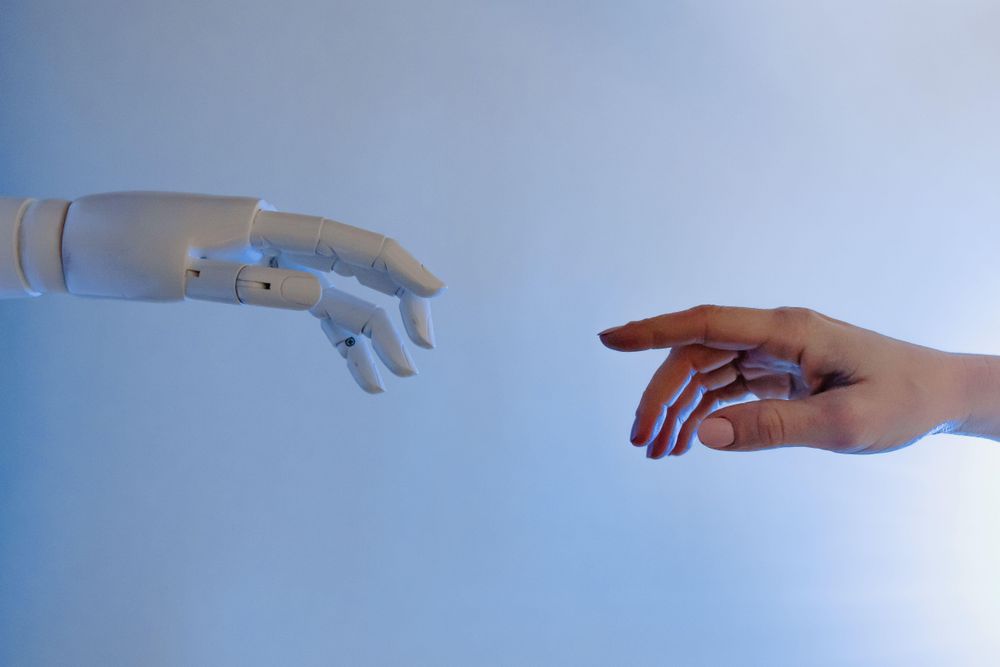
AI chatbots have become the answer to almost everything. Can't draft an email? Ask AI. Need to understand a complex topic? Ask AI. Want meal plans, travel itineraries or even life advice? AI has you covered. The convenience is undeniable. But as artificial intelligence becomes increasingly woven into daily life, neurologists and psychiatrists are asking a different question this World Brain Day: What happens when we stop doing the thinking ourselves?AI can answer questions in seconds, but experts say your brain still needs regular mental exercise (Adobe Stock)The concern isn't that AI will make people less intelligent overnight. Instead, experts say constantly outsourcing everyday mental tasks could slowly chip away at the cognitive effort that keeps memory, attention, reasoning and problem-solving sharp.Their concerns echo findings from an April 2026 study by researchers at Carnegie Mellon University, MIT, Oxford and UCLA. The study found that people who used an AI assistant to solve problems were significantly more likely to struggle once that support was removed, suggesting that while AI can boost efficiency, relying on it too much may weaken independent problem-solving.Don't let AI become your first response"AI should be viewed as a support tool rather than a substitute for thinking. Before asking AI for an answer, spend a few minutes trying to solve the problem yourself," says Dr S A Idrees, Consultant-Psychiatry, Manipal Hospital, Bhubaneswar.Explaining that the brain functions much like a muscle, he says, "If it is not challenged regularly, cognitive abilities such as memory, attention, problem-solving and critical thinking may gradually become less sharp."Instead of relying on AI for every task, Dr Idrees recommends:Try solving a problem yourself before asking AI chatbotsSpend a few minutes recalling information from memory instead of searching immediatelyAnalyse a problem on your own before seeking AI-generated answersThink through possible solutions first—your brain benefits from the effortUse AI to deepen your understanding, not replace itGiven how fast technology is moving, the conversation around AI shouldn't be driven by fear. The problem begins when AI starts doing the thinking for us, says Dr Gurucharan Adoor, Neurologist, Apollo Hospitals, Bengaluru. "The concern begins when AI starts replacing thinking instead of supporting it. The brain works best when it is challenged. We remember information because we make an effort to understand it. We become better at making decisions because we compare options, analyse situations and sometimes even make mistakes. If every answer is handed to us instantly, those mental processes are used less often."Dr Adoor says AI can be a useful tool when used the right way. It can:Explain the same concept in different ways until a student understands itEncourage active learning and curiosity instead of passive learningCreate personalised cognitive exercises for children with ADHD that gradually increase in difficultyGenerate customised memory games and brain exercises for people with cognitive impairmentSupport learning and rehabilitation, while not replacing teachers, therapists or medical careHow to give your brain a workout beyond the screenExperts say good brain health still depends on simple, everyday habits - not just how you use AI. Dr Idrees recommends:Read full articles instead of only AI-generated summariesTry recalling information before searching for it onlineLearn a new language or skillSolve puzzles or play a musical instrument.Have meaningful conversations with peopleLimit excessive screen time and avoid constant multitasking, which can reduce attention span."AI is a powerful innovation, but your brain still needs daily exercise. Use technology to enhance your abilities, not to replace the thinking, curiosity and continuous learning that keep the brain healthy throughout life," he says.Dr Adoor agrees, saying AI has enormous potential, but there are some things it should never replace to ensure the brain continues to get exercise throughout life. Things AI should not replace:Human judgement and empathyReading books and articlesIndependent problem-solvingReal-life discussions and social interactionLearning new skills and hobbies that keep the brain active
World Brain Day: How to use AI without making your brain lazy
Experts say if AI starts replacing your thinking instead of supporting it, your brain could miss out on the mental workout it needs to stay healthy.
630 words~3 min read