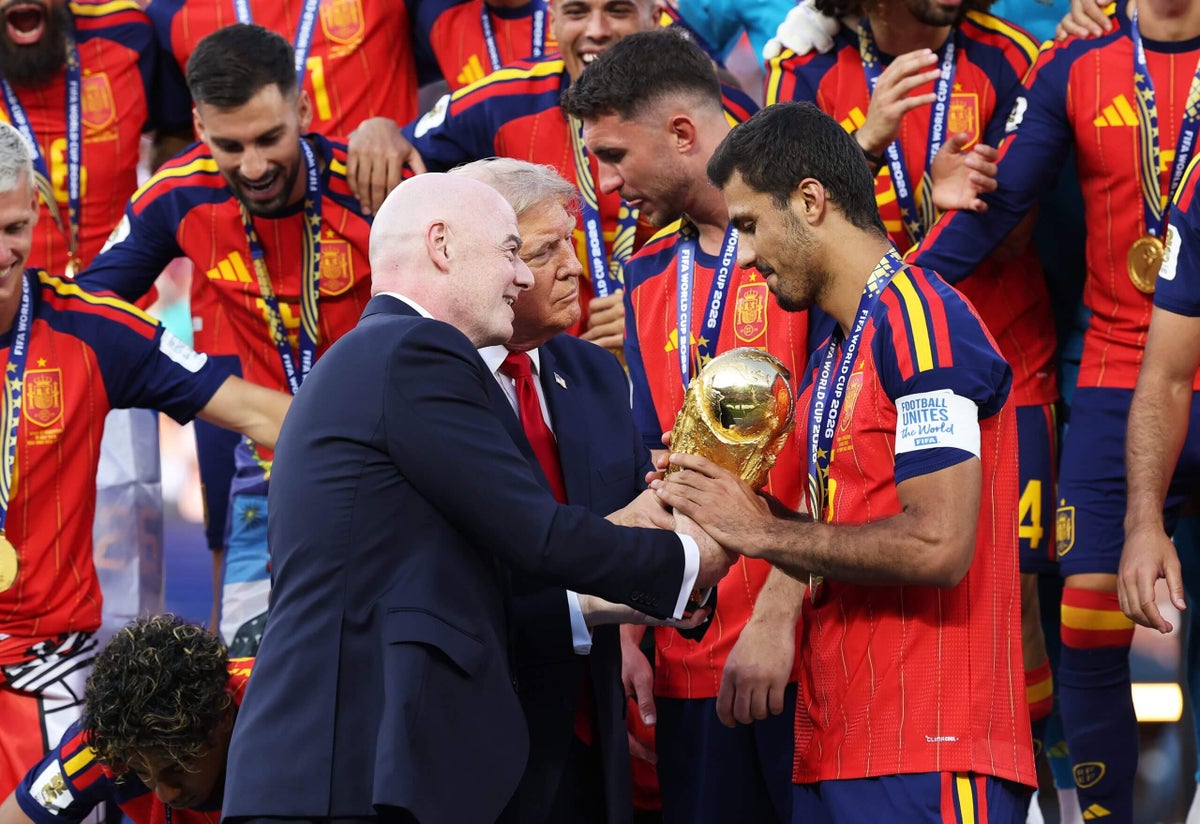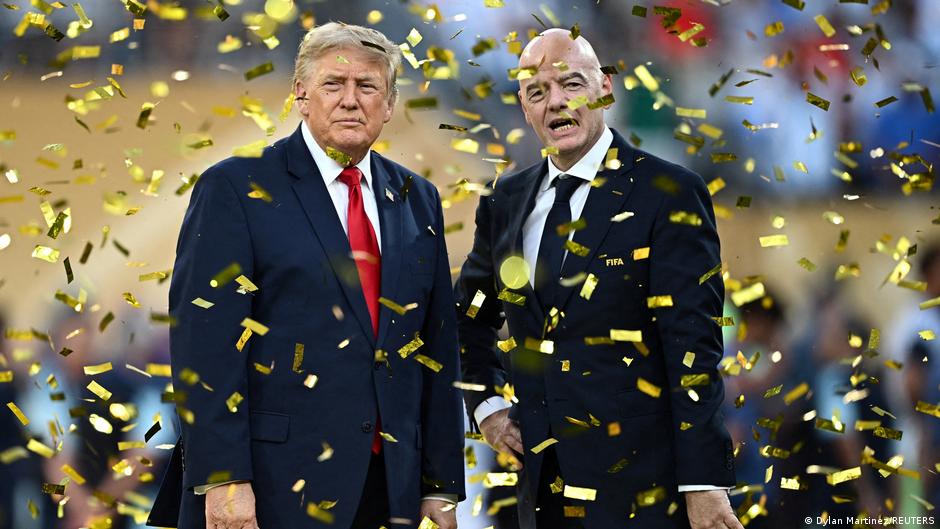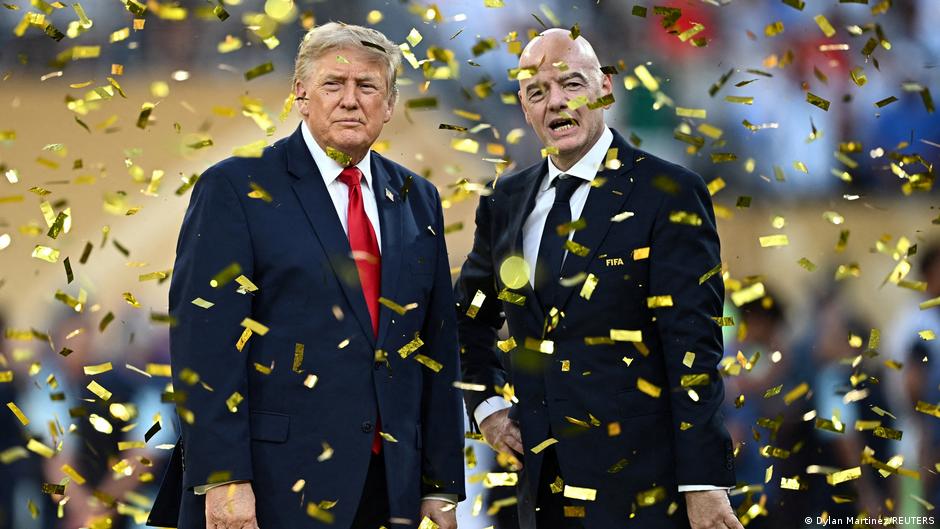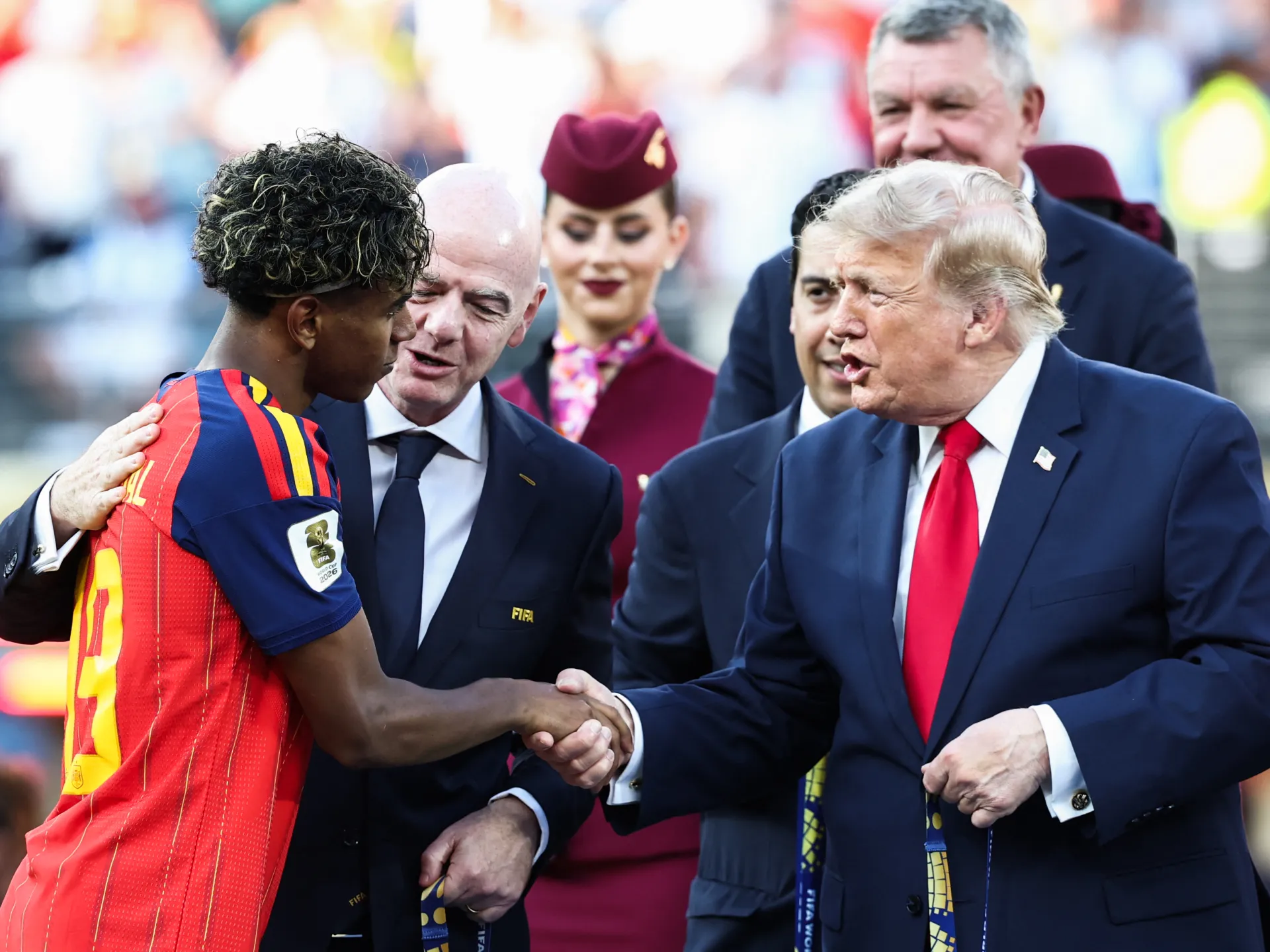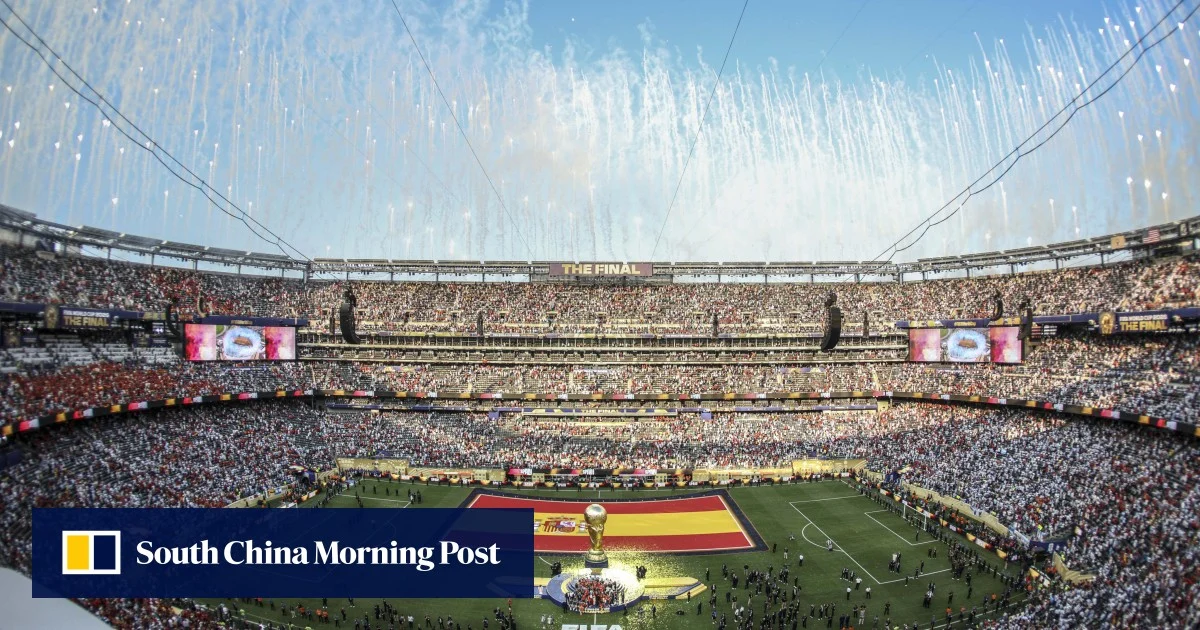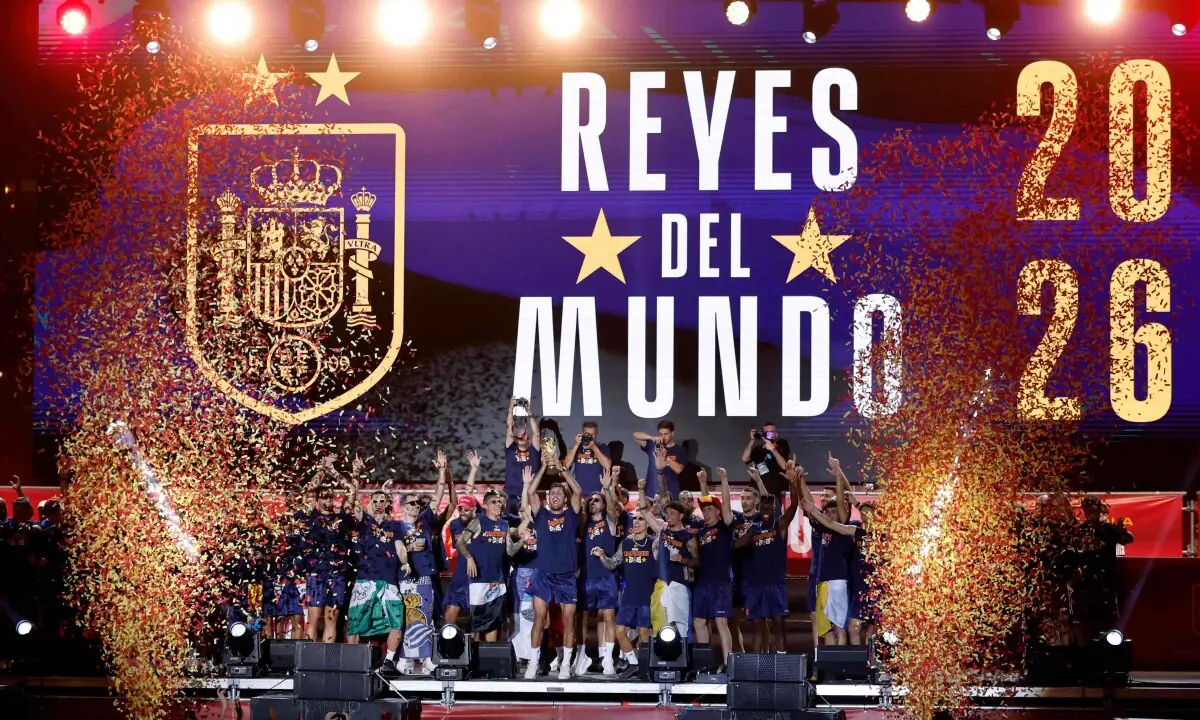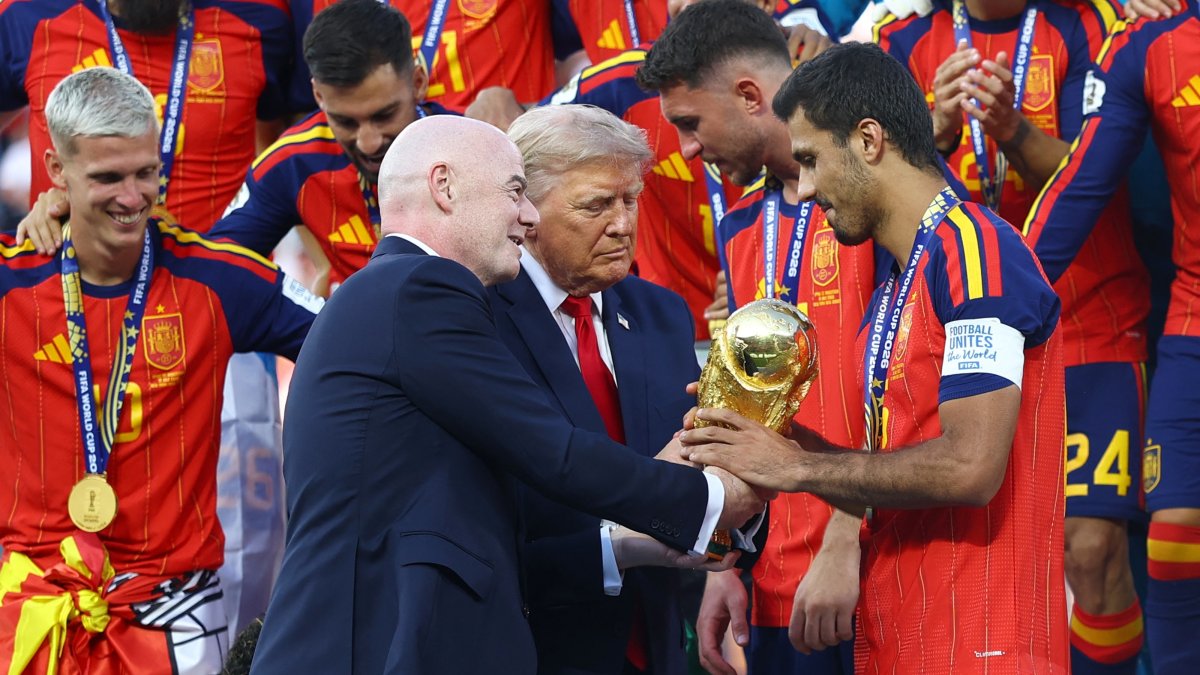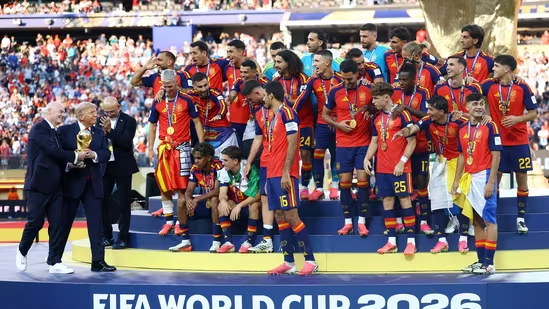
From the best teams to the defining moments, biggest controversies, standout performers and the road to 2030, this is the final recap of World Cup 2026 The World Cup is finally over. The late-night shifts, the frantic rewrites, the last-minute edits, the endless coffee and the scramble to keep up with every twist. It all came to an end in the early hours of Monday.U.S. President Donald Trump and FIFA President Gianni Infantino hands the World Cup trophy to Spain's Rodri ahead of the trophy lift (REUTERS)Before club football takes over again, here's one final look at what made the biggest World Cup in history so memorable.From the best and worst teams to the defining moments, biggest controversies, standout performers and the road to 2030, this is the final recap of FIFA World Cup 2026.Were Spain deserving winners?Without a doubt. Spain did not have the tournament's biggest stars or the flashiest attack. What they had was the best football.While France and Argentina dominated headlines with their goals and superstar narratives, Spain quietly built the tournament's most complete team. They defeated Portugal, Belgium, France and finally Argentina, whose anti-football tactics could not stop La Roja's relentless control.Spain won through organisation, discipline and tactical superiority. It was football at its purest.Who was the best player?Lionel Messi and Kylian Mbappe produced the tournament's biggest moments. Messi, at 39, dragged Argentina to another final with eight goals and four assists. Mbappe finished with 10 goals to become the World Cup's all-time leading scorer.Yet neither was the tournament's most influential player. That honour belonged to Rodri. The 2024 Ballon d'Or winner controlled games with remarkable authority, dictated Spain's rhythm and almost single-handedly neutralised both France and Argentina in the semifinal and final. His Golden Ball triumph felt entirely justified.Rodri #16 of Spain is presented with the Golden Ball award after the FIFA World Cup 2026 Final match between Spain and Argentina at New York New Jersey Stadium on July 19, 2026 (Getty Images via AFP)Michael Olise also deserves an honourable mention. Overshadowed by bigger names, he quietly enjoyed one of the finest tournaments.What was the best match?There were several contenders.Argentina's dramatic Round-of-16 victory over Cape Verde was unforgettable. On paper, it looked hopelessly one-sided, but Cape Verde defended heroically and found a new national icon in goalkeeper Vozinha before eventually falling in extra time through an unfortunate own goal.Then came Egypt. Messi missed a penalty. Mostafa Shobeir produced a goalkeeping masterclass. Argentina trailed 2-0, something they had never recovered from in a World Cup before. Add the VAR drama, and it seemed over.Then Messi found his magic. Argentina scored three times in the final 13 minutes to complete one of the tournament's greatest comebacks.Croatia vs Portugal also lived up to expectations, while England's emotionally charged win over Mexico, with the storm delay, hostile atmosphere and altitude, felt like pure World Cup theatre.Goal of the tournament?Sydny Lopes Cabral's stunning equaliser against Argentina. Nobody saw it coming. Nobody expected Argentina to be breached like that. It remains the standout strike of the tournament.Sidny Lopes Cabral (13) celebrates with teammates as Argentina's Lionel Messi (10) looks on after scoring their second goal during the World Cup round of 32 soccer match between Argentina and Cape Verde (AP Photo/Chris Carlson)Favourite moment?Norway gave the World Cup one of its most memorable fan traditions. The "Viking Row" became an internet sensation, uniting Norwegian supporters both in the United States and back home.Off the pitch, few stories matched the emotion surrounding Vozinha. After his heroic display against Spain, U.S. authorities intervened to waive visa costs and allow his mother to attend the tournament after initially being denied the chance because of travel restrictions. He ended the World Cup as one of the world's most-followed goalkeepers on Instagram.And then there was Belgium's now-famous "Trump dance." It was impossible not to smile.Worst moment?Donald Trump's intervention. His reported phone call to FIFA president Gianni Infantino to overturn Folarin Balogun's red card before the USA's knockout clash against Belgium became the tournament's biggest off-field controversy. When Trump publicly acknowledged his involvement, what should have been one of the biggest nights in American football instead became overshadowed by conspiracy and criticism.Folarin Balogun of the U.S. walks out before the match (REUTERS)FIFA endured more embarrassment elsewhere.Iran spent much of the tournament travelling between Mexico and the United States because of political restrictions. Mehdi Taremi described it as a "disaster World Cup," and it was difficult to disagree.Even before kickoff, FIFA's image suffered when Somali referee Omar Artan was sent home after the Trump administration alleged links to suspected terrorist organisations.Biggest disappointment?Portugal. They qualified comfortably and arguably possessed Europe's strongest midfield, yet never looked convincing.So much attention focused on Cristiano Ronaldo, but Vitinha and Bruno Fernandes, two of Europe's standout performers last season, never reached their usual levels. Portugal lacked tactical clarity, the dressing-room atmosphere appeared unsettled, and their World Cup ended with Ronaldo walking away in tears after a Round-of-16 exit.Portugal's forward #07 Cristiano Ronaldo reacts after losing the 2026 World Cup round of 16 football match between Portugal and Spain at the Dallas Stadium (AFP)Brazil also deserve mention. Five-time world champions, they exited meekly against Norway, their earliest World Cup elimination since 1990.Which myth did this World Cup shatter?That expanding the tournament to 48 teams would dilute quality. Instead, it produced the highest-scoring World Cup ever.Cape Verde became the smallest nation to reach the knockout stage, proving that expanding the competition could create more stories, not fewer.The other myth, that the World Cup exists above politics, did not survive the tournament.Visa bans kept supporters away. Iran struggled with travel restrictions. Haiti played without its fan base. FIFA staged its biggest-ever spectacle, but it could not pretend the real world did not exist.Road to 2030The World Cup returns in four years, with Spain, Portugal and Morocco hosting. But there will be a historic twist. o celebrate the tournament's centenary, the opening match will be played at Montevideo's iconic Estadio Centenario, the venue of the inaugural World Cup final in 1930. Argentina and Paraguay will also host one commemorative match each.The next edition could become even bigger. Infantino has already floated the possibility of expanding the competition to 64 teams, while qualification is expected to begin in September 2027.If 2026 rewrote expectations, 2030 may rewrite the tournament itself.Aratrick Mondal is a senior sports journalist based in New Delhi. In his eight years as a sports writer, Aratrick has worked at leading media organisations, including The Times of India, Times Now, Zee, India TV and currently works at a senior position at Hindustan Times Digital. He writes on cricket, football, pickleball and tennis, among other sports.
World Cup 2026 in review: The best, the worst, the unforgettable and the road to 2030
From the best teams to the defining moments, biggest controversies, standout performers and the road to 2030, this is the final recap of World Cup 2026 | Football News
1,398 words~6 min read