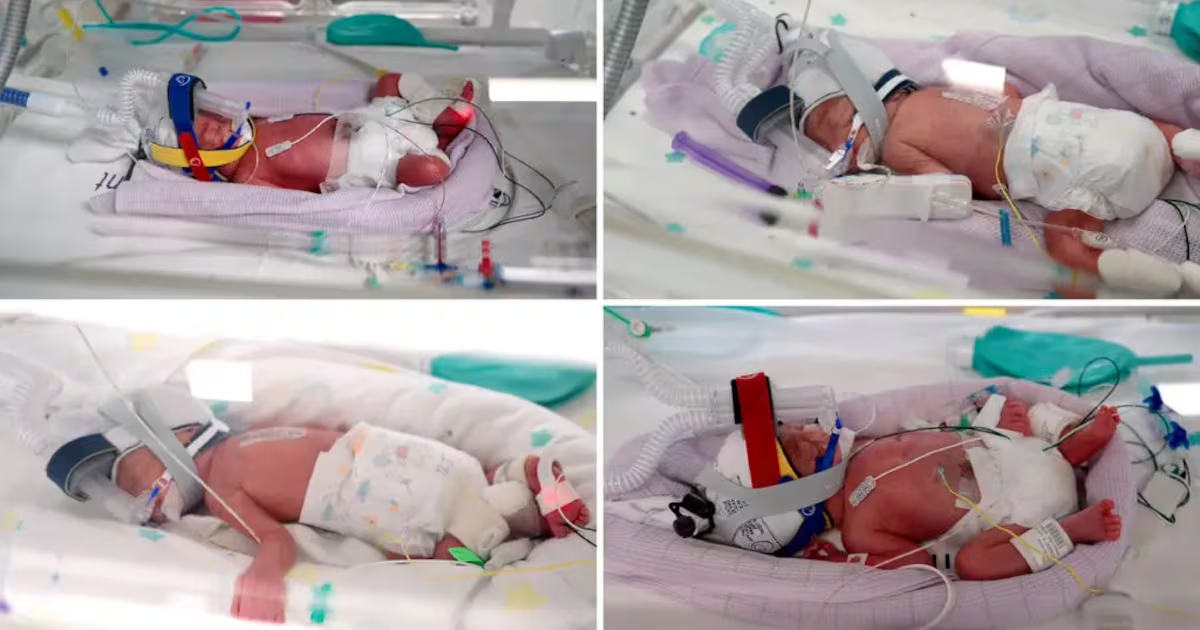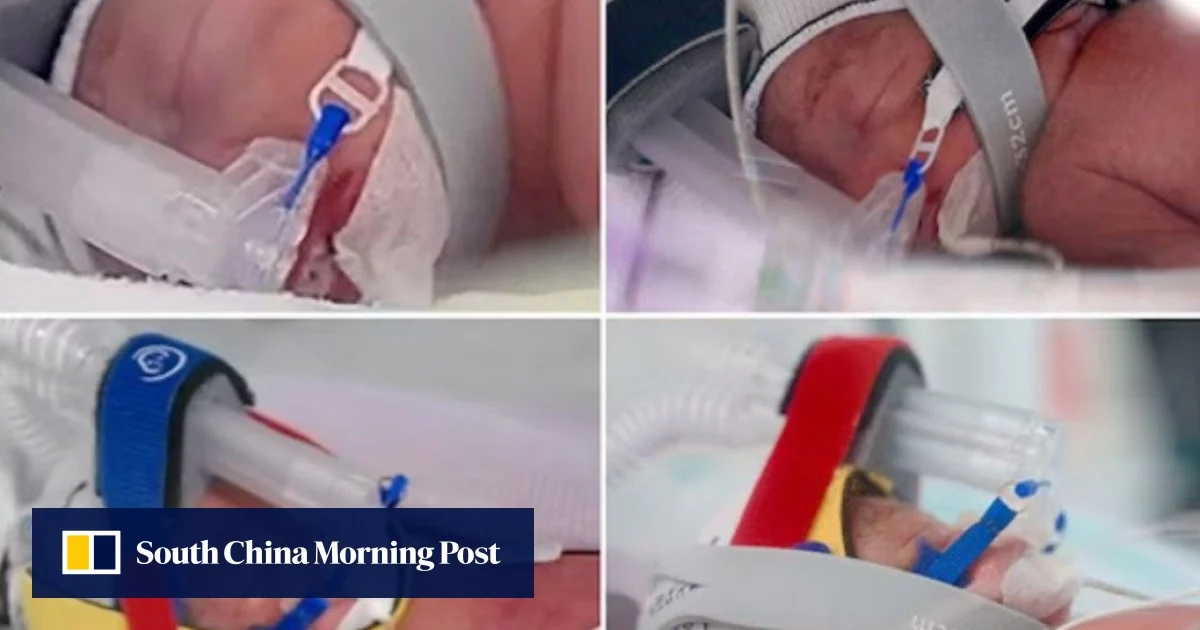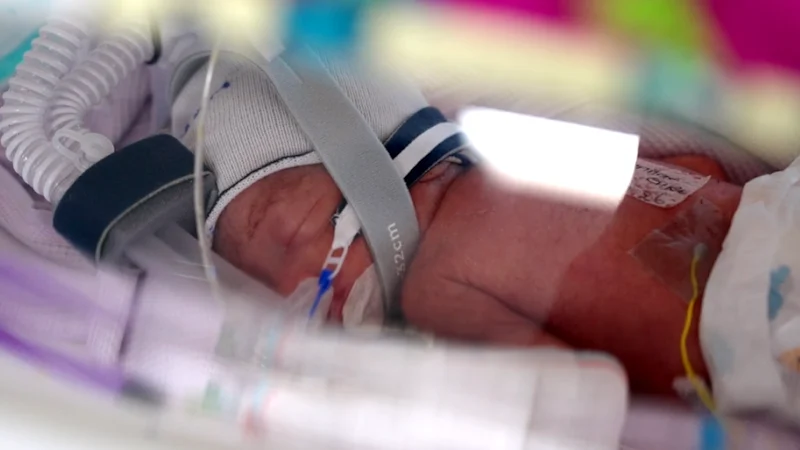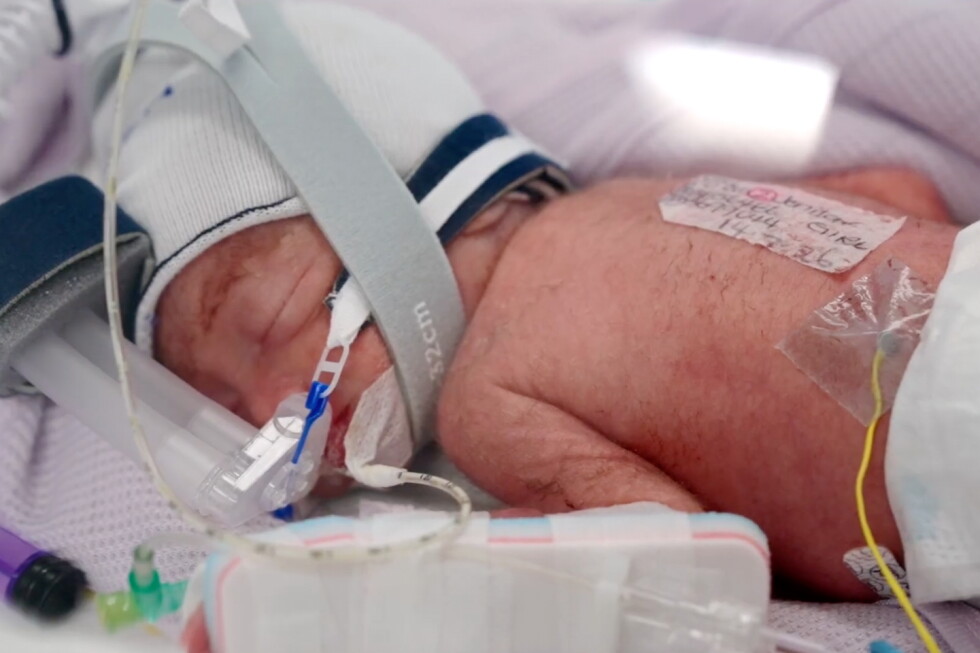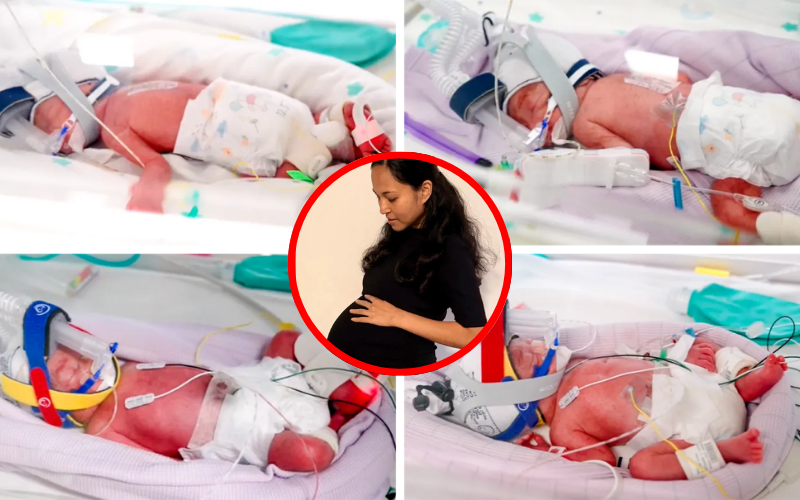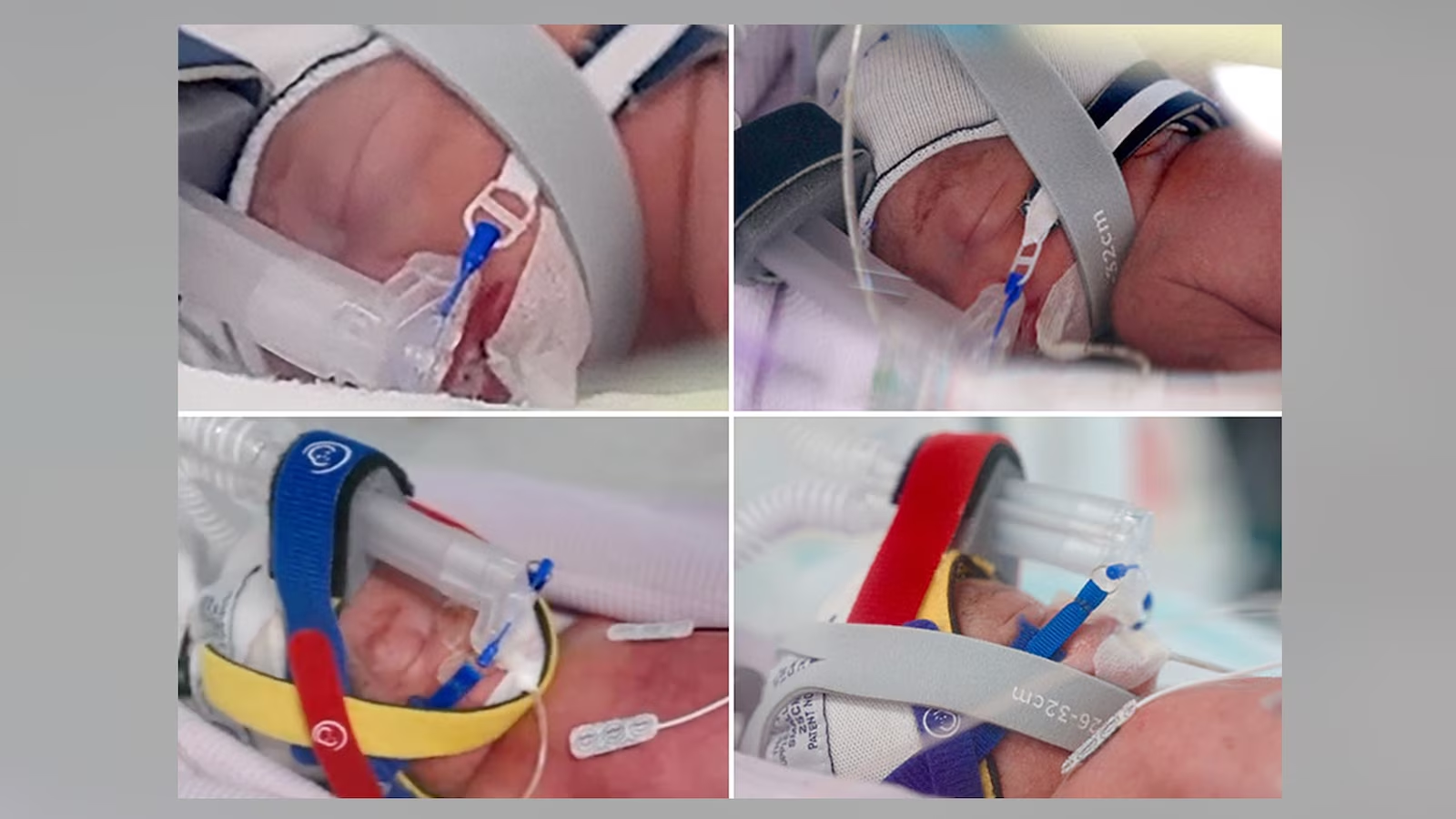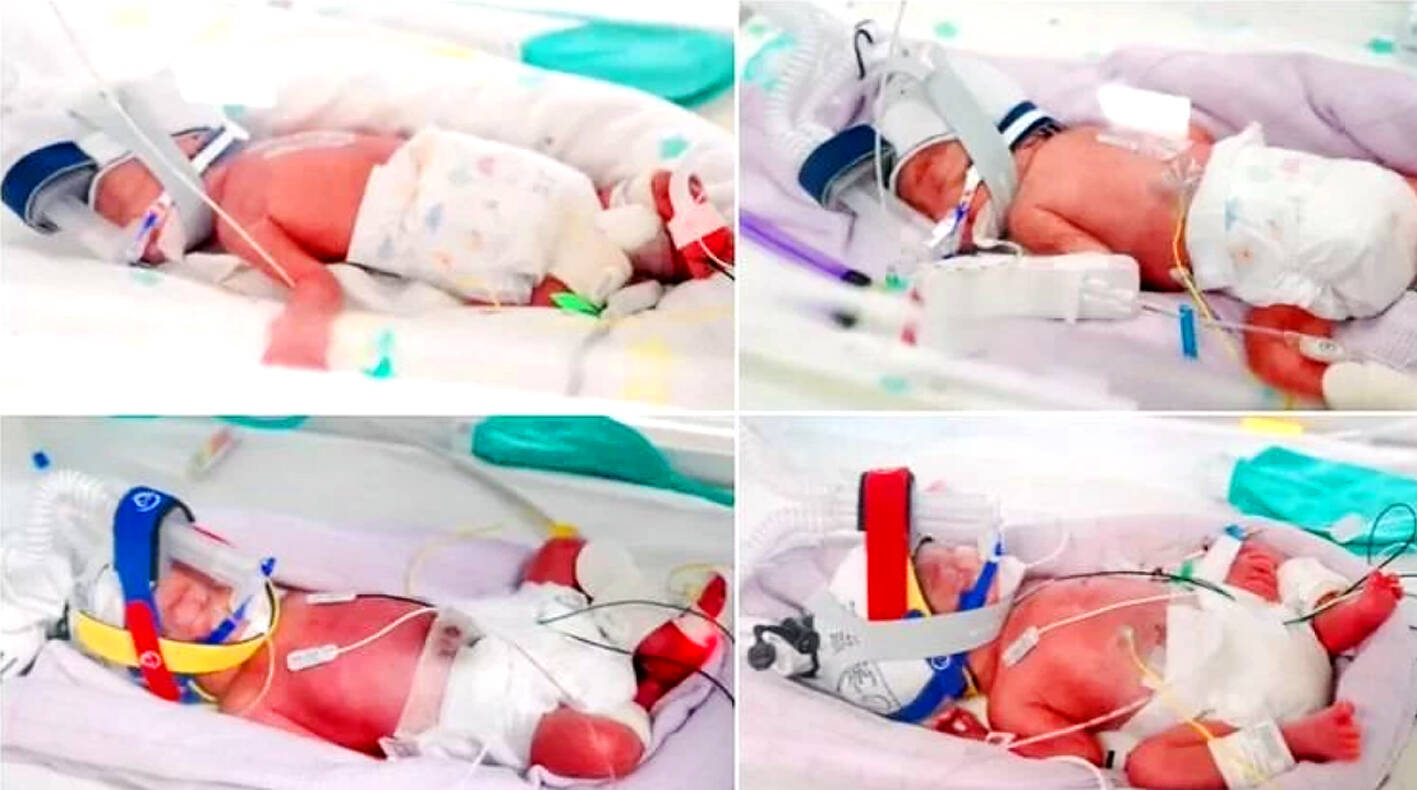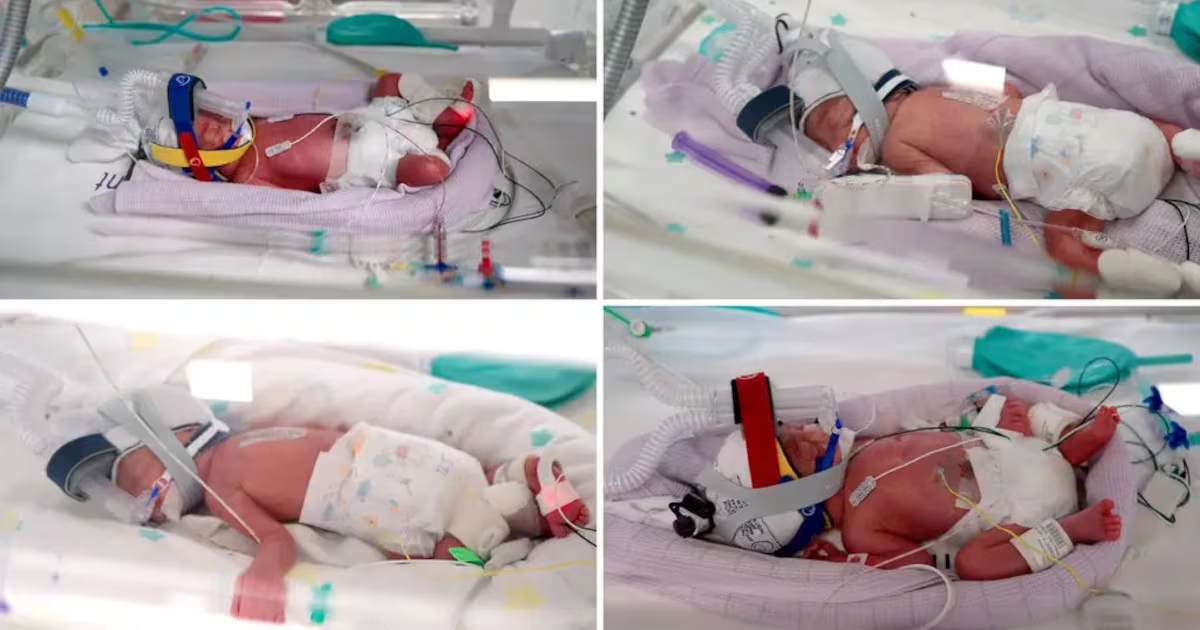
Most parents think their kids are one in a million. But these spontaneous identical quadruplets are one in 15 million.Jenitar and Jortham Na’amoana of Brisbane, Australia, welcomed four newborn daughters on July 14, according to the BBC.Mom Jenitar, 34, was admitted to the Royal Brisbane and Women’s Hospital at 25 weeks gestation so her high-risk pregnancy could be monitored. The babies were born via C-section at 28 weeks and 4 days.The parents gave the girls a selection of classic names: Emily, Harriet, Catherine and Alexa. The last name, however, has an extra-special meaning for the family.According to the BBC, the parents named Alexa after Dr. Alexa Bendall, the maternal fetal medicine specialist and obstetrician who took care of Jenitar for the duration of her pregnancy.Bendall described the gesture as “a beautiful tribute.”The girls, who will stay in the NICU until they grow to full term, are monozygotic quadruplets, meaning that a single fertilized egg split into four embryos. Doctors estimate the odds of conceiving spontaneous identical quadruplets at roughly one in 15 million.The quads’ birth is so rare that it may be the first in Australia.“There may have been a couple of cases elsewhere in the world and when I say a couple, literally a couple,” Bendall told Australian outlet Nine News.It will certainly take the family some time to get adjusted, especially because Jenitar and Jortham already have four children at home between ages 1 and 10. The parents are looking to purchase a 10-passenger van to transport everyone.In all, Emily, Harriet, Catherine and Alexa are “currently doing extremely well,” Bendall told the BBC, and their mom is too.“Jenitar has taken everything in her stride from day one... she has somehow dodged every complication and risk for both herself and her babies,” Bendall added.
Rare identical quadruplet girls born in Australian hospital
Doctors estimate the odds of conceiving spontaneous identical quadruplets at roughly one in 15 million.
295 words~1 min read