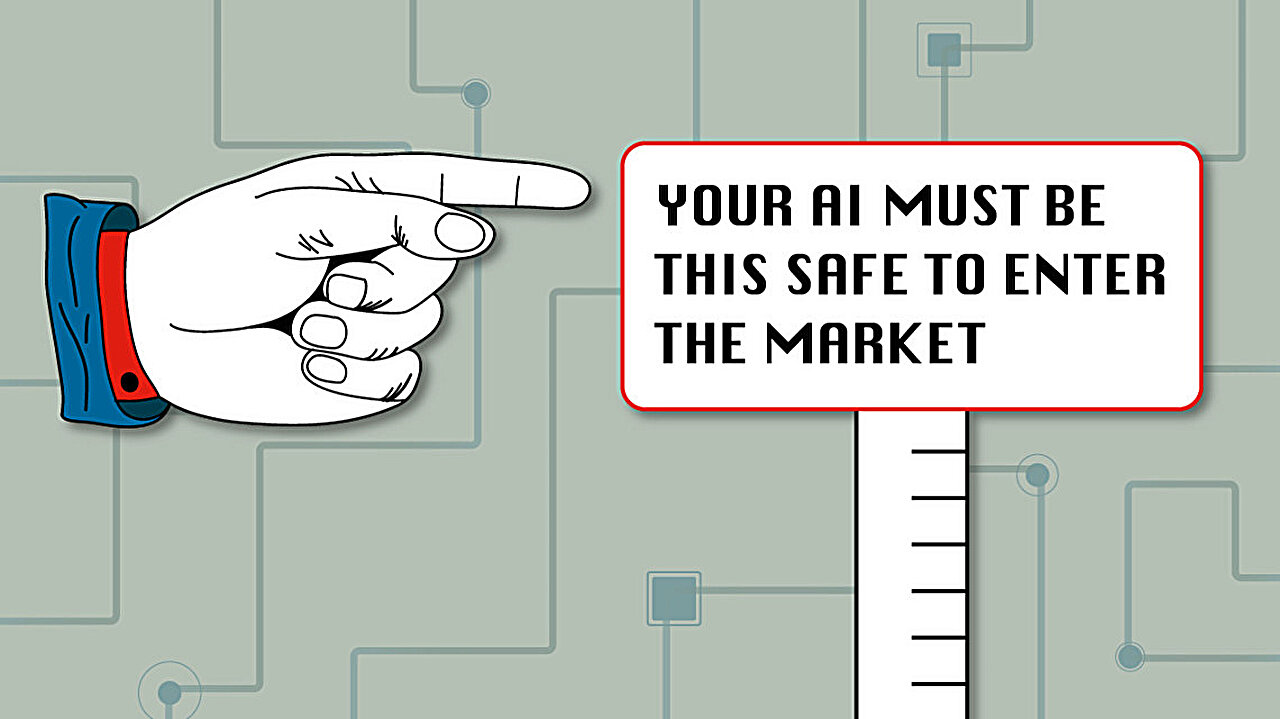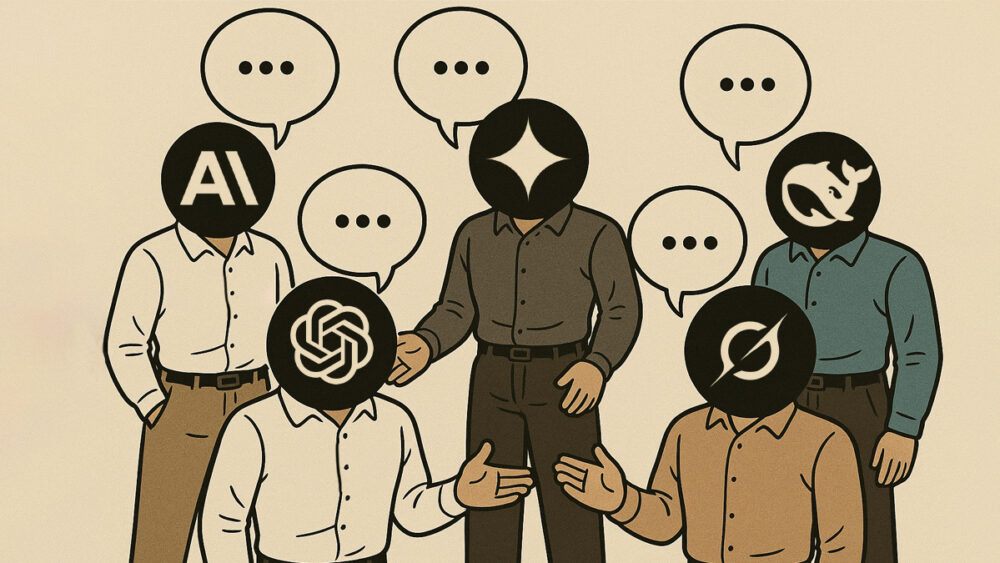
Weak AI safety regulations may “backfire,” creating a product that is potentially more dangerous than AI products created under no regulation, according to a new study published on Monday in the Proceedings of the National Academy of Sciences. Using theoretical economics and game theory principles, a group of researchers from Cornell and Carnegie Mellon University created a theoretical model that aims to show how AI regulation can be most effective at ensuring safety. They found that for true safety, regulation needs to be strict while targeting the companies that develop AI models (such as OpenAI, Google, and Anthropic), rather than solely focusing on the downstream companies that apply the technology in real-life settings, like companies that provide AI medical diagnostic systems or e-commerce customer service chatbots. Even though just choosing to regulate the specific AI use cases “might seem logical” at first, the authors argue that it can backfire and reduce the overall safety of AI products. That’s because when the government focuses on regulating downstream companies and lets the AI model developers off the hook, the general-purpose AI developers tend to cut corners on safety measures like third-party audits, hoping that the downstream companies will ensure the safety of the end product instead.
Weak AI Regulation Is Worse Than No Regulation, Researchers Claim
Game theory says the best AI safety regulation is strict and targets everyone in the supply chain, according to the paper.
701 words~3 min read