in History, Music | July 21st, 2026 Leave a Comment
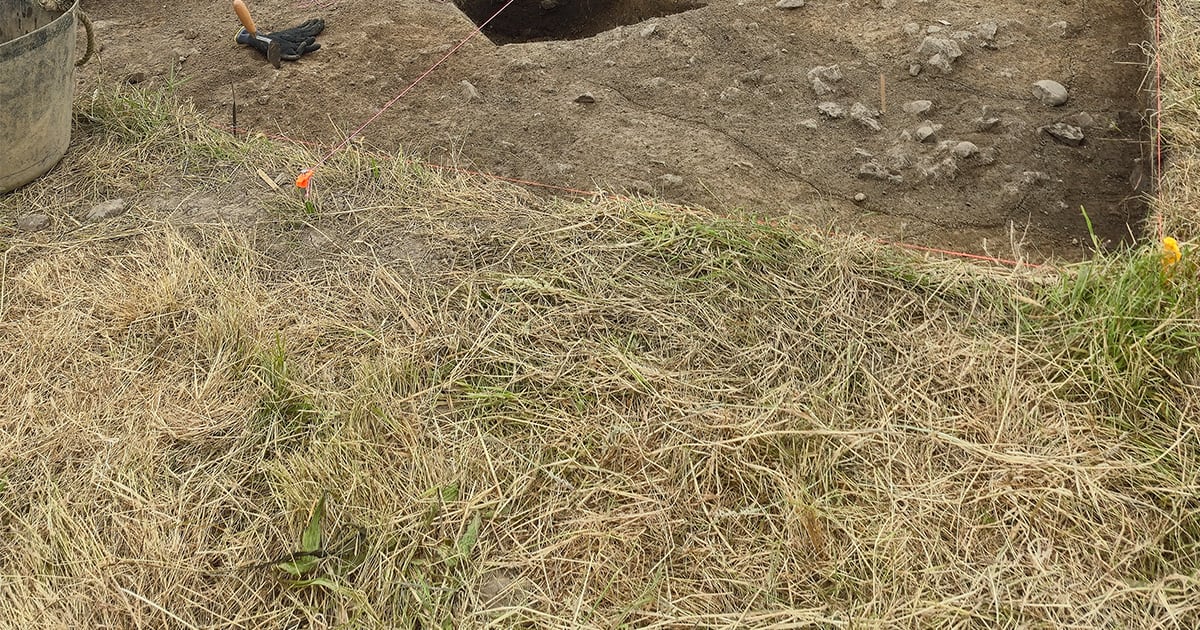
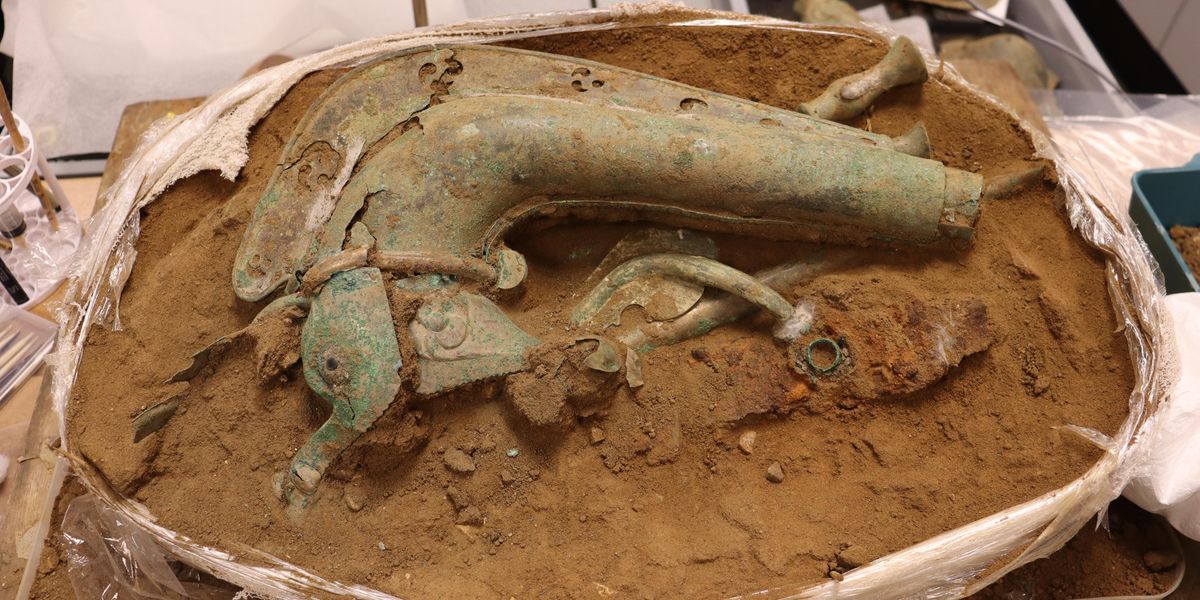
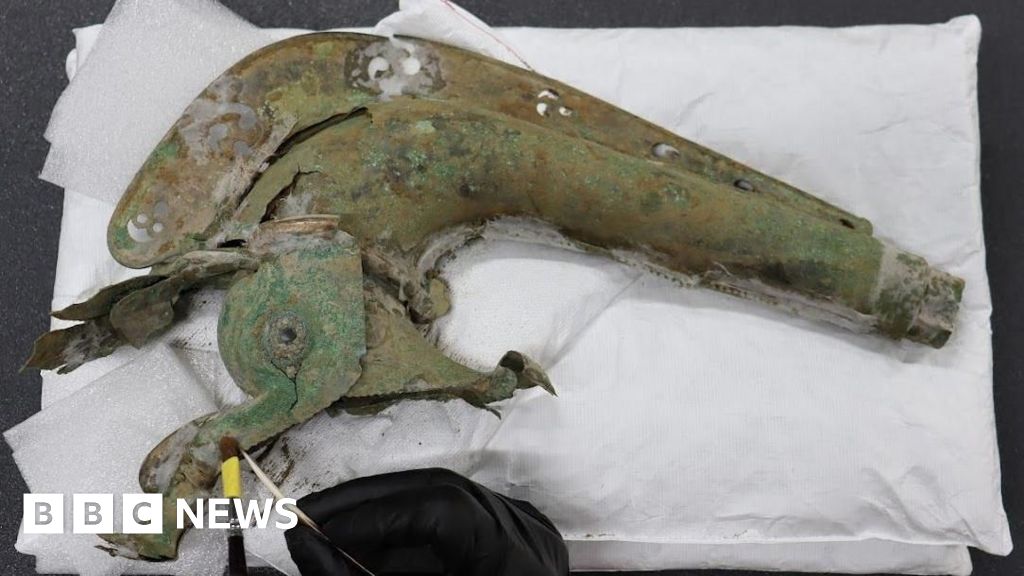
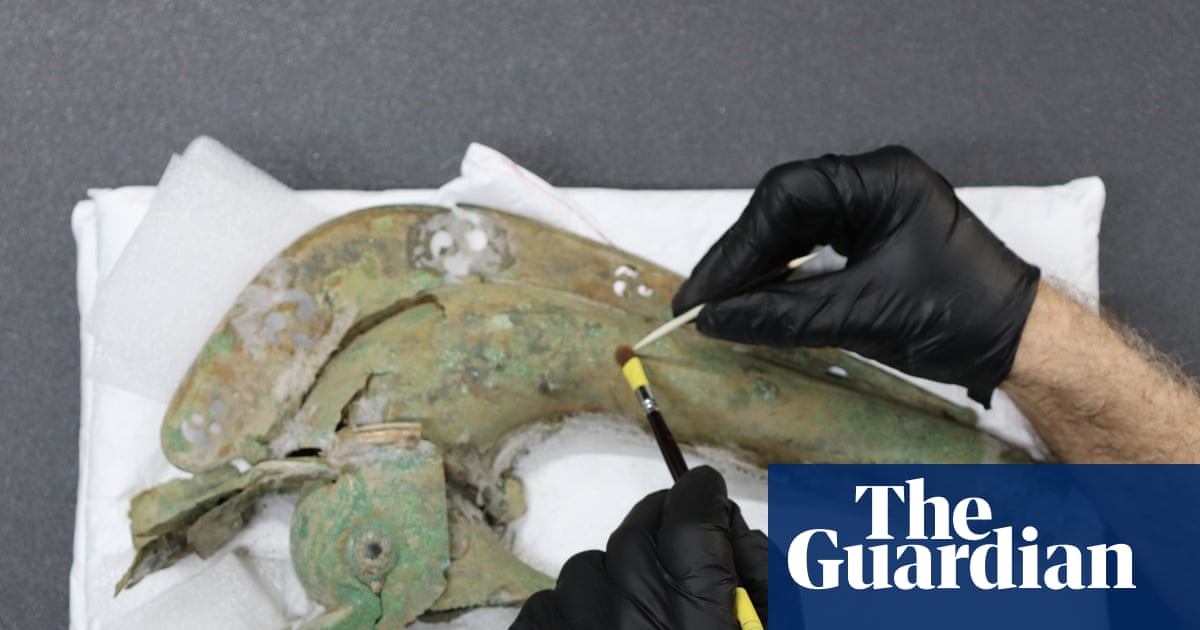
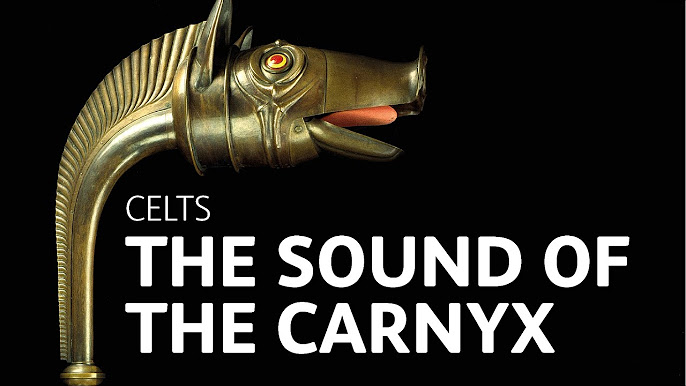
Norfolk is known for its network of rivers and lakes, its stock of medieval churches, and for being the home county of Alan Partridge. Last year, it quite literally unearthed another mark of distinction in the form of an iron age war trumpet. “The bronze trumpet or carnyx is only the third ever found in Britain, and the most complete example discovered anywhere in the world,” writes the Guardian’s Esther Addley. “Fashioned in the shape of a snarling wild animal, the object would have been mounted on a long mouthpiece high above the heads of warriors, allowing it to be sounded to intimidate the enemy in battle.” One could hardly hope for a more powerful symbol of Celtic fearsomeness.
Yet “there are many contradictions” in the longer story of the carnyx, says environmental scientist Paul Whitewick in his new video, “from where it’s been found to its intended use, its depiction on art and coins: none of those seem to make sense.” The most famous head of a carnyx was uncovered in a Scottish peat bog; another came out of the River Witham in Lincolnshire.
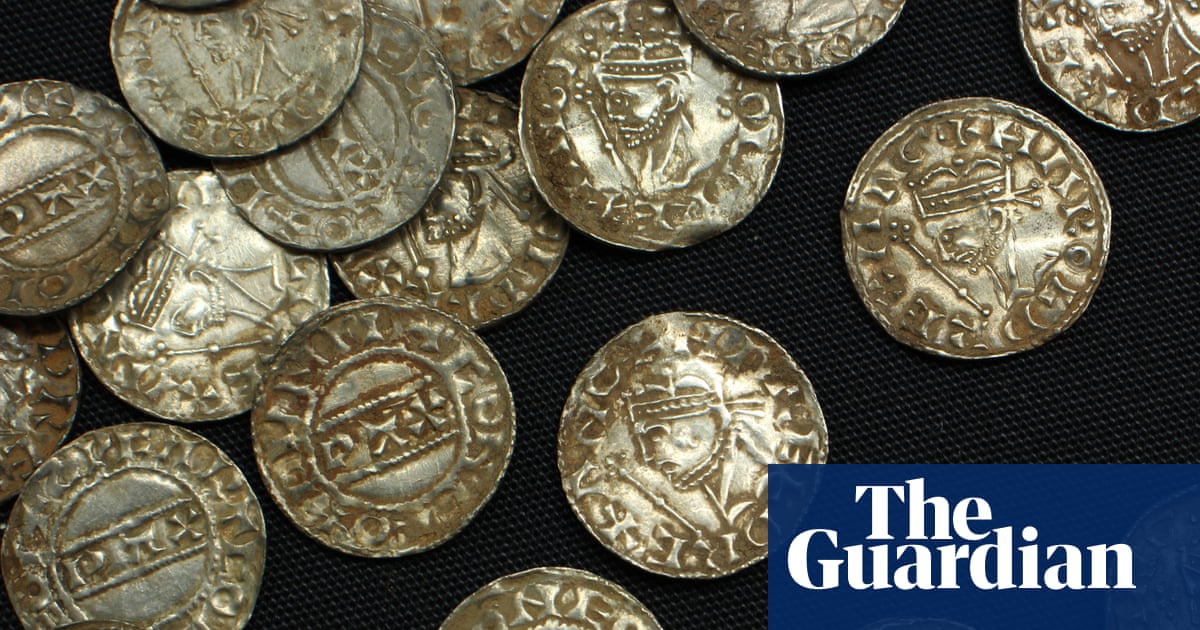
In addition to those recoveries from non-battlefield settings, one detailed ironwork panel commonly referenced in carnyx reconstruction presents its use in more of a procession. It also became a symbol on Roman-era coinage, and with an apparently wide range of meaning. Perhaps the carnyx was a war horn; perhaps it was much more.