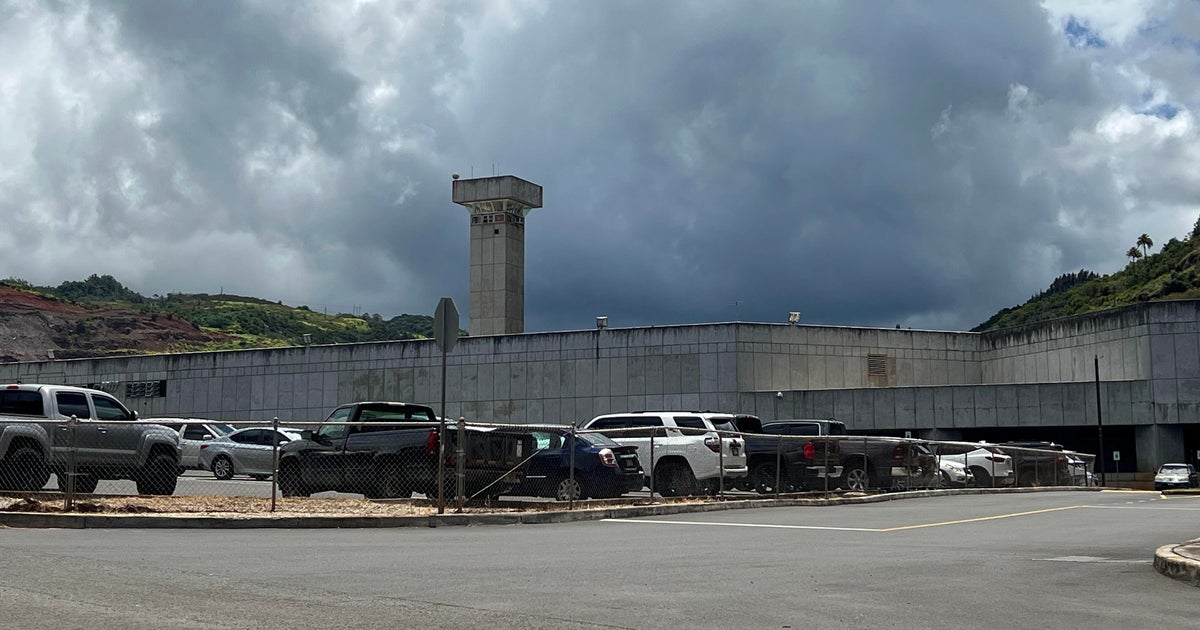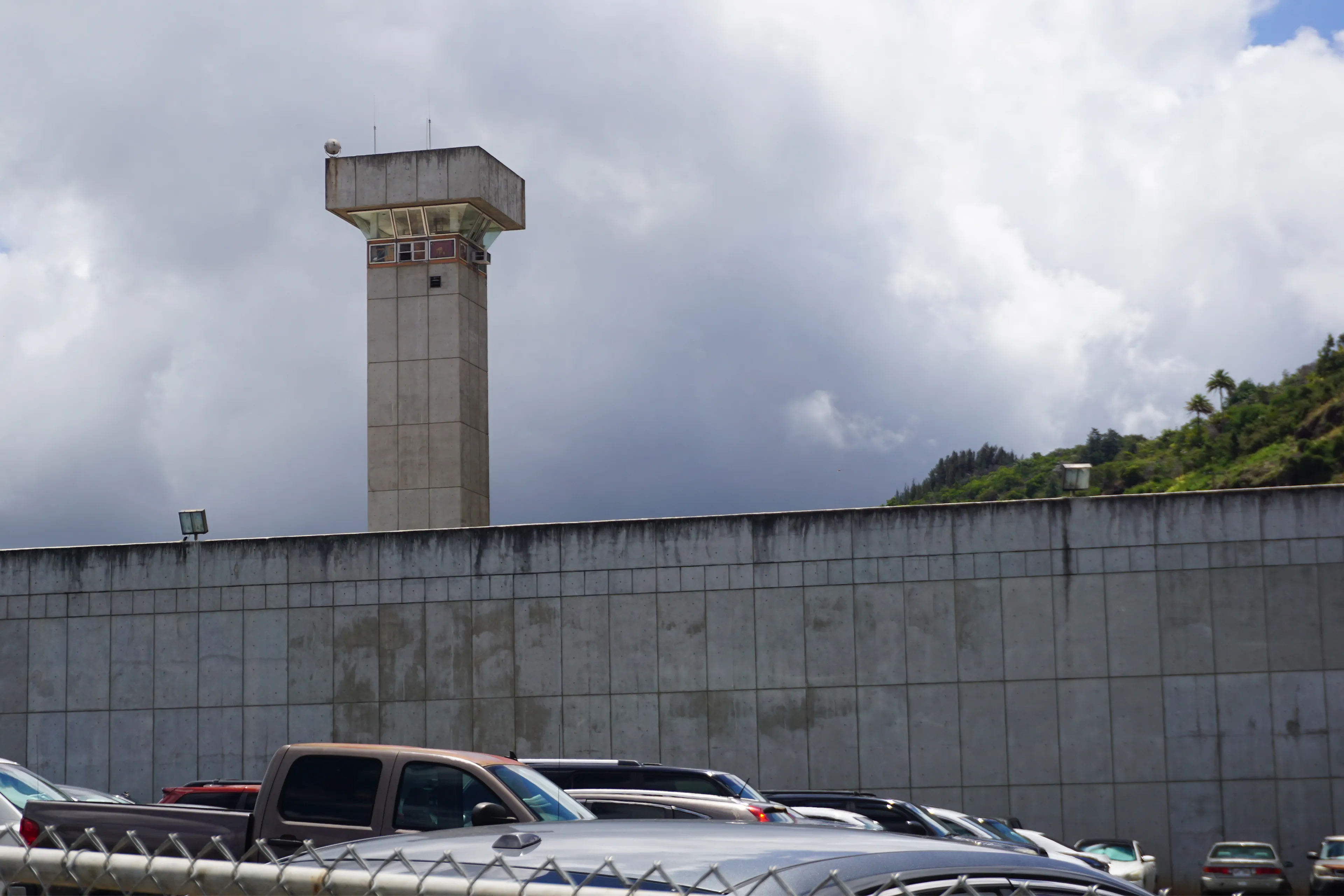
ʻAIEA, Hawai‘i — Christian Alameda used a cane to push himself up out of bed in his cell at the Halawa Correctional Facility in Honolulu. He has been recovering in the prison’s medical infirmary since a January stroke left the right side of his body mostly paralyzed.
In February, Hawai‘i’s parole board granted the now-52-year-old compassionate release, which allows prisoners to receive early probation to seek medical attention for severe conditions.
But without a long-term care facility willing to accept him, Alameda has not been able to leave.
As of June, at least three other prisoners granted release to tend to their medical needs were living indefinitely in the infirmary after long-term care facilities were unwilling to accept them, primarily because of their criminal backgrounds, the state parole authority said.
“This is a challenge across the country,” said Molly Crane, an attorney for FAMM, which advocates for fairness in prison policies.