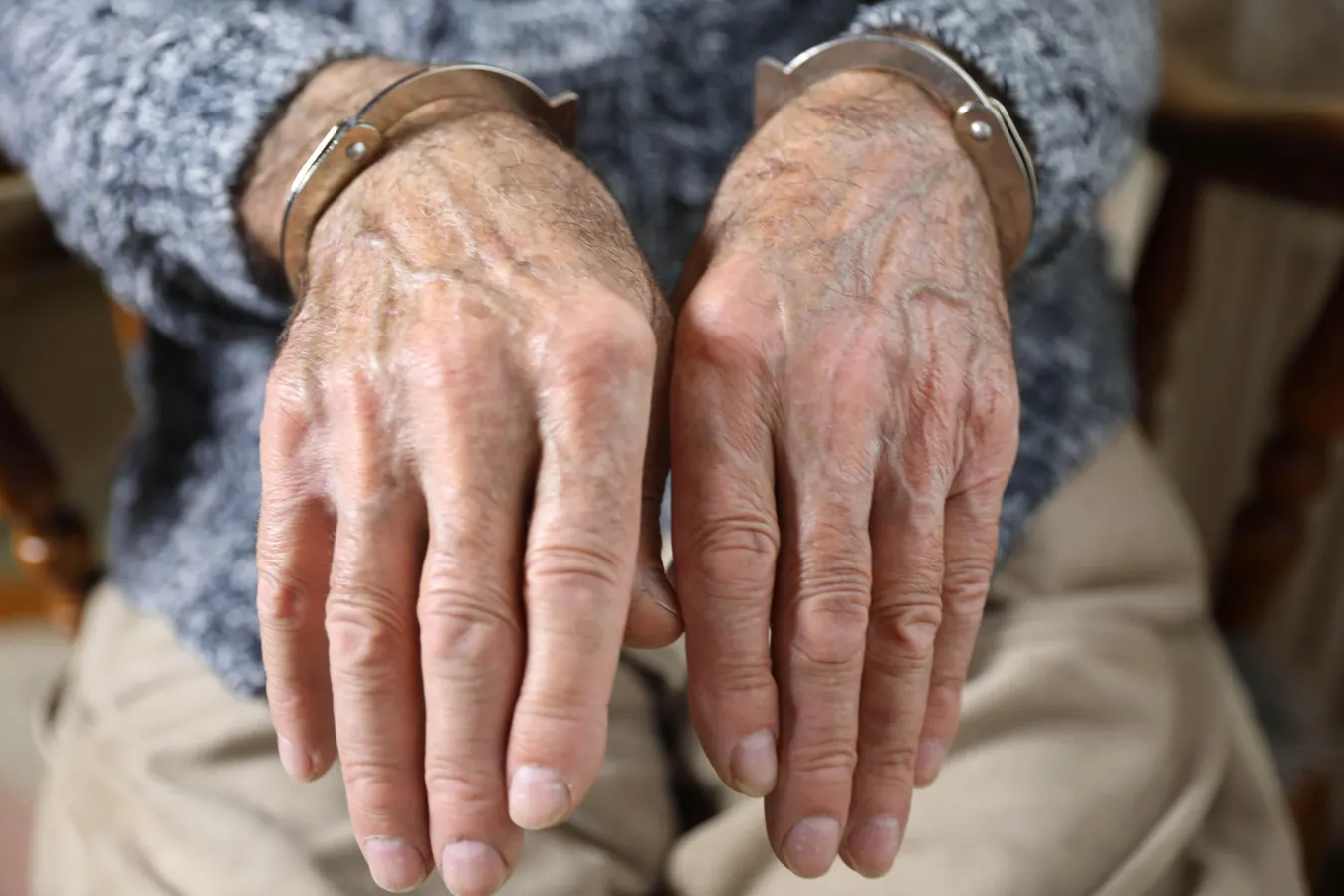
Elderly terminally ill parolees are sent home to unprepared families for end-of-life care, a new study has found.
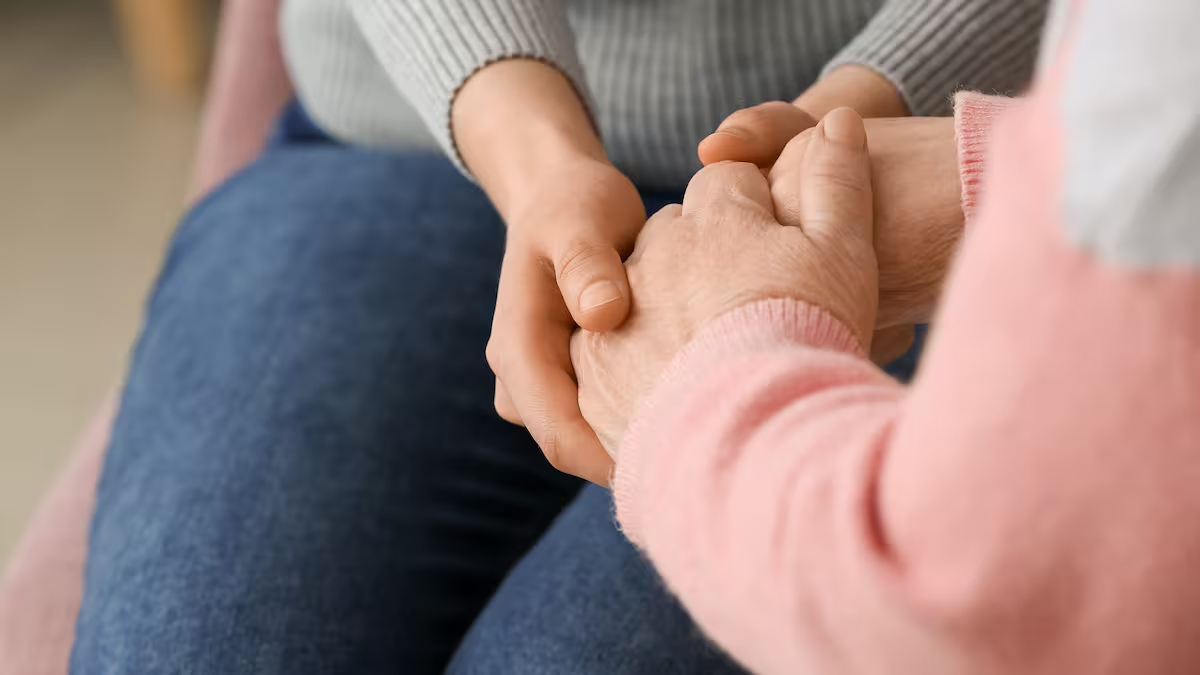
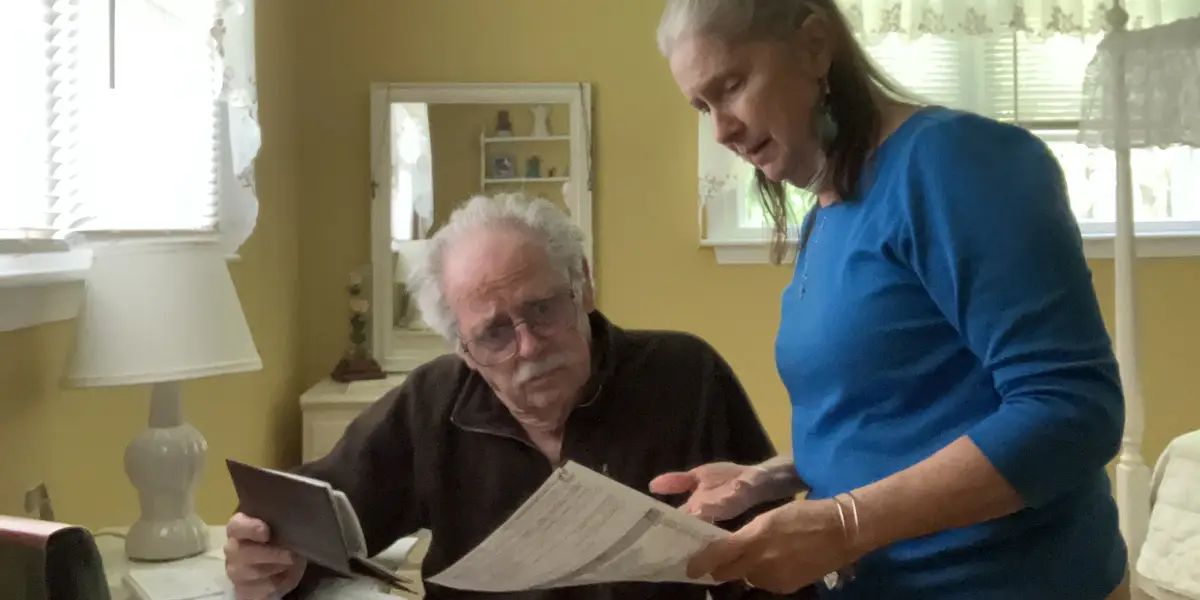
When elderly parolees are released from prison during the final stages of their lives, it is often their families who become their primary caregivers, regardless of past trauma, strained relationships or the nature of the crimes committed.
New research from the University of KwaZulu-Natal has shed light on the largely overlooked reality facing families who care for terminally ill elderly parolees after their release from correctional facilities.
Dr Sethenjwa Nduli, who recently completed his PhD at UKZN, examined the experiences of both elderly parolees requiring end-of-life care and the family members tasked with looking after them.
His research found that many caregivers, particularly elderly women, carry an immense emotional, physical and financial burden with little support from correctional, healthcare or social welfare systems.