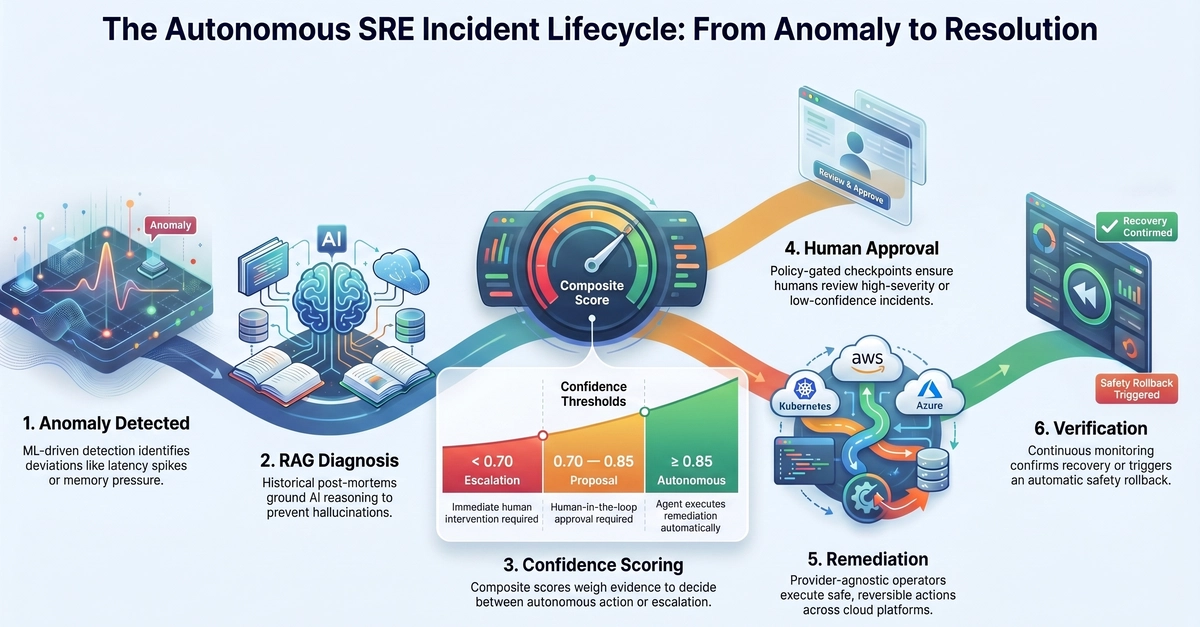
Site reliability engineers (SREs) have the tough assignment of resolving thorny performance and reliability issues. But their primary mission is to provide devops teams with operational insights and to suggest implementation improvements on business system performance, security, and overall robustness.
Google introduced its SRE playbook in 2003, but it took some time for the role’s definition, tools, and techniques to become mainstream. Startups were the first to adopt observability for cloud-native applications and create dedicated SRE positions. As tools matured and SRE responsibilities became more clearly defined, larger enterprises assigned SREs to work as a bridge between devops and IT ops teams to improve resilience across a wider range of applications, APIs, and data pipelines.
SRE is a career path for multidisciplinary engineers with strong investigative instincts, sharp data analytics skills, and the temperament to perform under pressure. It has become a critical responsibility as tech became mission-critical for enterprises, and it is a growing role in the genAI era as more businesses deploy AI agents.
But the critical need for resiliency and greater technological complexity brings new challenges for SREs. According to the 2026 State of Production Reliability and AI Adoption report, 44% of respondents experienced an outage linked to ignored or suppressed alerts in the past year, and 35% report their engineers occasionally ignore or dismiss alerts due to alert fatigue. More than 70% of alerts received are not actionable, according to 57% of organizations.