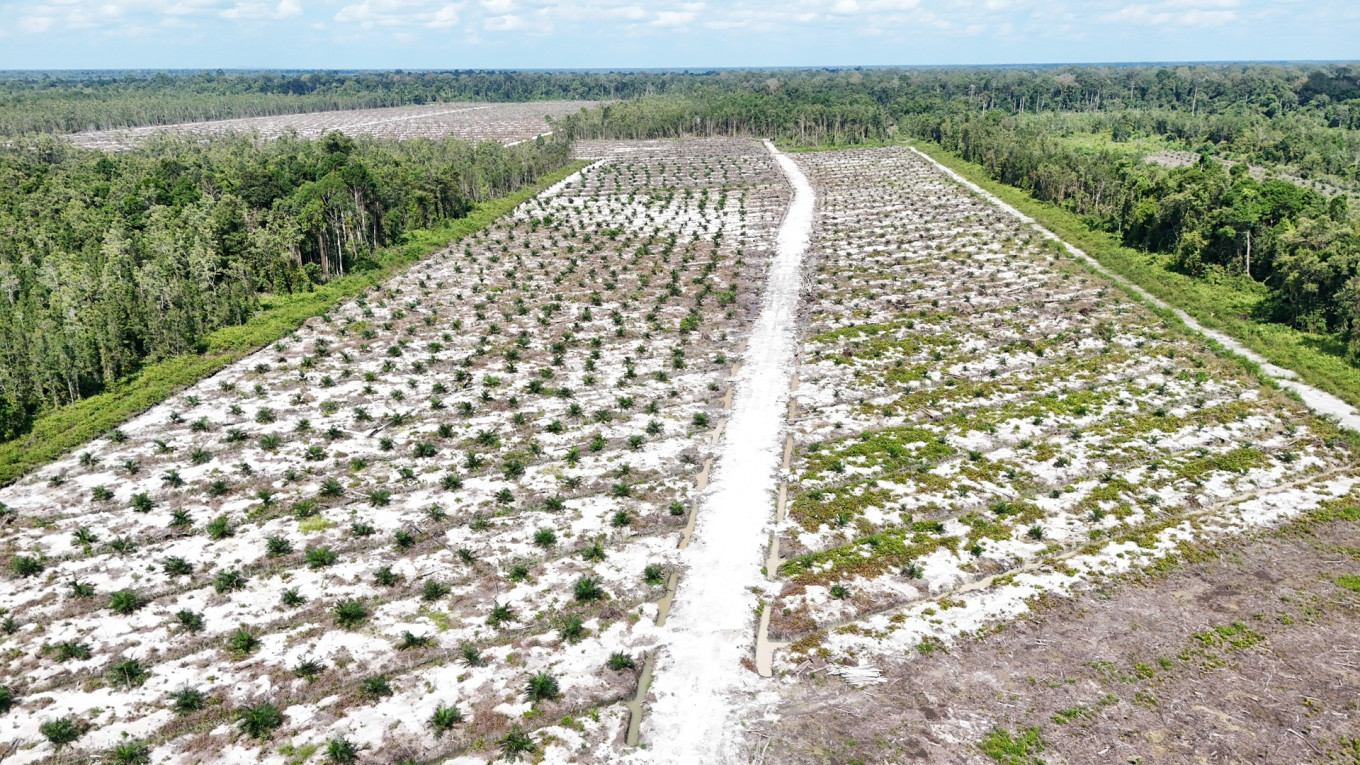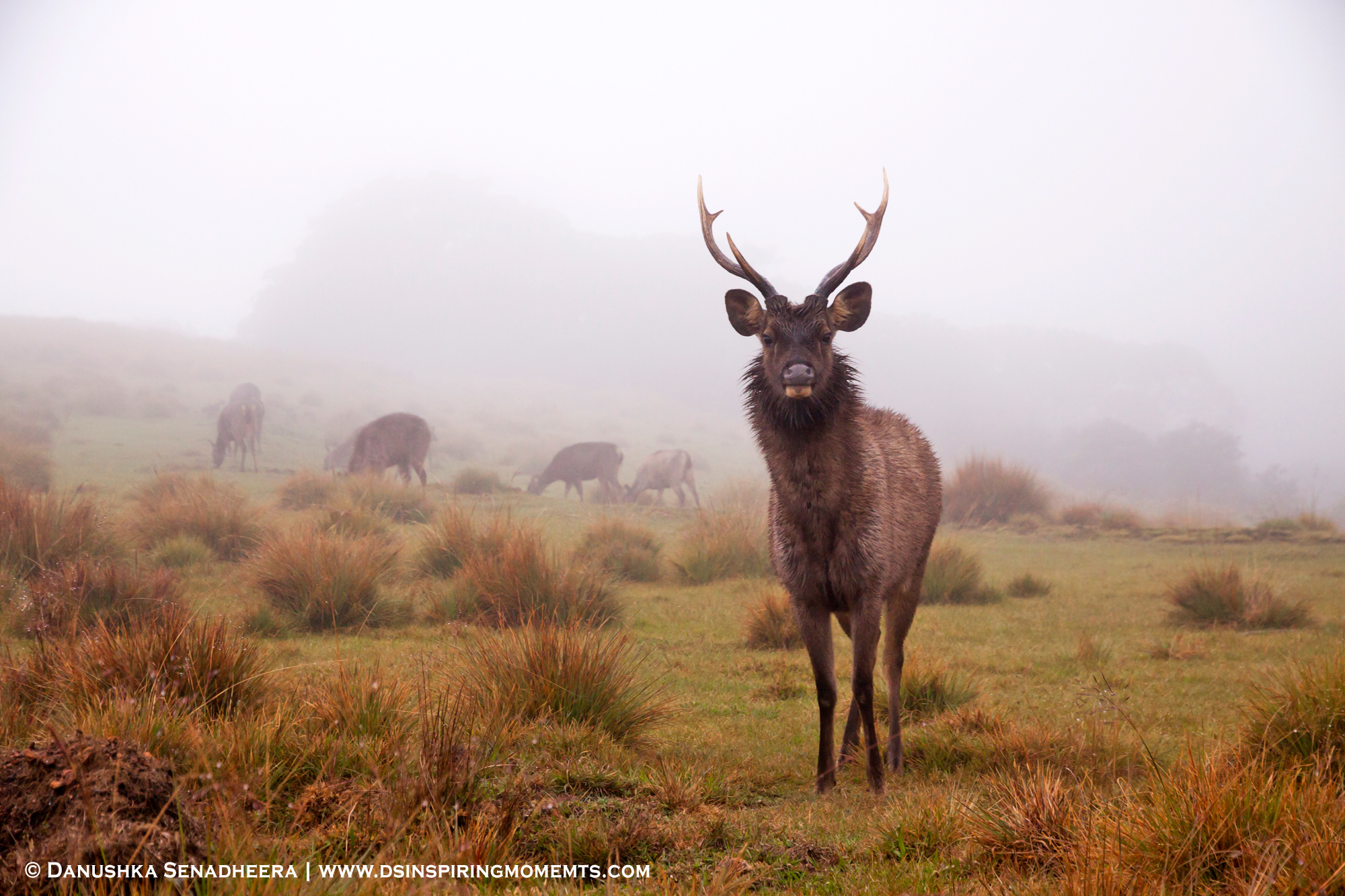
Encroachments of national parks in Sri Lanka had occurred as early as the 1950s and 1960s, shrinking park terrain.Studies indicate that the resettlement of those displaced as a result of the nearly three-decade long armed conflict had contributed significantly to the deforestation in national parks such as Wilpattu.Grasslands in many national parks need to be managed through methods such as prescribed burning to ensure availability of fodder for the herbivores, researchers say.The national wildlife conservation agency, meanwhile, says the need to allow natural selection processes to strike a balance in ecosystems inside national parks should not be ignored.
COLOMBO — Around 14% of Sri Lanka’s total land area is dedicated to wildlife protected areas, which includes more than 20 national parks.
However, due to natural and anthropogenic factors, protected species such as leopards (Panthera pardus kotiya) and elephants (Elephas maximus maximus) living in these protected areas face continuous threats as their habitats continue to shrink. Wildlife authorities say they have worked hard to strengthen law enforcement in the past decade to reduce encroachment of national parks and other protected areas but have had limited success.