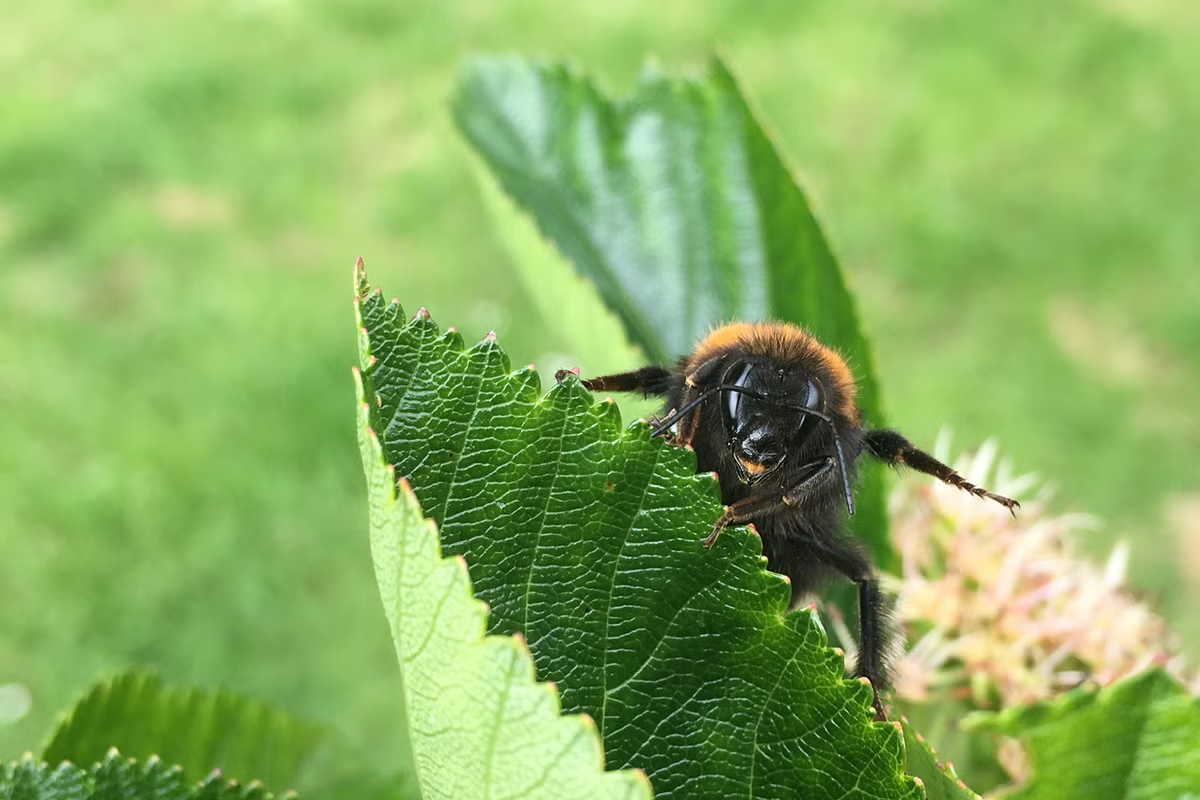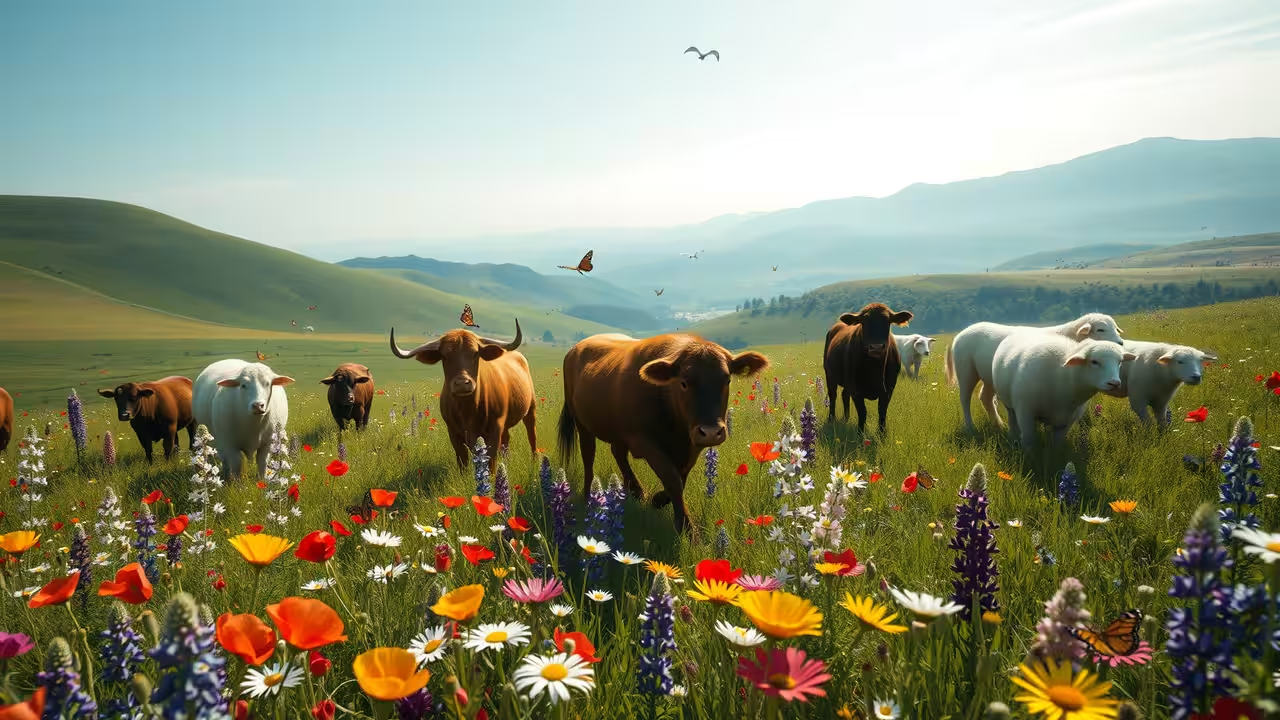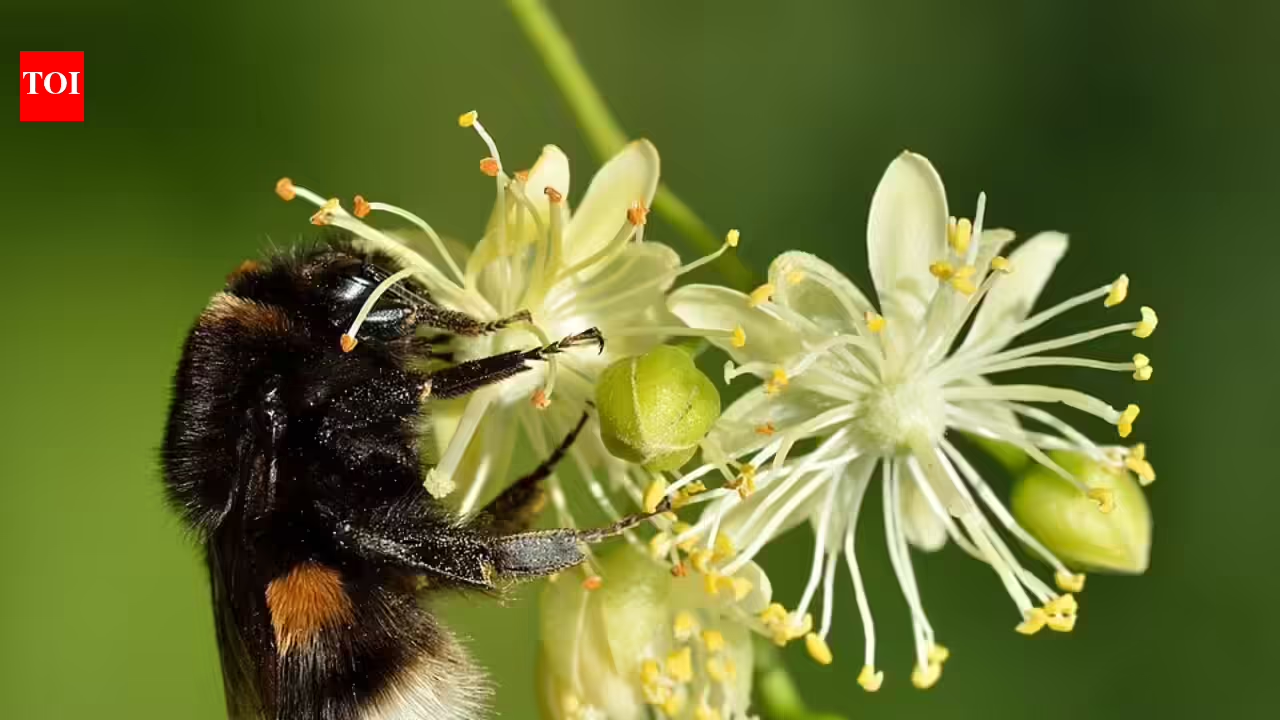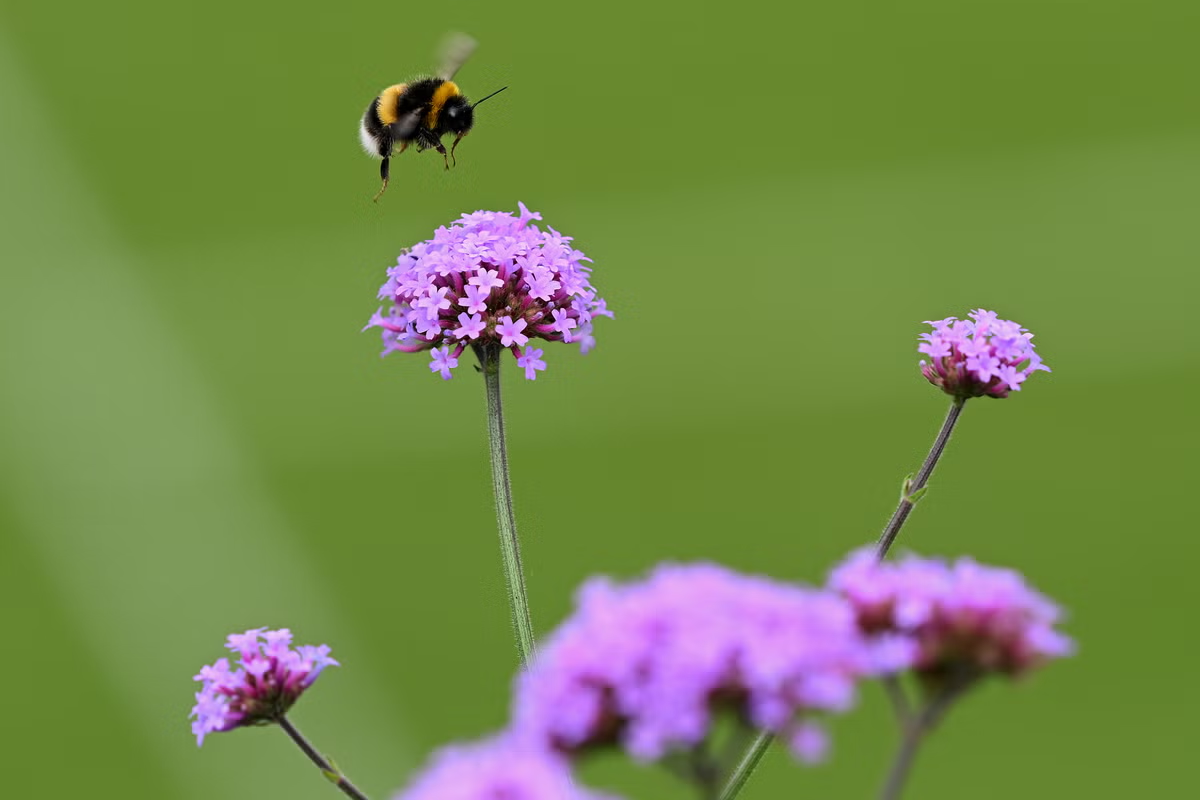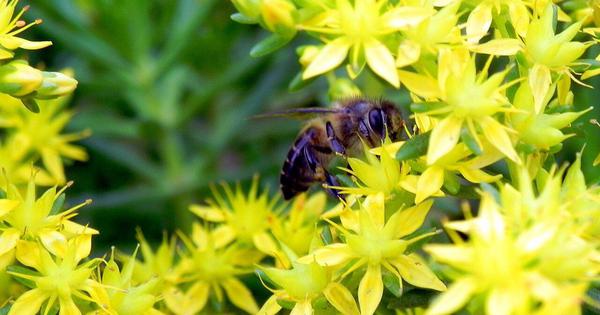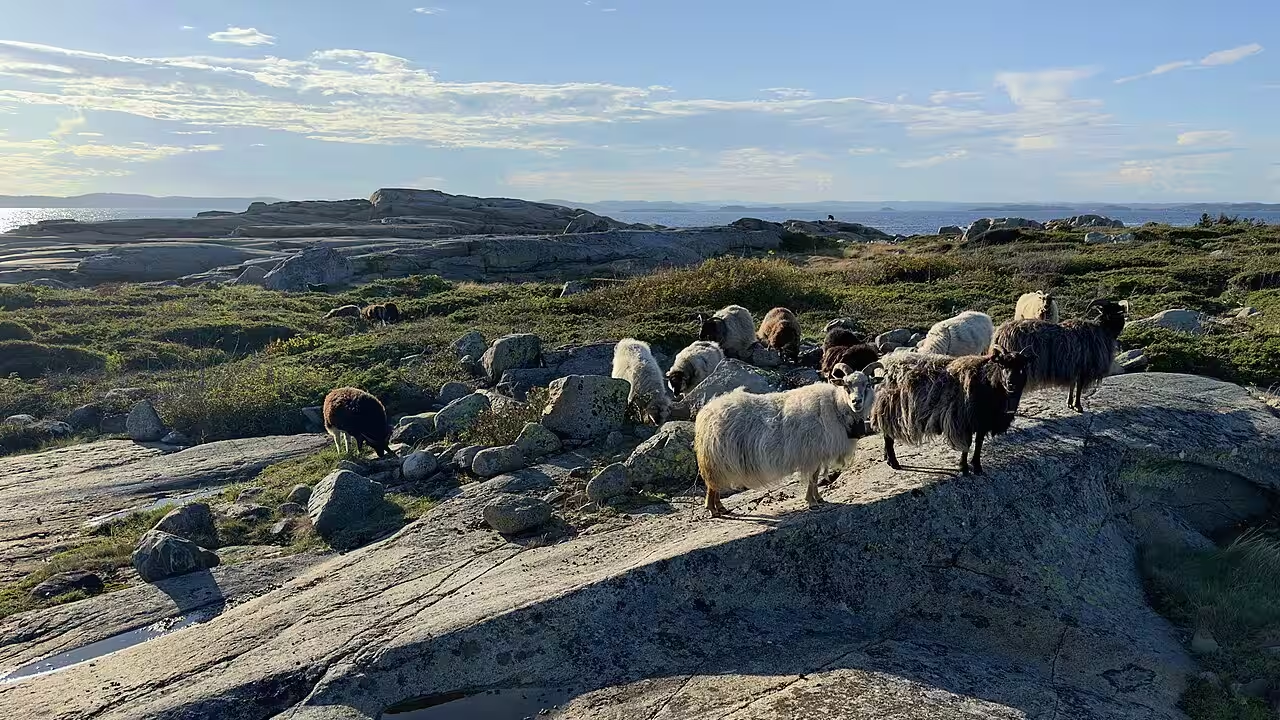
Norwegian farmers' mountain grazing practices affect bumblebee populations significantly. Higher sheep stocking densities reduce available flowering plants for these vital pollinators. This floral loss is more critical than nesting site availability for bee abundance. Image Credits: Wikimedia CommonsPastoral farming in northern Europe has for many years been responsible for shaping the landscape of the countryside due to the seasonal grazing by animals. Norwegian farmers take their livestock up into the mountains in summer, where the sheep graze on the grass and flowers that grow there. While this method of farming has characterised farming for many years, studies have now been done on how the intensity of grazing affects the mountains.Bumblebees play an important role as pollinators in northern ecosystems, helping many wild plants reproduce and contributing to the pollination of some crops. However, insect populations across European mountain landscapes are facing increasing pressure from land-use changes and habitat alteration. To better understand how livestock grazing is associated with bumblebee populations, ecologists conducted field research across upland agricultural sites to identify the habitat features most closely linked with bee abundance.In a study published in the journal Ecological Solutions and Evidence, scientists investigated insect activity across nine Norwegian summer farms. The research team examined whether differences in sheep stocking density were associated with changes in bumblebee abundance and evaluated two habitat features that are important for wild bees: the availability of floral resources and potential nesting sites.By comparing lightly grazed and more heavily grazed mountain pastures, the researchers collected data on bumblebee abundance, flowering plant resources and potential underground nesting habitat. Their observations helped identify which environmental factors were most closely associated with differences in bumblebee numbers across the study sites.It was discovered that greater stocking density of sheep correlated with reduced number of bumblebees. Usually, pastures grazed heavily contained fewer bumblebees than pastures with low stocking densities.Flower loss was more important than nesting placesTo clarify this trend, it is necessary to consider two important habitat components: flowers and potential nesting places for bumblebees. Bumblebees require a constant flow of nectar and pollen during the whole vegetation period. Many species make their nests in underground shelters or old rodents' holes and grass hummocks.According to the study, the analysis indicated that reduced floral resources were more strongly associated with lower bumblebee abundance than differences in nesting-site availability. Grazing by sheep can reduce the abundance and diversity of flowering plants, leaving fewer nectar and pollen resources available for foraging bees. As stocking density increased, the researchers recorded fewer flowering resources across the surveyed pastures.In contrast, potential nesting habitat showed a much weaker relationship with bumblebee abundance. Although grazing can alter vegetation structure and ground cover, the study found that potential nesting sites remained relatively available across both lightly and heavily grazed pastures.The findings suggest that differences in floral resource availability were more closely associated with lower bumblebee abundance than differences in nesting-site availability on the surveyed pastures. Even where suitable nesting locations were present, reduced floral resources were more closely associated with fewer bumblebees.Instead of solely paying attention to nesting grounds, the research results imply that having plenty of flowers in grazed areas is another aspect to be taken into account for sustaining pollinators.Conservation efforts should prioritize maintaining abundant flowers in grazed mountain pastures. Balancing agricultural needs with pollinator health requires careful grazing management strategies. Image Credits: Wikimedia CommonsLivestock grazing and pollinator conservationMountain grazing plays an important role in food production and preservation of traditions in rural Scandinavia. Appropriate grazing can also serve as a method for preventing shrubs and trees from invading grasslands and sustaining the diversity of alpine plants.However, higher stocking densities during flowering periods may reduce the availability of nectar and pollen for foraging bumblebees. Lower floral abundance could limit the food resources available to bees during the active summer season.The researchers suggest that grazing management strategies could help balance agricultural production with pollinator conservation. Approaches such as adjusting grazing timing, rotating livestock between pasture areas or maintaining patches of flowering vegetation may help preserve floral resources while allowing traditional grazing practices to continue.Similarly, leaving small refuge areas or flowering buffer strips along pasture edges could provide additional foraging habitat for bumblebees alongside actively grazed fields.The study suggests that the presence of high numbers of flowering plants in grazed mountains would assist in conserving bumblebee populations without interrupting the traditional summer farming activities practised in Norway. The authors emphasise that the incorporation of floral abundance together with livestock management can provide a feasible solution for agricultural production and pollinator conservation.
Sheep grazing on 9 Norwegian summer farms was linked to fewer bumblebees, and scientists say flower loss mattered more than nesting space
Pastoral farming in northern Europe has for many years been responsible for shaping the landscape of the countryside due to the seasonal grazing by animals. Norwegian farmers take their livestock up into the mountains in summer, where the sheep graze on the grass and flowers that grow there.
749 words~3 min read