Covid fatigue is real, but policymakers and policy influencers need to wake up to something important: Post-pandemic polarization threatens to lock our memories into attractive, untrue conclusions that will leave us unprotected next time.
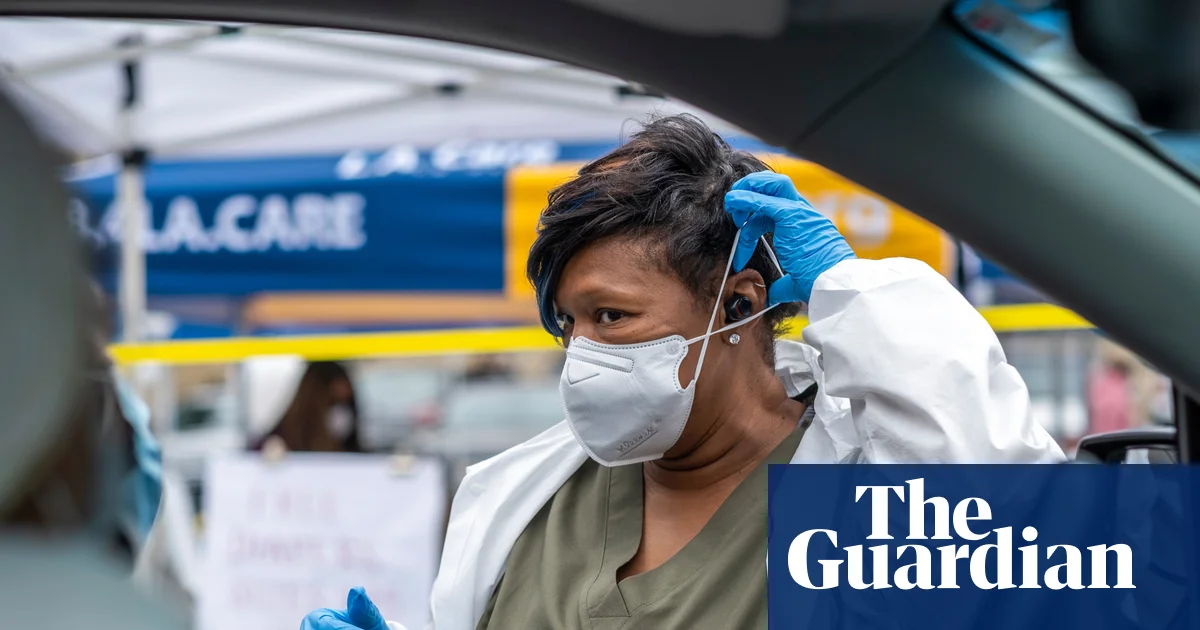
When Covid-19 first arrived, there was little historical experience to guide response. After watching catastrophic results and stress on the health care systems in China, Italy, and Iran, American states rapidly invoked many measures simultaneously to combat a virus with proven destructive power: masks, social distancing, and school and business closures. They turned to the 1918 flu pandemic to understand the importance of rapid and society-wide response.
When the next big respiratory virus pandemic comes, citizens, political leaders, and public health authorities will once again look back at history — especially the Covid-19 pandemic — to inform our response. What behavior changes worked to reduce transmission? What public health measures encouraged such changes? Getting these historical lessons right will be critical to maximizing control of virus spread while minimizing social disruption.
Unfortunately, many seem to be taking the wrong lessons from Covid.