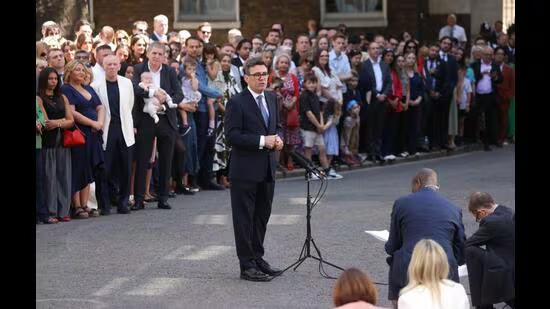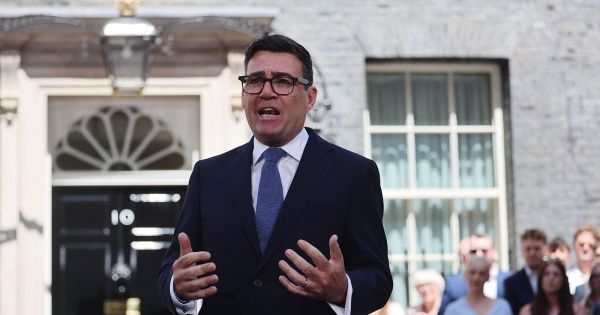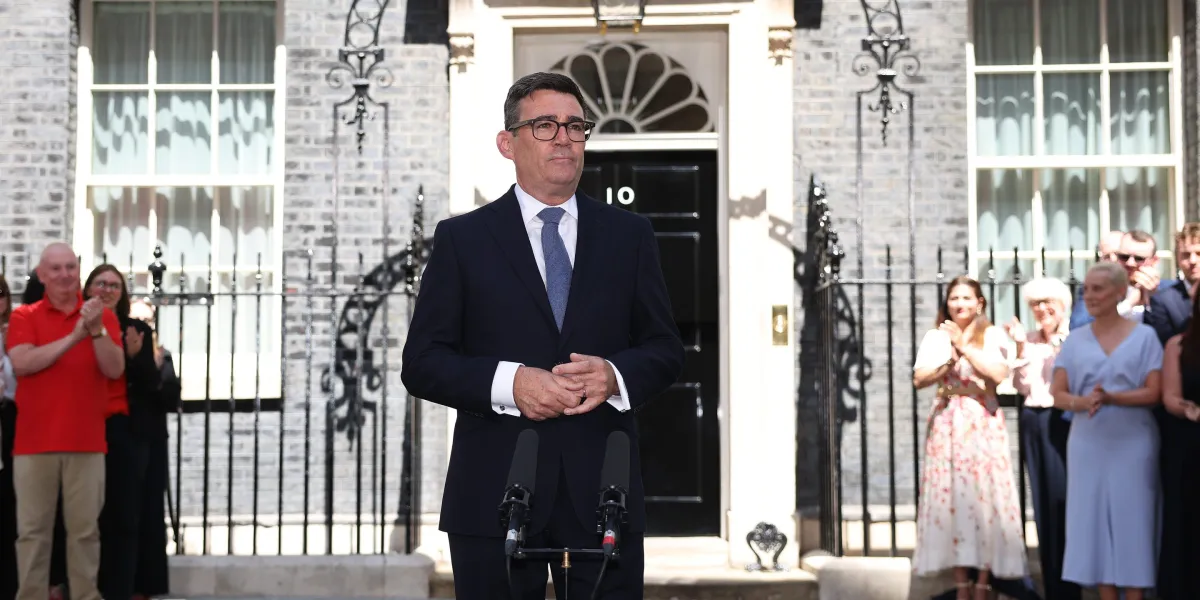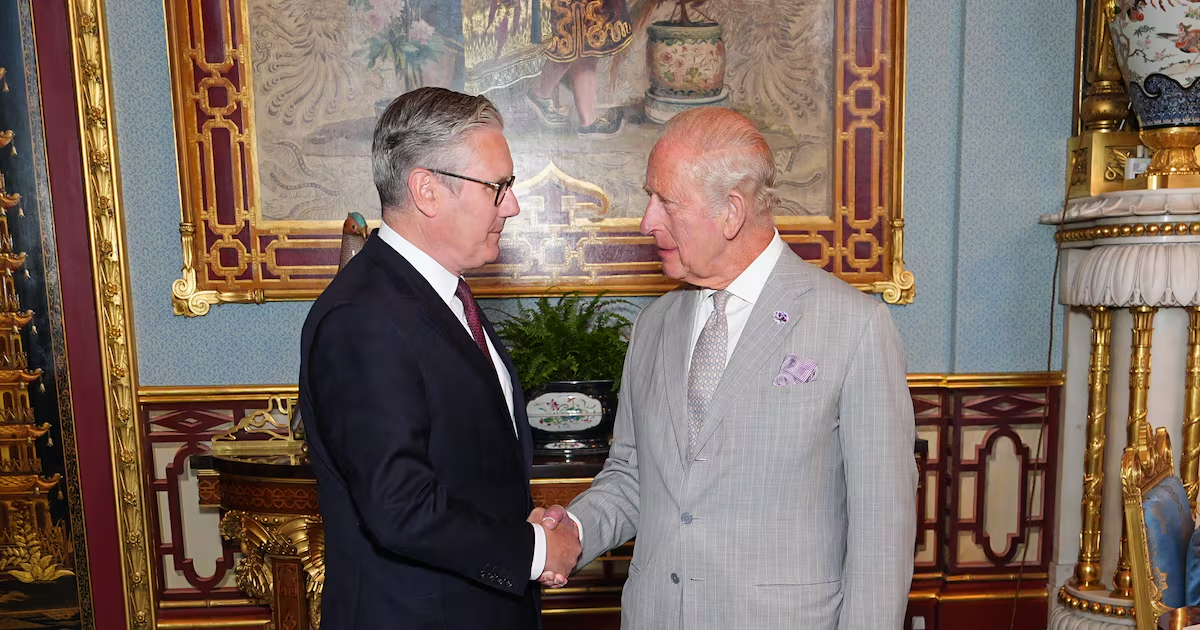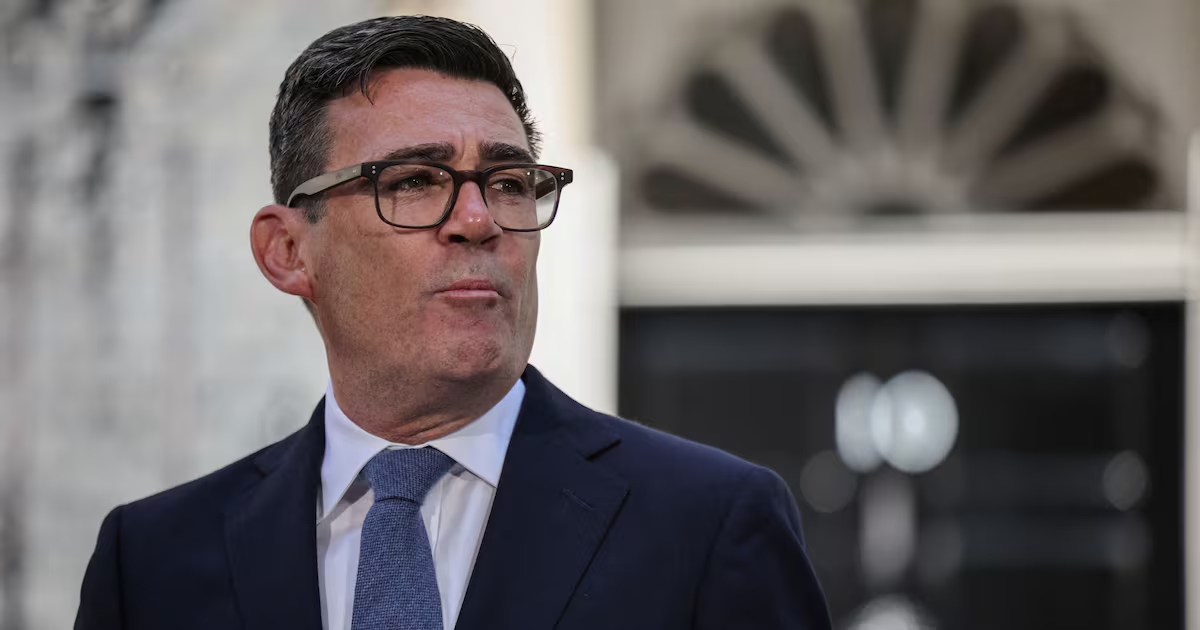
Andy Burnham wants to spend less time than his predecessors on international affairs so that he can focus on the domestic issues like rough sleeping and social care. That’s good news for Britain and its place in the world.Why Burnham should be a stay-at-home PMWhen Andy Burnham spoke outside 10 Downing Street yesterday, he made just two references to the world outside Britain, one of them a commitment that his spending plans would stay inside fiscal rules and “honour our commitments on defence to our international partners”. The other was at the start of the speech, when he said that his generation of politicians had to raise their game and rise to a new challenge.“Britain needs to show the world that we can regain our stability once again,” he said.It sounds like a modest ambition, but it goes to the heart of what has gone wrong in Britain since the Brexit referendum and the subsequent damage to the country’s international standing. Burnham is the first of Britain’s seven prime ministers since 2016 to acknowledge the country’s decline so openly, tracing its origins to the actions of Margaret Thatcher’s government in the 1980s. None of Burnham’s predecessors got a grip on governing Britain since Brexit, partly because they found it impossible politically to face the reality of the national decline that generated the discontent behind the vote. Theresa May and Boris Johnson promised at first to rebalance Britain regionally but as their efforts faltered, they looked instead to imagined, sunlit uplands awaiting Britain as a truly global actor outside the European Union.After the brief, daft interlude that was Liz Truss, Rishi Sunak’s attempt at a more reality-based approach bore fruit in the shape of the Windsor Framework. But his time in office was too short and his party’s approach to Brexit too unbending for Sunak to build on that agreement in further improving relations with the EU.Keir Starmer did make progress with Brussels but his approach was cautious, partly because of a political calculation that the narrow electoral coalition that brought him to office required lip service to the benefits of Brexit. He claimed in one of his parting interviews to have restored Britain’s global standing by offering leadership on Ukraine and taking part in international coalitions, adding that his successor would be unable to spend less time on foreign affairs.“The fact that now other countries look to us for that leadership is something I’m really proud of having delivered in the two years we’ve had in government,” he said.The truth is that Starmer, like many prime ministers before him and countless unhappy political leaders the world over, took refuge in international affairs when domestic politics became difficult. There on the world stage, at G7 summits, on official visits or in meetings of coalitions of the willing, the embattled politician finds ease in the company of other leaders, far from the small-minded preoccupations of the domestic press and his own backbenchers.Like Johnson, Starmer talked a bigger international game than an increasingly cash-strapped Britain was able to back with the necessary resources. Although he cut funding for an international development programme that was universally acknowledged for its excellence and effectiveness to spend more on defence, Britain’s forces are still too small and inadequately equipped to fulfil all the new commitments he made.Burnham has chosen a thoughtful, effective minister in Ed Miliband to serve as foreign secretary, a role that will be more important if the prime minister’s focus is on domestic matters. In his book, Go Big: How to Fix Our World, Miliband looks around the world for ideas that Britain could usefully adopt, including Vienna’s approach to housing and Ireland’s citizens’ assemblies.Burnham is also open to ideas from elsewhere as he seeks to put things right, and he is clear-eyed about Britain’s problems and candid about how Brexit has made them worse. Addressing the social and economic problems in his country and restoring political stability will do more to improve Britain’s standing in the world than any amount of time spent among the coalitions of the willing.Please let me know what you think and send your comments, thoughts or suggestions for topics you would like to see covered to denis.globalbriefing@irishtimes.com
Burnham’s focus on home is good for UK
Labour leader is clear-eyed about Britain’s social and economic problems and candid about how Brexit has made them worse
699 words~3 min read