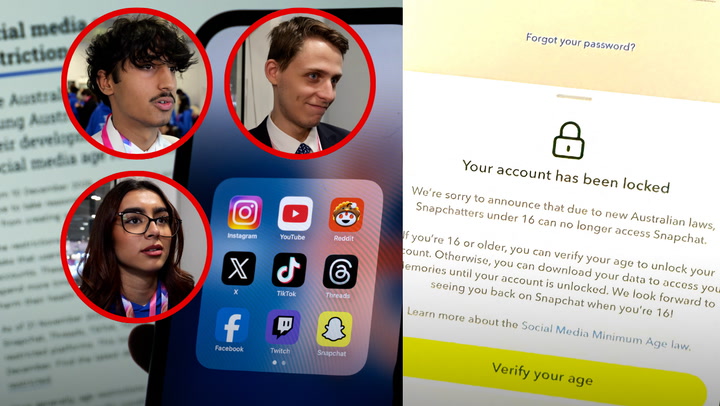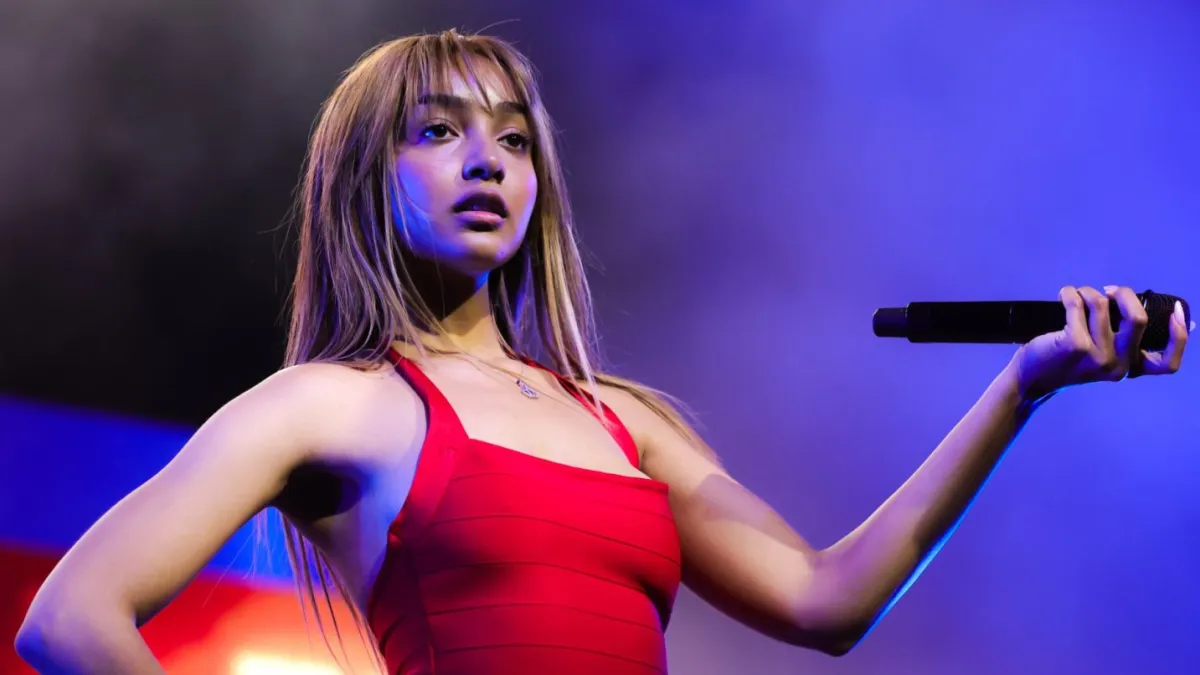
From The Beatles to Billie Eilish, punk to K-pop, teenagers have been shaping the music industry for as long as it’s existed. They are the first to jump on new trends, the first to worship artists and the first to create a whole network of theories and discussion around releases. But that might all be about to change with the new social media ban for under-16s.
It’s not the first, fifth or even 15th thing that the British government might’ve thought of when they began to imagine an online landscape without kids. The social media ban was probably more about “child safety” and “adolescent mental health” and “concerning downward curve of interpersonal skills” than it was about protecting a culture of music discovery. I don’t think the supporters of this proposed law were considering the average girl obsessed with music. Or that she became obsessed with it via a 15-second dance she picked up from TikTok. Or that the music industry is now, to a certain degree, propped up by those 15-second dance trends.
Those priorities – helping kids be happier and healthier – are clearly the right ones, even if the roll-out risks being a bit Big Brother. I’m fully for the ban, which apparently makes me a traitor to my generation and the generation below me – most of whom are in codependent relationships with their phones and couldn’t have imagined their own teenagehood without social media. But it seems quite clear that a machine built to hold a person’s attention hostage, that is proven to be highly addictive and known to contribute to mental health issues, probably shouldn’t be available to under-16s.