Tuesday 21 July 2026 5:26 am
| Updated:
Monday 20 July 2026 10:41 am
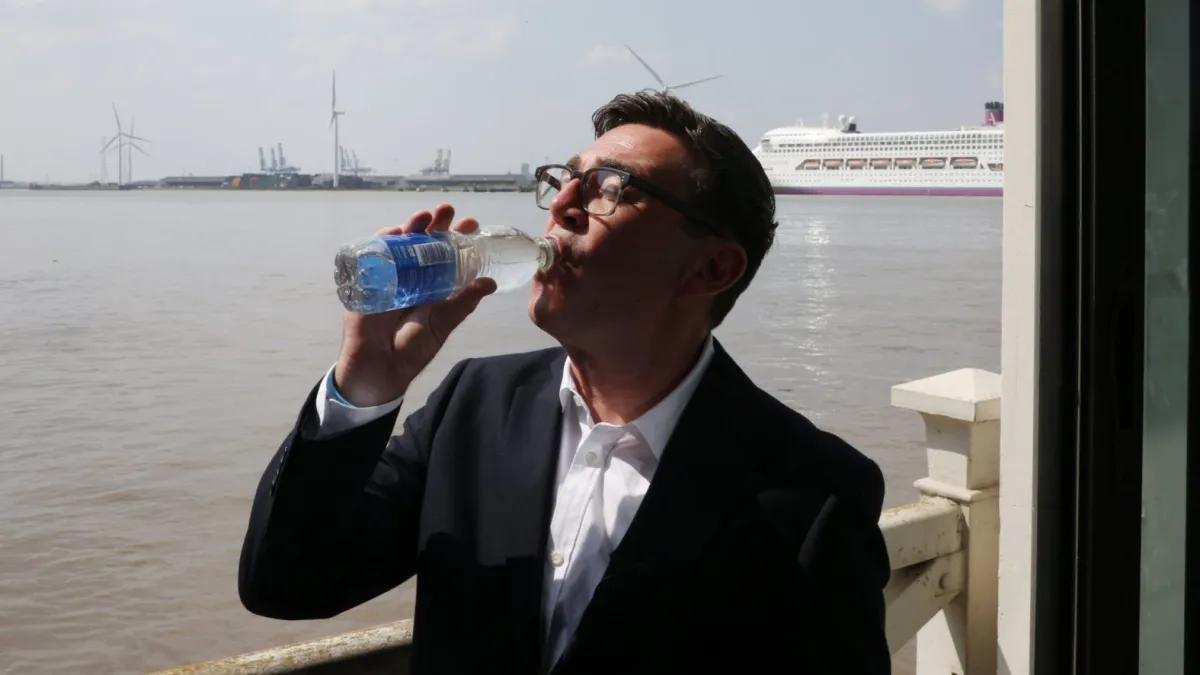
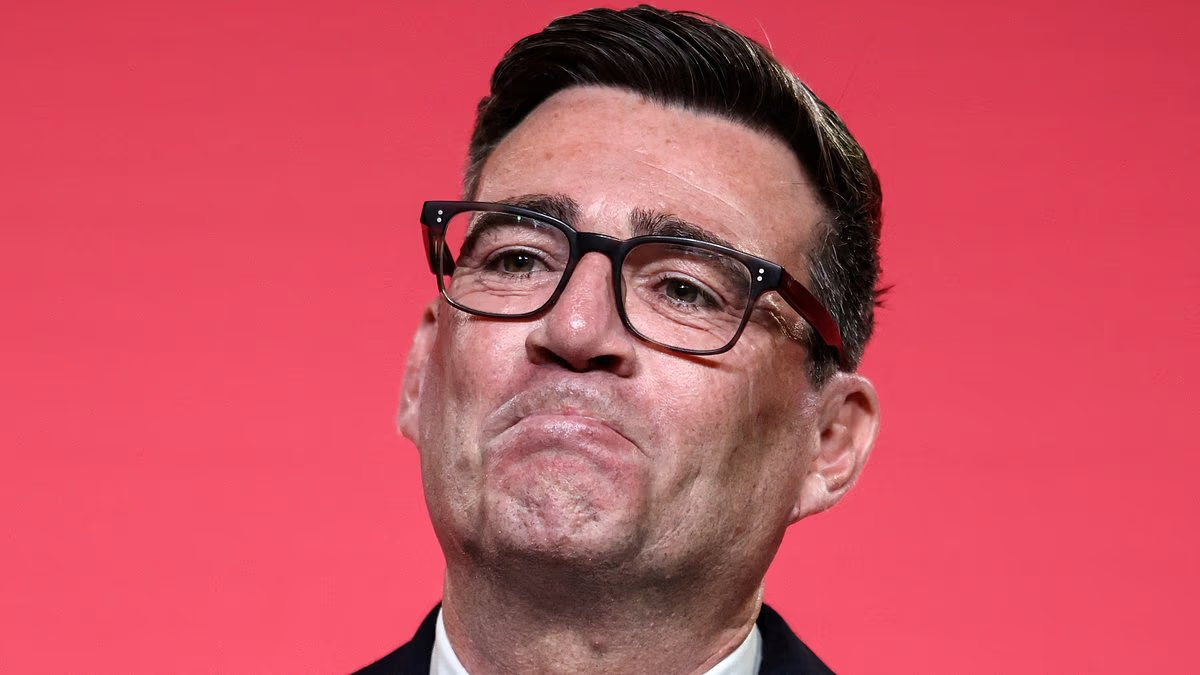
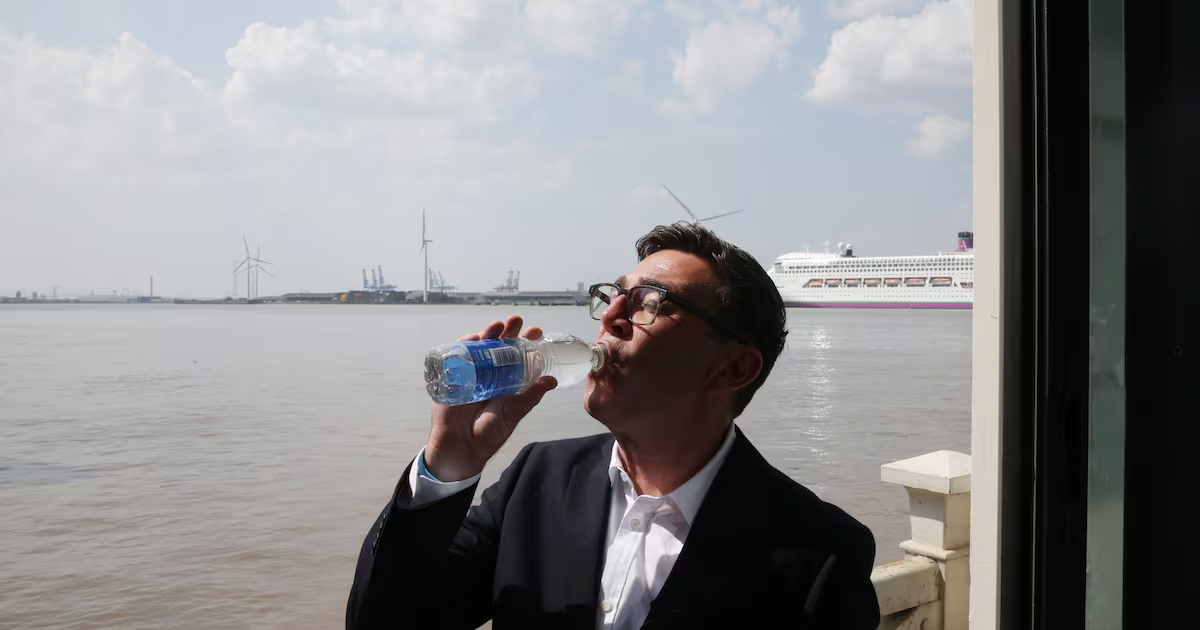
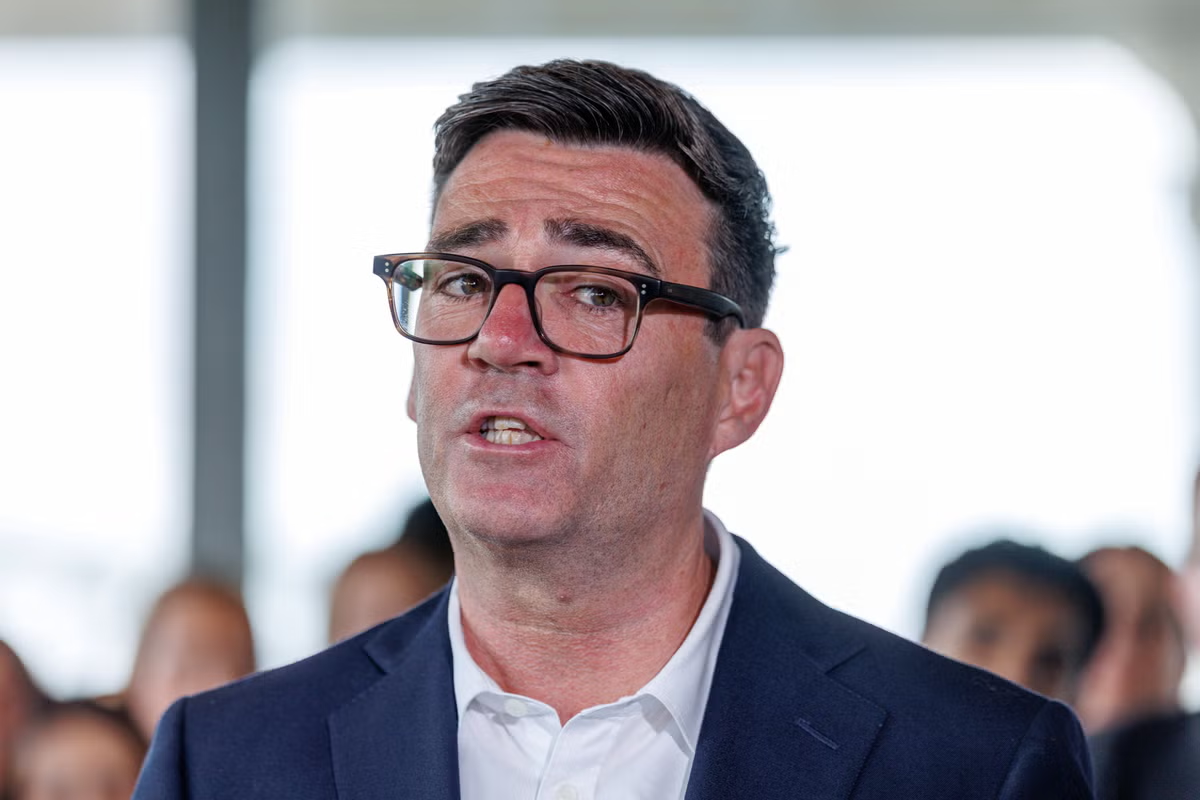
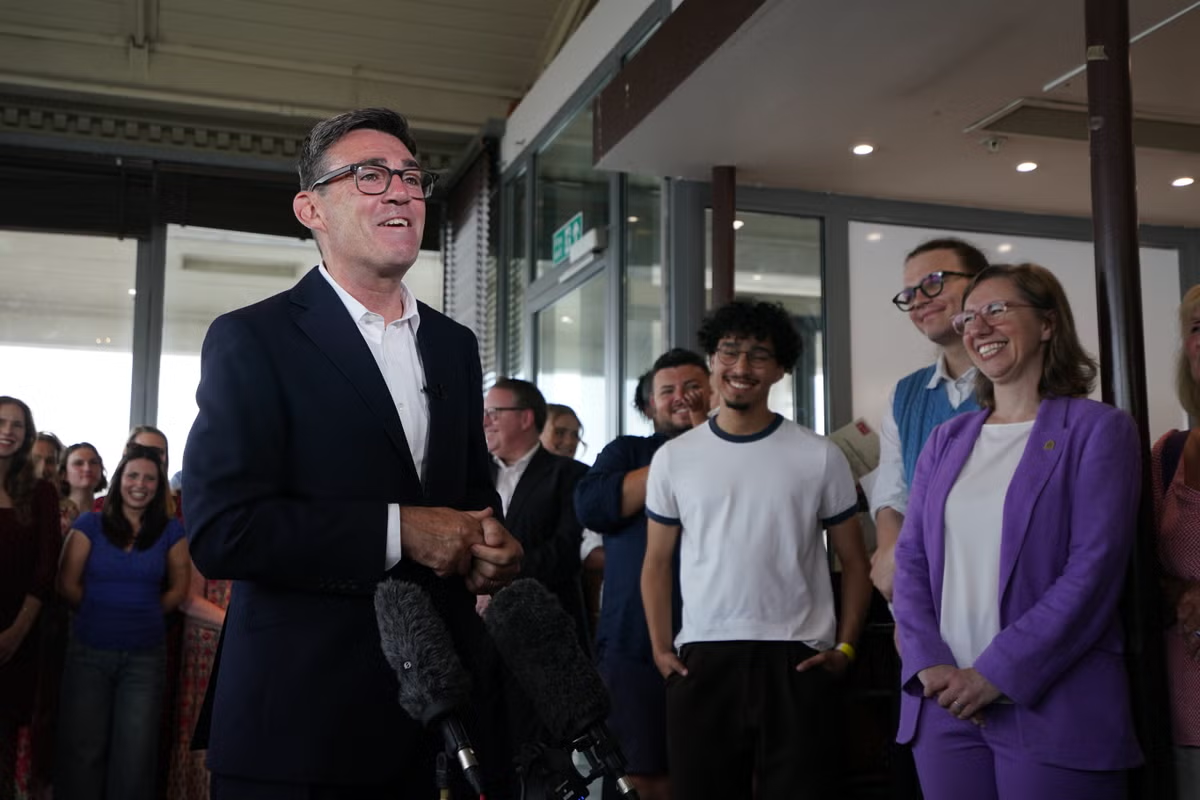
Andy Burnham has pledged greater public control of utilities (Yui Mok/PA Wire)
Renationalising Thames Water will deter the investment Britain needs to grow, says Lord JohnsonAndy Burnham enters Downing Street with lofty, and in many ways admirable, ambitions to generate prosperity in the regions. But his plans will come to naught if he cannot first find economic growth – and the outlook is bleak.The IMF expects Britain to grow by just one per cent this year, down from 1.4 per cent in 2025. The CBI has trimmed its forecasts yet again. Whoever leads the next government will inherit an economy that is stagnating, and a public that is running out of patience with excuses.The government should look to investment, particularly from abroad. As investment minister, I saw how foreign capital creates businesses, brings new technology and boosts trade. A growing economy attracts more capital in turn, creating a virtuous circle. In a single 12-month period, we secured £91bn of investment into the UK – from Japan, the United States, Korea and the Gulf, from Tata in Somerset, Nissan in Sunderland and Google’s $1bn data centre.We should remember that “Manchesterism”, the model on which Burnham now builds his national ambitions, was itself a triumph of private capital. Oxford Economics calls Manchester the star performer of the UK economy since 2008, and attributes that success to a stable, consistent investment framework for the private sector. I worked with Andy to get investment into the region. He was pragmatic, dynamic and sensible. In my view Burnham knows as well as anyone that Manchester’s revival, as one recent profile put it, was built on “striking hard deals to get capital flowing into the city”. It was not built on expropriation of assets from the private sector.Yet for one of our most capital-hungry sectors, Mr Burnham now proposes precisely that. He wants greater “public control” of water companies – a “spectrum of intervention” running from tougher regulation to outright public ownership. On Thames Water he has been explicit: there is, he says, “an overwhelming case for public ownership”.