Montenegro is expected to set a precedent for how the expansion of the EU will be financed in the near future, introducing yet another complication to the complex discussion of the bloc's next long-term budget.
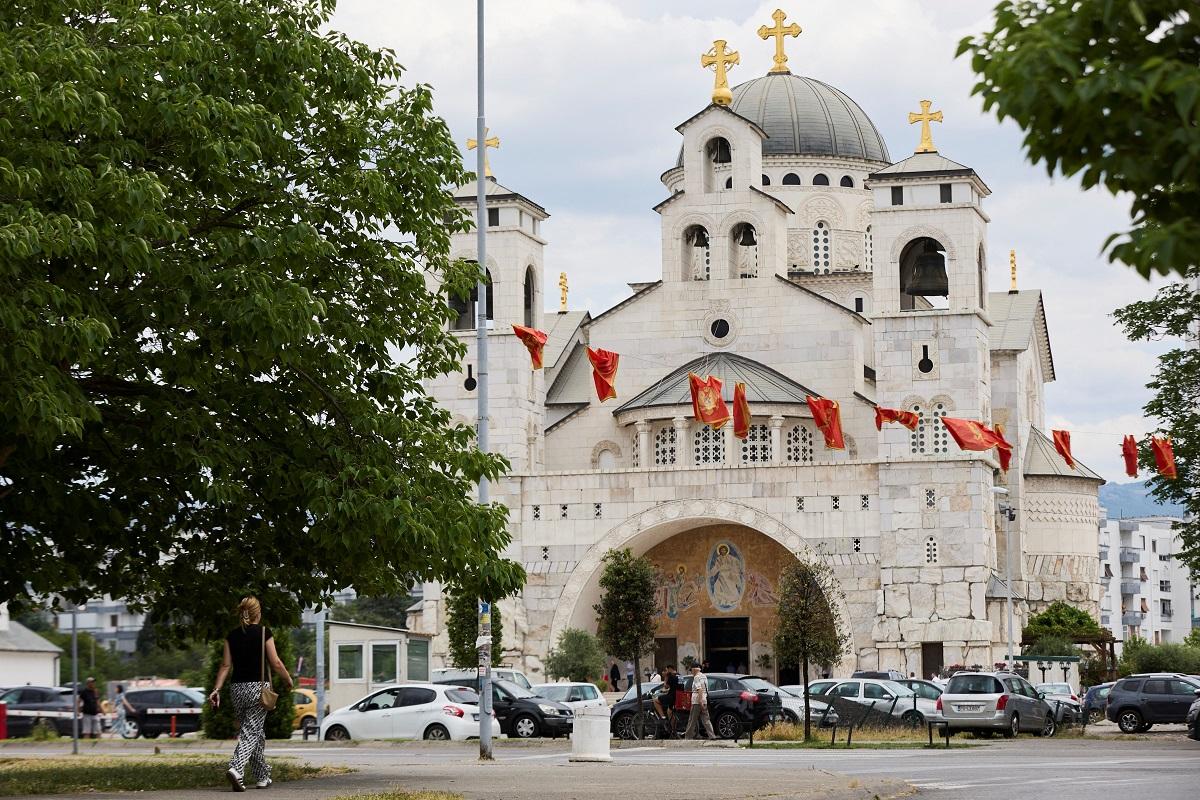
Last month, the European Commission presented the financial package for Montenegro's accession, the most advanced process of all the current candidate countries for EU membership.
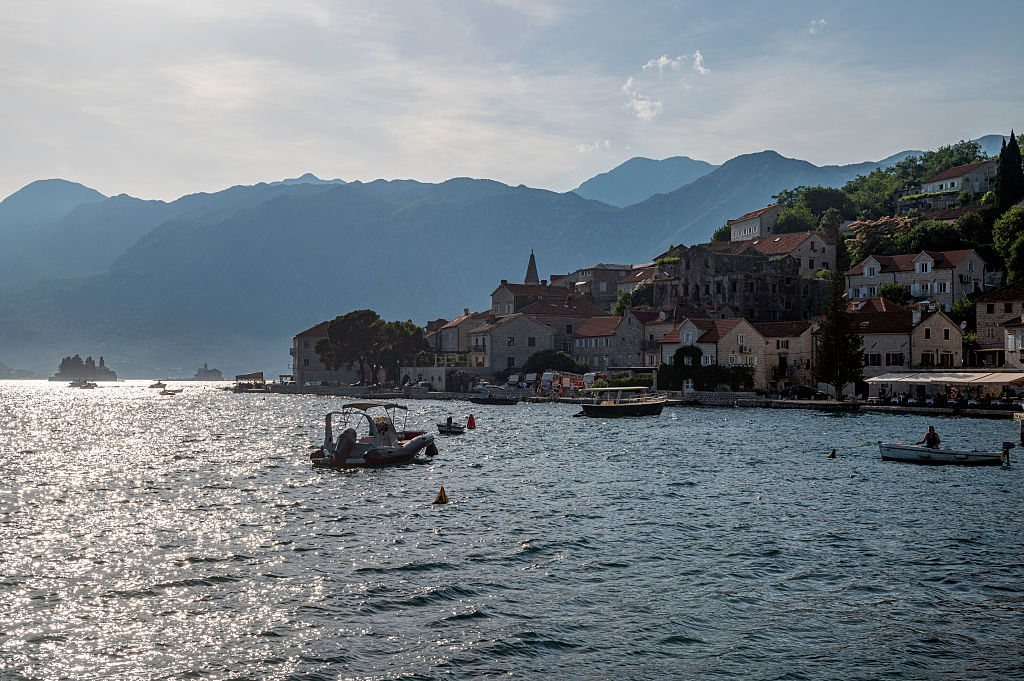
The economic cost of the Western Balkan country, which has a population of around 626,000, was estimated at €3.2 billion – less than €1 per EU taxpayer, or, as Commission officials put it, less than the price of a coffee.
But while the financial impact might be minimal, dwarfed by the EU's nearly €2 trillion long-term budget, Montenegro's impact on the already sensitive budget talks could be far more significant than its size suggests.
"Montenegro's financial package is set to be controversial, not so much because of the money involved but as a matter of principle," an EU diplomat told Euronews, speaking on condition of anonymity because of the sensitivity of the topic.