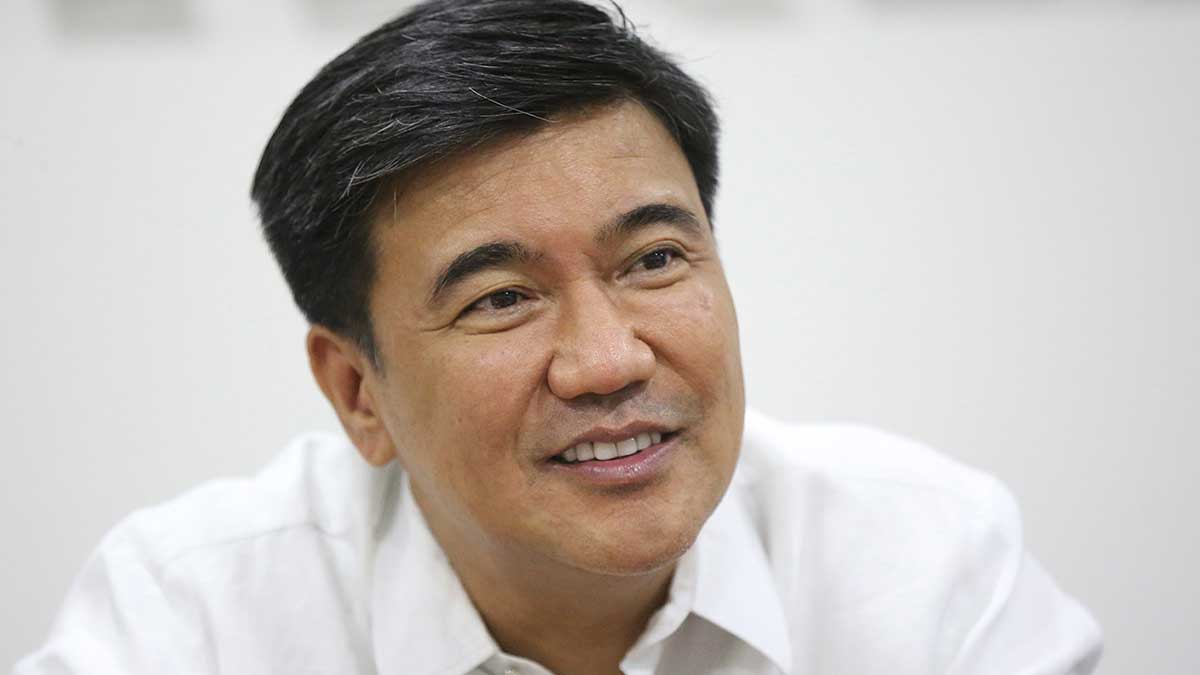
This analysis draws from an hour-long interview with former Philippine National Railways chairperson Michael Ted Macapagal and the documents he shared with Vantage Point, as well as public statements made by Finance Secretary Frederick Go.
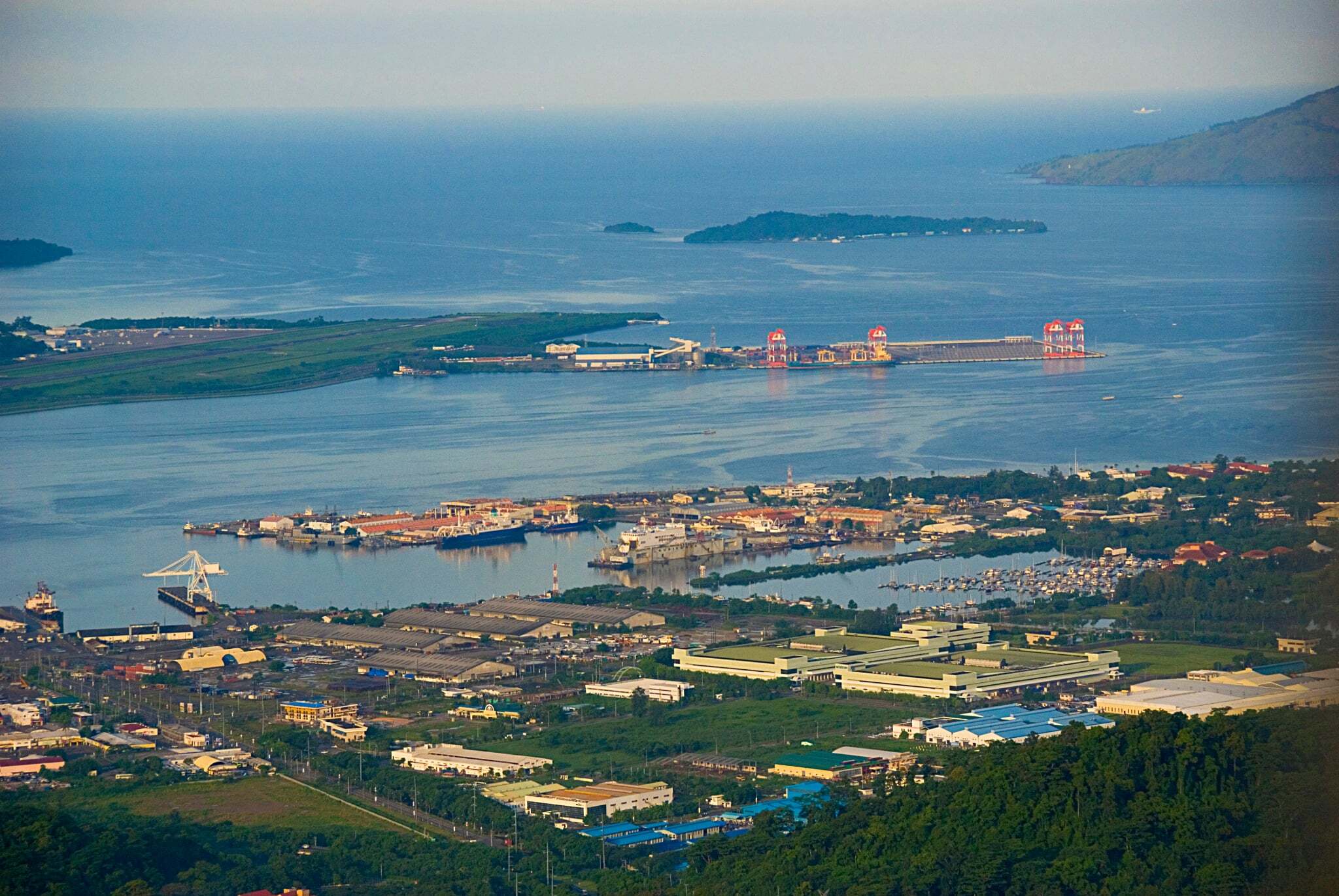
Before entering public service, Macapagal worked as a corporate executive in the US and later held key roles involving the Clark and Subic corridors. His insights into Pax Silica combine private-sector experience with a firsthand understanding of the infrastructure and regulatory hurdles facing the country’s key investment hubs. Although recent reports link him to the leadership of the Bases Conversion and Development Authority, no official appointment has been made.
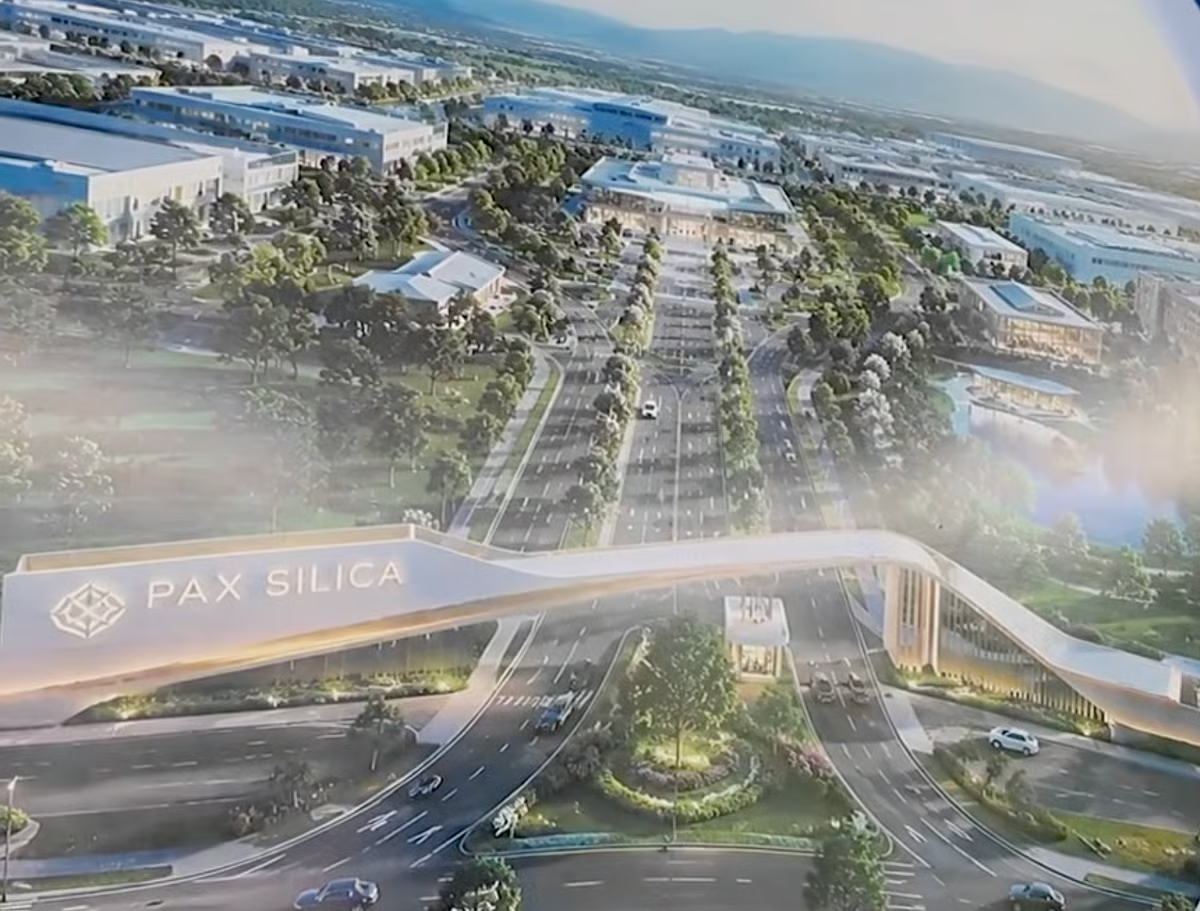
The announcement that Taiwanese manufacturing giant Foxconn, which produces an estimated 40% of the world’s consumer electronics globally, intends to anchor the first US-led Pax Silica technology hub in New Clark City was met with the standard fanfare reserved for massive foreign direct investment victories.
Yet looking at Foxconn merely as another corporate tenant misses a vital systemic shift. The global economy is quietly but permanently reorganizing its architecture around artificial intelligence, semiconductor fabrication, and trusted technology supply chains.