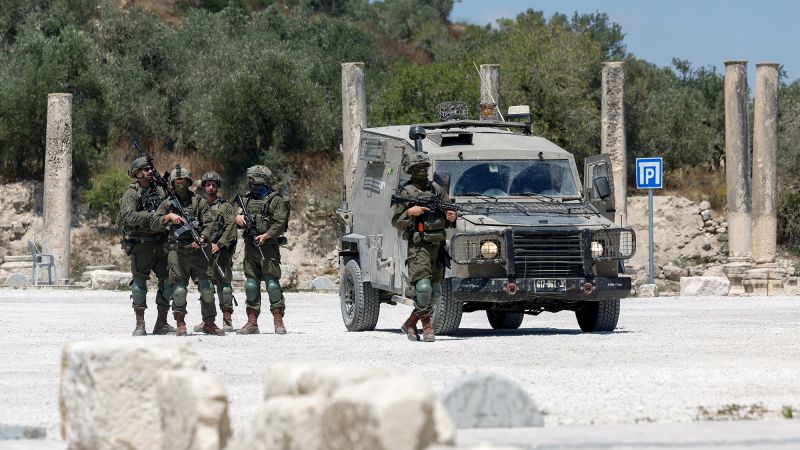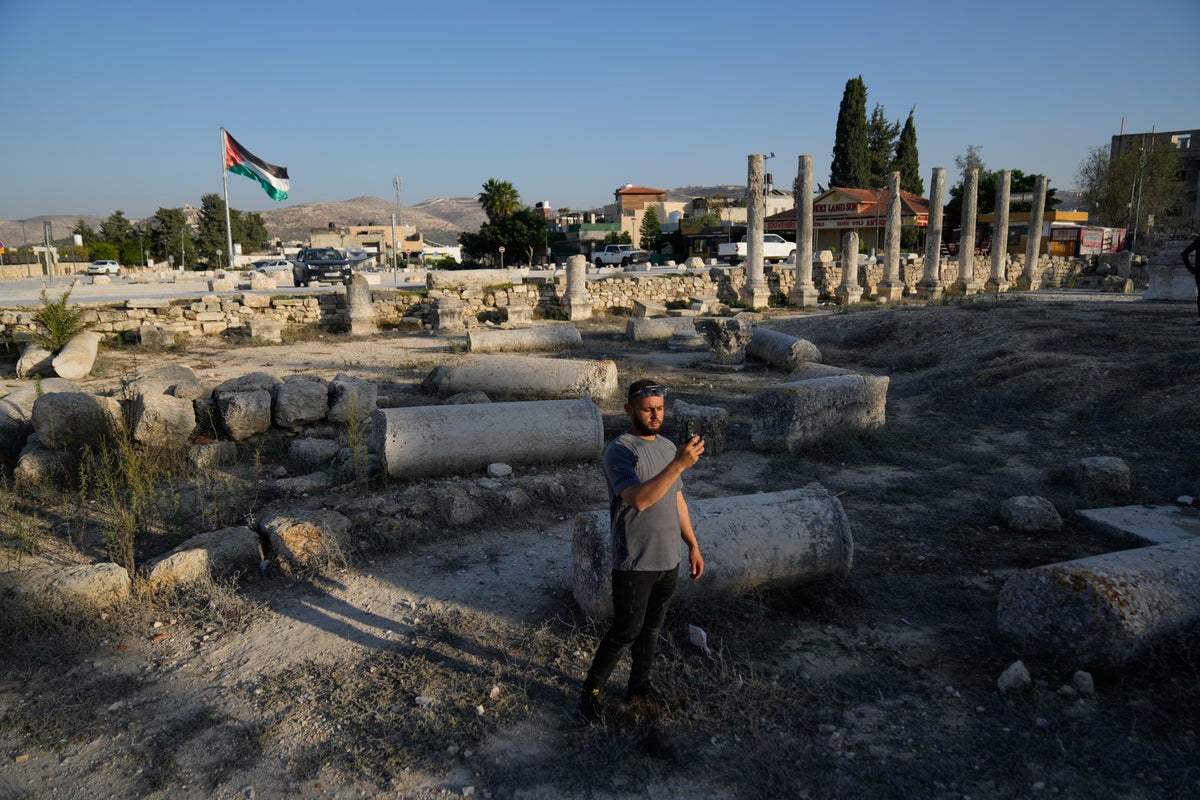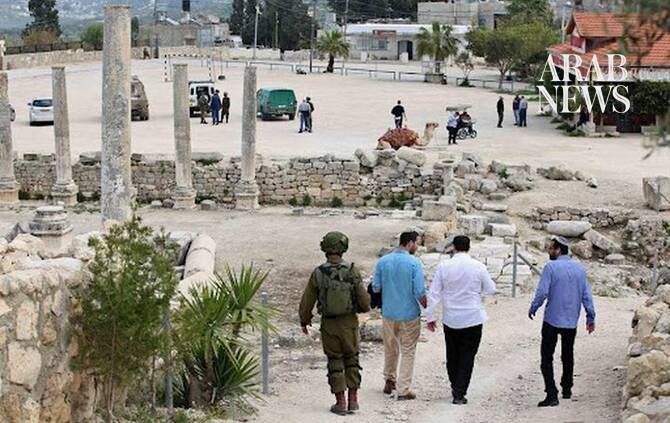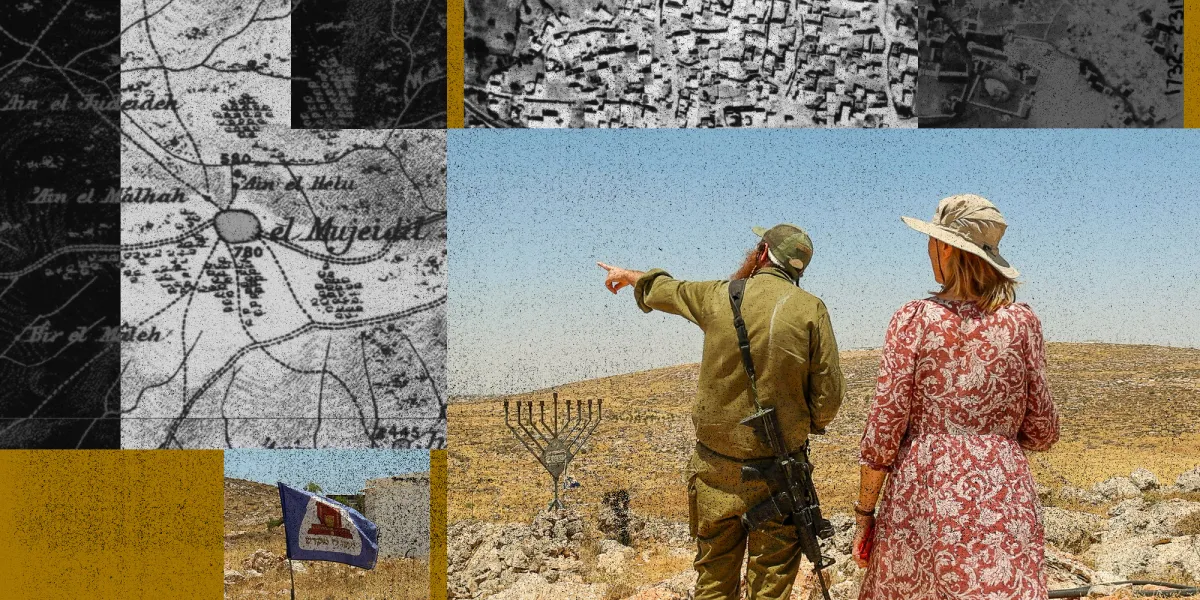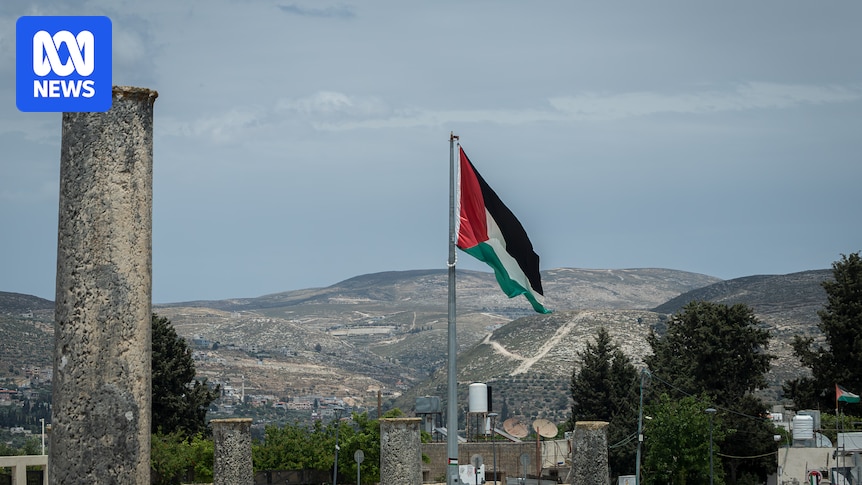
From a remote hilltop just north of Nablus, the view stretches across the occupied West Bank. Israeli settlements, Palestinian villages and the winding roads and checkpoints that connect – and divide – them.
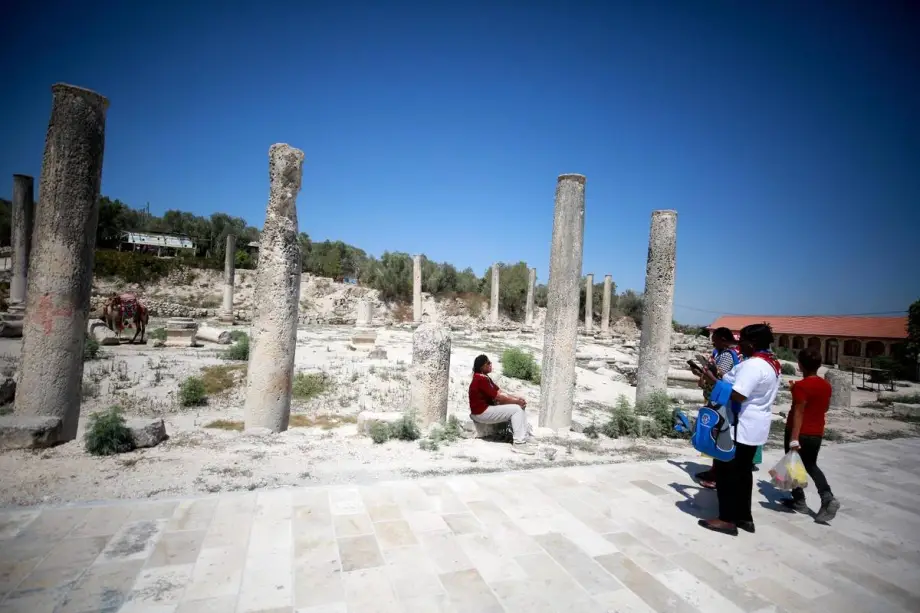
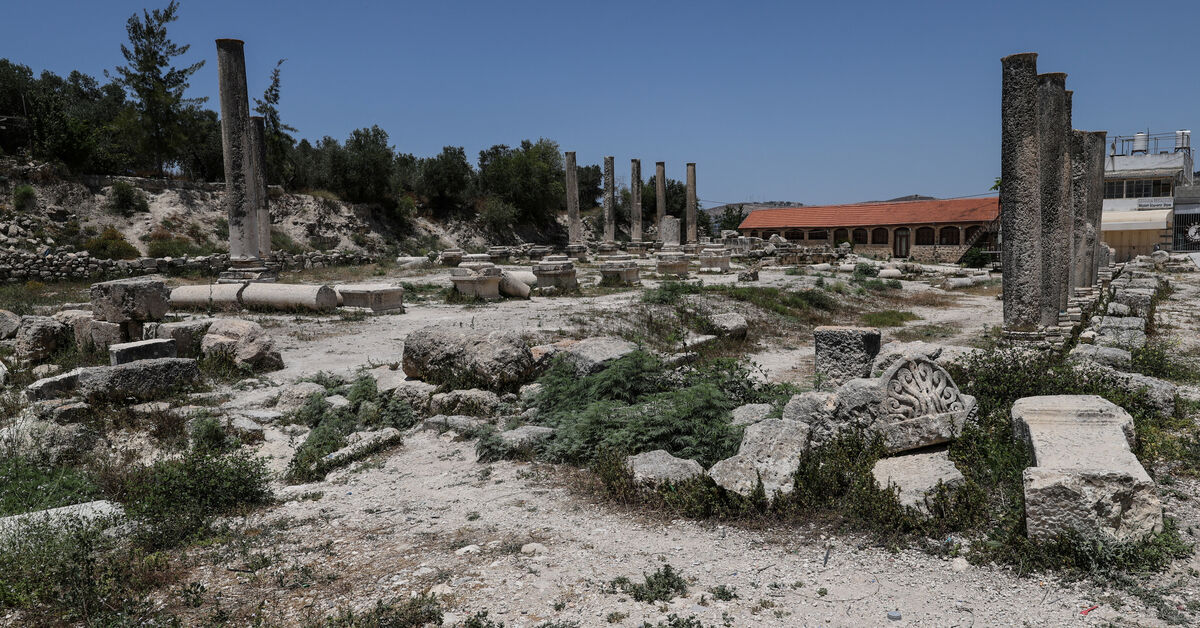
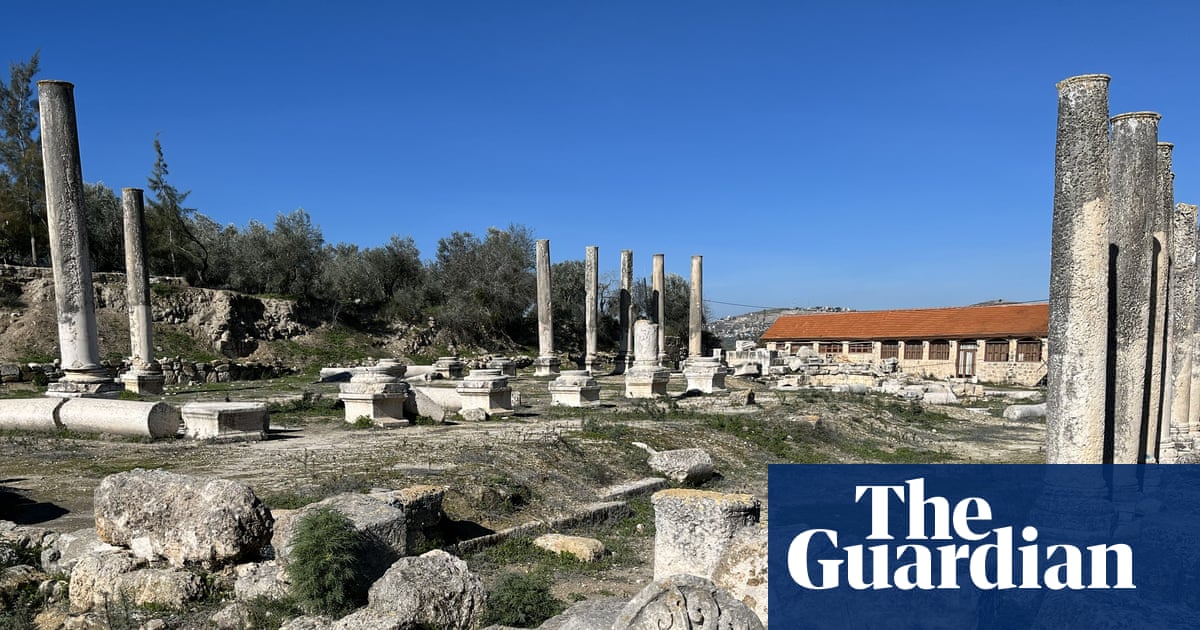
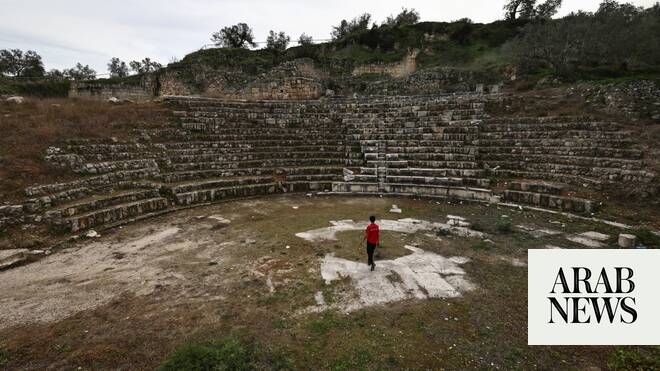
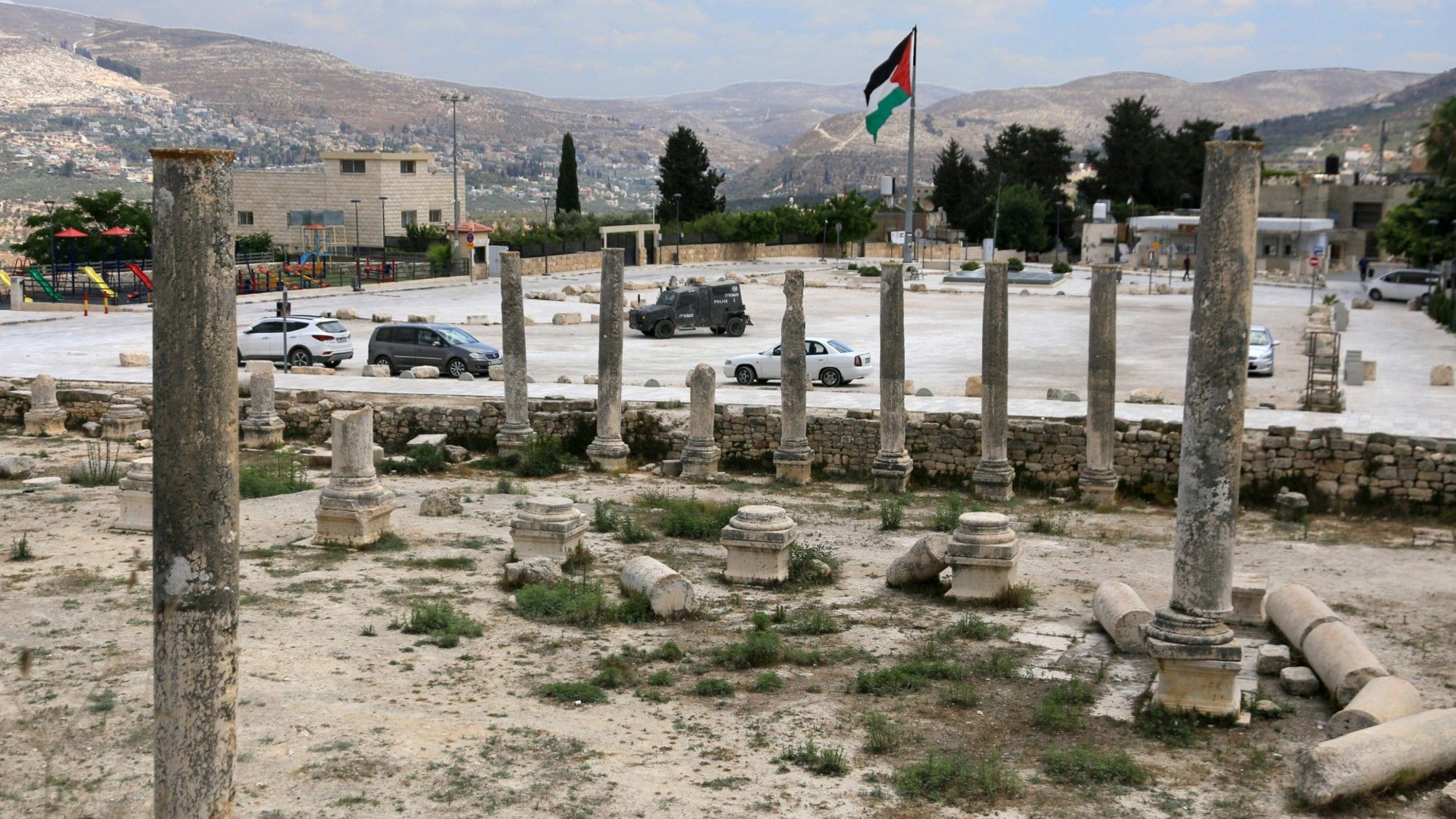
Scattered among the olive groves below lie thousands of years of history: the remains of an ancient palace, a Roman theater and weathered columns that have outlasted empires. Sebastia is one of the most layered archaeological sites in the Middle East. And right now, it is a flashpoint in a fight between Israeli and Palestinain authorities over land, heritage and narrative.
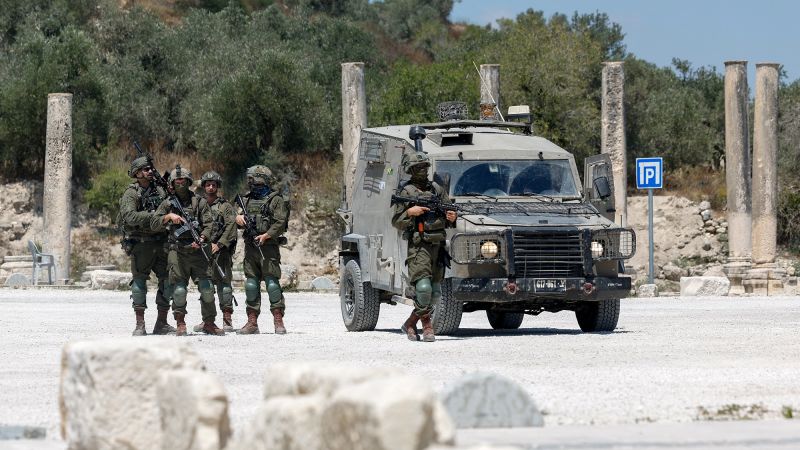
Over the past year, Israel has moved to seize roughly 500 acres of privately owned Palestinian land around the town of Sebastia, a small Palestinian hamlet with a rich archaeological site. The government allocated $10 million to develop the site into a tourist attraction.
The Palestinian Authority, in turn, is racing to get Sebastia urgently recognized as a UNESCO World Heritage site, a bid the organization is debating this month in South Korea. Each side believes the land – and its past – belongs to them.
Sebastia’s history goes back at least 3,000 years. Archeologists identify it as ancient Samaria, capital of the biblical Kingdom of Israel. Herod the Great later rebuilt it, renamed it Sebastia, and added monumental structures that survived through the Roman, Byzantine, Arab and Crusader periods. In the neighboring town, local tradition also places it as the burial site of John the Baptist.